When someone is sent to prison, the system doesn’t just lock them up and forget about them. Inmate services are the backbone of how U.S. correctional facilities operate - and they’re far more complex than most people realize. From where an inmate sleeps, to how they get medical care, to what programs help them rebuild their lives, these services shape everything from daily survival to long-term success after release. Understanding them isn’t just about curiosity - it’s about seeing the system for what it really is: a mix of control, care, and chance.
How Inmates Are Classified - And Why It Matters
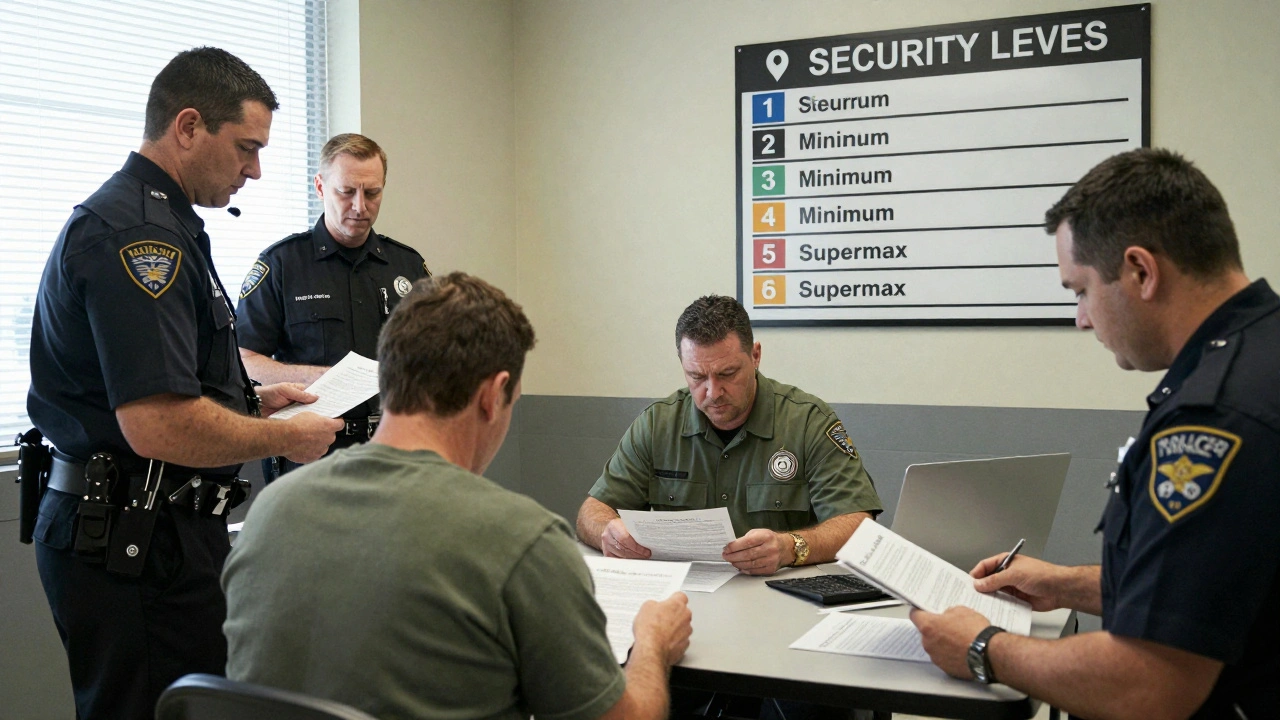
Not all inmates go to the same kind of prison. The first thing the system does after sentencing is classify them. This isn’t random. It’s a detailed process based on crime history, mental and physical health, age, and even how close they live to family. The goal? To keep everyone safer and make sure each person gets the right level of supervision and support. Federal prisons use five security levels. Minimum-security facilities look more like dormitories than jails - no razor wire, just a fence. These are for non-violent offenders with low escape risk. Low-security prisons add double fencing and work camps. Medium-security prisons switch to cell-based housing, with razor wire and electronic alarms. High-security prisons - called U.S. Penitentiaries - are the toughest. Think 24/7 camera coverage, armed guards, and thick walls. Then there’s ADX Florence in Colorado, the only supermax prison in the country. Inmates there spend 23 hours a day alone in their cells, with almost no human contact. States run their own systems, and they vary. Florida uses four custody levels: minimum, medium, close, and maximum. North Carolina breaks it down even further into five levels, including minimum I and minimum III. These distinctions aren’t just about security - they determine whether an inmate can work outside the fence, join a work crew, or get placed in a re-entry center.Where Inmates Live - Beyond the Cell
Housing isn’t one-size-fits-all. Most inmates live in general population, but there are specialized units for specific needs. Work camps house lower-risk inmates who’ve shown good behavior. They do public service jobs - clearing brush, fixing roads, cleaning parks. In Florida, some of these inmates even work in food service for the prison itself. Re-entry centers are designed to ease the transition out of prison. These aren’t jails - they’re halfway houses where inmates hold real jobs, pay rent, and learn how to live with freedom again. In Florida, inmates in community custody can leave the facility daily to work and return at night. Then there are boot camps. Florida’s Basic Training Program targets young offenders under 21. It’s six months of military-style discipline, physical training, counseling, and GED prep. The idea? Redirect them before they become career offenders. And for those who can’t handle the general population? Protective custody. This isn’t punishment - it’s protection. If someone is being threatened, targeted because of their crime, or has a history of being attacked, staff move them to a safer unit. Sometimes that means a single cell. Sometimes it means a whole wing.Medical and Mental Health Care - A Lifeline
Prisons don’t just house people - they have to treat them. The Federal Bureau of Prisons uses a four-level care system based on medical and mental health needs. Care Level 1? Minimal issues. Someone with a minor asthma condition or occasional anxiety. They manage on their own. Care Level 2 includes chronic conditions - diabetes, high blood pressure, depression - that need regular medication or therapy. Care Level 3 is for complex, ongoing problems. Think kidney disease requiring dialysis, severe PTSD, or schizophrenia needing daily clinical oversight. These inmates get frequent check-ins, specialist visits, and sometimes weekly therapy. Care Level 4? That’s the highest. These inmates need 24-hour nursing care. They might be paralyzed, have advanced dementia, or be in end-stage cancer. They’re sent to one of the BOP’s Medical Referral Centers - specialized hospitals inside prisons. They also track functional ability. Can the inmate dress themselves? Use the bathroom alone? Walk without help? If not, they’re assigned an inmate companion or a staff aide. This isn’t luxury - it’s basic human dignity.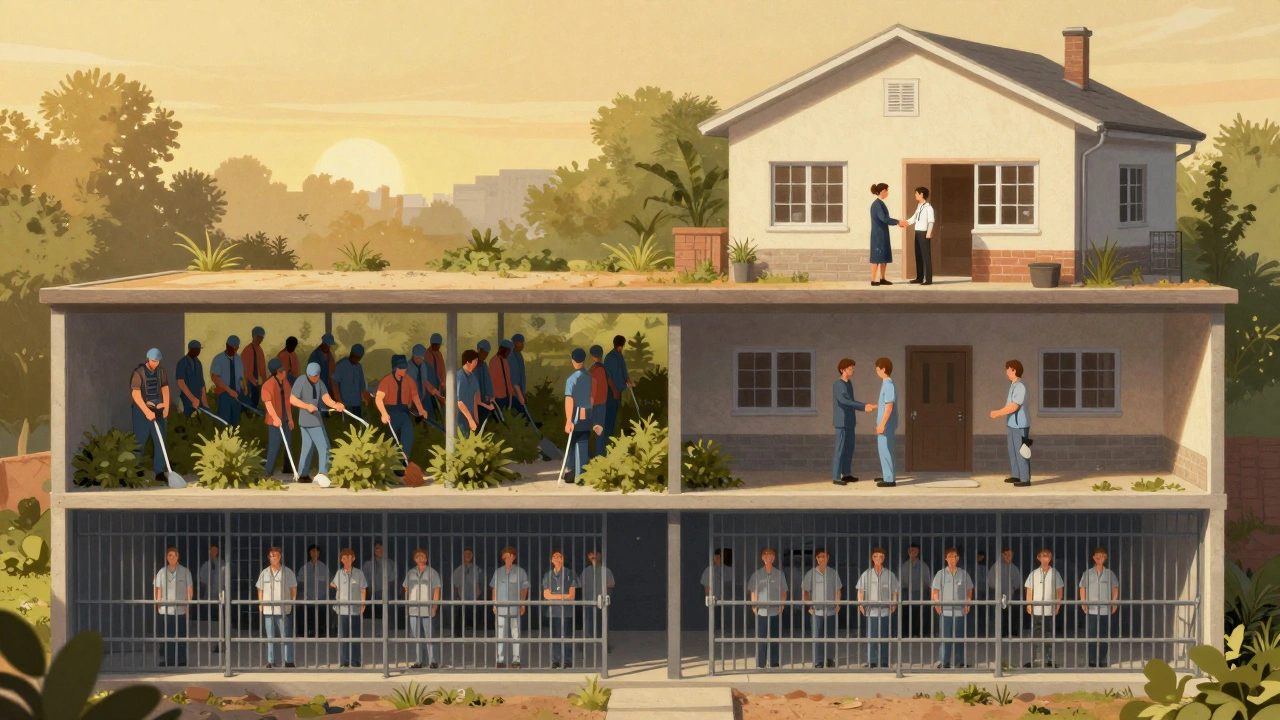
Rehabilitation - More Than Just Education
If prisons only locked people up, recidivism would be even worse than it is. But most serious correctional systems invest heavily in rehabilitation. Education is the most common. Inmates can earn their GED, take college courses through partnerships with community colleges, or learn basic computer skills. Research shows inmates who complete even one educational program are 43% less likely to return to prison. But education isn’t just about books. Occupational therapy teaches real-life skills: how to write a resume, manage money, handle conflict, cook on a budget, and navigate public transportation. These are called Instrumental Activities of Daily Living (IADLs). They’re not optional. They’re essential. Substance abuse programs are everywhere. Over 60% of inmates have a history of drug or alcohol dependence. Programs like Residential Drug Abuse Program (RDAP) in federal prisons offer intensive counseling, group therapy, and aftercare planning. Completing RDAP can even shorten a sentence by up to a year. Anger management, cognitive behavioral therapy, and trauma-informed counseling are now standard in most facilities. Why? Because violence often stems from untreated mental wounds - not just bad choices.Segregation - When Safety Comes First
Segregation isn’t punishment. It’s protection - for the inmate and the facility. Disciplinary segregation lasts days or weeks. It’s for rule-breakers: someone who started a fight, smuggled contraband, or threatened staff. They’re locked down, but they still get meals, medical care, and one hour of out-of-cell time per day. Administrative segregation is longer-term. It’s for inmates who are too dangerous to be around others - or too vulnerable. This isn’t the same as solitary confinement in movies. It’s a structured, monitored system. Inmates still get showers, medical checks, and visits. Protective custody is the most misunderstood. People think it’s a privilege. It’s not. It’s survival. A former gang member. A whistleblower. Someone who testified in court. These people are moved because if they stay in general population, they might not live to see trial.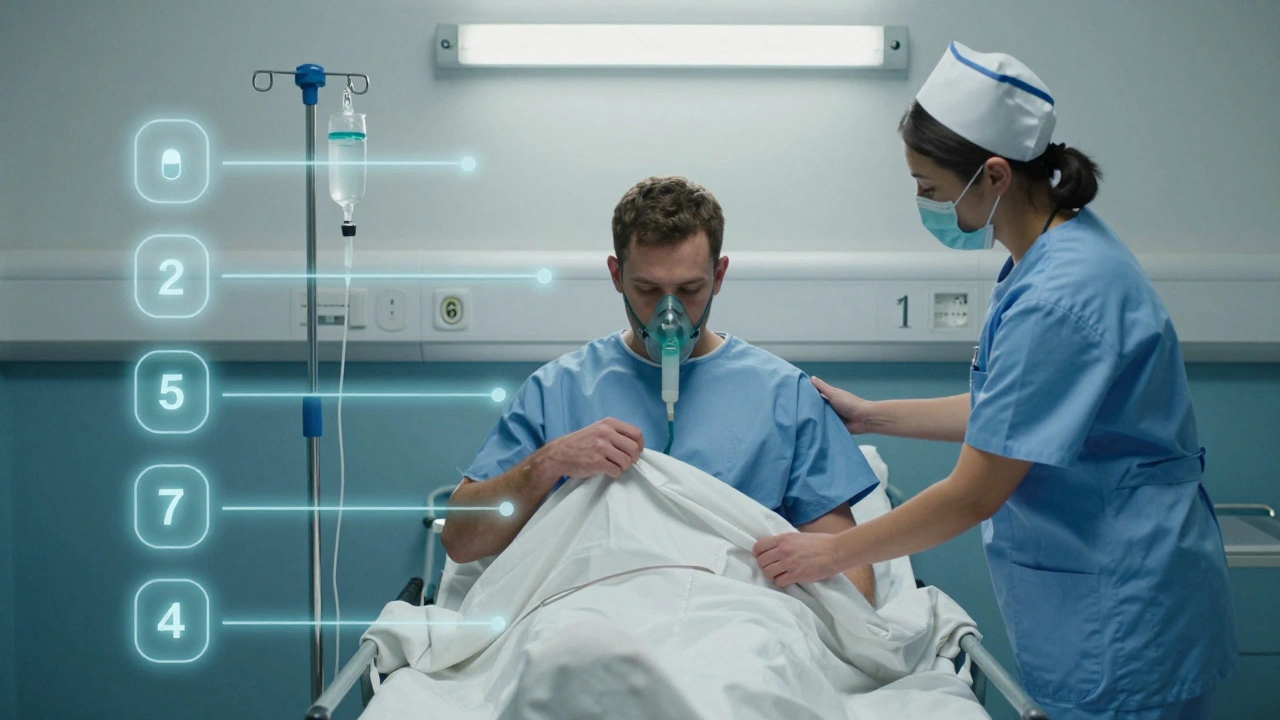
What About Juveniles?
Juvenile detention centers are shrinking - and that’s a good thing. In 2025, fewer than 15,000 minors were held in youth correctional facilities nationwide. Why? Because states are realizing locking up teens doesn’t fix the problem. Now, most young offenders get counseling, probation, or placement in small, home-like facilities. These places focus on education, family therapy, and emotional development. The goal isn’t to punish - it’s to prevent them from ever ending up in adult prison.Bed Missions - The Hidden System
Every prison has a “bed mission” system. It’s how they move inmates around based on changing needs. An inmate might start in general population, then get moved to medical housing after a stroke. Or shift from medium to minimum security after three years of good behavior. Or be transferred to a re-entry center six months before release. These moves aren’t chaotic. They’re planned. Each bed mission is documented, reviewed, and approved. It’s how the system stays flexible - and humane.What Happens After Release?
The best inmate services don’t end when the cell door closes. They extend into re-entry. Most prisons now have transition coordinators who help inmates get IDs, apply for SNAP, find housing, and connect with job programs. Some even partner with local employers who hire formerly incarcerated people. The data is clear: inmates who get real support before release are 30% less likely to return to prison within three years. That’s not just policy - it’s common sense.Do all prisons offer the same inmate services?
No. Federal prisons follow strict national guidelines, but state systems vary widely. Some states invest heavily in education and mental health. Others cut programs due to budget limits. A minimum-security inmate in Oregon might have access to college courses and job training, while someone in a rural state might only get basic GED prep - if anything at all.
Can inmates refuse rehabilitation programs?
Most programs are voluntary, but some are mandatory. For example, if an inmate is sentenced for drug-related offenses, they may be required to complete a substance abuse program. Refusing can delay parole, reduce good-time credits, or even lead to disciplinary action. But no one is forced into therapy or education - participation is encouraged, not enforced.
Are mental health services adequate in prisons?
They’re better than they used to be, but still underfunded. The Bureau of Prisons has trained over 1,200 mental health professionals since 2020, and most prisons now have at least one psychologist or social worker. But with overcrowding in many state systems, caseloads can hit 200 inmates per clinician. That’s not enough for quality care. The system is improving - but it’s not yet where it needs to be.
Do inmates get paid for working in prison?
Yes, but very little. Federal inmates earn between 12 cents and $1.15 per hour for jobs like kitchen work, laundry, or maintenance. In some states, they earn up to $4 an hour for skilled labor. The money goes into a personal account they can use to buy snacks, hygiene items, or send to family. It’s not a wage - it’s a tool to encourage responsibility and savings.
Can family members help with inmate services?
Absolutely. Staying connected to family reduces recidivism. Families can send approved books, pay for commissary, and visit regularly. Some prisons even offer parenting classes for inmates who are parents. And in states like California and New York, families can help apply for re-entry programs on behalf of their loved ones. Support from outside is one of the strongest predictors of successful reintegration.