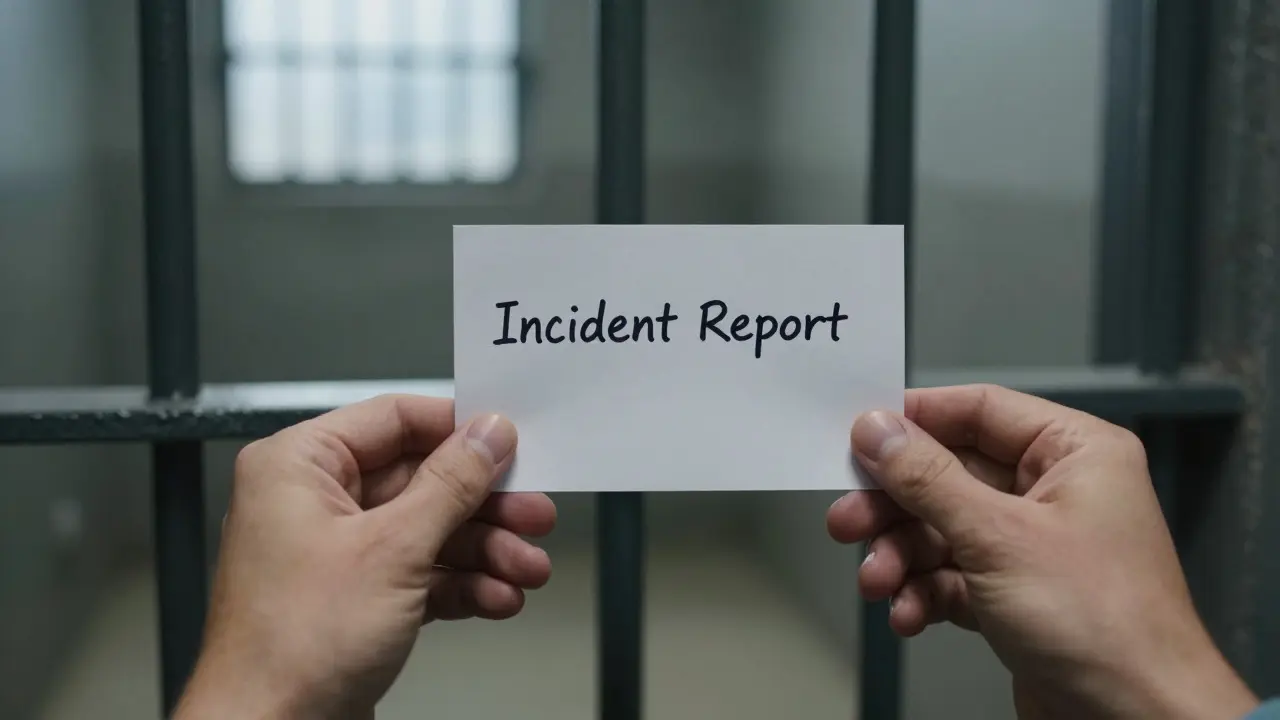
Imagine you’re sitting in your cell, staring at a slip of paper that says “Incident Report.” Your heart rate spikes. You know the drill: if this goes to a formal disciplinary hearing, you could lose good time, earn points, or face stricter conditions. But before you panic or immediately draft a long, angry letter to the warden, there’s a quieter, often more effective path: informal resolution.
Informal resolution is the process where an inmate and staff discuss a problem directly to fix it without going through the full, rigid machinery of the official grievance system. It’s not a magic wand, but when used correctly, it can save weeks of waiting, reduce stress, and sometimes prevent a minor issue from becoming a major legal headache. However, timing is everything. Start too late, and you might miss the window. Start with the wrong attitude, and you might make things worse.
What Exactly Is Informal Resolution?
Informal Resolution is a voluntary, non-binding conversation between an inmate and correctional staff aimed at resolving a dispute or complaint without filing a formal administrative appeal. Unlike a formal grievance, which creates a permanent record and follows strict deadlines, informal resolution relies on cooperation and common sense. It’s the equivalent of talking to a neighbor about a fence line instead of hiring a lawyer and suing for property damage.
This process usually happens at three levels:
- Unit Level: Talking to the Correctional Officer (CO) or Unit Manager directly responsible for your housing unit.
- Facility Level: Meeting with the Captain, Lieutenant, or Warden’s designee.
- Systemic Level: In some states, this extends to regional administrators, though this is rarer for initial complaints.
The key distinction is that informal resolution does not stop the clock on formal deadlines unless explicitly stated in writing by a supervisor. This is a critical point many inmates miss. If you think you’ve “resolved” something informally, check your facility’s specific policy manual. Does it say the grievance deadline is tolled? If not, keep counting the days.
When Should You Use It? (And When Not To)
Not every problem needs a heavyweight solution. Using informal resolution for the right issues saves energy; using it for the wrong ones wastes time. Here’s how to decide:
Good Candidates for Informal Resolution
- Communication Breakdowns: A CO forgot to deliver mail, or a meal was missed due to a scheduling error. These are human errors, not malice.
- Minor Facility Issues: A broken toilet, a leaky roof, or a malfunctioning TV. Staff often have maintenance requests they can push through quickly if asked politely.
- Misunderstandings: You thought you were allowed to do X, but the rule says Y. Clarifying the rule prevents future trouble tickets.
- First-Time Minor Infractions: If you got a small write-up for something trivial (like being out of place for 5 minutes), a quick chat with the unit manager might lead to a reprimand instead of a hearing.
Poor Candidates for Informal Resolution
- Use of Force: If you believe a CO used excessive force, go straight to the formal grievance or medical review. Informal talks rarely change a police report.
- Solo Segregation (Solitary Confinement):** If you’re in solitary, access to staff is limited. Bureaucratic channels are often the only way to get heard.
- Pattern of Abuse:** If one CO has a history of targeting you, talking to them again might be counterproductive. Go over their head.
- Legal Rights Violations:** If your due process rights were stripped during a hearing, you need a paper trail. Informal chats don’t create evidence.
How to Start the Conversation: A Step-by-Step Guide
Starting an informal resolution isn’t just about walking up to a desk. It’s a strategy. Here’s how to approach it effectively.
1. Prepare Your Facts, Not Your Emotions
Before you speak, write down the timeline. Who, what, when, where. Keep it brief. If you’re complaining about a missing book, note the date it was sent, the tracking number, and the date you expected it. Emotions cloud judgment. Facts build credibility.
2. Choose the Right Time and Place
Avoid approaching staff during high-stress times like counts, lockdowns, or right after a shift change. The best time is usually mid-shift, when the unit is calm. Ask to see the Unit Manager or Lieutenant privately. Don’t make a scene in front of other inmates.
3. Use the “SBI” Method
Structure your talk using Situation-Behavior-Impact:
- Situation: “On Tuesday, during morning count...”
- Behavior: “...the door was locked for 20 minutes longer than usual...”
- Impact: “...which caused me to miss my phone call home.”
This keeps the conversation objective. Instead of saying “You always lock us up,” you’re stating a fact and its consequence. Staff respond better to logic than accusations.
4. Propose a Simple Solution
Don’t just complain; offer a fix. “Could we double-check the count schedule next week?” or “Can I reschedule my call for tomorrow?” Giving staff an easy ‘yes’ makes them more likely to help you.
5. Get It in Writing (If Possible)
After the conversation, ask for a memo or a note in your file confirming the discussion. Even a simple “Discussed with Lt. Smith on [Date] regarding [Issue], resolved as follows: [Solution]” adds weight. If they won’t write it down, write it yourself and date it. “Spoke with Lt. Smith today. He agreed to...” This isn’t proof, but it shows you acted reasonably.

Common Pitfalls to Avoid
Even with the best intentions, informal resolution can backfire. Watch out for these traps:
- Assuming Silence Means Agreement: If a CO nods but doesn’t act, nothing is resolved. Follow up.
- Skipping the Paper Trail Entirely: If the informal talk fails, you need to start the formal grievance immediately. Don’t wait another week hoping they’ll change their minds.
- Blaming Individuals vs. System: Saying “Officer Jones is bad” is subjective. Saying “The procedure for mail delivery failed” is systemic. Systemic issues are easier to fix.
- Losing Patience Too Soon: Give the first informal attempt 3-5 business days to show results before escalating. Rushing looks desperate.
Comparison: Informal Resolution vs. Formal Grievance
To help you decide which path to take, here’s a side-by-side look at the two processes.
| Feature | Informal Resolution | Formal Grievance |
|---|---|---|
| Speed | Days to weeks | Weeks to months |
| Record Created | Minimal or none | Permanent administrative record |
| Cost/Effort | Low (time only) | Medium-High (forms, deadlines, appeals) |
| Best For | Minor errors, communication gaps | Rights violations, serious discipline |
| Outcome Control | Negotiated | Determined by administrator/judge |
| Deadline Risk | Low (if monitored) | High (strict statutory limits) |

Case Study: The Missing Mail Incident
Let’s look at a real-world scenario. Inmate A discovers his legal mail hasn’t arrived after 10 days. He knows he has 30 days to file a grievance if the mail is lost permanently. Instead of waiting, Inmate A goes to the Unit Manager. He presents the tracking number and the date sent. The Manager checks the log and realizes the mail was misfiled in the general correspondence pile. It’s found within 2 hours. No grievance is filed. No points are added. No stress. The relationship between Inmate A and the Unit Manager remains professional. Had Inmate A waited 10 more days and then filed a grievance, the process would have taken 60+ days. During that time, he might have been stressed, potentially leading to other minor infractions. The informal route saved time and preserved peace.
When to Escalate: Signs Informal Resolution Is Failing
Know when to cut your losses. Switch to a formal grievance if:
- The same issue happens twice within 30 days.
- Staff dismiss your concern without checking facts.
- You feel intimidated or threatened during the conversation.
- The deadline for the formal grievance is less than 7 days away.
Escalating isn’t a failure; it’s a strategic move. It shows you tried to be reasonable, which strengthens your case if the issue goes to court later.
Frequently Asked Questions
Does informal resolution stop the grievance deadline?
Usually, no. Unless a supervisor explicitly tells you in writing that the clock is stopped, the standard deadline continues to run. Always check your facility’s specific policy manual. If in doubt, file the grievance anyway to protect your rights, then mention the informal efforts in your narrative.
Who should I talk to first for informal resolution?
Start with the lowest-ranking officer involved in the issue, such as the Correctional Officer or Unit Manager. They often have the most direct knowledge and the easiest ability to fix small problems. Only escalate to Lieutenants or Captains if the first level fails.
Can I use informal resolution for disciplinary hearings?
Yes, but carefully. You can try to resolve the underlying incident before the hearing is scheduled. However, once a hearing date is set, the formal process is underway. You can still request a pre-hearing conference, but don’t expect the hearing to be canceled just because you talked to a guard.
What if staff ignore my informal request?
Document the interaction. Write down the date, time, and name of the person you spoke with. Then, file a formal grievance citing the lack of response to your informal inquiry. This shows the system failed to address a reasonable attempt at resolution.
Is informal resolution available in all prisons?
Most state and federal systems encourage it, but policies vary. Some facilities have specific “Problem Solving” programs, while others rely on ad-hoc conversations. Check your facility’s Inmate Handbook or ask the library for the current policy guide.