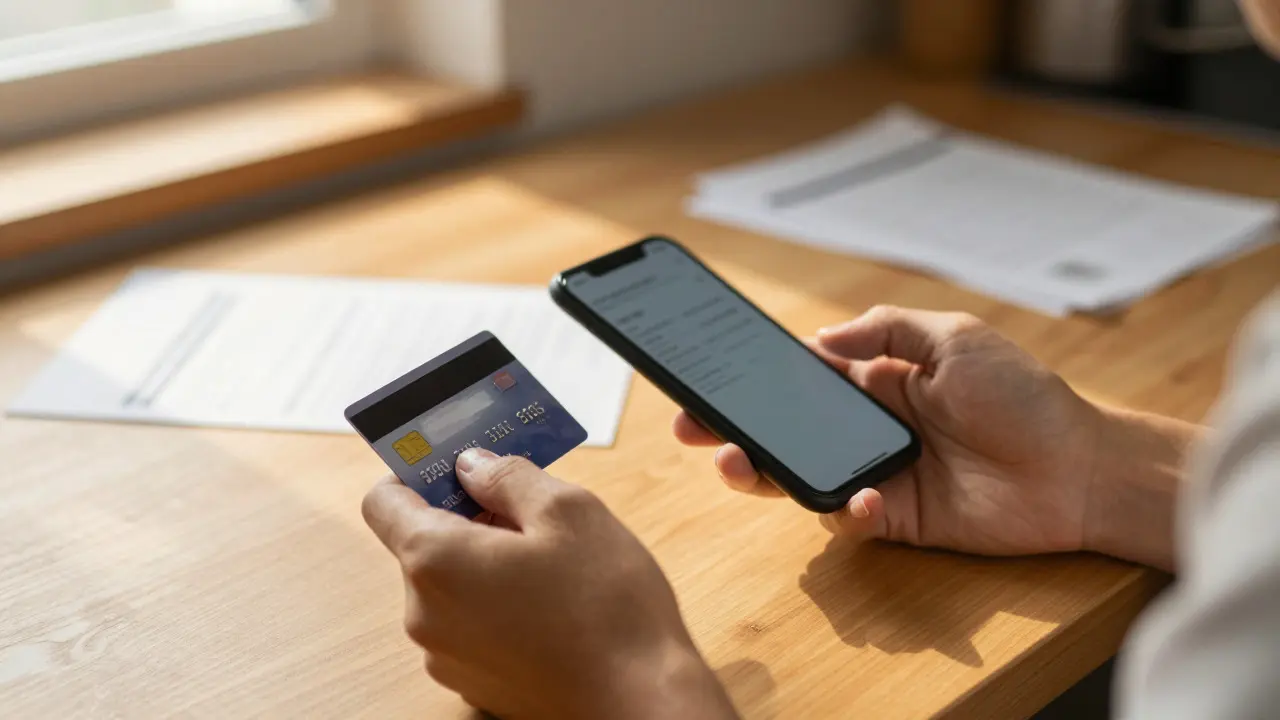
Imagine you’re sitting at your kitchen table, ready to send a $50 gift card to your brother in county jail. You type in his ID number, hit send, and three days later, he calls you on the facility phone saying, "Hey, where’s my money? I got nothing." It’s a nightmare scenario that happens more often than most families realize. The digital bridge between the outside world and correctional facilities is convenient, but it’s also a target for bad actors. Whether you’re using an Inmate Messaging App is a digital platform that allows family members to communicate with incarcerated individuals via text or voice, often integrated with commissary funding systems., or calling a third-party vendor to make a deposit, there are specific traps set for unwary users. This guide breaks down exactly how these scams work and gives you the concrete steps to protect your wallet and your relationship.
The Anatomy of a Correctional Communication Scam
To stop a scam, you first have to understand the mechanism. Most fraud in this space doesn’t involve hacking the prison database directly; instead, it exploits the human element. There are two main types of threats you face: external fraud (scammers pretending to be the system) and internal exploitation (third-party vendors charging excessive fees). External scams usually start with a cold call or an email. A "representative" from a major messaging provider might call you claiming your account has been suspended or that you owe a late fee. They don’t ask for your password; they ask for your credit card number and a one-time verification code. Once they have that, they drain your account. Internal exploitation is subtler. Some vendors charge a base fee per message plus a percentage of any deposit. If you aren’t reading the fine print, a $100 deposit could cost you $15 just in fees, leaving your loved one with less than expected.
Red Flags to Watch For in Third-Party Vendors
Not all messaging providers are created equal. While the big names like Securus or Global Tel-An are generally reliable, smaller regional vendors can be less transparent. Here is what to look for before you enter your payment info:
- Unclear Fee Structures: If the website doesn’t clearly state the cost per character or the minimum deposit fee before you sign up, walk away. Legitimate services disclose costs upfront.
- Pressure Tactics: Sales reps who rush you into signing up or claim you need to act within the next five minutes are usually trying to close a deal, not help you.
- Lack of Direct Facility Linkage: Always verify that the vendor is actually contracted by the specific facility your loved one is in. Check the facility’s official website or call the main switchboard to confirm which providers are authorized.
- Poor Customer Support Reviews: Search for recent reviews on consumer protection sites. If people complain about missing funds or unresponsive support, that’s a huge warning sign.
Protecting Your Financial Transactions
When you do decide to use a service, treat every transaction like you’re sending cash to a stranger. The goal is to create a paper trail that makes it hard for anyone to dispute the legitimacy of the transfer. First, always use a dedicated credit card for these transactions if possible. Credit cards offer better consumer protection than debit cards because if a scam occurs, you can dispute the charge without losing access to your checking account funds immediately. Second, keep screenshots of every confirmation screen. Save the receipt number, the date, the amount sent, and the name of the recipient. If your inmate says they didn’t get the money, you need proof that you sent it through an authorized channel. Finally, avoid round numbers if you can. Sending $49.99 instead of $50 makes it slightly harder for a scammer to guess your typical spending patterns if they ever gain access to your billing statements.
Verifying Identity Before You Send Money
One of the most common errors isn’t a tech glitch; it’s a simple typo. Inmate IDs are long strings of numbers, and it’s easy to mix up a '3' and an '8'. If you send money to the wrong person, getting it back is incredibly difficult. Many facilities require a manager’s approval to reverse a deposit, which can take weeks. To prevent this, double-check the ID number against the official intake paperwork or the facility’s online directory. Don’t rely on memory. If you’re using a mobile app, use the search function rather than typing the ID manually. Additionally, establish a verbal code word with your loved one. Before you send a large deposit, have them call you on the facility phone to confirm their current balance and that they expect the funds. This simple step catches typos and even prevents cases where someone else is using your relative’s identity to receive funds.
Navigating the Commissary System Safely
The commissary is where the real value lies, but it’s also where confusion breeds frustration. Different facilities have different rules about what can be purchased and how quickly deposits appear in the account. Some systems post funds instantly; others take 24 to 48 hours. Ask your loved one specifically when they last checked their balance. If they say it was empty yesterday and still empty today, wait another day before assuming fraud. Sometimes, technical glitches delay postings. However, if the delay exceeds three business days, contact the vendor’s customer support. Have your transaction receipt ready. When speaking to support, stay calm and factual. Emotions escalate situations, while data resolves them. Keep a log of every call, including the agent’s name and the time of the conversation. This log becomes crucial if you need to file a complaint with the Federal Trade Commission (FTC) or a state attorney general’s office.
| Practice | Risk Level | Reason |
|---|---|---|
| Using a dedicated credit card | Low | Better dispute options and separation from main funds |
| Sending via direct bank transfer to unknown accounts | High | No merchant protection, hard to trace |
| Verifying ID via facility directory | Low | Official source reduces typo errors |
| Trusting verbal instructions from unsolicited calls | High | Classic phishing tactic |
| Keeping digital receipts | Low | Provides proof of transaction for disputes |

What to Do When Something Goes Wrong
If you suspect fraud, act fast but don’t panic. Step one is to contact the vendor’s customer service department. Reference your transaction ID and explain the issue clearly. Ask for a case number. If they are unresponsive after 48 hours, contact your credit card issuer to place a temporary hold on the account. This prevents further unauthorized charges while you investigate. Simultaneously, check the facility’s official channels. Call the main line of the correctional facility and ask for the commissary manager. They can confirm if the funds were posted to the inmate’s account. If the funds are missing from both the vendor’s side and the facility’s side, you likely have a genuine error or fraud case. File a report with the FTC. Even if the amount is small, these reports help regulators track patterns across the industry. Remember, you are not alone in this. Thousands of families navigate this system daily, and most issues are resolved with persistence and documentation.
Building a Long-Term Strategy for Family Support
Avoiding scams isn’t just about reacting to problems; it’s about setting up a routine that minimizes risk over time. Create a designated folder on your computer or phone labeled "Inmate Communications." Store all receipts, contracts, and correspondence here. Review your bank statements monthly for any unfamiliar charges related to messaging services. Set a budget for deposits that you can afford to lose in the worst-case scenario. This mental framing helps you stay objective if a problem arises. Also, stay informed about policy changes. Facilities update their vendor contracts every few years. If the company handling your brother’s messages changes, read the new terms carefully. Fees may increase, or limits may change. By staying proactive, you turn a stressful process into a manageable part of supporting your loved one. The goal is peace of mind, knowing that your effort reaches them safely.
Are inmate messaging apps safe to use?
Yes, provided you use authorized vendors contracted by the specific facility. Major platforms use encryption similar to banking apps. The primary risk comes from user error or third-party fraud, not the technology itself.
How much does it typically cost to send a deposit?
Costs vary widely. Expect a base fee of $2 to $5 per transaction, plus potential processing fees. Some vendors charge per character for messages, which can add up quickly. Always check the rate card before sending.
What should I do if my inmate says they didn't receive the money?
First, verify the inmate ID number used in the transaction. Next, wait 24-48 hours for posting delays. If the issue persists, contact the vendor with your receipt and ask for a trace of the funds. Keep a record of all interactions.
Can I cancel a deposit once it's sent?
It depends on the vendor and timing. If caught within minutes, you might be able to reverse it. Once posted to the inmate's account, cancellation requires facility manager approval and can take weeks. Prevention is key.
Is it better to use credit or debit cards for these transactions?
Credit cards are generally safer. They offer a buffer between your actual funds and the transaction, and they provide stronger consumer protection rights under the Fair Credit Billing Act compared to debit cards.