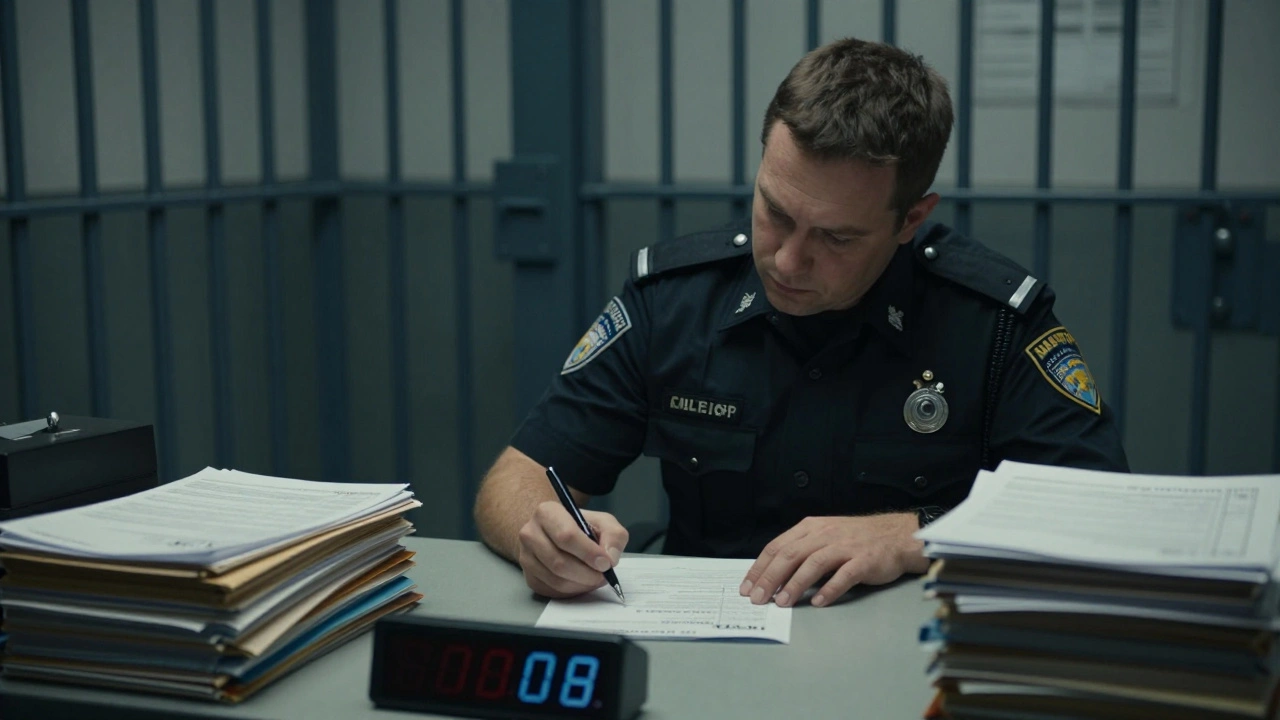
When a correctional officer files an incident report is a formal written record of a rule violation or safety event in a prison setting, the process doesn't stop at the paperwork. That document triggers a strict chain of events designed to maintain order, ensure due process, and determine punishment. For inmates, families, and legal advocates, understanding this timeline is critical because every delay or procedural error can change the outcome of a case.
In the U.S. federal system, governed by the Federal Bureau of Prisons (BOP), these steps are codified in regulations like 28 CFR §§ 541.5-541.8. While state systems vary slightly, the core lifecycle remains consistent: immediate documentation, investigation, preliminary review, potential hearing, and finally, appeal rights. Here is exactly what happens behind the scenes after that first report is filed.
The First 24 Hours: Documentation and Notification
The moment an incident occurs-whether it’s a fight, possession of contraband, or assault on staff-the reporting officer must complete Part 1 of a standardized form. This isn’t just a casual note; it’s a legal instrument. Under BOP Program Statement 5270.09, the officer must include the date, time, location, specific prohibited act code, and a factual narrative. This report goes to a supervisor for entry into SENTRY is the Federal Bureau of Prisons' electronic information system used for tracking inmate records and incidents, the agency’s central database.
Within 24 hours of the staff becoming aware of the misconduct, the incident report must be delivered to the inmate. The officer serving the report records the exact date and time of delivery. This step is crucial because it starts the clock for the inmate’s right to respond. If the inmate refuses to accept it, the refusal is noted, but the service is still considered valid.
- Immediate Action: Staff secure the scene and stabilize any medical or safety issues.
- Report Filing: The involved officer completes the narrative before leaving their shift.
- Service: The inmate receives a copy of the report within 24 hours.
The Investigation Phase: Independent Review
Once the report is filed, an Investigating Officer (IO) is appointed. Crucially, this person cannot be someone directly involved in the incident. Their job is to gather facts objectively. They have up to 24 hours after appointment to complete the investigation, unless there is "good cause" for delay, such as a pending criminal probe by the FBI.
During this phase, the IO interviews the charged inmate, witnesses, and reviews physical evidence like surveillance video. The inmate has the right to provide a statement, though they can also waive this right. If the IO finds insufficient evidence, they may recommend dropping the charge or resolving it informally through counseling. However, for serious offenses classified as "Greatest" or "High" severity, informal resolution is off the table.
If the incident involves potential criminal charges outside the prison walls, the administrative investigation pauses. The report is held until law enforcement releases it for internal processing. This ensures that the inmate’s Fifth Amendment rights aren’t compromised during a concurrent criminal investigation.
Unit Discipline Committee (UDC) Review
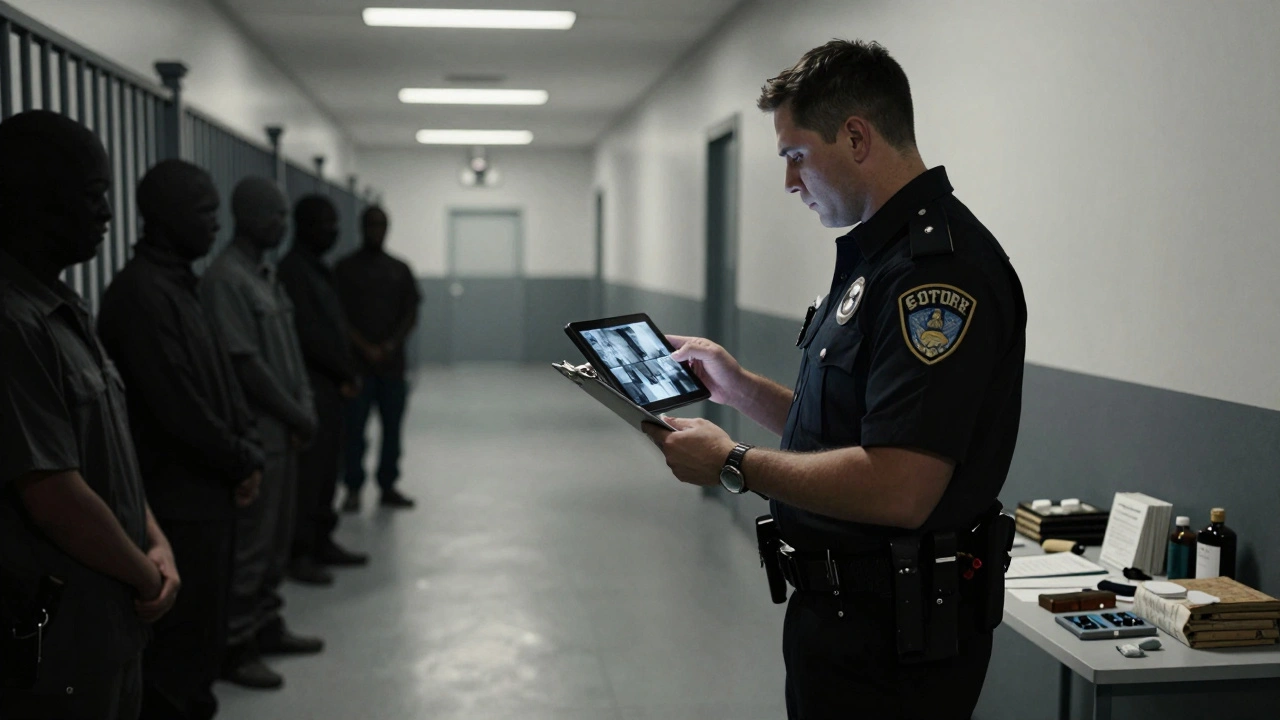
After the investigation concludes, the file moves to the Unit Discipline Committee (UDC). This body typically consists of two or more staff members who were not victims, witnesses, or investigators in the case. The UDC meets within five work days of the report issuance.
The UDC acts as a filter. They review the evidence and decide whether to:
- Find the inmate guilty and impose minor sanctions (like loss of phone privileges).
- Find the inmate not guilty and dismiss the case.
- Refer the case to a Discipline Hearing Officer (DHO) for a full hearing.
If the alleged offense is severe-such as assault, escape, or weapon possession-the UDC automatically refers the case to the DHO. Inmates have the right to appear before the UDC, either in person or electronically, to present their side. The committee must provide a written decision explaining their reasoning.
Discipline Hearing Officer (DHO) Proceedings
For serious infractions, the DHO hearing is the main event. This is a formal adjudication where the stakes are highest. The DHO is an independent official trained specifically in disciplinary procedures. Before the hearing, the inmate must receive written notice of the charges at least 24 hours in advance. They have the right to request a staff representative, call witnesses, and present documentary evidence.
The hearing resembles a court trial but with fewer protections. The DHO weighs the evidence from the incident report against the inmate’s testimony and witness statements. If found guilty, the DHO can impose significant penalties, including:
- Disciplinary Segregation: Up to 12 months for greatest severity offenses.
- Loss of Good Conduct Time: Reducing eligibility for early release by up to 100% of available credit for the year.
- Fines and Privilege Loss: Monetary penalties and suspension of commissary, visiting, or phone access.
The DHO usually issues a decision within 24 hours of the hearing, though written notices may take longer. These decisions are final at the institutional level but subject to appeal.
Appeals and Grievances: Fighting Back
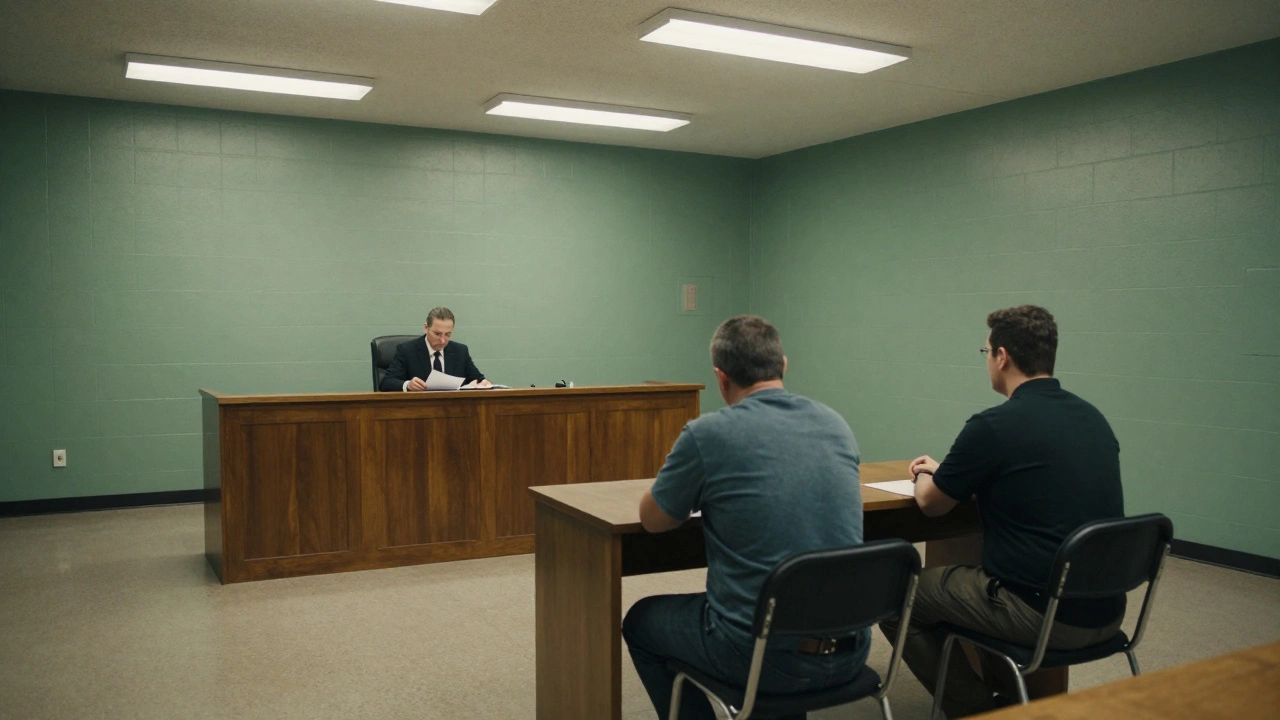
No one likes losing a hearing, so the system provides avenues for challenge. If the UDC imposes sanctions, the inmate can appeal through the Administrative Remedy Program (ARP), starting with a BP-9 form to the Warden within 20 calendar days. For DHO decisions, the appeal goes directly to the Regional Director via a BP-10 form, also within 20 days of receiving the written decision.
If the Regional Director denies the appeal, the inmate can file a final BP-11 appeal to the Central Office within 30 days. This multi-layered approach ensures that errors in fact-finding or procedural violations can be corrected. State systems often have similar structures, such as North Carolina’s Inmate Grievance Resolution Board, which oversees appeals for state prisoners.
| Stage | Key Actor | Timeline | Possible Outcomes |
|---|---|---|---|
| Investigation | Investigating Officer | Within 24-48 hours | Dropped, Informal Resolution, or Forwarded |
| UDC Review | Unit Discipline Committee | Within 5 work days | Minor Sanctions, Dismissal, or Referral to DHO |
| DHO Hearing | Discipline Hearing Officer | Days to weeks after referral | Segregation, Loss of Good Time, Fines |
| Appeal | Regional Director / Central Office | 20-30 days per stage | Upheld, Modified, or Reversed |
Long-Term Impact on Records
Even if a charge is dropped or resolved informally, the incident report often remains in the inmate’s permanent file. In Missouri, for example, while dismissed disciplinary reports might be shredded, the underlying incident report stays in administrative logs. These records influence security classifications, program eligibility, and parole recommendations. A pattern of incidents, even minor ones, can lead to higher security levels, making transfer to lower-security facilities or halfway houses more difficult.
For inmates facing criminal prosecution alongside disciplinary action, the incident report serves as key evidence for prosecutors. This dual-track system means that a single event can result in both prison sanctions and external legal consequences.
How long does it take for an inmate to receive an incident report?
Under federal regulations, the incident report should be delivered to the inmate within 24 hours of the staff becoming aware of the alleged misconduct. The officer serving the report must record the exact date and time of delivery.
Can an incident report be dropped after it is filed?
Yes. During the investigation phase, the Investigating Officer may recommend dropping the charge if there is insufficient evidence. Alternatively, the Unit Discipline Committee can dismiss the case after review. However, the original incident report may still remain in the inmate's administrative file depending on state or federal policy.
What are the consequences of a Greatest Severity Level offense?
Greatest Severity offenses, such as killing, serious assault, or escape, can result in disallowance of 41 to 100% of good conduct time for the year, up to 12 months in disciplinary segregation, and significant losses of privileges like phone and commissary access.
Who conducts the investigation after an incident report is filed?
An Investigating Officer (IO) is appointed within 24 hours of the report filing. This officer must be independent and not directly involved in the incident. They gather evidence, interview witnesses, and prepare a recommendation for the Unit Discipline Committee.
How many days do you have to appeal a disciplinary decision?
In the federal system, inmates generally have 20 calendar days from the date they receive the written decision to file an initial appeal (BP-9 or BP-10). If denied, further appeals (BP-11) must be filed within 30 days of receiving the denial.