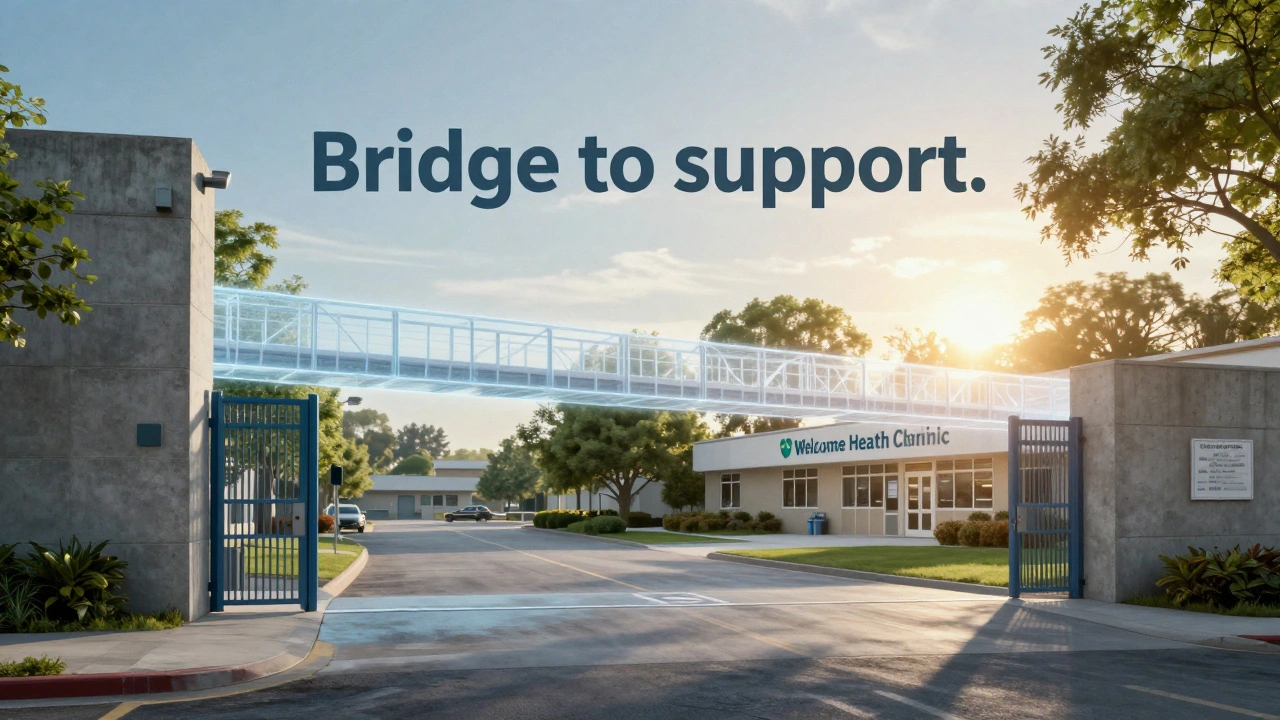
Prison cells have essentially become the largest mental health facilities in the country. With roughly 65% of incarcerated people struggling with a substance use disorder, the traditional "lock and key" approach isn't just failing-it's dangerous. The real crisis happens at the gate: when a person walks out of a correctional facility and back into the same environment that fueled their addiction, without a bridge to support. This is where substance use aftercare through community partnerships becomes a literal lifesaver.
The goal isn't just to "find a clinic" after release. It is about a coordinated care model where the prison and the community provider act as one team. When these two systems communicate, we see a massive drop in fatal overdoses and a real chance for people to stay out of the system. It turns a chaotic release into a structured transition.
The Blueprint for Coordinated Reentry
Effective partnerships don't start the day someone is released; they start during the intake process. A successful bridge requires a deliberate sharing of information between the correctional agency and the community-based provider. This ensures that when a person leaves, they aren't just handed a list of phone numbers, but have actual appointments scheduled and insurance active.
A core part of this process is the use of Medications for Opioid Use Disorder (MOUD) is a category of evidence-based medications, including methadone and buprenorphine, used to treat opioid addiction by reducing cravings and withdrawal. These medications are the gold standard for preventing overdose. In Rhode Island, providing universal access to MOUD during incarceration and linking it to community care led to a 60% reduction in mortality among recently released individuals. That means for every 10 people connected to this care, one death was prevented.
| Intervention | Primary Goal | Impact/Metric |
|---|---|---|
| MOUD Linkage | Overdose Prevention | Up to 50% reduction in overdose risk |
| Peer Support | Emotional/Social Stability | Higher rates of housing and employment |
| Medicaid Pre-enrollment | Financial Access to Care | Removes gap in treatment coverage |
| Supportive Housing | Environmental Stability | Reduced recidivism and homelessness |
Bridging the Healthcare Gap
One of the biggest hurdles in aftercare is the "insurance gap." Many people leave prison without a dime and no health coverage, meaning they can't afford the very medications keeping them alive. To fix this, community providers and prison staff now work to accelerate the Medicaid is a joint federal and state program that helps with medical costs for some people with limited income enrollment process before the release date. Some states use the Medicaid 1115 waiver to speed up this process, ensuring that a person's first appointment is covered from day one.
Beyond the paperwork, a warm hand-off is essential. This involves more than a referral; it means arranging telehealth or in-person meetings between the incarcerated person and their future community provider while they are still inside. By the time they walk out the door, the relationship is already established, which significantly lowers the anxiety and friction of starting treatment.

The Power of Lived Experience
Clinical treatment is vital, but it isn't enough on its own. This is why Peer Recovery Specialists are individuals with lived experience in recovery who are trained to support others navigating the path to wellness have become essential. These specialists bridge the trust gap. A person who has been incarcerated and struggled with addiction is more likely to listen to someone who has walked in their shoes than a caseworker in a suit.
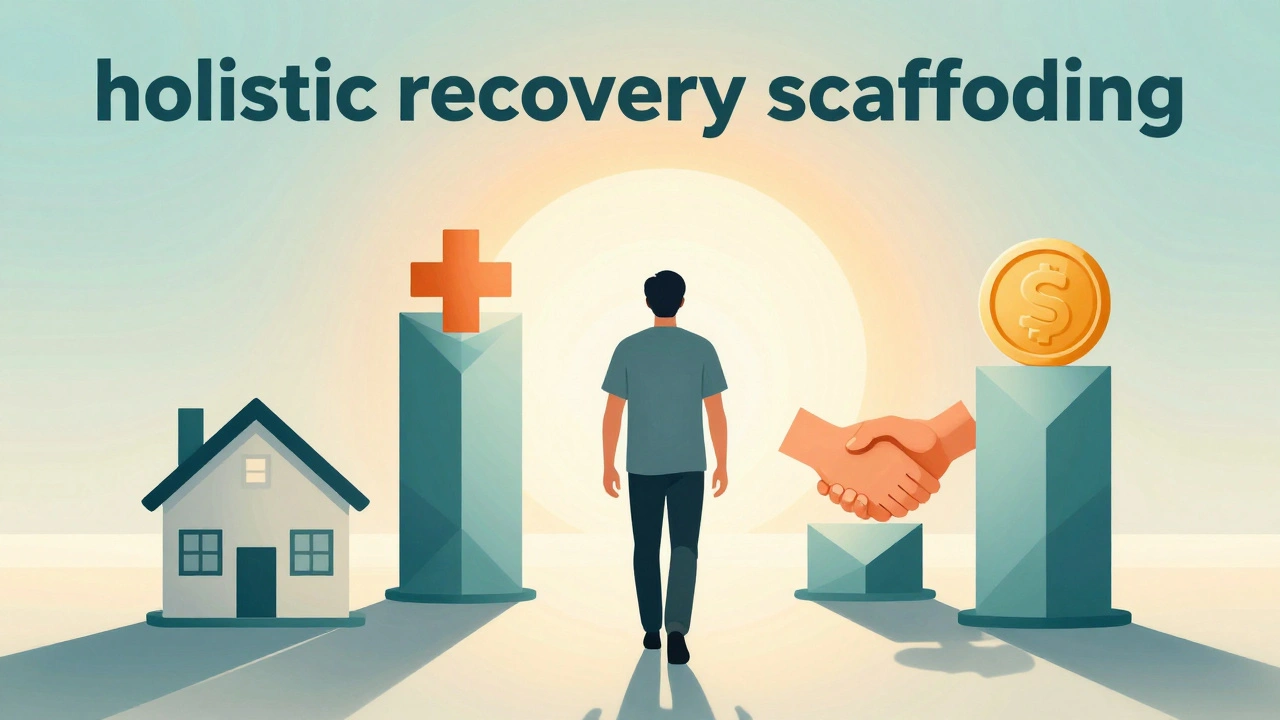
Peer support helps with the practical, messy parts of reentry: finding a safe place to sleep, navigating a bus route to a clinic, or dealing with the stigma of a criminal record. When peer-led mutual aid and recovery housing are combined with clinical care, the chances of long-term recovery skyrocket. It provides the social scaffolding that prevents a relapse when the initial excitement of freedom wears off and the reality of life sets in.
Integrating Human Services and Stability
You cannot treat a substance use disorder if a person is sleeping on a sidewalk. True aftercare recognizes that health is tied to housing and income. High-functioning partnerships often include "Permanent Supportive Housing," which provides a stable environment for those at the highest risk of overdose or re-arrest.
Some innovative models have even introduced temporary guaranteed income. Providing a small, consistent financial cushion for a few months after release reduces the desperation that often leads back to illegal activity or drug use. It gives the individual the breathing room needed to focus on their recovery and long-term employment goals rather than just surviving the next 24 hours.
Operational Models That Work
We see these theories in action across the country. In Orange County, California, a coordinated reentry program has reduced rearrests by more than 50% for those with mild-to-moderate behavioral health disorders. They achieve this through intensive case management and direct collaboration between county corrections and health authorities.
In Maine, the Community Health Center System (CHCS) uses the Certified Community Behavioral Health Clinic (CCBHC is a clinic model that provides a comprehensive suite of behavioral health services, including crisis intervention and integrated care model. By contracting directly with county jails to provide in-house assessments, they ensure that the transition to community care is seamless. They don't wait for the person to find the clinic; the clinic is already part of the person's journey before they leave the facility.
Similarly, some facilities implement prison-based Therapeutic Communities (TC), which are highly structured residential programs within prisons that use a peer-led, community-based approach to treat substance abuse . The key to their success is the aftercare component. In California, graduates can receive up to six months of funded community treatment. Crucially, this is voluntary; failing to enter treatment isn't treated as a parole violation. This shifts the focus from punishment to genuine health improvement.
Why is it critical to start aftercare planning during incarceration?
The first few days after release are the highest-risk period for overdose and recidivism. By enrolling people in Medicaid and scheduling appointments before they leave, providers eliminate the bureaucratic hurdles that often lead people to drop out of treatment or return to drug use out of desperation.
What role does Naloxone play in this partnership?
Equipping every person leaving a facility with Naloxone (an overdose-reversal medication) is a standard best practice. Since the risk of overdose is so high upon reentry, providing the tool and the training to use it is a critical harm-reduction step that saves lives while the person connects with long-term treatment.
Does MOUD replace the need for therapy?
No. While medications like buprenorphine are incredibly effective at managing the physical side of addiction, experts recommend a "wrap-around" approach. This means combining MOUD with psychotherapy and peer support to address the underlying trauma and social issues that drive substance use.
How does guaranteed income help with substance use recovery?
Financial instability is a major trigger for relapse. Temporary guaranteed income reduces the stress of poverty, lowers the risk of returning to crime for money, and allows individuals to focus on their health and job searches, creating a more stable foundation for recovery.
What happens if a person fails to follow their aftercare plan?
In the most successful models, such as the California TC initiative, aftercare is voluntary. If a person doesn't enter treatment, it is treated as a health setback rather than a parole violation. This encourages honest communication and prevents people from avoiding treatment out of fear of being re-incarcerated.
Next Steps and Troubleshooting
For community providers looking to start these partnerships, the first step is identifying the "point of contact" within the correctional facility's health services department. Start by offering a simple service-like pre-release screenings-to build trust with the administration.
If you encounter resistance from correctional staff, focus on the data: show them how coordinated care reduces the "revolving door" of recidivism. When prisons see that people aren't coming back every six months, they are more likely to open their doors to community partners. For those in leadership roles, prioritizing the Medicaid 1115 waiver can be the fastest way to remove the financial barriers that stop aftercare from working.