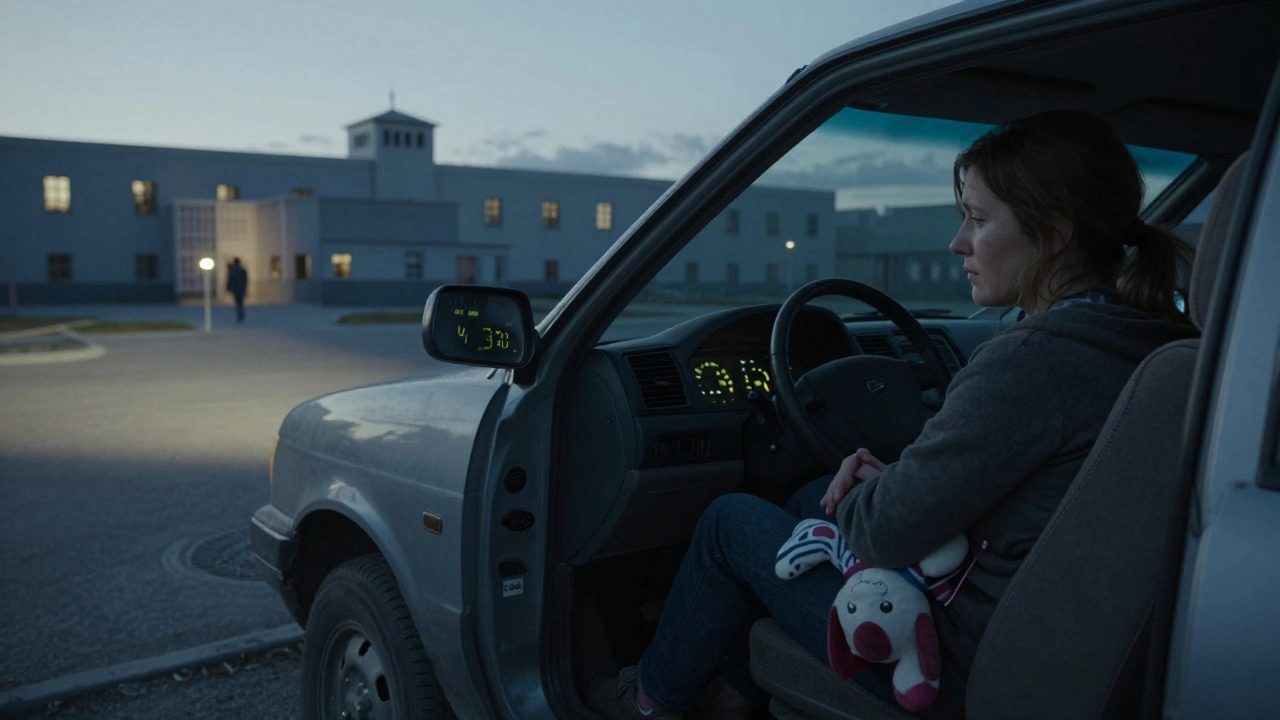
When your loved one is locked up hundreds of miles away, visiting isn’t just a trip-it’s a mission. You might spend hours on a bus, save for weeks just to afford the gas, and still show up only to find the visit canceled because of a lockdown. This isn’t rare. It’s the daily reality for thousands of families across the U.S. who are trying to stay connected to someone behind bars. And the cost? It’s not just money. It’s time, stress, and emotional energy that most people never talk about.
Why Distance Matters More Than You Think
Research shows that when families live more than 100 miles from a prison, visitation drops by nearly half. That’s not just a number-it means a child might go months without hugging their parent. A spouse might lose the chance to talk about everyday things: what the kids did at school, how the garden grew, or even just what they ate for dinner. These small moments matter. They keep people connected to life outside, and studies prove they help reduce the chance someone will go back to prison after release. The problem isn’t just geography. It’s policy. In some states, you get one visit a week, and it’s only two hours long. In others, like New York, you can stay overnight every other month and visit for up to six hours. That kind of difference changes everything. A family from Oregon might drive eight hours just to spend one hour in a visiting room, only to be told they can’t bring the kids’ favorite stuffed animal because of a rule they didn’t know about.Transportation: The Hidden Toll
Most prisons are in rural areas, far from public transit. That means if you don’t own a car, you’re stuck. Buses don’t run on weekends. Trains don’t stop near correctional facilities. Some families rely on ride shares, but those can cost $200 or more one way. And if the visit gets canceled? You lose all of it. Some places are starting to fix this. In Minnesota, community centers and libraries now offer free video visitation stations with Wi-Fi and tech help. In California, jails must offer the first hour of video calls for free. But these are exceptions. Most families still have to figure it out on their own. Here’s what works for some:- Coordinate with other families to carpool. One person drives, others chip in for gas.
- Check if your local nonprofit offers travel grants. Groups like Prison Fellowship and Amistad Law Project sometimes help with transportation costs.
- Use state correctional websites to see if they list nearby bus stops or shuttle services. Oregon’s DOC website, for example, includes a map of the closest public transit stops to each facility.
Costs You Can’t Ignore
A single visit can cost $300 or more when you add up gas, food, lodging, parking, and even the cost of new clothes (some prisons ban jeans or hoodies). If you have kids, you’re probably buying snacks, toys, or small gifts they’re allowed to bring. And don’t forget the phone calls you’re still paying for-video visits aren’t always free, and phone rates can be outrageous. Some states are stepping in. New York’s proximity law, passed in 2022, lets incarcerated parents request to be moved closer to their children. The family or caseworker just has to sign a form confirming the relationship. That one policy has already cut travel time for hundreds of families. But in most places, you’re on your own. Budgeting is key. Keep a log: track every dollar spent on visits. That way, you can see patterns. Maybe you’re driving every other weekend because you think it’s the only option-but what if a monthly visit with a longer stay is better? Sometimes, fewer trips with more time are cheaper and less draining.
Planning Like a Pro
You can’t wing this. Planning is everything. Start with the prison’s official website. Every state’s Department of Corrections has a visiting section. Look for:- Visit hours and days (some only allow weekends)
- Dress code (no low-cut shirts, no hats, no jewelry-rules vary wildly)
- Allowed items (books? photos? diapers? candy?)
- Registration process (do you need to apply weeks ahead?)
- Cancellation policy (do they call or email if a visit is called off?)
Video Visits: A Lifeline, Not a Replacement
Video calls aren’t the same as being there. You can’t smell their hair. You can’t hold their hand. But for families who can’t afford the trip, they’re better than nothing. The best systems let you do video visits from home, using your own device. Some places even loan out tablets or Wi-Fi hotspots. Look for facilities that partner with local libraries or churches to offer quiet, private video rooms. If the staff there can help you set it up, that’s a huge win. But beware: some prisons use video visits to cut costs and eliminate in-person contact altogether. That’s not helpful. Video should be an option-not the only option.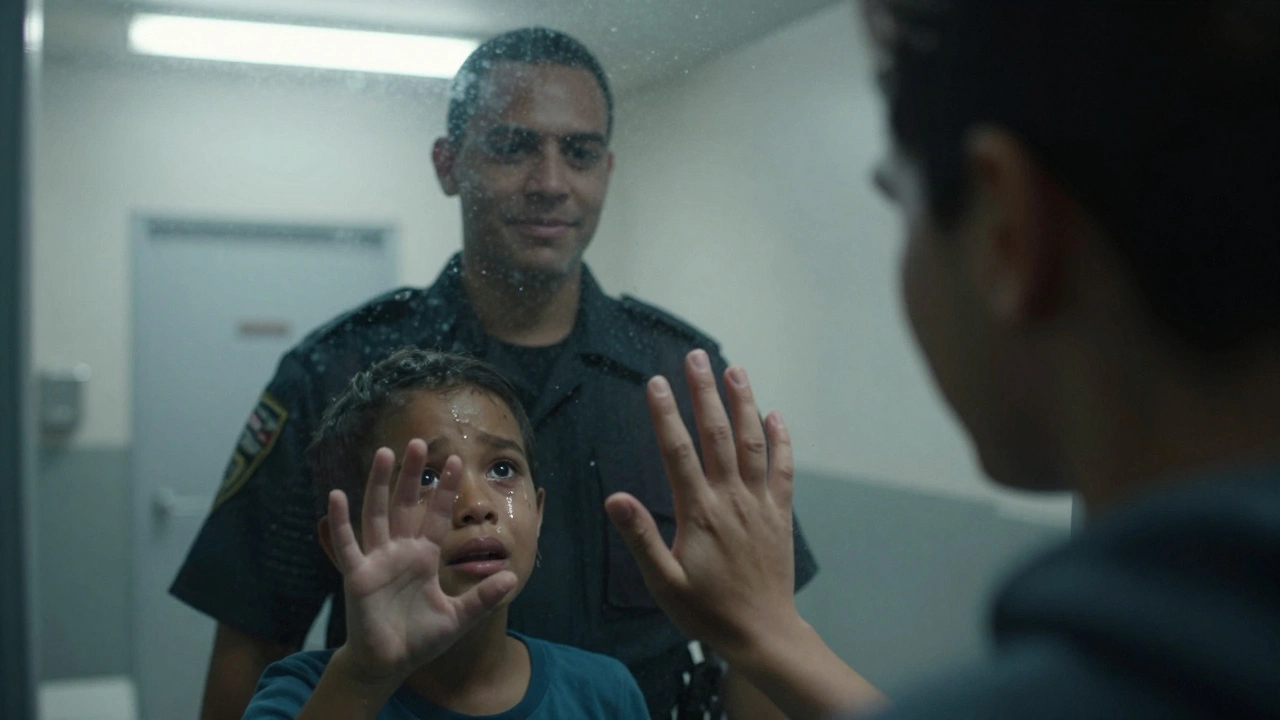
What No One Tells You
You’ll probably feel ashamed. You’ll get judged. Maybe even by other family members. People say things like, “Why do you even go?” or “They made their choices.” But you’re not going because you think they’re innocent. You’re going because you love them. Because you know that connection saves lives. You might also face humiliation. Strip searches. Body scanners. Being treated like a threat because you’re visiting someone who’s incarcerated. That’s not normal. It’s cruel. And it’s designed to make families give up. The good news? You’re not alone. There are support groups-some online, some local-that help families navigate this. They share tips on how to deal with guards, how to file complaints, how to find free legal help if visitation rights are violated.What’s Changing-And What’s Not
Some places are getting better. FAST-PASS systems now let visitors check in in under 10 seconds. More prisons are training staff on trauma-informed care, so officers don’t snap at kids or treat visitors like criminals. Some states now require prisons to list visitation rules in plain language on their websites. But progress is uneven. In North Carolina, you’re limited to one two-hour visit a week. In Utah, no more than two hours per day. In Oregon, you can only visit once a day, and only on weekends. If you live in one of these places, you’re fighting an uphill battle. The real solution? Policy change. Proximity laws. Free or low-cost video access. Better transportation links. More visitation time. And treating families not as a burden, but as part of the healing process. Until then, you do what you can. You plan. You save. You drive. You call. You show up. And you keep showing up-even when it feels impossible.Can I get financial help to visit someone in prison?
Yes. Some nonprofits, like Prison Fellowship and the Amistad Law Project, offer travel grants or gas vouchers for families traveling long distances. State corrections departments sometimes have visitor assistance programs-call their visiting office and ask. Local churches and community centers may also have funds set aside for this. Don’t assume it’s not available-ask.
What should I bring to a prison visit?
Always check the facility’s website first. Most allow a photo ID, cash (for vending machines), and sometimes one book or a small photo. Children can usually bring one stuffed animal or toy. No bags, no electronics, no jewelry. Dress plainly-no hoodies, no shorts, no revealing clothing. Bring snacks if allowed, but know that some prisons don’t let you give food to the inmate.
Why are prison visits canceled so often?
Visits are canceled for security reasons, lockdowns, staffing shortages, or if an inmate is placed on restriction. Some facilities don’t notify visitors ahead of time, which is why calling the day before is critical. If cancellations happen often, ask if the facility has an automated notification system-email, text, or phone call. If not, request one. You have the right to be informed.
Can I visit if I have a criminal record?
It depends. Some prisons allow visitors with non-violent offenses if they’ve completed their sentence and aren’t on probation. Others ban anyone with a record. Check the facility’s policy. If you’re denied, ask for a written explanation and how to appeal. Some states have visitor appeal processes.
How do I handle a child’s emotional reaction after a visit?
Children often feel confused, angry, or guilty after visiting a parent in prison. Talk to them honestly-use age-appropriate language. Let them know it’s okay to feel sad or mad. Connect with a counselor who specializes in incarceration-related trauma. Many nonprofits offer free child support groups. Don’t try to handle it alone.