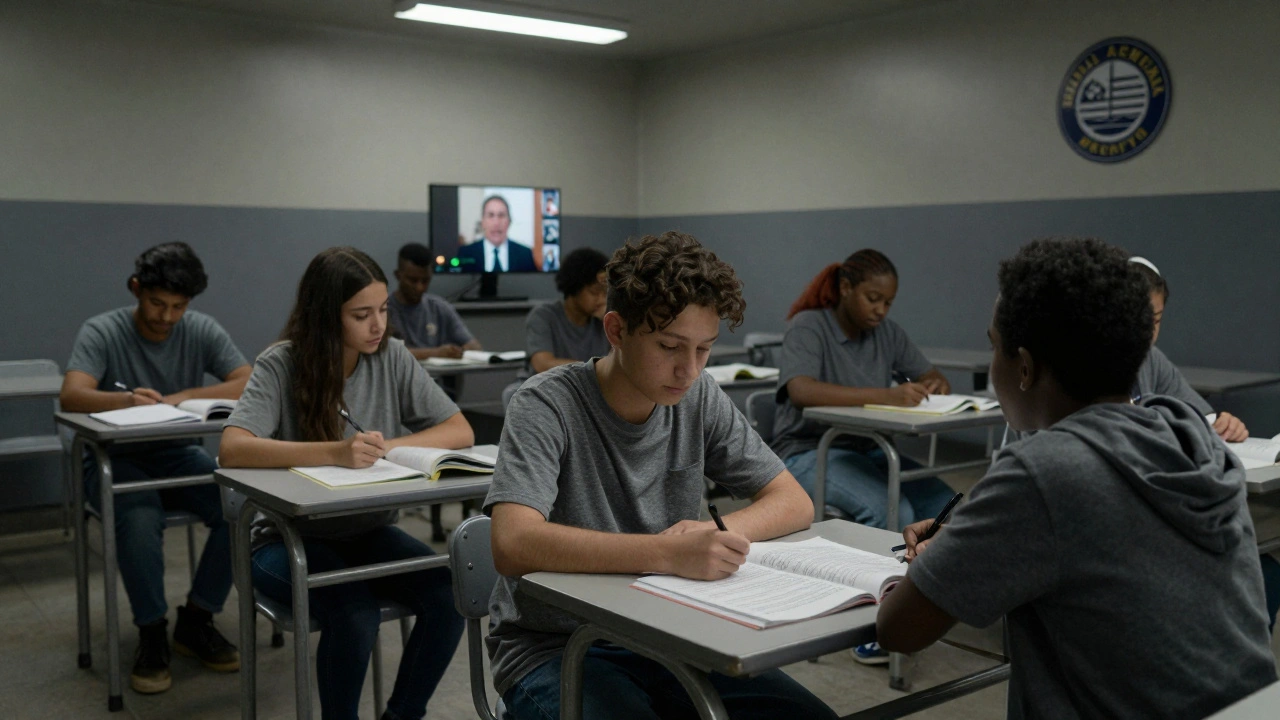
When someone is incarcerated, education isn’t just about passing time-it’s about rebuilding a future. Credit-bearing courses in prisons are no longer a luxury or a charitable gesture. They’re a proven path out of recidivism, backed by data, policy changes, and real-world results. Since December 2022, when Pell Grant eligibility was restored for incarcerated individuals, thousands more have gained access to college courses that count toward real degrees. But with this expansion comes a critical question: How do we make sure these programs are actually good?
What Makes a Course Count?
Not every class inside a prison counts as college credit. To qualify, the course must be offered by a regionally accredited institution-like Pima Community College, Bard College, or CUNY-and it must meet the same academic standards as courses taught on campus. That means syllabi are reviewed, assignments are graded by accredited faculty, and student work is assessed using the same rubrics as outside. A certificate from a private organization like PROPTA might look impressive, but unless it’s tied to an accredited college, it won’t transfer to a university or help someone qualify for a job that requires a degree.Accreditation isn’t just paperwork. It’s the guarantee that what you learn inside prison is recognized outside. The Higher Learning Commission (HLC) and other regional accreditors now have a guidebook, developed with the Vera Institute of Justice, specifically for evaluating prison programs. It doesn’t lower standards-it adapts them. For example, a site visit to a prison might happen over video or through secure mail instead of in person. Faculty might teach remotely or be housed in secure wings. But the learning outcomes? They’re identical.
Why Pell Grants Changed Everything
Before 2023, the federal ban on Pell Grants for incarcerated people meant most prison education programs relied on private donations or small state budgets. The Second Chance Pell Experiment ran from 2015 to 2021 and proved something simple: when people in prison can afford college, they finish it. Graduation rates in SCP programs were higher than many public colleges. Students didn’t just earn credits-they earned confidence, discipline, and purpose.Now, with Pell restored, colleges are rushing to expand. In Arizona, Pima Community College offers certificates in electrical, plumbing, and HVAC-fields with real demand. In Texas, Amarillo College expanded access to nearly all 130,000 incarcerated individuals, regardless of how long they have left to serve. This isn’t just about fairness. It’s about economics. According to Jobs for the Future, earning an associate’s degree increases post-release earnings by up to 45%. That’s not a guess. That’s data from 18 states tracking outcomes.
CTE: The Real Game-Changer
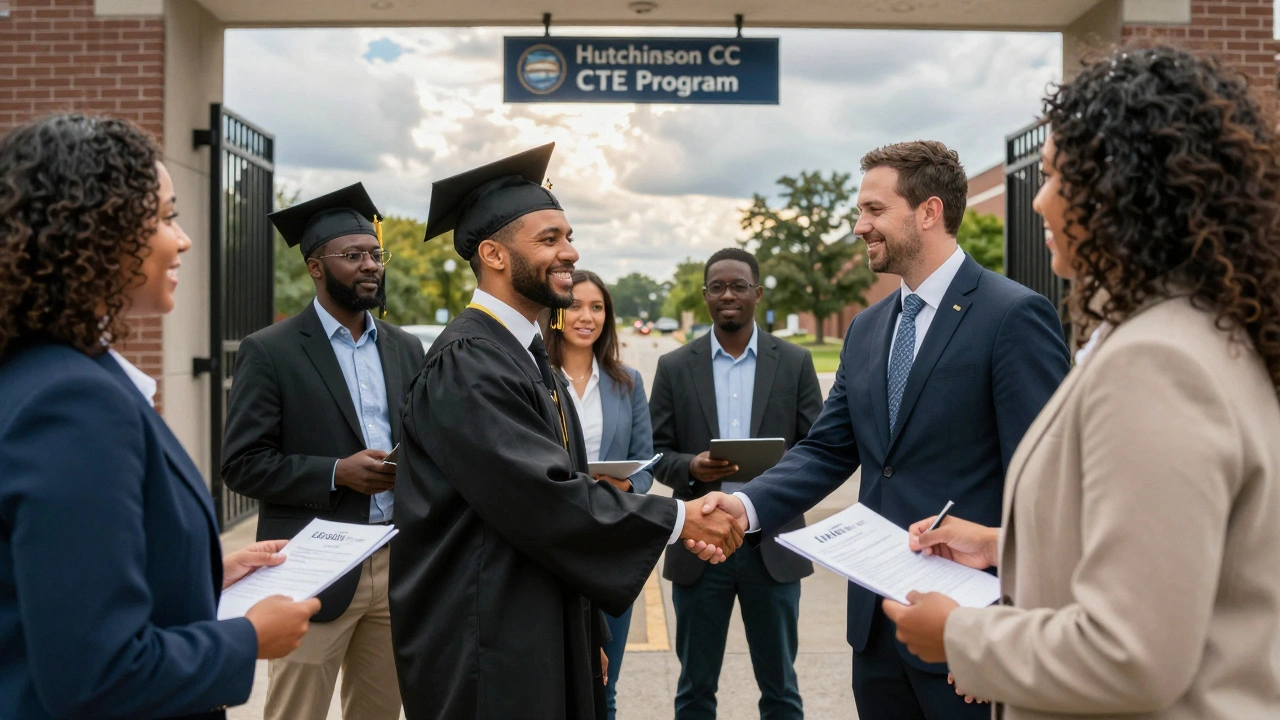
Liberal arts matter. But for many people leaving prison, a degree in sociology won’t pay the rent. Career and Technical Education (CTE) is where the real transformation happens. Programs in welding, carpentry, computer repair, and nursing assistant training don’t just teach skills-they connect students to employers. At Hutchinson Community College in Kansas, local contractors come in to watch students build structures behind bars. They see the work ethic. They see the focus. And they hire.CTE credentials don’t take years. A six-month certificate in masonry or HVAC can lead to a job with benefits. And because these programs are often tied to industry certifications-like NCCER or OSHA-they’re portable. A person can start in prison, finish the certification, and walk into a job on day one of release. Studies show CTE reduces recidivism by 16%. That’s not because it’s easy. It’s because it’s practical.

Quality Isn’t Just About Curriculum
You can have the best syllabus in the world, but if students don’t have textbooks, access to tutors, or consistent class schedules, the program fails. That’s why accreditation now looks beyond grades. It checks:- Are books and materials provided? (No more relying on donations)
- Do instructors have office hours-even if they’re through locked doors?
- Is there a pathway after release? (Transfers to community colleges? Counseling?)
- Are assessments fair? (Can someone take a final exam if the prison goes on lockdown?)
At Pima, students who complete their certificates can transition directly to Pima’s main campus or online programs. That’s not an accident. It’s planned. Colleges that succeed in prison don’t just teach-they build bridges.
Who’s Leading the Way?
Some programs stand out because they’re built differently:- Bard Prison Initiative (NY): Offers full bachelor’s degrees with the same faculty, rigor, and grading as Bard’s main campus. Graduates have gone on to law school and PhD programs.
- CUNY: Professors teach sociology, math, and English in multiple New York prisons. Their courses are fully accredited and transferable.
- Arizona Western College: Worked with the state and HLC to design stackable credentials-start with a short certificate, then move to an associate’s, all within the same prison system.
- Project Rebound (Cal Poly Pomona): Helps formerly incarcerated students not just enroll, but graduate. They provide housing support, mentors, and academic advising.
These aren’t outliers. They’re models. And they’re all held to the same accreditation standards as any other college.
The Misconception About Certifications
Some organizations, like PROPTA, offer certifications in personal training or nutrition inside prisons. They claim to be “approved” and don’t need traditional accreditation. But here’s the catch: their certificates won’t help someone get a job at a gym that requires a nationally recognized credential. They won’t transfer to a community college. And they won’t qualify for federal financial aid later.Accreditation isn’t about bureaucracy. It’s about credibility. A degree from Bard College opens doors. A certificate from an unaccredited private agency? Not so much. That’s why the Vera Institute’s guidebook stresses: quality must be equivalent to flagship campuses. No shortcuts. No exceptions.
What’s Next?
The expansion of credit-bearing courses is just beginning. More states are passing laws to fund prison education. More employers are partnering with colleges to hire graduates. More students are choosing to earn degrees while they serve.But the real test isn’t how many enroll. It’s how many graduate. And how many stay employed five years after release. That’s the metric that matters. And it’s why accreditation isn’t optional-it’s the backbone of the whole system.
Can incarcerated students use Pell Grants for any course?
No. Pell Grants can only be used for courses offered by institutions that are regionally accredited and approved by the U.S. Department of Education. This means the course must be part of a degree program-like an associate’s or bachelor’s-and taught by faculty who meet accreditation standards. Non-accredited certificates or private training programs, even if they’re offered inside prison, are not eligible.
Do prison courses have the same academic rigor as regular college courses?
Yes. Accrediting bodies like the Higher Learning Commission require that courses in prison meet the same learning outcomes, grading standards, and faculty qualifications as those on campus. Faculty must hold the same credentials. Assignments must be equivalent. Exams are proctored and reviewed the same way. The only difference is the setting-not the standards.
Can credits earned in prison transfer to other colleges?
Yes-if they’re from an accredited institution. Credits from Pima Community College, Bard College, or CUNY can transfer to other regionally accredited colleges, just like credits earned on campus. However, transfer policies vary by school. Students should always request an official transcript and check with the receiving institution before enrolling.
Why do some prison programs offer non-accredited certificates?
Some organizations offer non-accredited certificates because they operate outside the traditional college system. They may be faster, cheaper, or easier to set up. But these certificates have limited value. They won’t help with federal aid, job applications that require degrees, or further education. Accredited degrees are the only path that leads to long-term opportunity.
What role do employers play in prison education programs?
Employers are critical partners. Colleges like Hutchinson Community College invite local businesses to observe student projects-like building structures or wiring systems-inside prison. This builds trust. Employers see the skills firsthand. Many then hire graduates directly. In fact, the most successful CTE programs are designed with input from employers, ensuring students learn what’s actually needed on the job.