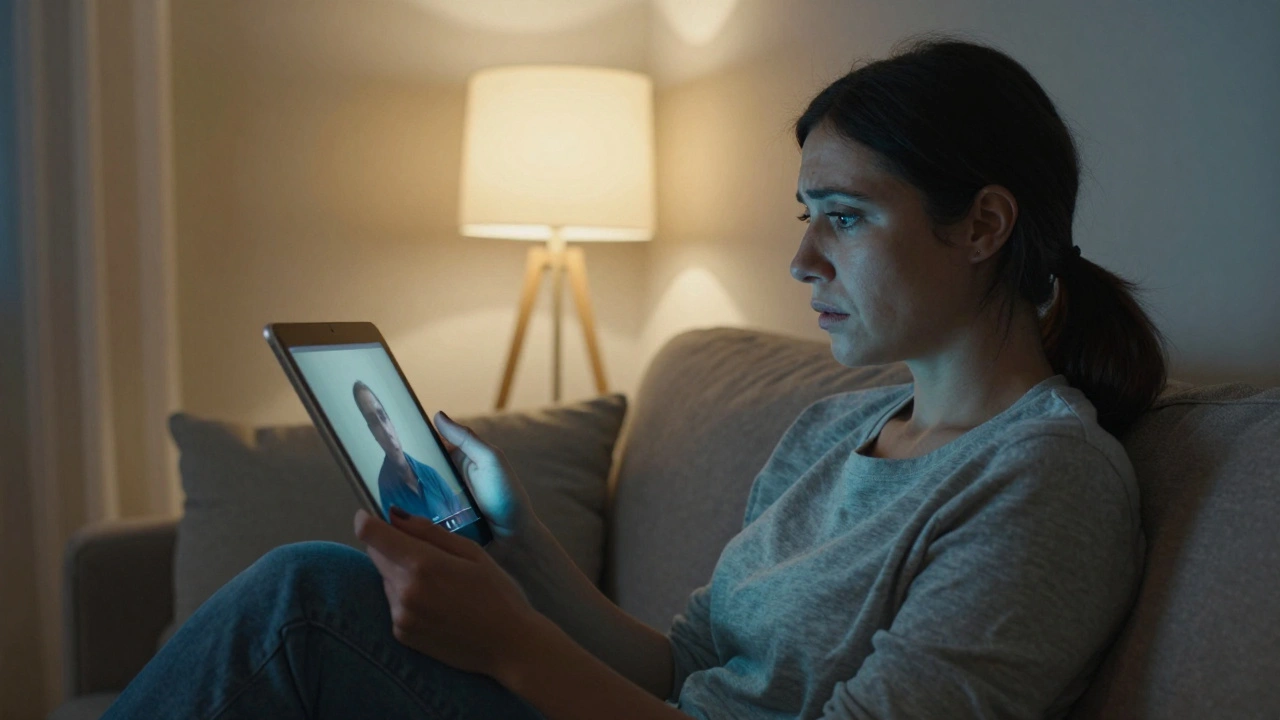
Visiting a loved one in a county jail isn’t what it used to be. The old model involved sitting in a lobby, shouting through glass, and worrying about traffic. Today, most facilities rely on remote video visitationa modern communication infrastructure allowing incarcerated individuals to connect with approved visitors through internet-based video technology. You might wonder why your local sheriff’s office switched systems. The answer usually comes down to security, capacity management, and cost recovery. For families, understanding the new rules means avoiding unnecessary stress during stressful times.
Navigating Service Providers and Platforms
You won’t find a single app for every jail. The vendor managing the system depends entirely on which county holds the facility. Major players include ConnectNetwork, accessible through GTL websites, SmartInmate.com, SECURUS Technologies, and ICSolutions. These companies manage the technology and scheduling platforms behind the scenes. If you try to log into the wrong portal, you’ll waste time creating an account for a system you don’t even need.
To get started, verify whether the inmate’s specific facility offers video visitation. ConnectNetwork directs users to check availability before registering themselves and participating visitors. Wisconsin’s Department of Health Services notes that visitors must be placed on a resident’s approved list through a questionnaire generated by the resident. You cannot simply request a visit; the person inside the jail initiates the approval process first.
Account Registration and Approval Timelines
Once you have confirmation that video visitation is available, you need to set up an account. This isn’t instant access. According to documentation used by multiple facilities via SECURUS, visitor accounts may take up to 48 hours for approval after initial registration. This waiting period exists for background checks and identity verification. SmartInmate.com requires visitors to log into their registered accounts and select "Visitation" from the services menu before scheduling visits.
Think of this step like a credit application. You provide personal details, photos, and relationship proof. If you rush this step, the visit gets blocked later. All visitors under 18 years old face stricter scrutiny. Mandates require consent from a non-incarcerated parent or legal guardian prior to visiting, with documentation required on specific forms. Minors must generally be accompanied by an adult on the approved list unless the minor is the legal spouse of the inmate.
| Requirement | Standard Practice | Time Needed |
|---|---|---|
| Background Check | Mandatory for all visitors | 24-48 hours |
| Inmate Approval | Resident must generate request | Varies by facility |
| Photo Upload | Current photo required | Immediate upload |
| Minor Consent | Guardian signature needed | Additional 24 hours |
Understanding Fee Structures and Costs
This is where many people get surprised. There is a misconception that digital calls are free. While some jurisdictions offer incentives, most remote video sessions cost money. Fee structures vary significantly by facility and visit type. According to Broward Sheriff’s Office regulations, visits conducted at the Video Visitation Center on-site are provided free of charge for up to one hour duration. However, remote visits from home cost roughly $5.00 USD for a 30-minute visit that ends automatically at the conclusion of the time limit.
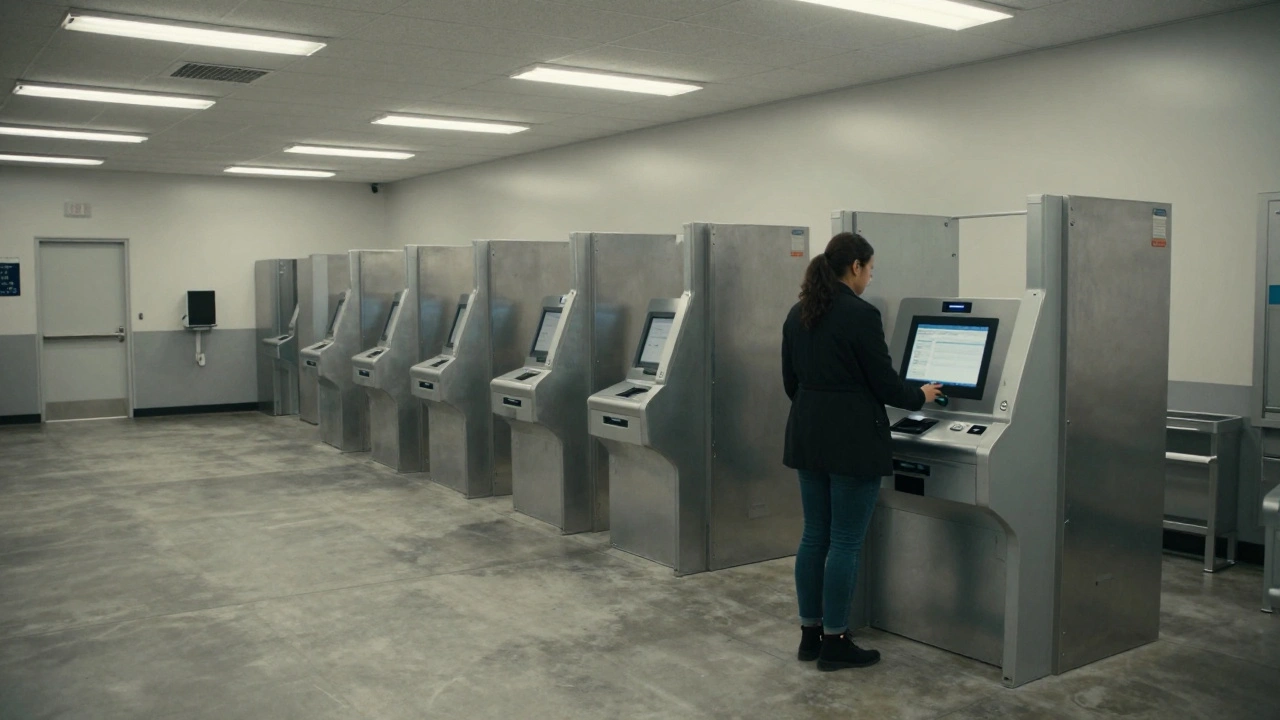
If you are using SmartInmate.com, local on-site visits using facility lobby kiosks are often provided at no charge. Remote visits from home require prepaid account funds. The cost per minute varies by facility location. You need to check the specific jail’s fee schedule online. Illinois Department of Corrections indicates video visits are available but directs users to the vendor website for refund policy information. Never assume you can stop the visit early to save money. The timer starts immediately upon connection.
Funding your account is usually done through prepaid cards or direct billing. Some systems allow monthly credits, but others function like phone cards. If your account runs dry mid-visit, the call cuts off abruptly. Most providers send notifications before expiration, but do not rely on them. Keep a buffer of funds in your digital wallet.
Scheduling Windows and Frequency Limits
Flexibility is limited in the correctional environment. Scheduling requirements establish rigid parameters for access. Regulations effective for detention facilities state that video visitation appointments are available through prescheduling only. You can typically schedule, modify, or cancel visits no less than one day to no more than seven days in advance. This is completed either at visitation center kiosks or online through the provider portal.
The Illinois Department of Corrections mandates that all video visits must be scheduled at least 7 days in advance, with the ability to schedule up to 30 days ahead. Visitors may only schedule one video visit per day. Waupaca County Jail operates under a "visiting week" running Sunday through Thursday. All inmates receive two visits per visiting week. Missing a window due to work or travel means waiting another week. Plan around school schedules and work shifts carefully.
Technical Setup and Device Requirements
Your hardware matters. SmartInmate.com specifies that for remote visits from home, users will use a computer laptop or compatible mobile device. Recommendations favor Google Chrome, Microsoft Edge, or Apple Safari for optimal performance. You also need a strong and reliable internet connection on mobile devices to prevent visit disruption. A poor Wi-Fi signal leads to frozen screens and dropped calls, wasting your paid time.
The system provides two-way, real-time video communication allowing visitors to speak to loved ones directly in their housing location within the jail. After beginning a visit, the system waits until the inmate is also logged into their kiosk. Once they appear on your screen, the timer starts. The visit will end automatically when time runs out. You cannot pause the timer to talk to your child or adjust your camera.
Monitoring, Conduct, and Security
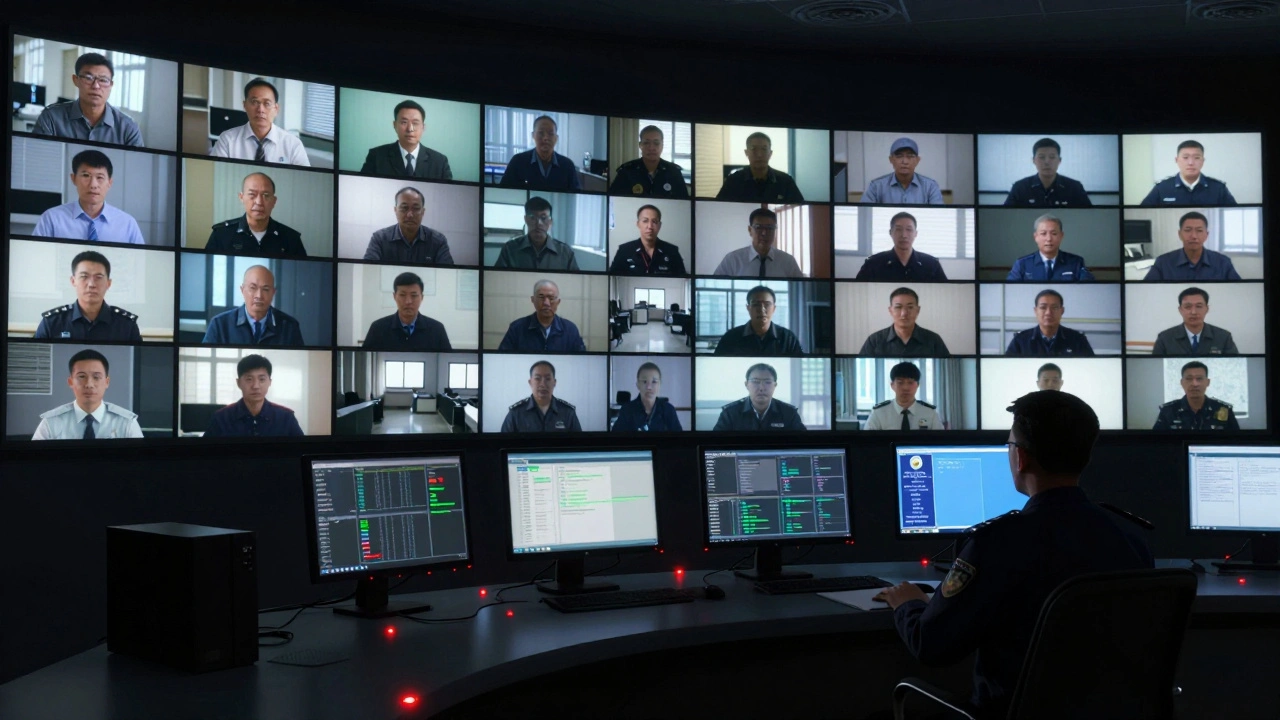
Privacy is minimal. Monitoring and recording of all video visits is standard practice across jurisdictions. Documentation explicitly states that all visits are recorded and are subject to monitoring. Any violation of visitation rules, inappropriate conduct, or language may be subject to immediate termination of the video visit. In Illinois facilities, these visits are monitored live. Staff can interrupt at any moment if they suspect rule-breaking.
Behavioral expectations remain high. Video visitation will not be permitted during operation of motor vehicles or machinery. Any visitation that is not stationary in a seated position will be terminated. Visitors experiencing problems with audio or video reception during visits must notify visitation staff immediately. Do not attempt to hack or bypass filters. The software detects unauthorized screen recording attempts instantly.
Penalties for Rule Violations
Getting banned happens faster than you think. Violations incur escalating consequences. Sanctions include suspensions ranging from months to permanent revocation. Offenses incurring 30-day suspension include visiting with an unscheduled inmate, sharing a visit with any unregistered person, having unregistered minors on a visit, or verbal abuse towards staff.
More serious actions lead to 90-day suspensions. This covers second offenses of visiting unscheduled inmates or sharing a visit with an unregistered person. A display of notes or inappropriate pictures/images during the visit triggers this tier. The worst-case scenario results in permanent suspension. Causes include creating a safety risk, damaging property, setting up a visit so an unauthorized minor can visit, third offense of unscheduled visits, and any use of electronic devices like cell phones, cameras, GoPros, or tablets during the visit. Recording video/audio and posting on social media is strictly prohibited and subject to permanent ban.
How long does it take to approve a visitor account?
Visitor accounts may take up to 48 hours for approval after initial registration. This timeline allows for necessary background checks and identity verification before granting access to the facility’s communication network.
Are video visits completely free of charge?
On-site kiosk visits are often free, but remote video visits from home usually cost money. Fees vary by location, commonly around $5.00 USD for a 30-minute session, requiring prepaid account funds.
Can children attend remote visits alone?
Persons under age 18 must obtain consent of a non-incarcerated parent or legal guardian. Minors must be accompanied during visitation by an adult on the approved list unless the minor is the legal spouse of the inmate.
What happens if I record the video visit?
Any video or audio recording of the session is strictly prohibited. Violators face permanent suspension of visitation privileges and potential criminal charges and prosecution.
How far in advance must I schedule a visit?
Most facilities require scheduling between one and seven days in advance. Some jurisdictions like Illinois mandate a minimum of 7 days notice, with scheduling open up to 30 days ahead.
Troubleshooting and Support Options
Technical glitches happen. Customer support for technical and account issues is provided by dedicated teams. SECURUS Visitor Support is available Monday through Friday 9 AM to 6 PM EST via live chat or phone. You can submit questions and concerns after hours through their designated portal. Do not blame the jail staff for system errors. Always contact the service provider directly for account freezes or login failures.
If the video freezes or audio cuts out, notify visitation staff immediately if you are on-site. If you are remote, retry the connection using a wired internet connection instead of Wi-Fi. Mobile devices struggle with unstable signals. Having a backup plan ensures you don’t lose your scheduled slot permanently. Always respect the facility’s emergency protocols. If a lockdown occurs, all remote access points close instantly.