Getting a book into a correctional facility is rarely as simple as clicking "buy" and entering an address. For families, friends, and advocates trying to support incarcerated individuals with legal books or reading material, the path is paved with strict regulations, approved vendor lists, and varying state policies. One wrong move-like using an unapproved seller or including a hardcover when only softcovers are allowed-means your package gets returned, often at your expense.
The system of court-approved vendors for legal books and materials to prisons exists to balance security concerns with an inmate’s right to access information. While the federal Bureau of Prisons and individual state Departments of Corrections (DOC) maintain these lists, the rules change frequently. As of 2026, navigating this landscape requires knowing exactly which vendors are authorized in your specific jurisdiction and understanding the content restrictions that apply universally.
Why Vendor Approval Matters
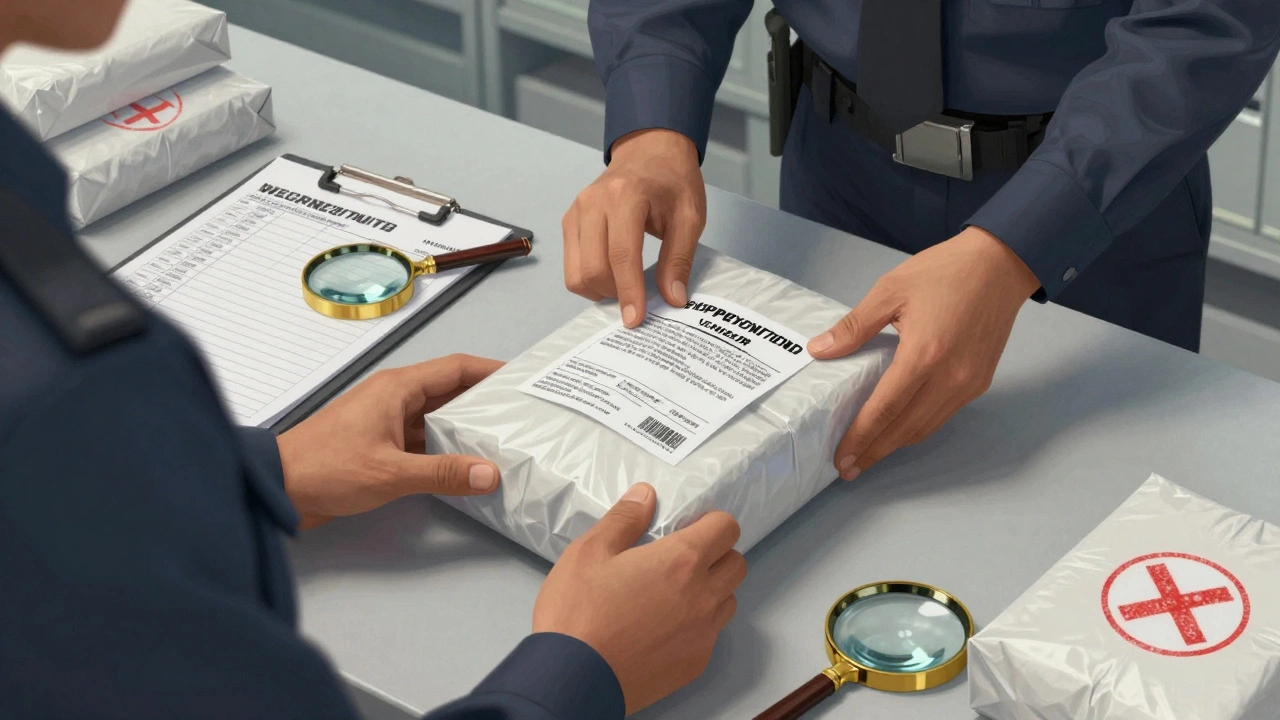
You might wonder why you can’t just mail a used textbook from your local library sale. Correctional facilities view incoming packages as potential security risks. Unapproved sources could conceal contraband, drugs, or weapons inside hollowed-out books. By restricting shipments to pre-vetted commercial entities, prisons aim to ensure that every item arriving is legitimate, new, and free from tampering.
This control mechanism also helps facilities manage the flow of information. While the First Amendment protects access to legal materials, prisons retain the authority to screen for content that depicts violence, weapon manufacture, or sexual explicitness. Using an approved vendor doesn’t guarantee delivery; it simply means the facility trusts the source enough to open and inspect the package according to standard procedures.
Federal vs. State Rules: The Big Picture
The most critical rule is this: there is no single national list of approved vendors. The federal Bureau of Prisons (BOP) federal agency managing U.S. prisons operates under different guidelines than state systems like Illinois, Michigan, or Utah. Even within states, county jails may have their own distinct policies.
At the federal level, the BOP allows inmates to receive publications without prior approval but maintains strict screening protocols. Hardcover books must come exclusively from publishers, book clubs, or established bookstores. Softcovers have broader permission but still face censorship if they contain prohibited content. If a publication is deemed detrimental to security or discipline, it is held by facility reading committees.
State systems vary wildly. Some states, like Michigan, allow major retailers like Amazon and Walmart. Others, like Utah, restrict purchases almost entirely to the prison commissary. This fragmentation means you must always check the specific policy of the facility where the inmate is housed before ordering anything.
Top National and Specialized Vendors
Several vendors specialize in serving the incarcerated population. These organizations understand the nuances of shipping to prisons and often provide resources specifically designed for legal aid and reentry.
- The Prison Book Program nonprofit providing books to federal inmates: As of 2026, this program serves federal facilities in all 50 states. However, they explicitly do not serve state or local facilities in Michigan, California, and Texas. They offer an online request form for family members to submit orders on behalf of inmates.
- Freebird Publishers publisher of prisoner-focused titles: This vendor produces over 60 titles tailored to incarceration, including the Habeas Corpus Manual and Post-Conviction Relief series. They accept payments via Cash App, Venmo, and PayPal, making transactions accessible for those without traditional banking.
- PM Press political and anti-prison literature publisher: Known for counter-culture and political titles, PM Press offers a 50% discount to prisoners. Be cautious, as many of their titles focus on political movements and may be banned in certain jurisdictions due to content restrictions.
- Common Notions Press social justice bookstore: This collective focuses on liberation-oriented materials and offers discounts to incarcerated individuals. Their catalog includes works on decolonial creativity and social justice.
Major Retailers: Who Is Approved?
Not all big-box stores are created equal when it comes to prison shipments. Your ability to use mainstream retailers depends heavily on the state.
In Michigan, the system is relatively permissive. Inmates can receive publications from Amazon, Barnes & Noble, Hamilton Books, Prison Legal News, Schuler Books, and Walmart. All items must be new, and any sign of tampering results in automatic rejection.
In Nebraska, the Department of Corrections released an updated list in October 2024. Authorized vendors include Edward R. Hamilton, Human Rights Defense Center, Ron's Books, and Georgetown Law School. Notably, Nebraska allows the general public to order from Barnes & Noble for delivery to inmates, provided the books ship directly from Barnes & Noble inventory.
Illinois tightened its rules significantly in 2021. Since June 1, 2021, all books must originate from pre-approved vendors or directly from publishers. The current approved list includes Edward R. Hamilton, More than Words, Prison Book Program, Books to Prisoners, Books a Million, Books N Things, and Sure Shot Books. Note that Discover Books, previously on the list, appears to be out of business as of late 2024.
Content Restrictions: What Gets Blocked?
Even if you use an approved vendor, your book might still be rejected based on content. Every jurisdiction prohibits materials that:
- Depict the design or manufacture of weapons.
- Show graphic violence, hatred, abuse, or sexually explicit content.
- Advocate for facility disruption, riots, or noncompliance with prison rules.
- Pose a danger to institutional security or contradict rehabilitation goals.
Utah maintains one of the most restrictive environments. Here, books can only be purchased through the prison commissary and sent directly from the vendor to the facility. Family members cannot send books unless they meet strict criteria: prepaid, direct from publisher, and not on the state’s disapproved list. Additionally, Utah generally bans hardcovers unless they are educational texts.
Practical Tips for Sending Books
To increase the chances of successful delivery, follow these best practices:
- Verify the Vendor List: Always check the specific DOC website for the state where the inmate is held. Do not rely on general internet searches; look for the official "Approved Book Vendor" PDF or page.
- Use the Correct Address Format: Include the inmate’s full name and ID number. For example, Barnes & Noble instructs customers to put the inmate number in the "Last Name" field of the shipping address to ensure proper identification.
- Avoid Handwritten Notes: Many facilities prohibit personal correspondence inside book packages. Keep the package strictly commercial with receipts visible.
- Choose Softcovers When Possible: Unless the facility explicitly allows hardcovers from specific sources, opt for paperbacks to avoid immediate rejection.
- Confirm Content Eligibility: Before ordering political or controversial legal texts, check if the specific title is on a disapproved list. Utah and other restrictive states maintain these lists publicly.
Navigating Policy Changes
The landscape of prison book distribution is dynamic. Vendors go out of business, states update their policies, and new restrictions emerge. The Illinois IDOC’s 2021 overhaul and Nebraska’s 2024 updates show that compliance requires vigilance.
If a vendor you’ve used previously stops working, check if they’ve been removed from the approved list or if they’ve ceased operations. The disappearance of Discover Books in Illinois is a recent example. Similarly, the Prison Book Program’s withdrawal from certain state facilities in 2026 highlights how market consolidation affects access.
For legal materials specifically, consider reaching out to legal aid organizations or law school clinics. Institutions like Georgetown Law School are sometimes approved as vendors because they provide vetted, essential legal reference materials that support an inmate’s right to counsel and self-representation.
Can I send books to a prison from Amazon?
It depends on the state. Michigan explicitly approves Amazon as a vendor for sending books to inmates. However, many other states, including Illinois and Utah, do not approve Amazon. You must check the specific approved vendor list for the correctional facility where the inmate is housed.
What is the difference between federal and state prison book rules?
The federal Bureau of Prisons has its own set of rules, generally allowing hardcovers only from publishers or bookstores. State prisons operate independently, with some states like Michigan being more permissive (allowing major retailers) and others like Utah being highly restrictive (limiting purchases to the commissary). Always verify the specific state’s Department of Corrections policy.
Why are some legal books banned in prisons?
While access to legal materials is protected, prisons can ban books that contain instructions on weapon manufacture, depict graphic violence, or advocate for facility disruption. Political or radical legal texts may also be restricted if they are deemed a threat to institutional security or order.
How do I find the approved vendor list for my state?
Visit the official website of the state’s Department of Corrections. Look for sections labeled "Inmate Services," "Mail Policy," or "Approved Vendors." Most states publish these lists as downloadable PDFs. If unsure, contact the facility directly to confirm current policies.
Can I send used books to a prison?
Generally, no. Most correctional facilities require books to be new and shipped directly from the publisher or an approved vendor. Used books are often rejected because they cannot be verified as free from contraband or tampering. Some specialized vendors like The Paperback Shop offer used books, but this is rare and subject to strict facility rules.