When someone is locked up, the system often treats them like an isolated problem-just a number, a case file, a threat to public safety. But the truth is, no one goes to jail alone. Their family is there too, even if they can’t see them. And when families stay connected during incarceration, it changes everything for the person inside-and for everyone coming out.
Studies show that individuals who maintain regular contact with family members while incarcerated are far less likely to use drugs again after release. They’re also less likely to go back to prison. This isn’t just hope or intuition. It’s data. A study of 7,000 people in state prisons found that those who received visits from partners, parents, or close friends had significantly lower recidivism rates over two years. But here’s the twist: visits from their own children sometimes had the opposite effect. That’s not a contradiction. It’s a signal. Family contact isn’t just about frequency. It’s about quality.
Why Family Matters More Than You Think
Reentry after incarceration is one of the most dangerous times in a person’s life. The first year out is when most relapses happen. The stress of finding a job, a place to live, and dealing with old triggers can overwhelm someone trying to stay clean. But when someone has someone at home who believes in them-someone who says, "I’m here," or "I know you can do this"-it changes their internal narrative. That emotional support isn’t soft. It’s survival.
Qualitative interviews with formerly incarcerated people consistently show that affective support-love, encouragement, being seen as more than their crime-is what keeps them going. One man in Oregon told researchers, "My daughter sent me a drawing every week. I kept it under my mattress. When I wanted to use, I’d look at it. That was my reason to stop." That’s not therapy. That’s human connection.
And it’s not just about feelings. Families often provide the practical lifelines too: a place to sleep, a ride to a job interview, help paying for bus fare to treatment. In communities where housing is scarce and jobs are hard to get, family networks are often the only safety net left.
Not All Contact Is Created Equal
It’s easy to assume more visits = better outcomes. But research says otherwise. When children visit, it can trigger guilt, shame, or pressure to provide for them financially-pressure that pushes some back into illegal activity. A parent might feel so much pressure to "be a good dad" after seeing their child in a visiting room that they steal money to buy them shoes. The emotional weight isn’t always healing. It can be toxic.
That’s why family engagement programs now focus on how families interact, not just how often. Programs like Community Reinforcement and Family Training (CRAFT) is a structured approach that trains family members to communicate effectively with loved ones struggling with substance use, using positive reinforcement rather than confrontation teach families how to respond to cravings, avoid enabling behaviors, and reinforce recovery without triggering conflict.
Another program, Parenting Inside Out is an evidence-based curriculum designed for incarcerated parents to improve parenting skills, strengthen parent-child bonds, and reduce recidivism through improved paternal identity and communication, helps fathers and mothers rebuild their sense of identity beyond being an inmate. It’s not about discipline or rules-it’s about connection. One father in Washington said, "I never knew how to talk to my kids. This program taught me how to listen. Now I call them every Sunday. I don’t just ask how school is. I ask how they feel. That’s new for me."
What Works: Programs That Actually Change Outcomes
Not every family program in prison works. But some do-and they’re built on real evidence.
- Video visitation systems with affordable rates and flexible scheduling help families who live far away or can’t afford bus fare. One jail in Oregon cut visitation drop-offs by 60% after switching to low-cost video calls.
- Therapeutic letter-writing programs pair incarcerated individuals with trained volunteers who help them write meaningful letters to children, partners, or parents. These aren’t just "I miss you" notes. They’re structured reflections on growth, accountability, and future plans.
- Joint reentry planning involves family members in discharge meetings while the person is still inside. Instead of handing out a pamphlet on housing resources, staff ask: "Who can you go to when you get out? What do they need from you? What do you need from them?" This simple shift turns family from passive observers into active partners.
- Yoga and trauma-informed mindfulness programs, like the Prison Yoga Project is a trauma-informed yoga initiative that helps incarcerated individuals regulate emotions, reduce stress, and improve impulse control, which supports both recovery and parenting capacity, help people manage the anxiety that fuels drug use and poor parenting decisions.
These aren’t feel-good extras. They’re clinical tools. A 2023 study found that when family members were trained in motivational communication, the likelihood of their loved one starting treatment increased by 44.7% compared to self-referral. That’s not small. That’s life-changing.
The Hidden Barrier: Systems That Don’t Talk
Even the best program fails if the jail won’t let families in, or if the community agency doesn’t know the person was released. That’s the real crisis: fragmentation.
Correctional systems and social service agencies operate in separate worlds. One tracks security clearances. The other tracks housing vouchers. One has 30-minute visiting hours. The other has a 24-hour crisis line. They don’t share databases. They don’t train each other. And families get caught in the middle.
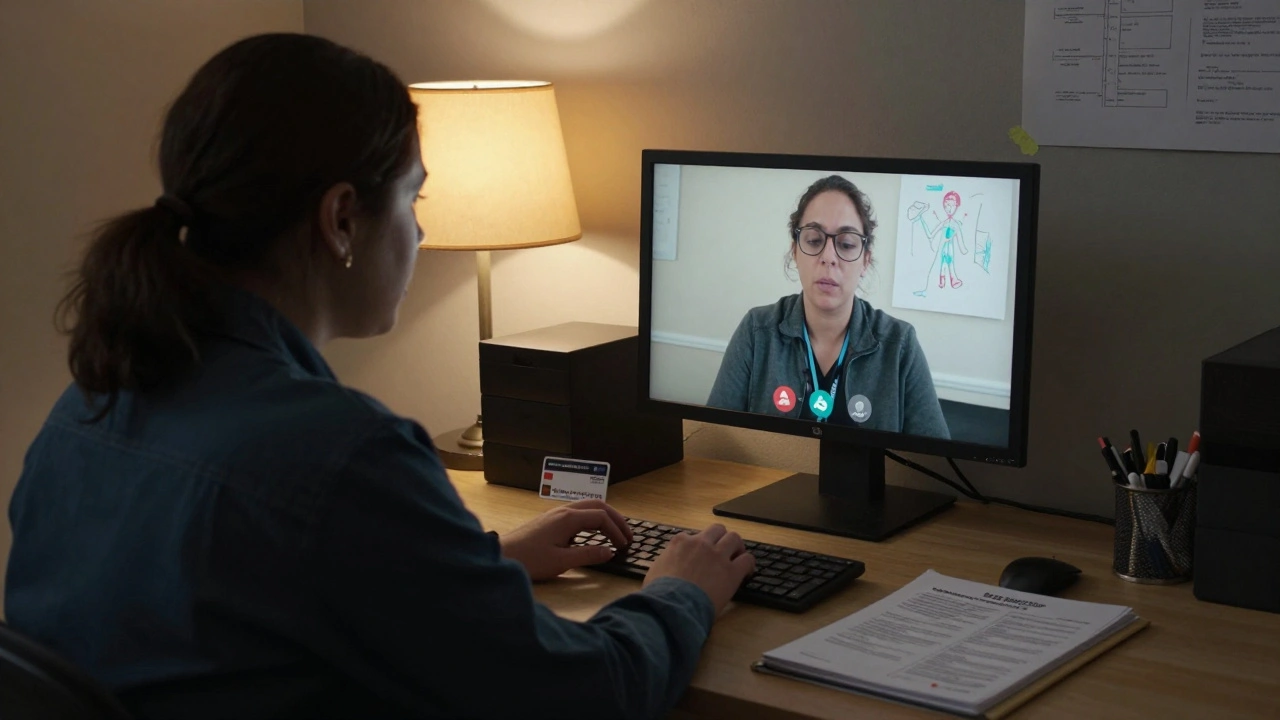
Successful programs fix this with dedicated liaisons-staff members whose only job is to connect prisons with community providers. One county in Oregon hired a family engagement coordinator who works with both the jail and local mental health clinics. She schedules joint meetings, sends updates to families, and even helps them apply for phone credits. Result? A 32% increase in post-release treatment attendance.
It’s not expensive. It’s just intentional.
What’s Missing: The Fatherhood Factor
Most research focuses on mothers. But over half of incarcerated individuals are fathers. And for many, being a dad is the strongest motivator for change.
Studies show that incarcerated men who report strong paternal identity-feeling proud of being a father, even behind bars-are more likely to stay in treatment, avoid drugs, and find work after release. The research isn’t just about "being a good dad." It’s about reclaiming identity. When a man hears his child say, "I’m proud of you, Dad," it doesn’t just feel good. It rewires his future.
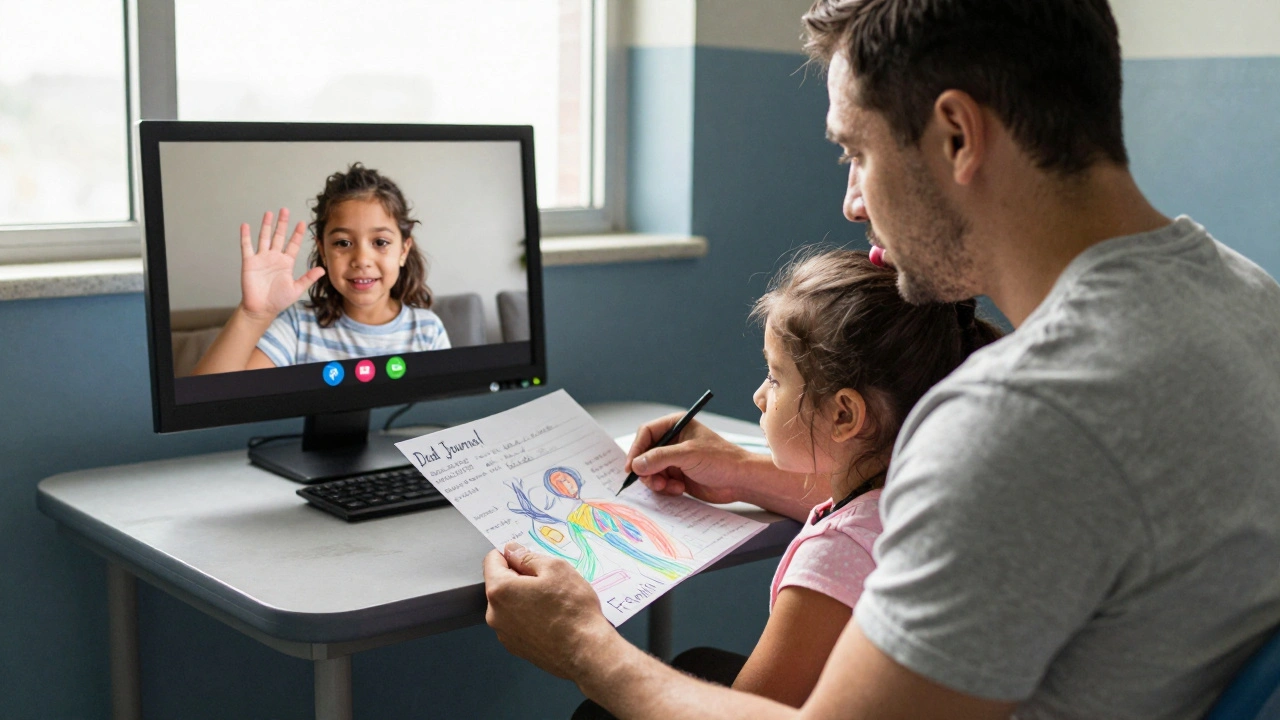
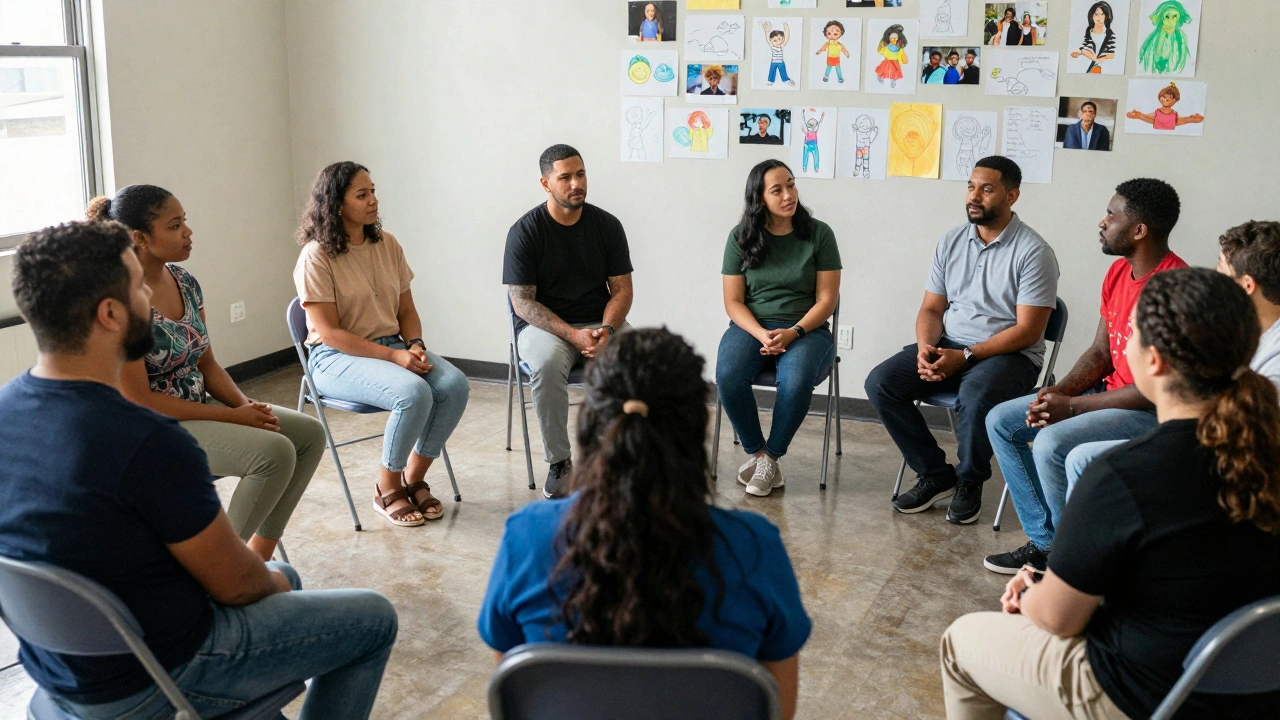
Programs that include father-child bonding activities-reading together through video calls, creating "Dad journals," or holding monthly fatherhood circles-show measurable increases in self-esteem and long-term recovery rates. These aren’t just parenting classes. They’re identity restoration.
The Cost of Doing Nothing
Ignoring family engagement isn’t neutral. It’s expensive. Every person who relapses and reoffends costs taxpayers tens of thousands of dollars in re-incarceration, court fees, and emergency services. Meanwhile, families suffer: children lose stability, partners carry the emotional load alone, and grandparents raise kids they never planned to raise.
But when families are supported, outcomes shift. One jail in California tracked 507 individuals over three years. Those with consistent family contact were 58% less likely to return to jail within a year. Their mental health improved. Their employment rates rose. Their children reported feeling more secure.
That’s not luck. That’s strategy.
What Needs to Change
Family engagement isn’t optional. It’s essential. Here’s what needs to happen:
- Remove financial barriers to phone calls and video visits. Charging $15 per 15-minute call pushes families out. No one should have to choose between calling their incarcerated loved one and buying groceries.
- Expand visitation hours and allow flexible scheduling. Many facilities only allow visits on weekends. What about parents who work two jobs? What about grandparents?
- Train correctional staff to see family contact as part of recovery, not a security risk. Officers who understand trauma are less likely to shut down visits over minor rule violations.
- Link prisons to community services before release. No one should get out of jail with a pamphlet and no one to call.
- Fund evidence-based programs like CRAFT and Parenting Inside Out. These aren’t luxuries. They’re public health interventions.
Change doesn’t come from bigger prisons. It comes from stronger families.
Can family visits really reduce recidivism?
Yes-but only when the contact is consistent and meaningful. Studies show that visits from partners, parents, or close friends reduce recidivism by up to 50%. However, visits from children sometimes increase reoffending risk if they trigger guilt, financial pressure, or emotional overload. The key isn’t quantity-it’s quality. Programs that help families communicate constructively and plan for reentry together see the best results.
What if my family doesn’t want to visit?
Not all families are ready or able to reconnect. That’s okay. There are still ways to build support. Therapeutic letter-writing programs, video messages, and phone calls with trained peer counselors can help maintain emotional connection. Some people find strength through mentors, spiritual leaders, or former inmates who’ve been through recovery. The goal isn’t to force family-it’s to help the person build a network of people who believe in their change.
Do programs like Parenting Inside Out really work?
Yes. Research shows that incarcerated parents who complete Parenting Inside Out report higher levels of parenting confidence, more frequent contact with their children, and lower rates of relapse. The program doesn’t just teach skills-it rebuilds identity. One study found that fathers who completed the program were 37% more likely to maintain custody or visitation rights after release.
Why do some jails restrict family visits?
Many jails limit visits due to outdated security policies, staff shortages, or lack of funding for visiting rooms. Some staff view family contact as a distraction or risk. But research shows that restricting visits increases stress, worsens mental health, and raises the chance of relapse. Forward-thinking facilities now treat visits as part of treatment-not a privilege to be controlled.
How can I help someone I love who’s incarcerated?
Start with consistency. Send letters. Make phone calls. Attend visitation days if you can. Don’t wait for them to "get better"-show up as you are. Learn about programs like CRAFT or Parenting Inside Out so you can respond with support, not shame. Connect with local reentry organizations-they often offer free training for families. Your presence matters more than you know.