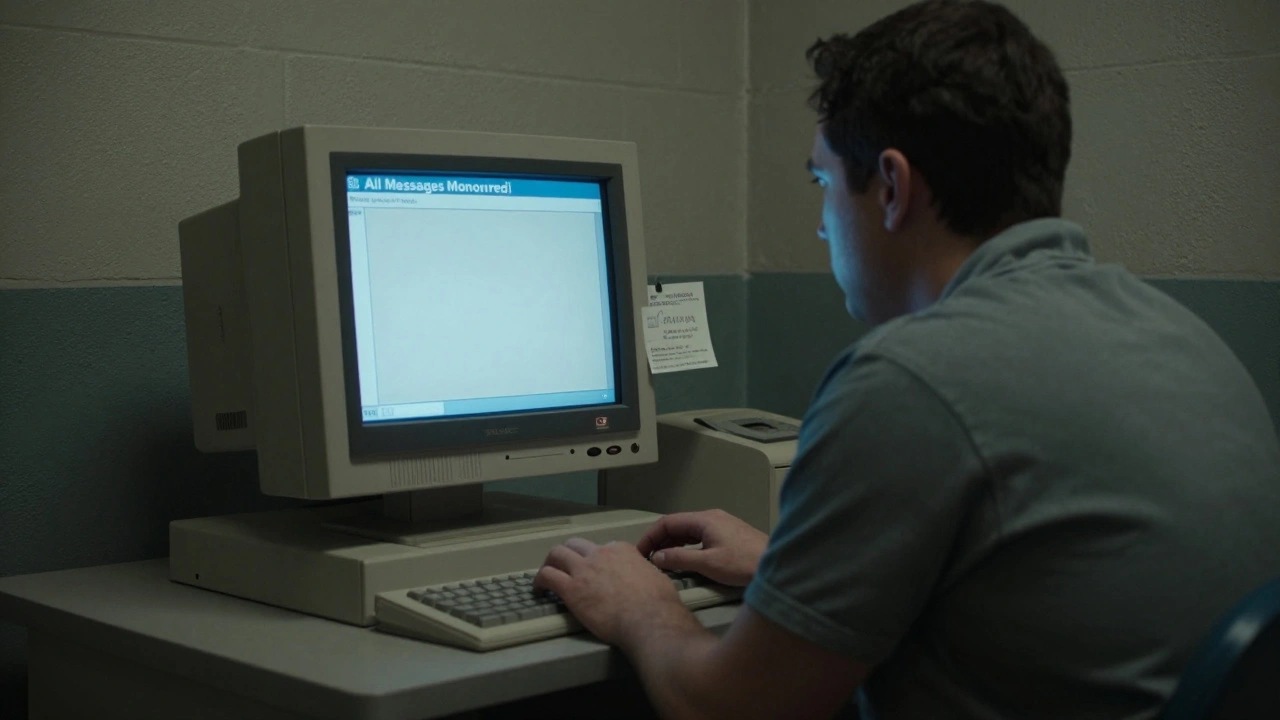
When someone you know is in a federal prison, staying in touch isn’t as simple as texting or emailing like normal. The TRULINCS system is the only approved way for federal inmates to send and receive electronic messages - and it works nothing like Gmail or Outlook. If you’re trying to connect with an inmate, you need to understand how this system really works, what the rules are, and what you’re getting into before you even start.
What Is TRULINCS, Really?
TRULINCS stands for Trust Fund Limited Inmate Computer System. It’s not just an email service - it’s a locked-down, prison-run messaging platform managed by the Federal Bureau of Prisons. Outside users interact with it through Corrlinks.com, but the system itself runs on computers inside federal prisons. Inmates use those terminals to type messages, and those messages go through a chain of filters, monitoring, and approval before they reach you.Don’t be fooled by the word "email." This isn’t a regular inbox. Messages don’t land in your personal email. Instead, you get a notification that there’s a new message waiting on Corrlinks.com. You have to log in manually every time to read or reply. There’s no automatic delivery. No forwarding. No attachments. No links. It’s a one-way, monitored message board.
How to Set Up an Account (For Outside Contacts)
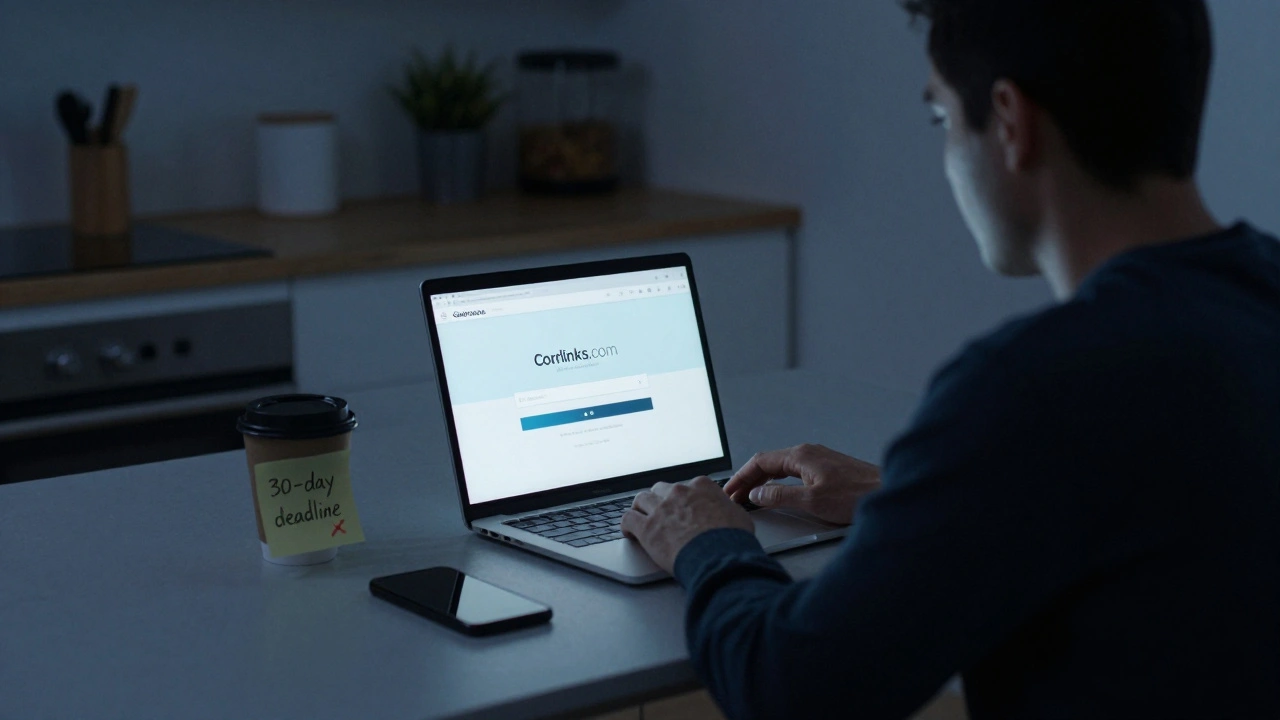
You can’t just sign up on your own. The process starts with the inmate. They have to enter your full name, your mailing address, and your email address into the TRULINCS system on their prison computer. Once they do that, the system sends an automated email to the address you provided.That email contains:
- A unique authorization code
- Instructions to create a Corrlinks.com account
- A link to the registration page
You have 30 days to complete registration using that code. After that, the request expires. If you miss the window, the inmate has to re-request you - and they can only send 30 requests at a time. So don’t wait.
Once you register, you’ll need to log into Corrlinks.com every single time you want to read a message or send one. No exceptions. No automatic alerts. No email notifications. It’s entirely up to you to check the site regularly.
What Are the Contact Limits?
An inmate can have up to 30 active contacts at once. That means 30 people they can send and receive messages with. If they want to add someone new, they have to delete an existing contact first. There’s no way to increase this number, even if they have family members who need to be added.Some inmates use this to prioritize - maybe they drop an old friend to make room for a parent, sibling, or lawyer. Others keep their list full with family members, keeping everyone connected. But if someone gets removed, they’re gone until re-added. No exceptions.
How Much Does It Cost?
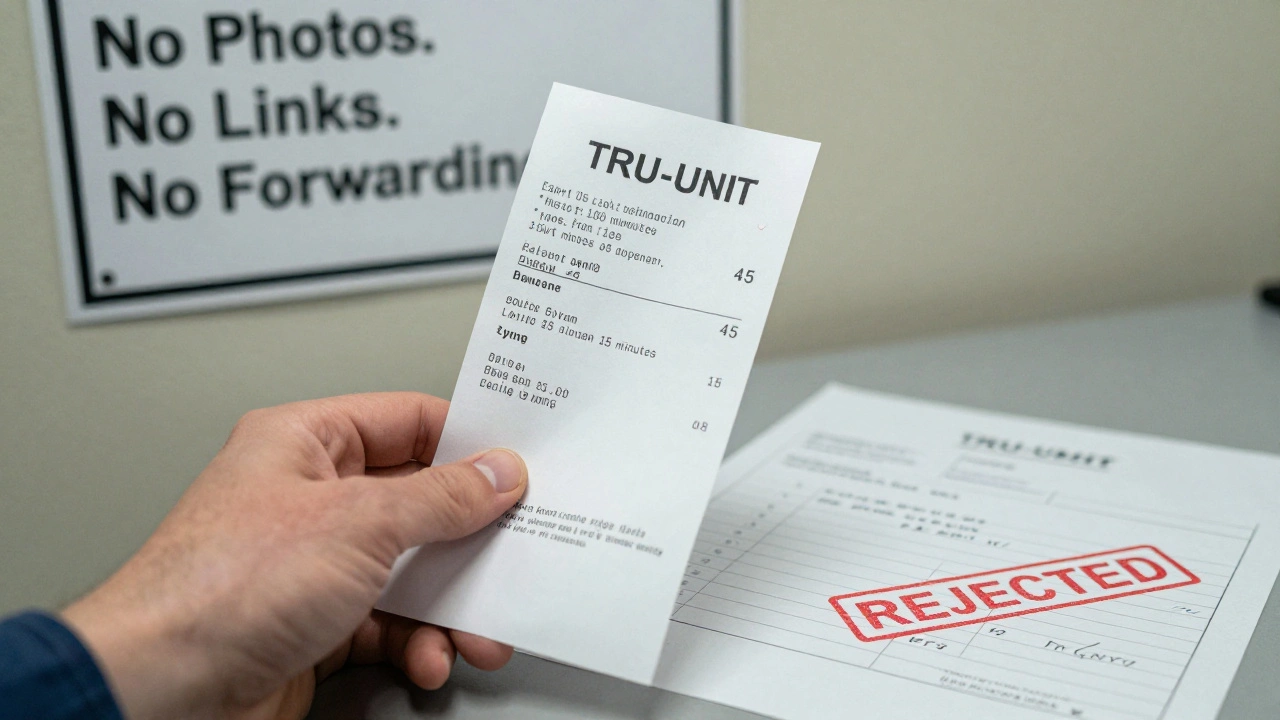
Here’s where it gets tough. You don’t pay anything to set up or use your Corrlinks.com account. But the inmate does. Every single message costs money.The system uses something called TRU-Units. Each unit is $0.05. Here’s how it breaks down:
- $0.05 per minute spent on the system - whether typing, reading, or just sitting there
- $0.15 per page to print a message (3 TRU-Units per page)
- Units are sold in packs: 40, 100, 200, 300, or 600
So if an inmate spends 10 minutes writing a message and 5 minutes reading a reply, that’s 15 minutes = 75 TRU-Units = $3.75. If they print a long letter, that’s another $0.15 per page. For someone with little or no income, this adds up fast. Many inmates rely on family members to send money to their commissary account just so they can afford to write back.
What Can’t You Say?
Every message is read by prison staff before it’s delivered. No exceptions. Not even once. The Bureau of Prisons has strict rules about what’s allowed. Anything that would be blocked in regular mail is blocked here too. That includes:- Threats or violent language
- Instructions for illegal activity
- References to escape plans
- Maps, blueprints, or security details
- Photos of weapons or drugs
- Requests for money or goods
- Any mention of other inmates’ names or locations
Even if you’re just joking, if it sounds like a threat, it gets flagged. One inmate got in trouble for saying, “I’ll make sure you never see daylight again,” thinking it was sarcasm. The staff took it literally. Messages that violate rules can lead to disciplinary action - loss of email access, solitary confinement, or extended sentences.
You also can’t forward messages to anyone else. Not even to your lawyer. Not even to your spouse. The system blocks forwarding entirely. If you need to share something, you have to type it out yourself.
Is There Any Privacy?
No. Not even a little.Inmates have to sign a form (BP-0934) acknowledging that every word they type is monitored and stored forever. The Bureau keeps records of every message, every login, every time an inmate opened the system. There’s no expectation of privacy. If you’re sending a message, assume your grandma, your parole officer, and the FBI could all read it.
Even your IP address and device info are logged. If you’re using public Wi-Fi or a shared computer, that’s tracked too. The system doesn’t care if you’re on a phone, tablet, or desktop - it logs everything.
Who Gets Denied Access?
Not every inmate can use TRULINCS. Access is a privilege, not a right. It’s decided by the inmate’s case manager and sometimes the associate warden. Some common reasons someone might be denied:- They’ve been caught abusing the system before
- They’re under investigation for a serious rule violation
- They’re classified as a high-security risk
- They’ve been disciplined for using electronic devices illegally
Even inmates convicted of serious crimes - like child pornography - can be granted access if they didn’t use email or the internet to commit the crime. The decision isn’t based on the crime itself. It’s based on behavior, history, and how they’ve acted since incarceration. That means two people with the same offense can have completely different access levels.
Why Does This System Exist?
The Bureau of Prisons says TRULINCS helps reduce recidivism by keeping inmates connected to family, legal support, and community resources. Studies show inmates who maintain strong family ties are less likely to reoffend. Email makes it easier to stay in touch than waiting weeks for a letter.But it’s also a cost-saving measure. The government doesn’t pay for this. The inmate pays. Every minute, every printout, every message - it’s all funded through their commissary account. That means the burden falls on families who already struggle to afford phone calls, visits, and legal fees.
The system also gives the Bureau full control. No one can bypass it. No one can use WhatsApp, Signal, or Facebook. Everything goes through a monitored channel. That’s intentional. It’s not about convenience - it’s about surveillance.
What Happens If You Break the Rules?
If you send a message that violates the rules - even accidentally - your account can be suspended. The inmate might lose access for 30 days. Or 90. Or permanently. If you’re caught trying to share messages, forward content, or use fake information to set up an account, you could be banned from the system forever.There’s no appeal process for outside users. Once you’re blocked, you’re blocked. The inmate can’t request you again if you’re permanently banned.
Alternatives? Not Really.
There’s no legal alternative to TRULINCS for federal inmates. Phone calls are limited to 15 minutes and cost money. Letters take weeks. Visits require travel and scheduling. Email is the fastest, most frequent way to communicate - even with all its flaws.Some inmates use contraband phones to message outside. But if caught, they face serious consequences: extended sentences, loss of privileges, or transfer to a higher-security prison. The risk isn’t worth it.
So TRULINCS remains the only safe, legal, and reliable option - even if it’s slow, expensive, and invasive.
Can I send photos or files through TRULINCS?
No. TRULINCS does not allow attachments of any kind. No photos, no documents, no PDFs, no videos. The system only supports plain text. Even if you try to paste a link, it will be blocked. The only way to share a photo is to describe it in words - and even that can get flagged if it’s too detailed.
Can I use my phone to access Corrlinks.com?
Yes. Corrlinks.com works on any web browser, including mobile phones. But remember - you still have to log in manually every time. There’s no app. No push notifications. No background syncing. You’ll need to open your browser, go to Corrlinks.com, log in, and check for messages each time. It’s clunky, but it’s the only way.
What if I don’t get the authorization email?
First, check your spam folder. The email comes from [email protected]. If it’s not there, wait 24-48 hours - it can take time to process. If you still don’t see it, ask the inmate to check their sent messages. They may have entered your email wrong. If the address is incorrect, they’ll need to delete the request and re-add you with the right email.
Can I communicate with multiple inmates using one Corrlinks account?
No. Each Corrlinks account is tied to one inmate. If you want to message two different inmates, you need two separate accounts with two different email addresses. The system doesn’t allow one account to link to multiple inmates.
Is TRULINCS available in state prisons too?
No. TRULINCS is only for federal prisons. State prisons use different systems - some have their own email platforms, others only allow mail or phone calls. If you’re trying to contact someone in a state facility, you’ll need to check that prison’s specific rules. Don’t assume it works the same way.