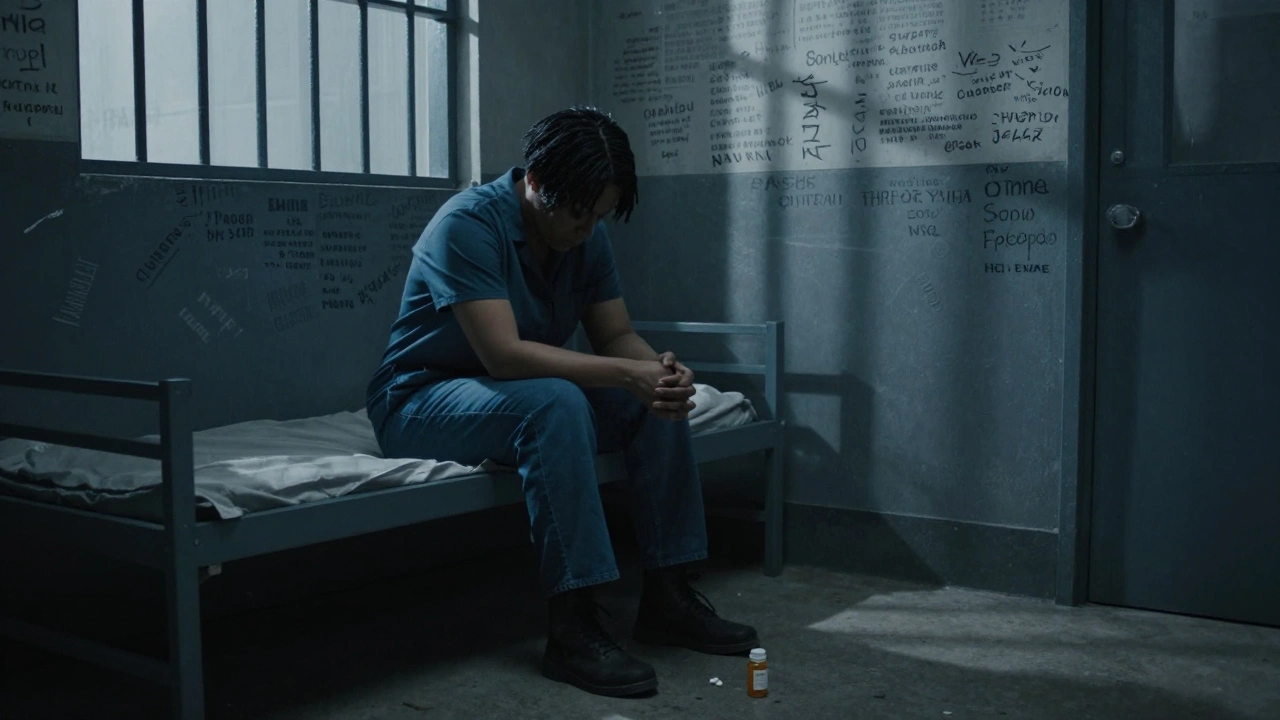
Every year, tens of thousands of LGBTQ+ people enter U.S. prisons and jails-many of them for survival crimes like sex work or petty theft. Once inside, they face violence, neglect, and systemic erasure. This isn’t an accident. It’s policy. And it’s killing people.
Why LGBTQ+ People End Up in Prison
LGBTQ+ individuals don’t end up in prison because they’re more criminal. They end up there because society pushes them there. Homelessness, unemployment, and police targeting create a pipeline no one talks about. Transgender people are 16 times more likely than the general population to have been jailed or imprisoned. For Black transgender women, that number jumps to 47%. Why? Because they’re denied housing. Because they’re fired from jobs. Because police stop them on the street for being “suspicious” while walking in a skirt or carrying condoms. A 2015 survey found that 40% of transgender people had engaged in sex work to survive. That’s not a choice-it’s a last resort. And when you’re doing sex work to eat, you’re far more likely to get arrested than someone who isn’t poor or trans. Once arrested, the system doesn’t see a person in crisis. It sees a criminal.The Violence Inside
Inside prisons, LGBTQ+ inmates are targeted. Not by accident. By design. A 2009 study in California found that 59% of transgender prisoners had been sexually assaulted. Transgender women in men’s prisons were 13 times more likely to be raped than other inmates. That’s not a statistic-it’s a death sentence waiting to happen. The federal Prison Rape Elimination Act (PREA) was supposed to fix this. It says prisons can’t isolate LGBTQ+ people just for being who they are. But that’s exactly what happens. Administrators lock them in solitary confinement “for their own safety.” Solitary isn’t protection. It’s torture. It causes hallucinations, depression, and brain damage-even in short bursts. Layleen Polanco, a 27-year-old Afro-Latina trans woman, died in solitary confinement at Rikers Island in 2019. She had epilepsy. She was denied proper medical care. And she was kept isolated because prison officials refused to house her with cisgender women. Her death wasn’t an accident. It was the result of policies that prioritize control over life.Denied Care, Denied Dignity
Prisons routinely deny transgender people basic healthcare. Hormone therapy? Denied. Gender-affirming clothing? Confiscated. Access to feminine hygiene products? Limited or cut off. These aren’t luxuries. They’re medical necessities. A 2015 survey of over 1,100 incarcerated LGBTQ+ people found that 82% didn’t know of any program inside prison that could help them if they were being abused. Meanwhile, 15% had been kicked out of educational or rehab programs just for being gay or trans. Prison staff often refuse to use correct names and pronouns. Some lock up trans women in men’s facilities because they “look like men.” Others lock trans men in women’s units because they “look like women.” No one asks what the person wants. No one considers safety. It’s all about what’s easiest for the guards.
How the System Breaks Reentry
Even if you survive prison, getting out is harder for LGBTQ+ people. Most prisons offer no support groups. No counseling for trauma. No help finding housing. No job training that doesn’t require you to hide your identity. When you’re released, you’re handed a bus ticket and a plastic bag of clothes-and expected to rebuild your life. Many LGBTQ+ people are turned away from shelters because they’re trans. Employers fire them when they find out they’ve been incarcerated. Landlords refuse to rent to them. The cycle starts again. The recidivism rate for LGBTQ+ people is higher than average-not because they’re more likely to reoffend, but because the system gives them nothing to rebuild with.What Needs to Change
Real protection means changing the rules. Not just writing policies, but enforcing them. First: Housing must be based on gender identity, not biology. Trans women belong in women’s facilities. Trans men belong in men’s. And no one should be put in solitary unless it’s a last resort-and even then, only with strict oversight. Second: Gender-affirming healthcare must be guaranteed. Hormones, mental health care, and access to hygiene products aren’t privileges. They’re human rights. Third: Staff training is non-negotiable. Guards need to understand trauma, bias, and how to de-escalate without violence. They need to know how to use names and pronouns correctly. And they need to be held accountable when they don’t. Fourth: Outside support matters. LGBTQ+ nonprofits that offer counseling, legal aid, and reentry help should be welcomed, not blocked. Prisons that ban books about queer history or refuse visits from advocates are not keeping order-they’re silencing survival.
It’s Not About Safety. It’s About Power
The truth is, prisons don’t protect LGBTQ+ people because they don’t have to. The system was never designed to protect them. It was designed to control them. When a prison administrator says, “We can’t house trans women with cis women,” what they really mean is: “We don’t want to deal with the discomfort.” When they deny hormones, they’re saying: “Your identity doesn’t matter.” When they lock someone in solitary for months, they’re saying: “You’re less than human.” This isn’t about bad apples. It’s about the whole barrel. The same society that celebrates Pride in June locks up trans women in January. The same lawmakers who pass bills banning gender-affirming care for minors are the ones who refuse to fund healthcare for trans prisoners. Protecting LGBTQ+ people in prison isn’t a favor. It’s justice.What You Can Do
You don’t need to be an activist to make a difference. Here’s how to start:- Support organizations like the National Center for Transgender Equality and the American Civil Liberties Union that fight for prison reform.
- Write to your state legislators and demand PREA compliance audits. Ask: Are prisons being monitored? Are violations being punished?
- Donate to prison book programs that send LGBTQ+ literature to incarcerated people. Knowledge is power.
- Challenge the idea that prison is the answer. Ask: Why are we locking up people who are poor, trans, and Black? What if we invested in housing, healthcare, and jobs instead?
Real safety doesn’t come from bars. It comes from dignity.