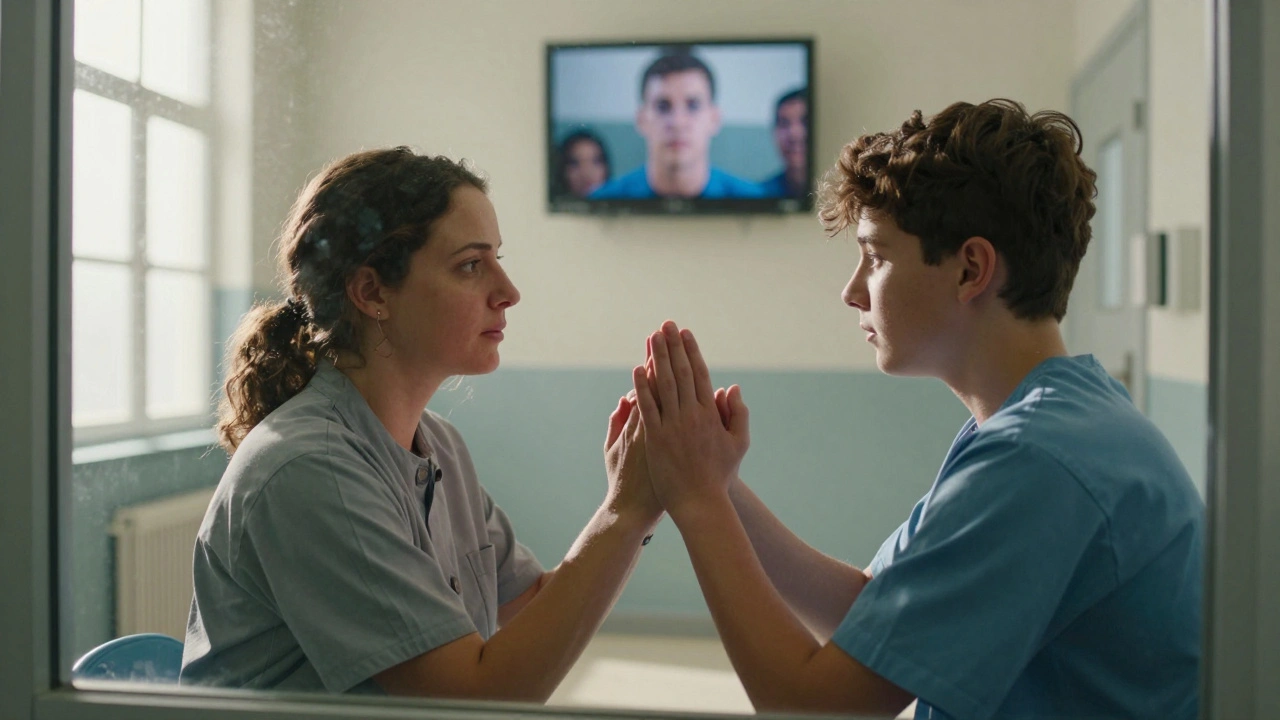
When a loved one is locked up, the way you see them matters. It’s not just about checking off a box or fulfilling a rule. It’s about holding their hand, seeing their eyes light up when they spot you, or hearing their laugh without a 2-second delay. For millions of families across the U.S., that connection is being rewritten-by screens, fees, and policies that often ignore what actually keeps people out of prison after they get out.
What’s Really Happening in Prisons Today
More than 600 jails and prisons have replaced in-person visits with video calls. In some places, like Knox County Jail in Tennessee or Benton County Jail in Arkansas, you can’t visit your family member in person at all. The only option? A video call. And if you don’t have a smartphone, a stable internet connection, or $10 to spare, you’re out of luck. This isn’t a tech upgrade. It’s a systemic shift. In 2013, about 61% of people released from Minnesota prisons had received at least one in-person visit during their sentence. By 2023, that number had dropped to 23.7%. Meanwhile, video visits jumped from almost nothing to over half of all visits. Why? Because facilities say it’s cheaper, safer, and easier. But what about the people on the other side of the screen?Costs That Break Families
In-person visits used to be free. Now, video visits can cost anywhere from $3.50 to $12.99 per session. In Minnesota, video visits were cut to $3.50 for 15 minutes during the pandemic-only because in-person visits were banned. In Texas, some facilities offer one free video visit per month. Others charge $10. Jefferson Parish in Louisiana charges $12.99 for 20 minutes-with no in-person option at all. And it’s not just the cost of the call. Some jails require families to drive to a visitation center just to use a tablet. One mother in rural Louisiana told researchers she spent $40 on gas to make a $13 video call. For families living paycheck to paycheck, that’s not a convenience-it’s a barrier.Why In-Person Visits Still Matter
A Minnesota Department of Corrections study tracked people released during and after the pandemic. Those who had regular in-person visits were less likely to be re-arrested. They were more likely to find jobs. Their mental health improved. Their families stayed stronger. Why? Because human connection isn’t just about talking. It’s about touch. Eye contact. The way a child leans into their parent’s side without saying a word. The way a partner squeezes your hand when they’re scared. Video calls freeze those moments. They cut off laughter mid-sentence. They make it harder to read emotion. One incarcerated man said, “I can’t tell if she’s crying or just blinking.” Research from the Vera Institute of Justice and the Prison Policy Initiative confirms it: video calls slow trust. They shorten conversations. They make people feel like they’re on a Zoom call with a stranger, not the person they love.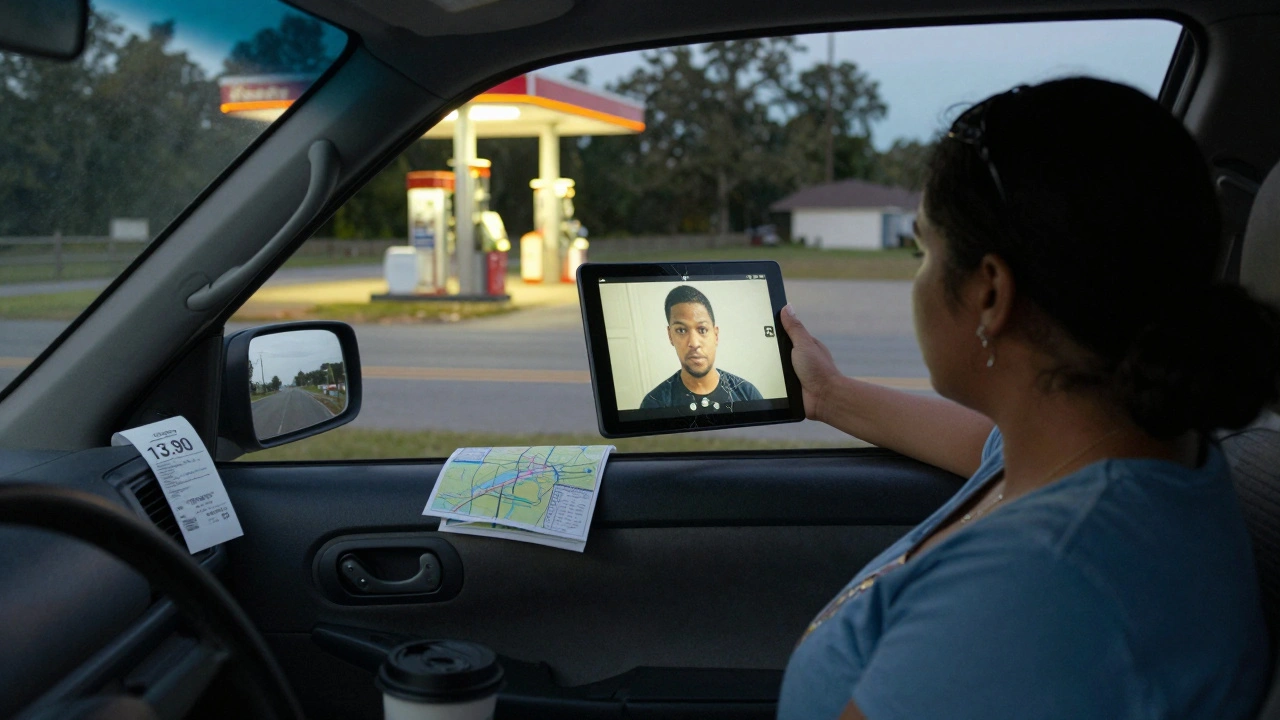
What Facilities Say vs. What Families Experience
Correctional staff argue video visits reduce contraband, cut staffing costs, and let families visit from home. They say it’s safer for kids not to walk through prison hallways. And yes, those are real concerns. But they ignore the bigger picture. When families can’t visit in person, they stop visiting at all. A 2020 study found that families who couldn’t get in-person visits were 40% less likely to schedule video calls-even if they were cheaper. Why? Because the emotional weight of seeing someone through a screen, knowing you can’t hug them, is too heavy. Many families just give up. And it’s not just about recidivism. It’s about dignity. When a mother can’t kiss her son goodbye before he’s locked up again, when a father misses his daughter’s first steps because the video froze, those moments don’t come back.Where the Law Is Changing
Not everywhere is going all-in on video. California and Texas now require prisons to keep in-person visits even if they offer video. Massachusetts banned replacing in-person visits with video calls in 2018. In North Carolina, Sheriff Gary McFadden made restoring in-person visits his campaign promise-and he did it. He didn’t just say it was better. He showed the data: fewer fights inside jail, better behavior, lower reoffending rates. His words stick: “Allowing our residents to stay connected to family and loved ones through in-person visits improves public safety.” That’s not opinion. It’s evidence. And it’s why places like New York City now offer free video visits on Fridays-alongside in-person visits. They’re not replacing. They’re supplementing.
The Real Solution: Keep Both, Make Them Fair
The answer isn’t to pick one. It’s to fix both. In-person visits need to be more accessible. Families shouldn’t have to drive 100 miles just to see someone for an hour. Prisons should offer more visitation hours. They should provide free or low-cost bus passes. They should train staff to treat visitors with respect, not suspicion. And video visits? They should be free, reliable, and available to everyone. No paywalls. No glitches. No forced travel to a kiosk. They should be an option for families who truly can’t make the trip-not a replacement for those who can. Right now, the system is built around convenience for prisons, not connection for families. That’s backwards. The goal shouldn’t be to cut costs. It should be to cut recidivism.What Families Need to Know
If you’re trying to visit someone in prison:- Check your state’s policy. Some states require in-person visits even if video is offered.
- Ask if free video visits are available. Some facilities offer one free visit per week or month.
- Find out if there’s a public visitation center nearby. Some jails have them for families without devices.
- Call the facility directly. Rules change often, and websites aren’t always updated.
- Advocate. If video visits replaced in-person ones where you live, talk to local officials. Share your story.
What’s Next?
The tide is turning. More researchers, advocates, and even correctional leaders are saying: stop replacing in-person visits. Start supporting them. In 2026, we know what works. We know that when families stay connected, people don’t return to prison. We know that a hug beats a pixelated wave. We know that cost-cutting shouldn’t cost humanity. The question isn’t whether video visitation has a place. It’s whether we’re willing to let it replace something irreplaceable.Can I still visit my loved one in person if the prison offers video visits?
It depends on the state and facility. Some prisons offer both, some have replaced in-person visits entirely. States like California, Texas, and Massachusetts have laws requiring in-person visits to remain available even if video is offered. Always call the facility directly to confirm current policies-many websites aren’t updated.
How much do video visits cost in state prisons?
Costs vary widely. In Minnesota, video visits cost $3.50 for 15 minutes after pandemic discounts. In Louisiana’s Jefferson Parish, they can cost up to $12.99 for 20 minutes. Texas offers some free visits once a month but charges up to $10 elsewhere. Some facilities require you to pay for a device rental or travel to a visitation center, adding hidden costs.
Do video visits reduce recidivism like in-person visits do?
No. Research from the Minnesota Department of Corrections and the Vera Institute shows that in-person visits are linked to lower re-arrest rates and better employment outcomes after release. Video visits can help when in-person visits aren’t possible, but they don’t produce the same results. They’re a supplement, not a replacement.
What if I don’t have a smartphone or internet?
Some jails have public video visitation centers where families can use tablets for free or at reduced cost. Others offer phone calls as an alternative. Check with the facility to see if they provide devices or transportation help. If not, contact local nonprofits or advocacy groups-they often assist families with visitation costs.
Why are prisons pushing video visits if they’re worse for families?
Prisons say video visits reduce staffing needs, cut contraband risks, and allow longer hours. But research shows the real driver is revenue. Video visitation companies like JPay earn money from every call. Facilities often sign contracts that give them a cut of the profits. This financial incentive has led many to eliminate in-person visits, even when research says it harms public safety.