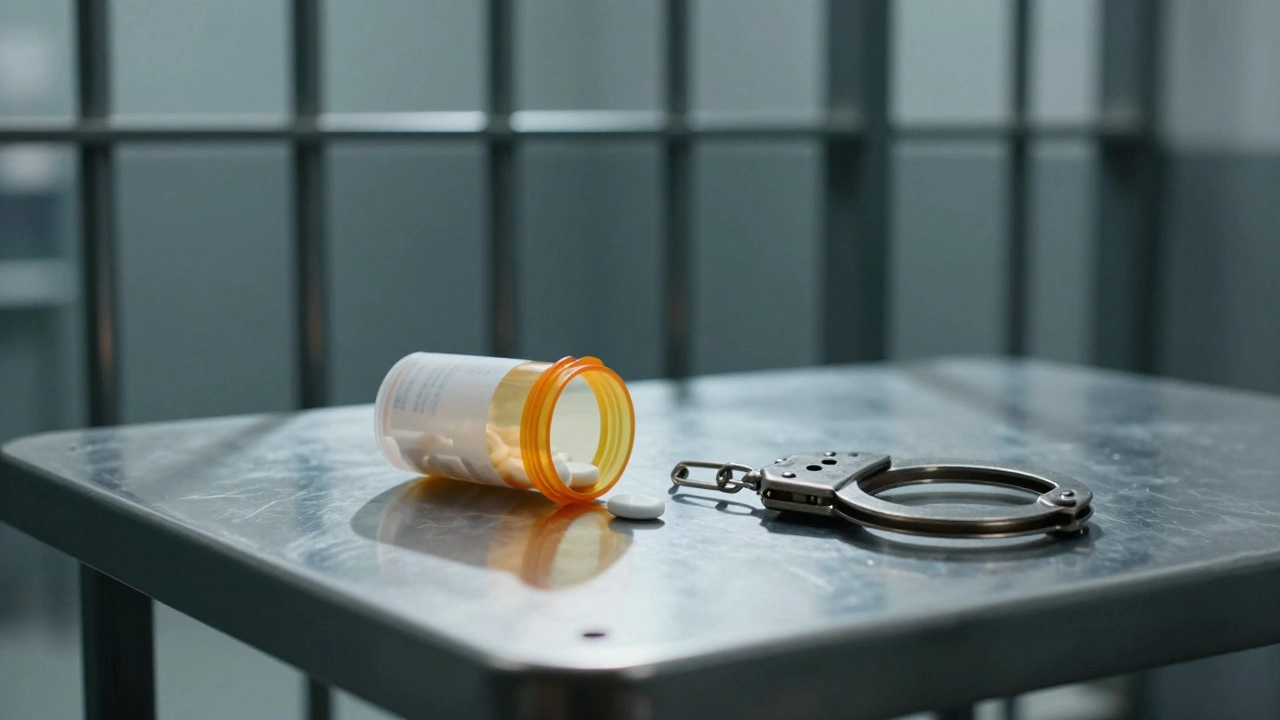
Imagine being arrested while struggling with a severe mental health condition. You've spent years stabilizing your life with a specific medication regimen, but the moment you are processed into a jail cell, that lifeline is cut. For thousands of people, this isn't a hypothetical-it's a systemic failure. When psychiatric medications are abruptly stopped at intake or forgotten at release, the result isn't just a medical lapse; it's often a fast track back to a crisis or another arrest.
The gap in psychiatric medication continuity is the failure to maintain consistent pharmacological treatment for individuals with mental illness as they move between community settings and correctional facilities. It is a critical point of failure in the criminal justice system that transforms manageable health conditions into acute emergencies.
The Intake Gap: When Treatment Stops at the Door
The transition from the street to a cell is often chaotic. While most jails have screening processes, these rarely translate into immediate medical care. A shocking amount of people who were medicated before arrest simply stop receiving their treatment upon admission. In the US, research shows that more than 50% of people medicated for mental health conditions at the time of admission do not receive pharmacotherapy while incarcerated.
This isn't always about a patient refusing meds. In many cases, the system just drops the ball. For instance, a UK study found that nearly half of the cases where medications were stopped showed no evidence of patient refusal or a clinical decision to change the drug. Often, medications like hypnotics and anxiolytics used for anxiety and sleep are the first to be cut, while antipsychotics for schizophrenia are more likely to be maintained because the symptoms are more overt and disruptive to jail management.
The danger here is biological. Abruptly stopping psychiatric meds can trigger discontinuation syndromes or a full-blown relapse. When a person enters a high-stress environment like jail while experiencing withdrawal or a symptom spike, the risk of behavioral escalation and suicide increases dramatically. It creates a dangerous cycle where the person's behavior is seen as "difficult" or "aggressive" when it is actually a medical crisis caused by the facility's own lack of continuity.
Barriers to Consistent Care Inside the Walls
Why does this happen? The hurdles are usually administrative. Many jails require a level of verification that is nearly impossible to achieve in a timely manner. Some facilities only provide medication if they can verify an active prescription from an outside pharmacy or doctor. While this sounds like a safety measure, it often acts as a barrier that delays treatment for days or weeks.
Furthermore, some jails require a full evaluation by a prescribing provider before any medication is released to the inmate. While a psychiatric assessment is important, using it as a gatekeeper for existing, stable medications often leads to unnecessary gaps in care. The logic should be: maintain stability first, then assess for changes.
| Scenario | Typical System Failure | Clinical/Legal Consequence |
|---|---|---|
| Jail Intake | Medication stopped pending verification | Acute relapse, withdrawal, increased suicide risk |
| Incarceration | Inconsistent prescribing across facilities | Unstable mood, behavioral escalation, poor jail management |
| Release | Lack of medication supply (or short supply) | Crisis upon reentry, high risk of recidivism |
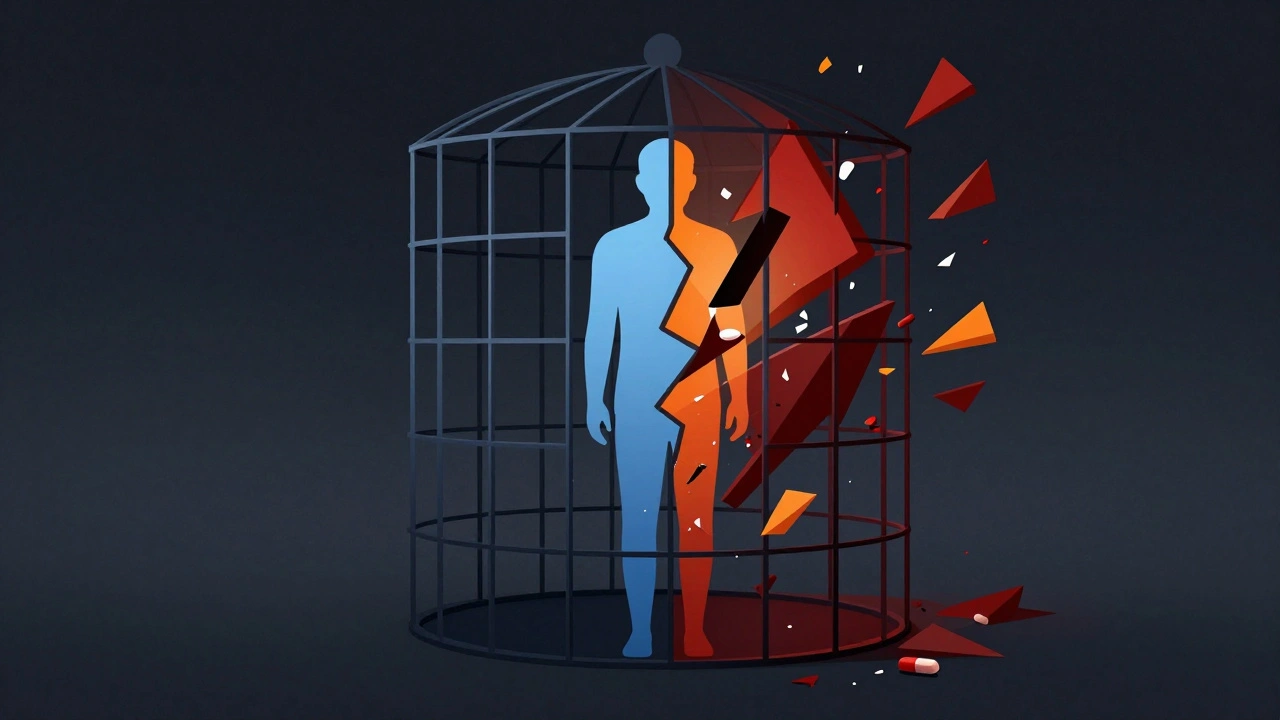
The Release Crisis: A Window of Vulnerability
If intake is a gap, release is often a canyon. The period immediately following release from jail is the most volatile time for a person with a mental illness. Yet, discharge planning is frequently an afterthought. In a survey of Minnesota county jails, it was found that while most jails acknowledge inmates use mental health meds, prerelease planning for those specific needs is rarely performed.
The amount of medication provided upon release varies wildly-anywhere from a 2-day supply to a 30-day supply. A two-day supply is practically useless for someone who may be homeless, lack transportation, or have no immediate way to contact a doctor. Best practices suggest a 30-day supply to bridge the gap until the person can secure a community appointment.
When people leave jail without their meds, they don't just "feel bad." They often experience a total collapse of their stability. This leads to a phenomenon that jail staff themselves have observed: increased recidivism. People aren't necessarily returning to jail because they want to commit more crimes; they are returning because they are off their medications and in a mental health crisis, which leads to police intervention and subsequent re-arrest.

Bridging the Gap: From Custody to Community
Fixing this requires moving away from a "warehouse" mentality toward a continuum-of-care model. This means the planning for release starts the day the person is admitted, not the day they walk out the door. True continuity requires a handshake between the jail, community mental health providers, and pharmacies.
One of the most effective indicators of success is whether a person has an outpatient visit within six months post-release. Data shows that those who maintain their medication continuity are significantly more likely to engage with the broader healthcare system. In other words, the pill bottle is the hook that keeps them connected to a doctor, a therapist, and a support system.
To actually make this work, facilities need to implement a few concrete changes:
- Standardized Intake Protocols: Prioritize the continuation of stable medications over immediate rigorous verification that delays care.
- Mandatory 30-Day Supplies: Ensure every person leaving the system has a full month of medication to prevent immediate relapse.
- Inter-Agency Collaboration: Create formal pipelines where jail health officers coordinate directly with community clinics before the release date.
- Patient-Centered Discharge: Instead of telling a person to "go to a pharmacy," provide the physical medication and a confirmed appointment date.
The Human Cost of Systemic Failure
We have to stop treating medication continuity as a clerical issue. It is a public health imperative. When we fail to provide psychiatric meds at intake or release, we are essentially guaranteeing that a percentage of the population will fail upon reentry. If the goal of the justice system is truly rehabilitation and public safety, then ensuring a person stays on their medication is one of the most cost-effective, evidence-based interventions available.
The evidence is clear: when medication is consistent, stability follows. When stability follows, recidivism drops. The tools to fix this-better coordination, longer discharge supplies, and streamlined intake-already exist. What's missing is the systemic will to implement them across every county and state.
Why is medication often stopped upon entering jail?
Many jails have strict verification policies. They may refuse to provide medication until they can confirm the prescription with an outside pharmacy or doctor. Additionally, some facilities require a new evaluation by a jail provider before any psychiatric drug can be administered, which creates a dangerous gap in treatment.
How does medication discontinuity lead to recidivism?
When people are released without their psychiatric medications, they are at high risk for symptom recurrence and acute crises. These crises often manifest as erratic behavior or public disturbances that lead to police contact and re-arrest, even if no new crime was intended.
What is the recommended amount of medication to provide at release?
While some jails provide as little as 2 days of medication, best practice guidelines recommend a 30-day supply. This ensures the individual has enough time to find a community provider and secure a new prescription without experiencing a lapse in treatment.
Are all psychiatric medications treated the same in jail?
No. Medications for more overt conditions, like antipsychotics for schizophrenia, are more likely to be continued because the symptoms are more visible to staff. Medications for depression or anxiety (like anxiolytics) are more frequently discontinued upon intake.
Does a psychiatric assessment at intake guarantee medication continuity?
Surprisingly, research indicates that receiving a psychiatric assessment within the first week of custody is not strongly associated with whether a person's previous medication is continued. Assessment is a good start, but it doesn't always lead to the actual provision of the drug.