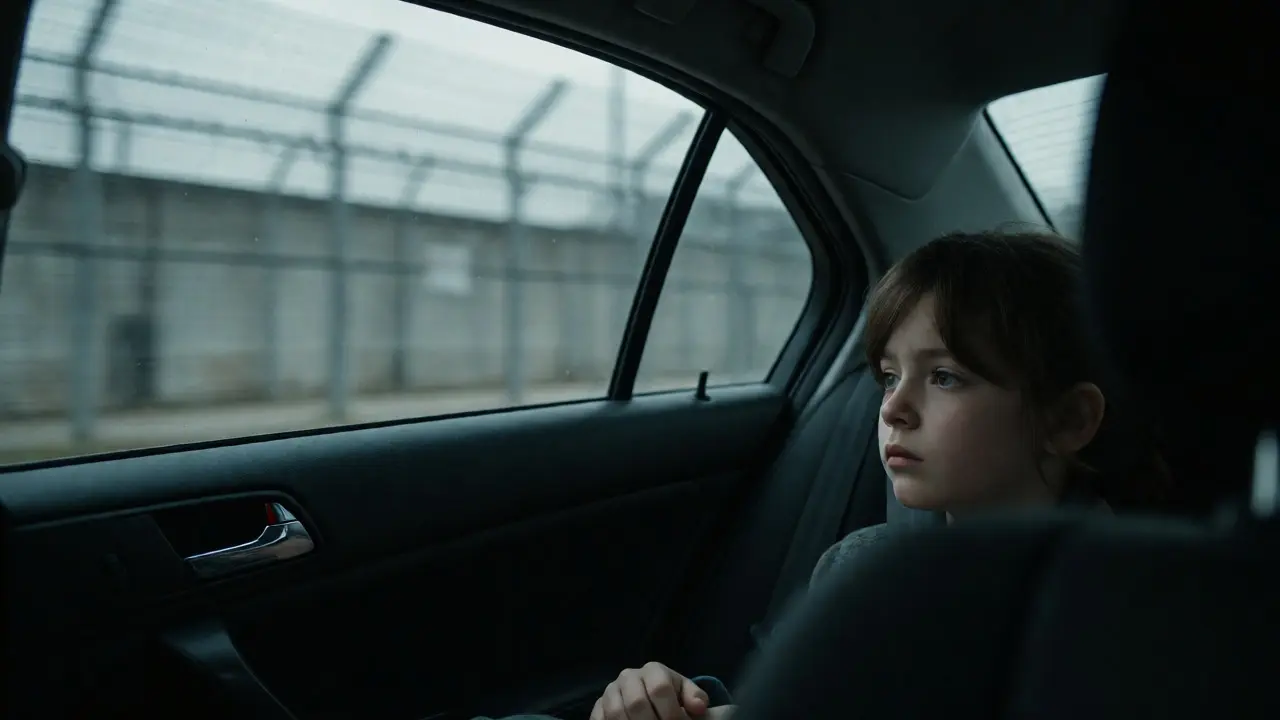
You just walked out of the prison parking lot. The gate clanged shut behind you. In the backseat, your seven-year-old is staring out the window, silent. Or maybe they’re screaming because they didn’t want to leave. Either way, the car ride home feels heavier than it should. This isn’t just a bad mood. It’s post-visit grief, a specific type of emotional reaction children experience after seeing an incarcerated parent and being forced to separate again. It’s messy, unpredictable, and often misunderstood by teachers, grandparents, and even well-meaning friends who think "at least they got to see Dad." But for the child, the goodbye is the hardest part.
Why Goodbyes Hit Harder Than Hellos
Think about how we usually handle separations. You drop kids at school? They cry for ten minutes, then forget you exist until pickup. That works because school is predictable. Prison visits are different. They are high-stakes emotional events wrapped in bureaucratic red tape. When a child leaves a correctional facility, they aren’t just leaving a building; they are leaving the only place where their parent exists as "Mom" or "Dad" rather than "Inmate #45902."
The psychological whiplash is real. During the visit, the child might have felt safe, loved, and normal. Then, boom-security checks, metal detectors, and the drive back to reality. This sudden shift triggers what psychologists call ambiguous loss. Unlike death, where there’s closure, ambiguous loss involves physical absence but psychological presence. The parent is alive but inaccessible. This uncertainty keeps the child’s stress hormones elevated long after the car engine turns off.
Decoding Your Child’s Behavior
Kids rarely say, "I am experiencing complex trauma related to systemic incarceration." Instead, they act it out. If you’ve noticed changes in behavior in the 24-72 hours after a visit, you’re not imagining things. Here is what that looks like in practice:
- Regression: A potty-trained four-year-old suddenly has accidents. An independent eight-year-old wants to sleep in your bed every night. Regression is a subconscious attempt to seek safety when the world feels unstable.
- Aggression or Withdrawal: Some kids punch walls or yell at siblings. Others go completely mute, refusing to talk about the visit. Both are coping mechanisms. Aggression externalizes the pain; withdrawal internalizes it.
- Sleep Disruption: Nightmares are common. So is insomnia. The brain processes emotional stress during REM sleep. If the day was emotionally charged, the night will be turbulent.
- Physical Complaints: Stomachaches and headaches with no medical cause. Children somatize anxiety. Their bodies feel what their mouths can’t express.
Don’t take this personally. If your child snaps at you for making them eat dinner, it’s not about the broccoli. It’s about the fact that they couldn’t hug their mom for two more minutes.

The Immediate Aftermath: First 24 Hours
How you handle the drive home sets the tone for the rest of the week. Avoid the trap of asking, "Did you have fun?" That question implies the visit was entertainment. For many kids, it was work. Try these strategies instead:
- Name the Feeling: Say, "It looked like you were sad when we left." Validation reduces shame. If they deny it, don’t argue. Just let the observation hang in the air.
- Create a Ritual: Have a consistent post-visit routine. Maybe you stop for ice cream. Maybe you listen to a specific playlist. Predictability counters the chaos of the prison environment.
- Limit Questions: Don’t interrogate them about what they talked about. Let them volunteer information. If they want to talk, listen. If they don’t, respect the silence.
In Portland, Oregon, where I live, many families rely on community support groups. These aren’t just for adults. Programs like those run by local nonprofits often offer peer support for kids. Connecting with other children who understand the weirdness of prison visits helps normalize the experience. Your kid isn’t "weird" for crying in the parking lot; they’re reacting exactly as expected.
Long-Term Emotional Processing
The effects of a visit don’t end when the tears dry up. Weeks later, you might see lingering anxiety. This is where therapeutic play becomes crucial. Therapeutic play uses toys, art, and role-play to help children process traumatic experiences without needing advanced verbal skills. It allows them to reenact the visit on their terms.
If your child draws pictures of the prison, ask open-ended questions. "Tell me about this person." "What is happening here?" You might discover fears you didn’t know existed. Maybe they’re worried about whether the food inside is good. Maybe they’re angry that their dad missed their soccer game last month. Play lets them test hypotheses about power and control.
| Behavior | Possible Underlying Emotion | Recommended Response |
|---|---|---|
| Refusing to talk about the visit | Overwhelm or Fear | Respect silence; offer presence without pressure |
| Acting out aggressively | Frustration or Anger | Set firm boundaries; validate anger without punishing it |
| Clinginess | Insecurity / Abandonment Anxiety | Provide extra reassurance; maintain routines |
| Hyperactivity | Unprocessed Adrenaline | Engage in physical activity (running, swimming) |

Talking About the Parent Without Burdening the Child
One of the hardest parts of supporting a child through this is managing your own emotions. If you’re the visiting parent, you’re likely exhausted too. If you’re the caregiver at home, you might feel resentment toward the incarcerated partner. Kids pick up on this tension faster than you think.
Avoid saying things like, "Your dad loves you so much," if the child is feeling abandoned. To a child, love doesn’t explain absence. Instead, focus on facts and feelings. "Your dad misses you. He wishes he could be here for homework time. It makes him sad that he can’t come to your recital." This validates the sadness without forcing a narrative of happy reunion.
Also, be careful with promises. Never promise a release date unless it’s legally certain. Parole boards change minds. Sentences get modified. Broken promises deepen distrust. Use phrases like, "We hope he comes home soon," rather than, "He’ll be home next month."
When to Seek Professional Help
Not all post-visit reactions need therapy, but some do. Watch for these red flags:
- Behavioral issues persist for more than two weeks.
- The child develops new phobias (e.g., fear of loud noises, confined spaces).
- Academic performance drops significantly.
- The child expresses suicidal thoughts or self-harm behaviors.
If you see these signs, consult a child psychologist familiar with trauma-informed care. Trauma-informed care recognizes the widespread impact of trauma and integrates knowledge about its role into all areas of service provision. Standard talk therapy might fail if the therapist doesn’t understand the unique stigma of incarceration.
How long do post-visit emotions typically last?
For most children, acute distress lasts 24 to 72 hours. However, low-level anxiety or behavioral shifts can linger for a week or more. If symptoms persist beyond two weeks, it may indicate unresolved trauma requiring professional intervention.
Should I force my child to talk about the visit?
No. Forcing conversation can make the child feel pressured or unsafe. Offer opportunities to talk through play, drawing, or casual conversation, but respect their right to remain silent. Silence is a valid coping mechanism.
Is it normal for children to feel angry at the incarcerated parent?
Yes, absolutely. Anger is a natural response to abandonment and confusion. Children may blame the parent for being away. Validate this anger without defending the parent excessively. Acknowledge that the situation is unfair.
How can schools support children with incarcerated parents?
Schools can provide discreet accommodations, such as allowing breaks during stressful days or avoiding projects that assume traditional family structures. Teachers should be trained to recognize behavioral changes linked to visitation schedules.
What if my child refuses to visit anymore?
This is common. Visits can be overwhelming due to security procedures and emotional intensity. Explore alternatives like phone calls or video chats. Do not force visits, as this can create negative associations with the relationship.