
For decades, the prevailing wisdom in corrections was simple: nothing works. That mindset shifted dramatically with the rise of evidence-based practices, specifically focusing on how we measure success inside prison walls. We aren't just looking at whether someone stays out of trouble during their sentence; we are asking if their thinking patterns have actually changed. This article breaks down what we know about evaluating prison rehabilitation programs, which target cognitive distortions and behavioral habits to reduce reoffending rates.
The shift from punishment-only models to rehabilitative ones hinges on two things: changing how an offender thinks (cognitive outcomes) and changing what they do (behavioral outcomes). If you want to understand if these interventions hold water, you have to look past the marketing and into the data on recidivism, institutional misconduct, and psychological shifts.
The Shift from "Nothing Works" to Risk-Need-Responsivity
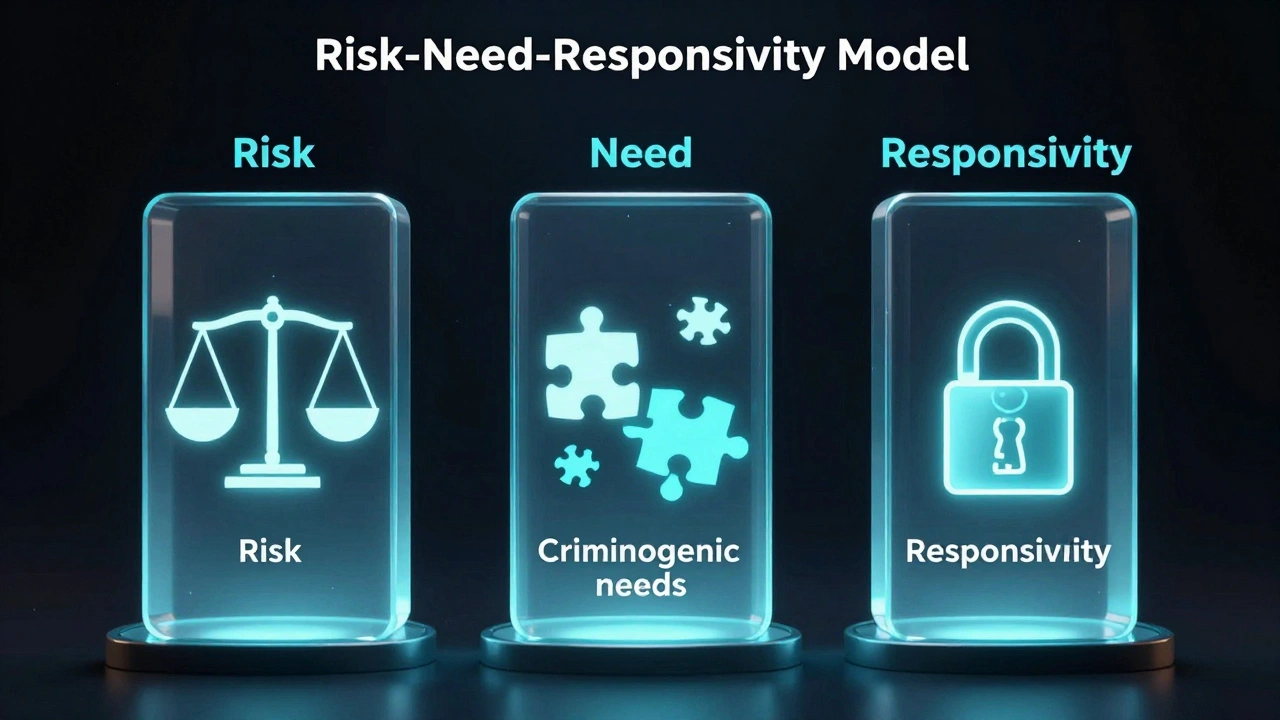
In the 1970s, a review by Robert Martinson famously declared that rehabilitation efforts had no effect on recidivism. It wasn't until the late 1980s that researchers Donald Andrews and James Bonta introduced the Risk-Need-Responsivity (RNR) model. This framework completely changed the game. The RNR model argues that effective treatment must match the intensity of the program to the risk level of the offender, target dynamic criminogenic needs (like antisocial attitudes), and use methods matched to the person's learning style.
When programs follow these principles, particularly using cognitive-behavioral techniques, the results are starkly different. Meta-analyses show that when these specific criteria are met, recidivism drops significantly compared to unstructured counseling or purely punitive approaches.
Cognitive Behavioral Therapy in Corrections
Cognitive Behavioral Therapy (CBT) is a structured psychological intervention designed to identify and change negative thought patterns and behaviors has become the gold standard in prison rehabilitation. Programs like Reasoning & Rehabilitation (R&R) and Moral Reconation Therapy (MRT) are staples in many facilities. These curricula usually run for 8 to 30 weeks and involve group sessions focused on problem-solving, empathy, and self-control.
The goal here is to attack criminal thinking directly. Offenders often minimize harm, feel entitled, or blame others. CBT forces them to confront these distortions. Evaluations consistently show that participants in high-quality CBT programs demonstrate measurable improvements in moral reasoning and impulse control. More importantly, these cognitive shifts translate to action. Studies, including those reviewed by the Campbell Systematic Reviews, indicate that CBT can reduce recidivism by 20% to 30% compared to control groups.
Dialectical Behavior Therapy for Emotional Dysregulation
While CBT is broad, some offenders struggle specifically with intense emotional volatility and self-harm. For this population, Dialectical Behavior Therapy (DBT) is a specialized form of therapy developed to treat borderline personality disorder and chronic suicidality by teaching mindfulness and distress tolerance has emerged as a powerful tool. Originally created by Marsha Linehan, DBT has been adapted for correctional settings to address impulsivity and aggression.
Data referenced by the U.S. Department of Justice suggests that DBT can be even more potent than traditional CBT for certain groups. In some justice settings, DBT programs have reported reincarceration rate reductions of up to 40%. This massive drop is attributed to the program's focus on emotion regulation and interpersonal effectiveness, helping inmates manage stress without resorting to violence or rule-breaking.
| Program Type | Primary Focus | Target Population | Estimated Recidivism Reduction |
|---|---|---|---|
| Cognitive Behavioral Therapy (CBT) | Criminal thinking, problem-solving | General offender population | 20% - 30% |
| Dialectical Behavior Therapy (DBT) | Emotion regulation, self-harm | High emotional dysregulation | Up to 40% |
| Moral Reconation Therapy (MRT) | Moral reasoning, values | Substance abuse and general | Variable (often 15-25%) |
| Therapeutic Communities | Peer accountability, lifestyle change | Drug-dependent offenders | 10% - 30% |
Behavioral Outcomes Inside the Facility
Before we can talk about post-release success, we have to look at behavior inside the prison. Do these programs actually make the environment safer? The answer is generally yes, but it depends on the implementation. Programs that emphasize anger control and cognitive restructuring are associated with fewer disciplinary reports. Inmates learn to de-escalate conflicts rather than react violently.
However, not all interventions work equally well. Some studies suggest that programs focusing heavily on victim-impact exercises without deep cognitive work may yield worse behavioral outcomes. The key is active skill-building. When inmates practice new ways of handling frustration in real-time, institutional misconduct drops. This serves as a crucial intermediate metric; if they can't behave inside, they likely won't behave once released.
Factors That Determine Success
Not every inmate benefits equally from rehabilitation. Several factors moderate the effectiveness of these programs:
- Risk Level: High-risk offenders benefit most from intensive treatment. Low-risk offenders often don't need such heavy intervention and may even be negatively affected by associating with higher-risk peers.
- Criminogenic Needs: Programs must target dynamic risks like substance abuse, antisocial peers, and criminal attitudes. Focusing solely on non-criminogenic issues like low self-esteem yields little impact on recidivism.
- Dosage and Intensity: Brief interventions rarely stick. Effective programs require significant time-often more than 20 sessions-and sustained engagement.
- Implementation Quality: Staff training matters. Programs run by motivated staff with low dropout rates produce better results. Coercive participation, where inmates are forced into therapy, can dampen engagement and limit genuine cognitive change.

Challenges in Evaluation
Evaluating these outcomes isn't straightforward. Randomized controlled trials (RCTs) in prisons face unique hurdles. Inmates move between facilities, drop out of programs, or are released early, making long-term follow-up difficult. There is also the issue of selection bias; motivated individuals might self-select into programs, inflating success rates if not properly controlled.
Furthermore, recidivism is often measured as a binary endpoint (rearrested or not) over 12 to 36 months. This misses the nuance of partial successes or temporary setbacks. Recent reviews call for more standardized mental health endpoints and longer follow-up periods to get a true picture of desistance from crime.
The Economic Case for Rehabilitation
Beyond ethics, there is a hard economic argument for effective rehabilitation. With incarceration costs soaring, reducing recidivism saves money. Benefit-cost analyses from organizations like the Washington State Institute for Public Policy show that well-implemented CBT programs generate net monetary benefits. By preventing even a fraction of rearrests, the state saves on police, court, and prison expenses while reducing victimization in communities.
How much does CBT reduce recidivism?
Meta-analyses, such as the Campbell Systematic Review, indicate that representative CBT programs can reduce recidivism by 20% to 30% compared to control groups. However, this varies based on program quality and the risk level of the participant.
Is Dialectical Behavior Therapy (DBT) better than CBT in prisons?
DBT appears superior for specific populations, particularly those with high emotional dysregulation or histories of self-harm. Some DOJ-referenced studies show DBT can reduce reincarceration by up to 40%, outperforming traditional relapse prevention CBT in these contexts.
Why do some prison rehabilitation programs fail?
Failure often stems from poor implementation, including low dosage, untrained staff, or coercive enrollment. Additionally, programs that do not target criminogenic needs (like criminal thinking) or that mismatch the intensity to the offender's risk level tend to show null or negative effects.
What is the Risk-Need-Responsivity (RNR) model?
The RNR model is a framework for effective correctional treatment. It states that treatment should match the intensity to the offender's risk level (Risk), target dynamic factors linked to crime (Need), and use methods suited to the individual's learning abilities (Responsivity).
Do educational programs help reduce recidivism?
Yes, meta-analyses show that educational and vocational programs can reduce recidivism by 10% to 30%. While they focus less on cognitive distortions than CBT, they improve self-efficacy and future orientation, providing practical tools for post-release employment.