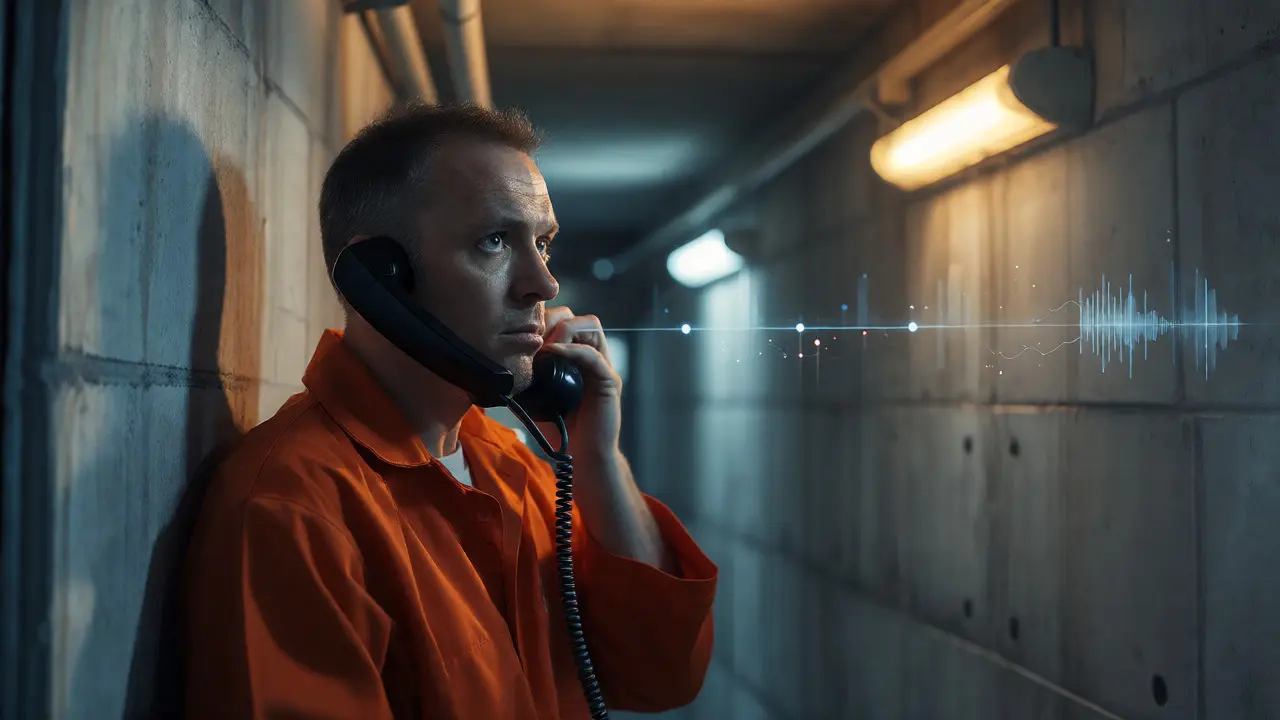
Imagine trying to call your family from a concrete cell, but every word you speak is being watched, recorded, and analyzed by an algorithm before it even reaches the receiver. That’s the reality for millions of incarcerated individuals today. Prison phone systems are no longer just simple landlines with high per-minute rates; they have evolved into sophisticated surveillance hubs powered by advanced voice recognition and automated security protocols. If you’ve ever wondered how facilities keep track of who is talking, what they’re saying, and whether that conversation poses a threat, you’re looking at a complex web of biometric data and regulatory compliance.
The shift from analog monitoring to digital intelligence has changed everything. In the past, guards might listen in on random calls or review tapes days later. Today, real-time analytics flag keywords instantly. This isn’t just about catching contraband orders; it’s about managing institutional safety and verifying identity without human bias-or error. But this technology comes with trade-offs. It affects privacy, costs, and the very nature of human connection behind bars. Let’s break down exactly how these tools work, why they matter, and what they mean for inmates, families, and the corrections industry as a whole.
The Evolution from Analog Tapes to AI-Driven Monitoring
For decades, prison communications were defined by physical limitations. Calls were routed through payphones attached to walls, often requiring coins or prepaid cards. Monitoring was manual. A guard might sit in a room with headphones, flipping through channels, hoping to catch something suspicious. This method was inefficient, prone to fatigue, and incredibly expensive due to labor costs. The introduction of digital VoIP (Voice over Internet Protocol) technology changed the infrastructure, allowing for better audio quality and lower transmission costs. However, the true revolution arrived with the integration of software capable of processing speech patterns automatically.
Voice recognition technology, also known as speaker identification, uses unique vocal characteristics-like pitch, tone, and cadence-to verify who is speaking. Unlike facial recognition, which can be fooled by masks or poor lighting, voice biometrics analyze thousands of data points in a second. When an inmate picks up the phone, the system doesn’t just connect the call; it initiates a handshake between the caller’s voice print and the database. If the voice matches the registered user, the call proceeds. If it doesn’t, the system flags the anomaly immediately.
This transition wasn’t driven solely by efficiency. Legal pressures played a huge role. Court rulings regarding inmate privacy rights forced facilities to adopt more precise monitoring methods. Blanket recording of all calls raised Fourth Amendment concerns. By using targeted algorithms that only alert staff when specific criteria are met, prisons could argue their surveillance was reasonable and necessary, rather than arbitrary.
How Voice Biometrics Verify Identity Behind Bars
You might think identifying a caller is as simple as asking, "Who is calling?" But in a crowded housing unit, impersonation is common. An inmate might borrow another’s PIN code, or worse, use a stolen card. Voice biometrics solve this by creating a unique "voiceprint." Think of it like a fingerprint, but for sound. During enrollment, an inmate speaks specific phrases, and the system maps their vocal tract characteristics. These features remain relatively stable over time, making them reliable for long-term identification.
Here is how the process typically unfolds during a live call:
- Authentication Request: The inmate dials a number. Before the connection completes, the system prompts a verification phrase or analyzes the initial greeting.
- Feature Extraction: The software isolates key acoustic features, ignoring background noise or emotional inflection changes.
- Database Match: The extracted features are compared against the stored voiceprint. A match score is generated (e.g., 95% confidence).
- Access Decision: If the score exceeds the threshold, the call connects. If not, the line drops, or a supervisor is alerted.
This technology prevents unauthorized access effectively. For example, if Inmate A gives his PIN to Inmate B, the system will still reject Inmate B’s call because his voice doesn’t match Inmate A’s profile. This ensures that privileges tied to specific individuals-such as visitation rights or disciplinary status-are respected. It also reduces fraud, where one inmate might use another’s account balance to make personal calls.
| Feature | Traditional PIN/Token System | Biometric Voice Verification |
|---|---|---|
| Security Level | Low (PINs can be shared/stolen) | High (Voice is hard to replicate) |
| User Experience | Fast, familiar | Slight delay for analysis |
| Cost Implication | Lower hardware cost | Higher software licensing fees |
| Error Rate | Zero technical errors, high human error | False positives possible with illness/noise |
| Data Privacy Risk | Minimal (numeric codes) | Moderate (biometric data storage) |
Beyond Identity: Keyword Spotting and Threat Detection
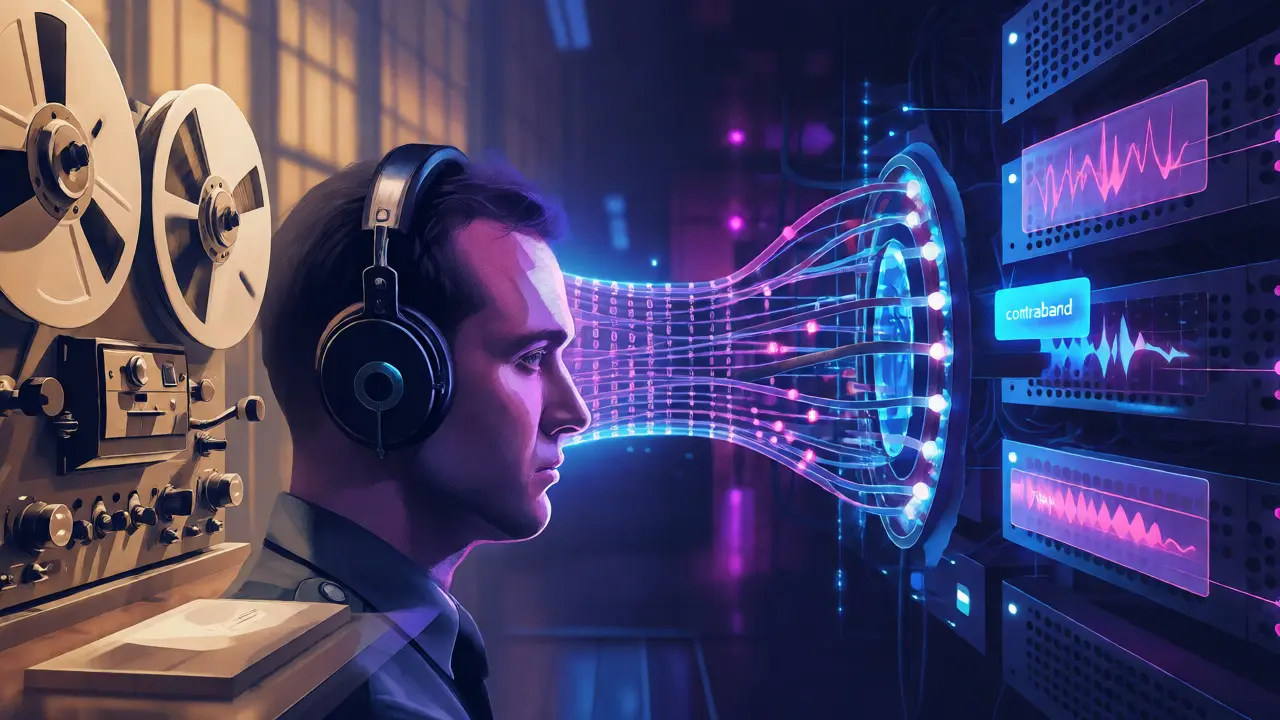
While voice recognition confirms *who* is talking, Natural Language Processing (NLP) determines *what* is being said. This is where things get controversial. Modern prison phone providers integrate keyword spotting engines that scan conversations in real-time. These systems don’t transcribe every word perfectly-accent, slang, and prison jargon make that difficult-but they look for specific triggers.
Common triggers include words related to drugs ("kilo," "brick," "sharps"), weapons ("shank," "blade"), or contraband movement ("drop," "meet me at the yard"). When a trigger word appears, the system logs the timestamp and alerts a monitoring officer. Some advanced setups even use sentiment analysis to detect aggression or distress, potentially preventing fights or self-harm incidents before they escalate.
However, context matters. The word "hit" could refer to a baseball game, a haircut, or violence. Early systems struggled with false positives, leading to unnecessary investigations. Current AI models are trained specifically on correctional dialects to improve accuracy. They learn that "passing the brick" likely refers to drug distribution, whereas "building a house" is harmless. This nuance requires massive datasets of actual prison calls, raising questions about who owns that data and how it’s used beyond immediate security needs.
The Role of Regulatory Compliance and FCC Rules
Technology doesn’t operate in a vacuum. The implementation of these tools is heavily influenced by federal regulations. The Federal Communications Commission (FCC) has stepped in multiple times to regulate prison phone rates, aiming to reduce the financial burden on families. But while the FCC focuses on price caps, individual states and private prison operators decide on the technological infrastructure.
In many jurisdictions, laws require that all inmate calls be recorded. Exceptions usually exist for attorney-client privilege, where calls must be unmonitored. To maintain this legal protection, systems must accurately distinguish between a lawyer’s number and a family member’s. If a voice recognition system mistakenly routes an attorney call through a monitored channel, it could violate constitutional rights. Therefore, the reliability of the database mapping phone numbers to contact types is critical.
Furthermore, the Health Insurance Portability and Accountability Act (HIPAA) may apply if medical issues are discussed, though enforcement in prisons varies. Data retention policies also differ. Some states delete recordings after 30 days; others keep them indefinitely for investigative purposes. This lack of uniformity means that an inmate’s privacy expectations depend largely on geography and the specific vendor contract signed by the facility.
Impact on Families and Inmate Mental Health
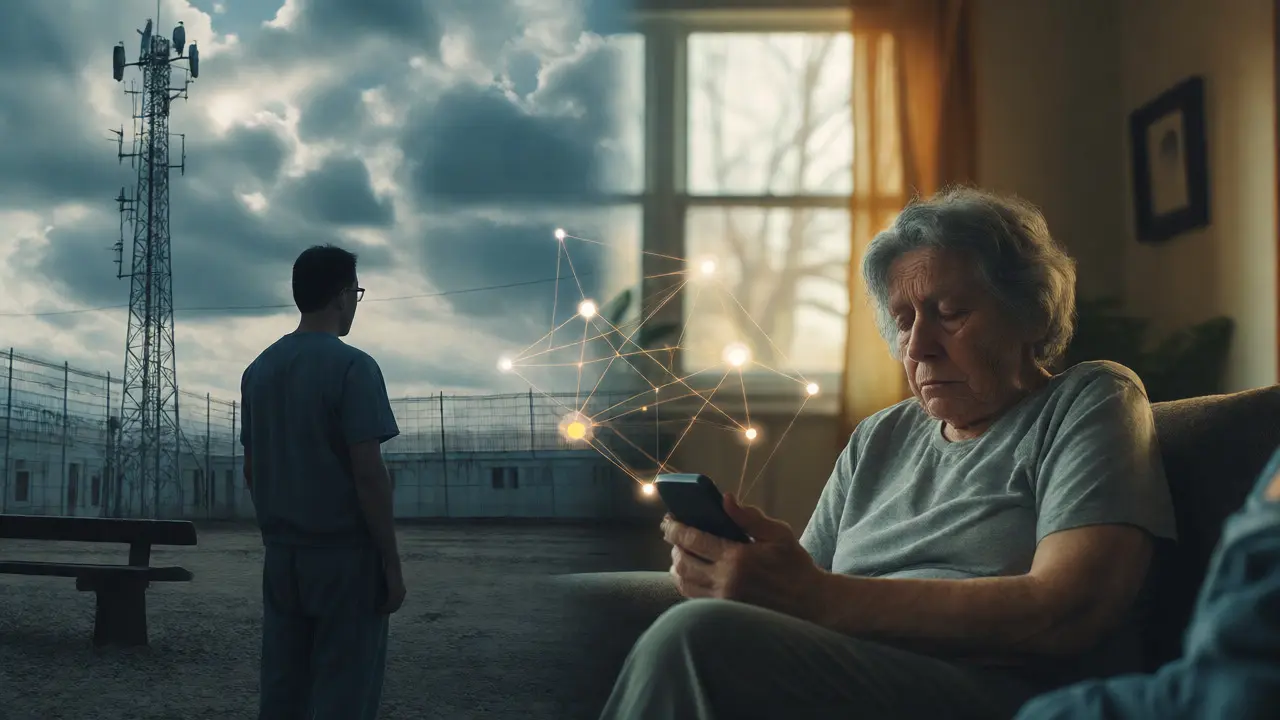
We often talk about technology in terms of security, but we rarely discuss its psychological impact. Knowing that every word is analyzed can create a chilling effect on communication. Inmates may self-censor, avoiding topics that feel sensitive or ambiguous, even if they are innocent. This can strain relationships with spouses, children, and parents who rely on these calls for emotional support.
For families, the frustration is often practical. Technical glitches in voice recognition can block legitimate calls. Imagine a sick parent trying to reach their son, but the system rejects the call because the son’s voice sounds hoarse from a cold. These false negatives cause anxiety and wasted money. Conversely, successful verification provides peace of mind, knowing the person on the other end is truly who they claim to be.
There is also the issue of cost. While voice recognition itself might not add a direct per-minute charge, the infrastructure upgrades are passed down to consumers. High-tech vendors often bundle these services into premium contracts, keeping rates higher than market averages. Advocacy groups argue that this creates a barrier to rehabilitation, as maintaining family ties is proven to reduce recidivism rates. If the cost of connecting becomes too high, those ties fray.
Future Trends: Encryption and Decentralized Storage
As we move further into 2026, the next frontier for prison communications is encryption. Currently, most calls are transmitted over standard networks, potentially vulnerable to interception. Newer systems are adopting end-to-end encryption similar to consumer apps like Signal or WhatsApp. This ensures that only the sender and receiver can decode the content, limiting who within the prison administration can actually listen to the raw audio.
Additionally, there is a push toward decentralized data storage. Instead of storing voiceprints and transcripts on a central server owned by a single vendor, some pilot programs are exploring blockchain-based ledgers. This could provide an immutable audit trail, proving that recordings haven’t been tampered with-a crucial factor for legal admissibility. If a recording is used as evidence in court, the chain of custody must be flawless. Automated logging helps achieve this transparency.
Finally, we may see greater integration with commissary and visitation systems. Your voiceprint could become your universal ID inside the facility, unlocking phones, ordering food, and signing in for visits. This convergence simplifies operations for staff but consolidates massive amounts of personal data into a single identifier, amplifying the stakes of any potential data breach.
Can inmates bypass voice recognition systems?
It is difficult but not impossible. Skilled impersonators might fool older systems, but modern AI analyzes micro-tremors and breath patterns that are hard to fake. Additionally, attempting to deceive the system can result in disciplinary action if detected. Most attempts involve sharing PINs rather than faking voices, which the biometric layer catches easily.
Are attorney-client calls protected from voice monitoring?
Yes, legally, attorney-client communications are privileged. Systems are configured to recognize attorney numbers and route these calls through unmonitored lines. However, technical errors can occur. If a call is accidentally recorded, inmates should report it immediately to preserve their legal rights.
What happens if my voiceprint fails to match?
If the system cannot verify your identity, the call may be dropped or placed on hold pending manual review. Frequent failures might require re-enrollment in the biometric database. Illness, aging, or significant weight loss can alter vocal characteristics, necessitating periodic updates to the voiceprint.
Do voice recognition systems store the actual audio recordings?
Policies vary by state and vendor. Some store only the metadata (time, duration, participants) and the voiceprint template, deleting the audio file after analysis. Others retain full recordings for months or years for investigative purposes. Always check the specific facility’s policy on data retention.
Is voice recognition mandatory in all prisons?
No. Adoption depends on budget, state legislation, and vendor contracts. Some facilities still rely on traditional PIN-based authentication. However, newer installations increasingly include biometric options as a standard feature for enhanced security.