
When someone is sentenced to prison, they’re not just losing freedom-they’re losing access to opportunity. But in many states and at the federal level, a powerful tool is quietly changing that: educational merit credits. These aren’t just feel-good programs. They’re structured, measurable rewards that cut time off a sentence when incarcerated people earn a high school diploma, college degree, or vocational certification. And since July 2023, that path has opened wider than ever before.
What Exactly Are Educational Merit Credits?
Educational Merit Credits (EMC) are time reductions granted to incarcerated individuals for completing approved educational programs. They’re not automatic. You don’t just show up to class and get days knocked off your sentence. You have to finish. You have to pass. You have to prove you’ve learned something that can help you rebuild your life after release. These credits are part of broader rehabilitation efforts tied to state laws and federal policy. In California, for example, completing a high school diploma or GED earns you 180 calendar days off your sentence. That’s over six months. Earning an associate’s, bachelor’s, or even a master’s degree? Also 180 days. And it doesn’t stop there-completing the Offender Mentor Certification Program, which trains incarcerated people to support peers in rehabilitation, counts too. This isn’t charity. It’s strategy. Studies show that people who earn a degree in prison are up to 43% less likely to return to prison. That’s why states like California, New York, and the federal system have built entire credit systems around education.California: The Most Generous System
California’s Proposition 57, passed in 2016, created one of the most comprehensive credit-earning frameworks in the country. It didn’t just stop at educational merit credits. It layered on three other programs:- Milestone Completion Credits (MCC): Earn 1 to 12 weeks per year for completing job training, substance abuse programs, or other rehabilitative courses.
- Rehabilitative Achievement Credits (RAC): Get 10 days off for every 52 hours of volunteer work or self-help programming-like leading a peer support group or tutoring others.
- Good Conduct Credit: If you’re working, in school, or in a training program full-time, you can earn 50% off your sentence just for staying out of trouble.
New York: Credentials Meet Real-World Work
New York’s Merit Time system, established in 1997, is more selective but equally powerful. It doesn’t hand out credits for just any class. You have to show sustained effort. To qualify for Merit Time, you need:- At least two years of successful participation in college courses.
- A Master’s of Professional Studies from Sing Sing Correctional Facility.
- Two years as an Incarcerated Program Associate (IPA)-a peer mentor role that requires training and responsibility.
- A certification from the New York State Department of Labor for completing an apprenticeship.
The Federal Game-Changer: Pell Grants Are Back
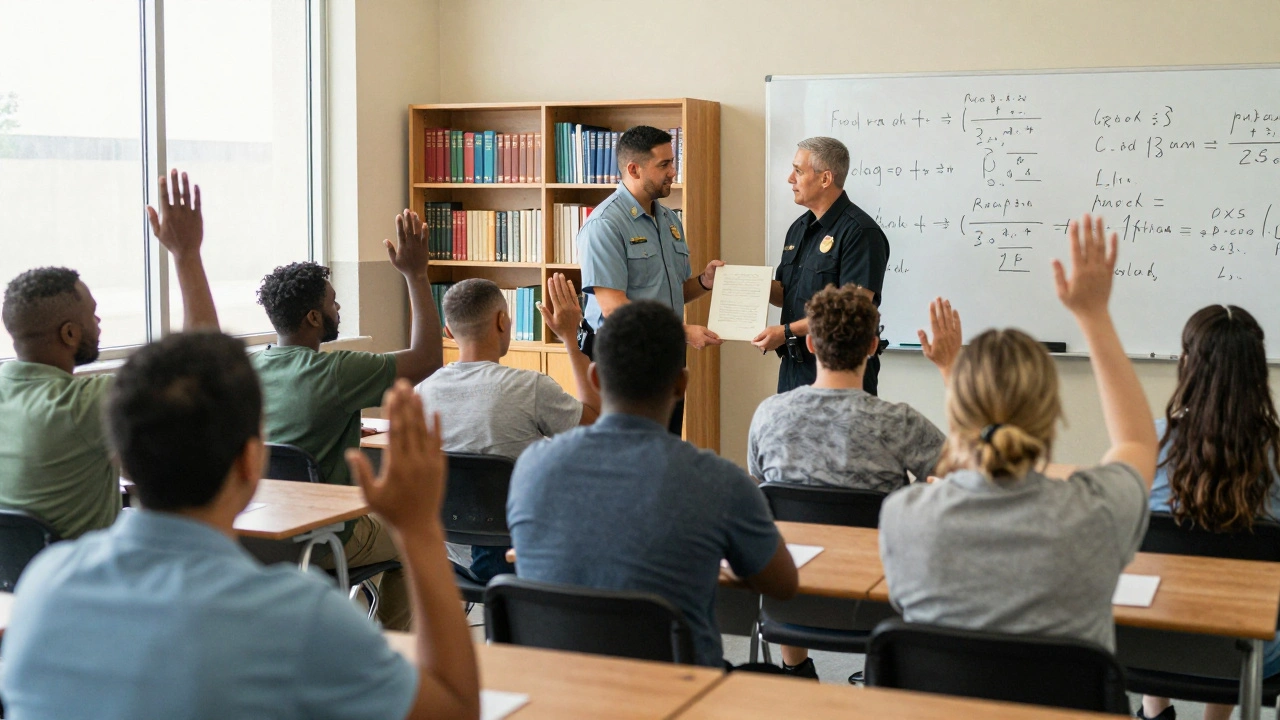
For nearly 30 years, incarcerated people were banned from receiving Pell Grants-the federal financial aid that helps low-income students pay for college. That changed in 2015 with the Second Chance Pell experiment, and then fully in July 2023 when Congress permanently restored access. Now, if you’re in a federal prison or a state facility in a participating state, you can apply for Pell Grants just like any other student. That means you can enroll in community college courses, earn associate degrees, even pursue bachelor’s programs-all with tuition covered. This single policy shift has rewritten the rules. Before 2023, only about 5% of incarcerated people had access to college programs. Today, over 1,000 colleges and universities across the country have applied to offer Prison Education Programs (PEPs). That number keeps growing. There are limits, though. Schools can’t have more than 25% of their students be incarcerated-unless they get a waiver. After five years, that cap can rise to 50%. And if you’re in a PEP, the school must provide your books, supplies, and equipment. No credit balance is allowed. If a refund would happen, the money goes back to the federal government. It’s designed to keep the system clean and focused on education, not bureaucracy.Why This Matters Beyond the Prison Walls
Some people ask: why should society pay for college in prison? The answer is simple: it saves money. And lives. A 2021 RAND Corporation study found that every dollar spent on prison education saves $4 to $5 in re-incarceration costs over three years. Why? Because people who earn credentials in prison get jobs faster, earn more, and stay out of prison. One former inmate in Nevada, after earning a welding certificate through a state program, landed a job at a construction firm within two weeks of release. He’s now employed, paying taxes, and supporting his kids. That’s not an outlier. That’s the pattern. States that invest in prison education see lower rates of violent incidents inside facilities, too. When people have purpose-when they’re learning, growing, and working toward something-they’re less likely to lash out.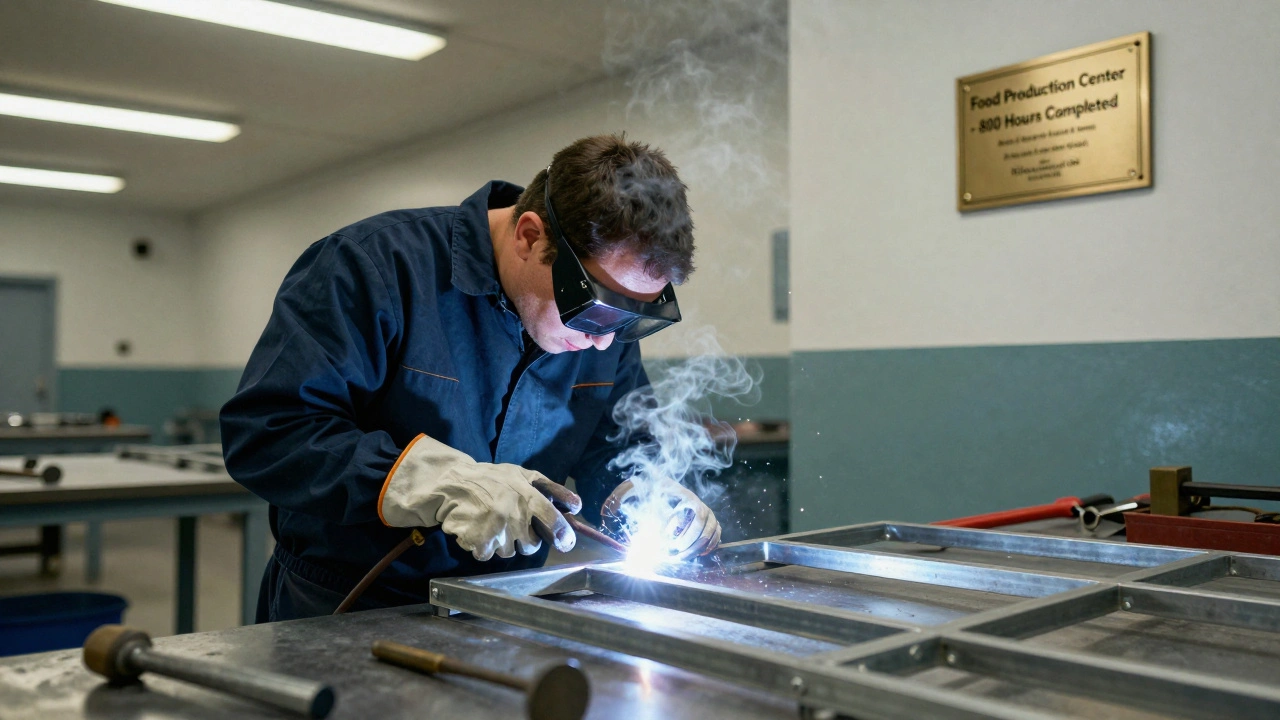
What You Can’t Earn Credits For
Not every class counts. You won’t get time off for:- Watching educational videos without taking a test.
- Attending a one-time workshop.
- Completing a course that isn’t approved by the state or federal system.
How to Start
If you’re incarcerated and want to earn educational merit credits:- Ask your case manager for a list of approved programs in your facility.
- Find out if your state offers Pell Grant access (most do now).
- Enroll in a GED, high school completion, or college course.
- Track your progress. Some systems require you to submit transcripts or certificates to earn credit.
- Stay out of disciplinary trouble. One major violation can wipe out months of progress.
What’s Next?
More states are following California and New York’s lead. Nevada, Washington, and Colorado have expanded their credit systems since 2023. The federal government is now funding training for corrections staff to help inmates navigate these programs. The goal isn’t just to reduce sentences. It’s to reduce recidivism. To give people the tools to become something more than their worst mistake. Education in prison isn’t a perk. It’s a public safety strategy. And it’s working.Can you really get time off your sentence for earning a college degree in prison?
Yes. In states like California and New York, completing an associate’s, bachelor’s, or master’s degree can earn you 180 calendar days off your sentence. Federal prisons also offer credit-earning opportunities through education programs approved by the Department of Education. The exact amount depends on your state’s policy, but in many places, a degree equals six months or more of sentence reduction.
Do you have to pay for college classes in prison?
No, not if you qualify for Pell Grants. Since July 2023, incarcerated individuals are eligible for federal Pell Grants again. These grants cover tuition, books, and supplies. Many state programs also offer free or low-cost courses. Some facilities even provide laptops or tablets for coursework. You don’t need money to start-just the willingness to learn.
Can you earn credits for vocational training, not just academic degrees?
Absolutely. Vocational programs like welding, culinary arts, carpentry, and truck driving certification count toward educational merit credits in most states. New York, for example, gives credit for completing 800 hours of training at its Food Production Center. California includes certifications from its Offender Mentor Program. These programs are designed to give you marketable skills-ones that employers actually want.
What happens if you get into trouble while earning credits?
A serious disciplinary violation can stop your credit-earning progress. In most systems, you must maintain a clean disciplinary record to qualify. Minor infractions might delay your credits, but violent acts, drug possession, or escape attempts can disqualify you entirely. Some states allow you to restart after a waiting period, but you’ll have to reapply and prove you’ve changed.
Are these programs available in all prisons?
Not yet, but they’re expanding fast. Since 2023, over 1,000 colleges and universities have started offering Prison Education Programs. Most state systems now have at least some college or vocational courses available. Federal prisons offer GED, literacy, and job training to nearly all inmates. If your facility doesn’t have a program yet, ask your case manager-it may be coming soon.