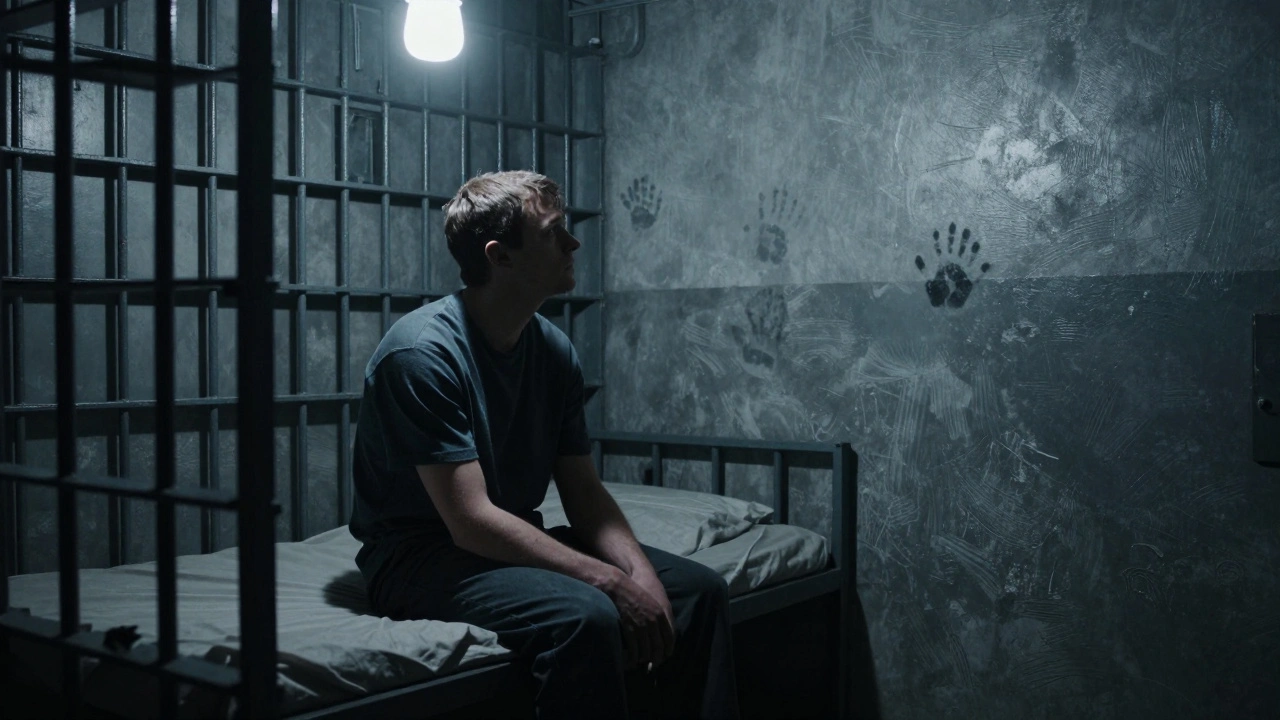
When someone walks into a prison, they don’t just get a cell and a meal. They enter a system where safety isn’t guaranteed-and sometimes, the only way to survive is to be locked away from everyone else. That’s the reality of protective custody. It’s meant to shield the most at-risk inmates: former police officers, informants, victims of assault, or people targeted because of their gang affiliations. But what starts as a lifeline often turns into a long, lonely sentence inside a concrete box.
Who Ends Up in Protective Custody?
Not everyone in protective custody asks for it. Some are flagged during intake. Others beg for it after being beaten, threatened, or stalked. The Federal Bureau of Prisons lists four official reasons for placing someone in protective custody: victim of assault, informant status, refusal to enter general population, and staff concern. But in practice, the list is longer. A man who testified against a gang leader? He’s in. A transgender woman afraid of sexual violence? She’s in. A former corrections officer serving time for corruption? He’s in. A teenager who accidentally witnessed a murder? He’s in too.
These aren’t rare cases. In 2024, over 12,000 inmates across U.S. federal and state systems were held in protective custody on any given day. That’s more than double the number from 2010. The rise isn’t because prisons are getting more violent-it’s because more people are recognizing how dangerous the general population can be for certain groups. And yet, the system doesn’t always respond with care. It responds with isolation.
What Does Protective Custody Actually Look Like?
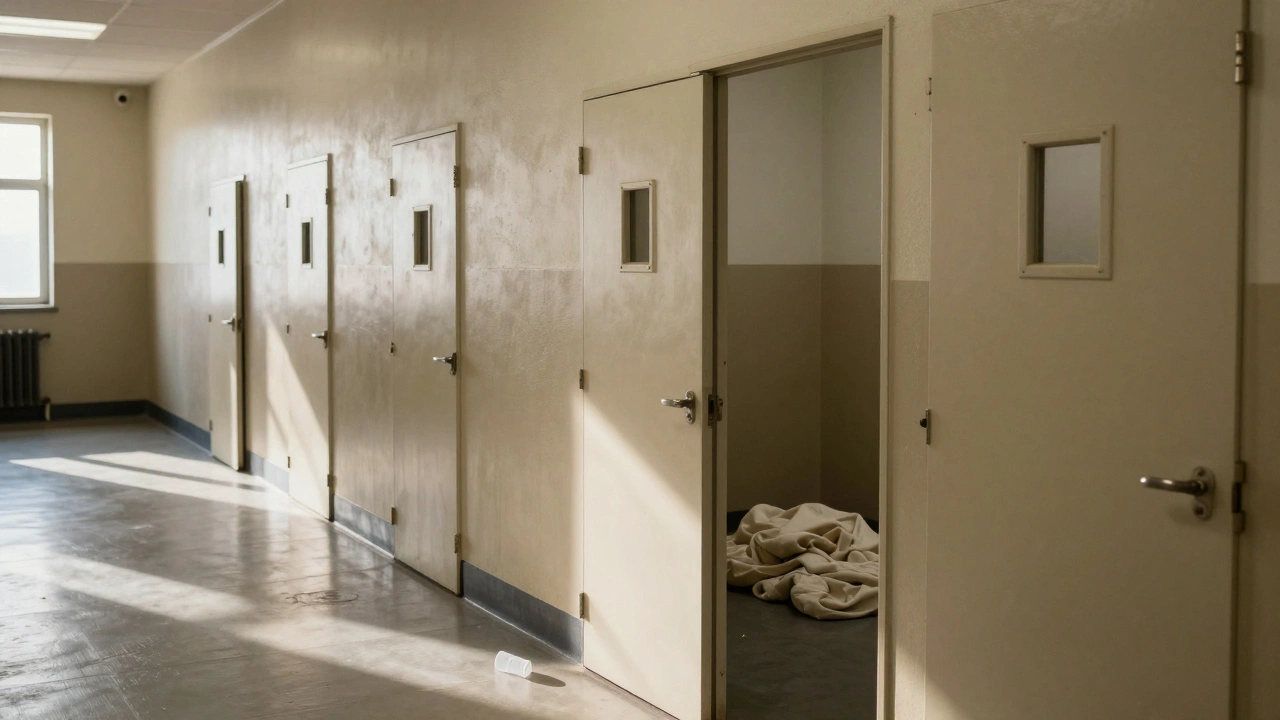
If you think protective custody means a quiet, safe room with better food and more visits, you’re wrong. In most prisons, protective custody means the Special Housing Unit-commonly called the SHU. It’s the same place where inmates go for disciplinary punishment. The doors are steel. The windows are small. The lights stay on 24/7. You get one hour of recreation a day, usually alone in a concrete yard. No group classes. No chapel. No library. No contact visits. Sometimes, you don’t even get to see another human being for weeks.
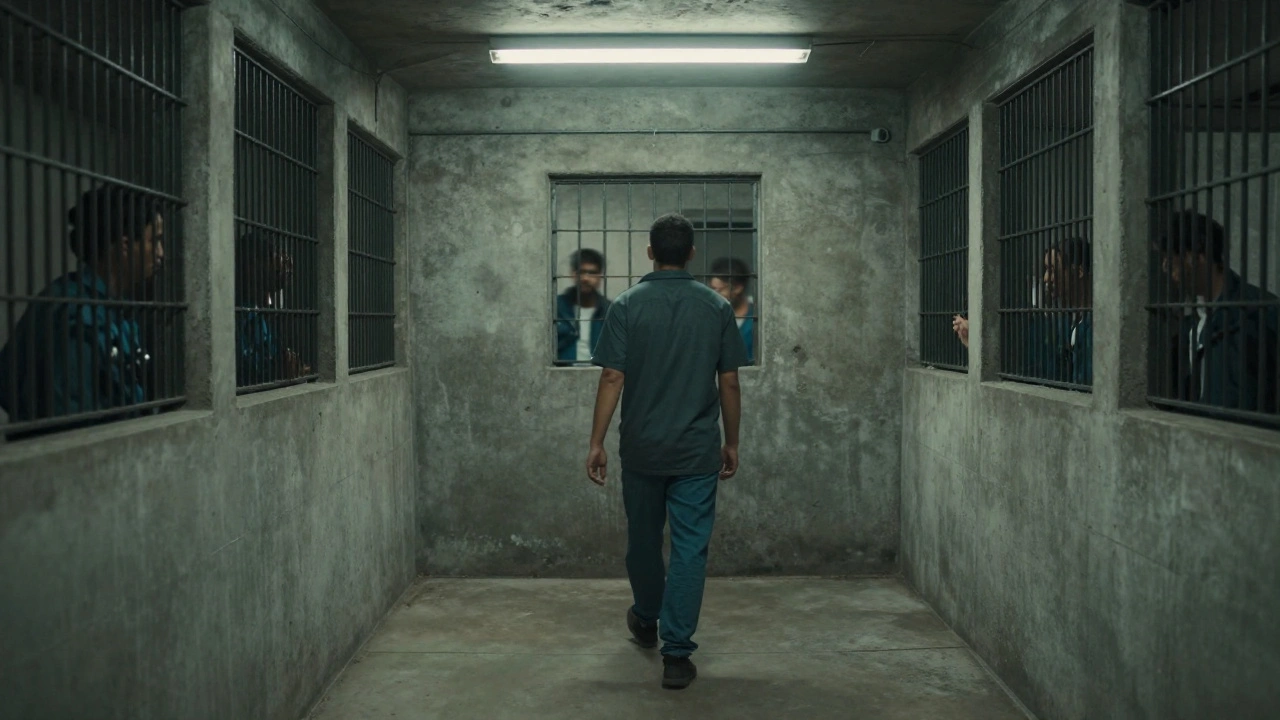
And here’s the cruel twist: the people you’re trying to avoid are often right next door. Federal policy says protective custody inmates should be kept separate from those in disciplinary segregation. But in reality, that rule is ignored. Inmates who are there because they’re being hunted are locked in the same block as those who stabbed someone last week. You’re not safe-you’re just surrounded by different kinds of danger.
How Long Do People Stay?
There’s no time limit. No review board. No automatic release date. Someone can enter protective custody on Monday and still be there on their 10th anniversary behind bars. The Bureau of Prisons doesn’t track how long people stay in PC-it doesn’t have to. That’s intentional. The system isn’t designed to solve the problem. It’s designed to contain it.
Some inmates stay because they’re still in danger. Others stay because the prison doesn’t have anywhere else to put them. A woman who was raped in the general population? She can’t go back. But there’s no housing unit for survivors. A man who flipped on his crew? He can’t be near anyone who knows his name. But there’s no safe alternative. So they sit. For months. For years.
The Mental Cost of Being Locked Alone
Human beings aren’t made to live in isolation. Studies from the American Psychological Association show that even 15 days of solitary confinement can cause hallucinations, panic attacks, and suicidal thoughts. For people in protective custody, those 15 days stretch into 15 months. Or 15 years.
One man I spoke with-let’s call him Marcus-spent 31 months in PC after testifying against a drug ring. He told me he started talking to the walls just to hear a voice. He stopped eating because he didn’t care anymore. He didn’t cry. He just stared. He’s not alone. A 2023 report from the Prison Policy Initiative found that inmates in protective custody are 3.7 times more likely to attempt suicide than those in general population. That’s not a coincidence. It’s a failure.
Why Isn’t There a Better Way?
Correctional systems know this isn’t working. Experts have proposed alternatives for years: separate housing units for vulnerable populations, enhanced monitoring instead of isolation, temporary transfers to lower-security facilities. Some states have tried. Oregon, for example, opened a pilot unit in 2022 for LGBTQ+ inmates and informants, with access to group programming and weekly peer support. The recidivism rate for those placed there dropped by 40% in the first year.
But most prisons don’t have the space, the staff, or the will to change. Protective custody is cheap. It’s easy. It’s invisible. No one sees the person in the cell. No one hears the silence. So the system keeps doing the same thing-locking people away, pretending it’s protection.
The Legal Gray Area
The Supreme Court ruled in Hewitt v. Helms (1983) that inmates have a right to protection. But they also ruled that protective custody doesn’t create a constitutional right to avoid segregation. That’s the contradiction at the heart of this system. The government has to protect you-but it doesn’t have to protect you well.
In New York, if you’re a witness in a criminal case, you’re entitled to protective custody under state regulation 7 NYCRR § 330.3. But the regulation doesn’t say how long you can be kept there. It doesn’t say you get access to legal mail. It doesn’t say you get to call your family more than once a week. The law says you’re safe. The reality says you’re trapped.
What Needs to Change
Protective custody shouldn’t be a death sentence by boredom. It shouldn’t be a punishment disguised as safety. It should be a temporary shield-not a permanent cage.
Here’s what could help:
- Create dedicated housing units for vulnerable populations, with access to counseling, education, and recreation.
- Require monthly reviews for all PC placements, with input from the inmate and independent oversight.
- Limit PC stays to 60 days unless a court approves an extension.
- Train staff to recognize signs of psychological distress and respond with care, not control.
- Use technology-like monitored phone calls and secure video visits-to reduce isolation without compromising safety.
Some places are trying. California’s Department of Corrections has started moving informants into regional housing units with higher staffing ratios. Minnesota now allows inmates in PC to earn time toward transfer back to general population by completing educational programs. These aren’t perfect solutions-but they’re steps in the right direction.
The rest of the country is still stuck. And while that happens, thousands of people are being broken-not by the violence they feared, but by the silence they’re forced to live in.
Can an inmate be forced into protective custody without asking?
Yes. Correctional staff can place an inmate in protective custody without their request if they determine the person is at high risk of harm. This is common for individuals with known affiliations-like former law enforcement officers, informants, or those with mental health conditions that make them targets. The decision is based on staff assessment, not inmate preference.
How is protective custody different from disciplinary segregation?
Protective custody is meant to keep someone safe; disciplinary segregation is punishment for breaking rules. But in practice, they often look identical. Both involve solitary confinement, limited movement, and restricted access to programs. The difference is supposed to be intent-but in most prisons, the conditions are the same, and the outcomes are equally damaging.
Do all prisons handle protective custody the same way?
No. Policies vary widely by state and facility. Some states have strict time limits and review processes. Others have no limits at all. Federal prisons use the Special Housing Unit (SHU) for both protective and disciplinary cases, while some state systems maintain separate units. There’s no national standard, which leads to inconsistent treatment and unequal protection.
Can someone request protective custody and be denied?
Yes. Even if an inmate says they’re in danger, prison staff must investigate the claim. If they don’t find sufficient evidence of a credible threat, the request can be denied. Many inmates are turned away because staff don’t take their concerns seriously, or because they lack documentation. This leaves vulnerable people exposed to violence with no recourse.
What happens to mental health in protective custody?
Mental health deteriorates rapidly. Extended isolation leads to anxiety, depression, paranoia, and self-harm. Studies show inmates in protective custody have higher rates of suicide attempts and psychiatric hospitalizations than those in general population. Many facilities don’t provide adequate mental health services in these units, making the situation even worse.
Final Thoughts
Protective custody was never meant to be a life sentence. It was meant to be a bridge-to keep someone alive long enough to get to a safer place. But today, it’s a dead end. And the people stuck there aren’t criminals. They’re people who were failed before they even got to prison-and then failed again by the system that was supposed to protect them.