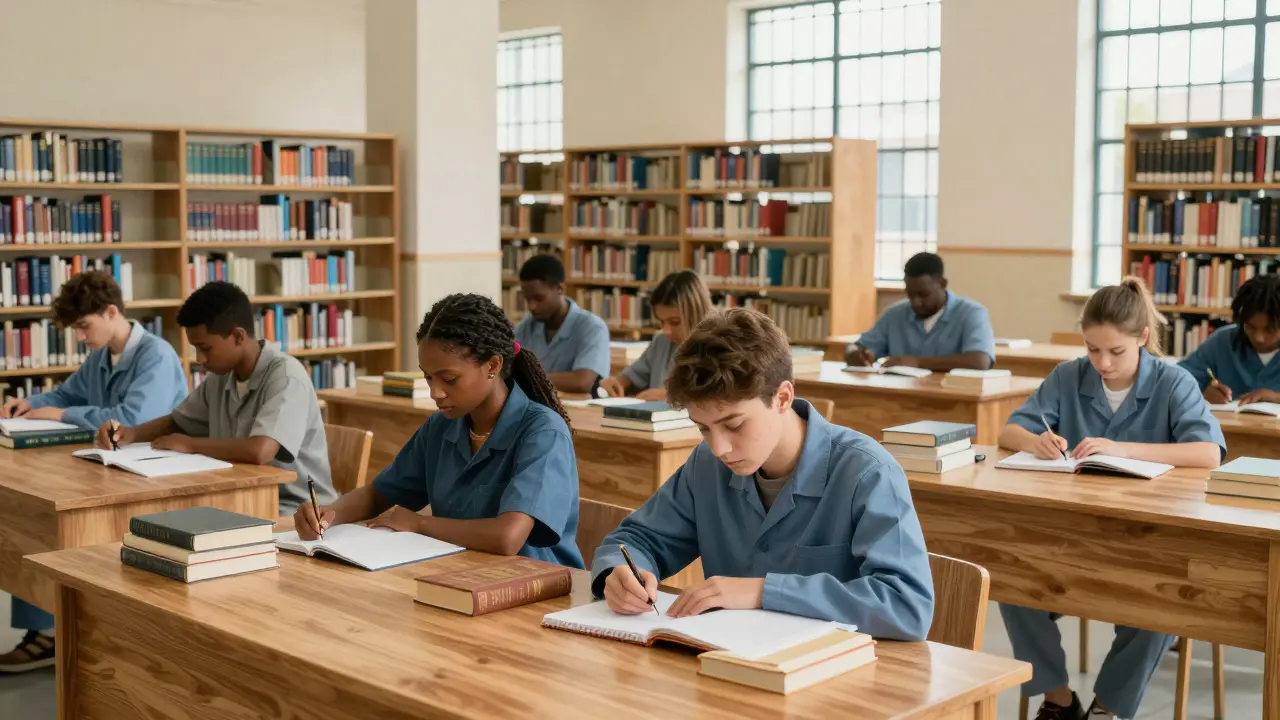
Walk into a typical prison library in the United States, and you might expect silence. But if you look closely, you’ll see something surprising: people studying. Not just reading for pleasure, but working through college textbooks, preparing for standardized tests, and writing essays that could land them in a university lecture hall next year. This is where prison libraries become more than just storage rooms for books; they are the engines of academic recovery and self-directed learning within correctional facilities.
For decades, the focus on prison reform has been on security, staffing, and food service. Yet, one of the most powerful tools for reducing recidivism and improving life outcomes for inmates remains underutilized: access to quality educational resources. When an inmate sits down with a textbook in a quiet corner of the library, they are doing more than passing time. They are rebuilding their cognitive habits, gaining confidence, and planning a future that doesn’t include returning to jail.
The Core Function of Prison Libraries
Unlike public libraries, which serve diverse community needs, prison libraries operate within a highly controlled environment. Their primary mission is twofold: to support formal education programs (like GED prep or associate degrees) and to foster independent study, which allows inmates to learn at their own pace without direct instructor supervision.
These libraries typically house:
- Academic texts: Standardized test prep materials (GED, ASVAB), introductory college-level courses, and vocational manuals.
- Reference materials: Dictionaries, encyclopedias, and legal codes relevant to civil rights or family law.
- Digital access: Increasingly, tablets or computers connected to online course platforms like Coursera or local university systems.
The physical space matters too. A well-lit, organized library signals to inmates that their education is valued. Studies from the RAND Corporation have shown that inmates who participate in any form of structured education, including library-based independent study, are 43% less likely to reoffend compared to those who do not.
How Independent Study Works Inside Walls
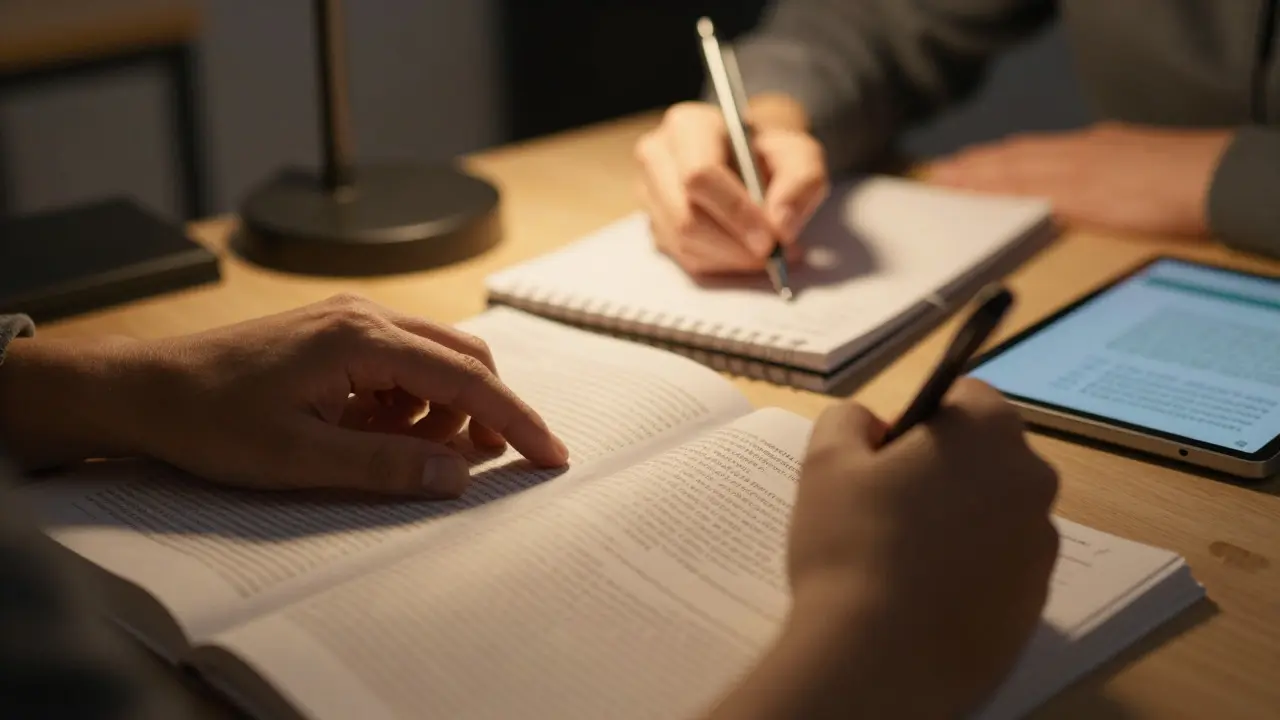
Independent study is different from sitting in a classroom. In a traditional class, the teacher sets the pace. In independent study, the inmate must manage their own schedule, set their own goals, and seek out help when stuck. This requires a level of discipline that many inmates haven’t had to practice since their release or incarceration began.
Here’s how it typically flows:
- Selection: The inmate chooses a subject based on personal interest or career goal (e.g., accounting, psychology, or carpentry theory).
- Resource Acquisition: They request specific books or digital modules from the library catalog.
- Scheduled Access: Most prisons limit library hours to specific blocks (e.g., 10 AM-2 PM). The inmate plans their study session around this window.
- Self-Assessment: Without a teacher checking homework daily, the inmate uses end-of-chapter quizzes or practice tests to gauge progress.
- Mentorship: If available, they consult with a librarian or volunteer tutor for clarification on difficult concepts.
This process builds metacognition-the ability to think about your own thinking. It teaches inmates how to identify what they don’t know and how to find the answer. These are skills that transfer directly to the job market and higher education after release.
The Impact on Academic Outcomes
You might wonder if self-study in a prison setting actually leads to real credentials. The data says yes. According to the Bureau of Justice Statistics, states that offer robust library and independent study options see higher completion rates for GEDs and high school equivalency diplomas.
Consider the case of a state correctional system in California. After upgrading their library digital infrastructure in 2023, enrollment in independent study courses rose by 28%. More importantly, the pass rate for the HSE (High School Equivalency) exam among participants increased from 65% to 79% over two years. This wasn’t just about reading more; it was about having reliable, up-to-date materials and a quiet space to focus.
For those aiming for college, prison libraries often partner with local universities. For example, an inmate in Oregon can use the library to access distance-learning materials from Portland State University. The library serves as the physical anchor for a virtual degree. This hybrid model bridges the gap between isolation and academic opportunity.
Challenges and Barriers
It’s not all smooth sailing. Prison libraries face unique hurdles that public libraries never encounter.
- Budget Cuts: Education is often the first line item cut during fiscal crises. Fewer books mean fewer choices for independent learners.
- Staffing Shortages: Many prison librarians are overworked corrections officers rather than trained information professionals. This limits their ability to guide inmates effectively.
- Censorship and Access: Some books are restricted due to content reviews, which can stifle intellectual curiosity. An inmate interested in philosophy might find key texts unavailable.
- Physical Constraints: Limited seating and short access windows make deep, sustained study difficult.
Despite these challenges, the demand remains high. Inmates consistently rank library access as one of the top three amenities they value, alongside visitation and recreation.
Comparison: Public vs. Prison Library Services
To understand the unique role of prison libraries, it helps to compare them with their public counterparts. While both aim to provide access to information, their operational realities differ significantly.
| Feature | Public Library | Prison Library |
|---|---|---|
| Access Hours | Extended, flexible hours (often 24/7 in some cities) | Limited blocks (typically 2-4 hours per day) |
| Collection Size | Hundreds of thousands of titles | Thousands of titles, focused on education/vocational |
| Primary User | General public, students, researchers | Inmates seeking education or skill development |
| Staff Expertise | Professional librarians with advanced degrees | Often mixed roles (corrections staff + part-time librarians) |
| Digital Access | Unlimited internet, e-books, databases | Restricted internet, curated e-book platforms |
| Goal | Community engagement, lifelong learning | Rehabilitation, recidivism reduction, credential attainment |
This comparison highlights why prison libraries need specialized funding and support. They aren’t just smaller versions of public libraries; they are targeted intervention tools.
Best Practices for Maximizing Library Use
If you’re an inmate looking to get the most out of your prison library experience, here are some practical strategies used by successful independent scholars:
- Create a Study Schedule: Treat library hours like a job. Block out specific times for reading, note-taking, and review. Consistency beats intensity.
- Build a Relationship with the Librarian: Ask for recommendations. Librarians can point you toward hidden gems in the collection that align with your goals.
- Form Study Groups: If allowed, team up with other inmates. Discussing material aloud reinforces understanding and keeps motivation high.
- Track Progress: Keep a simple log of chapters read, quizzes completed, and questions asked. Seeing your progress visually is a powerful motivator.
- Focus on Application: Don’t just memorize facts. Try to apply what you learn to real-world scenarios. How does this accounting concept work in a small business? How does this psychological theory explain human behavior?
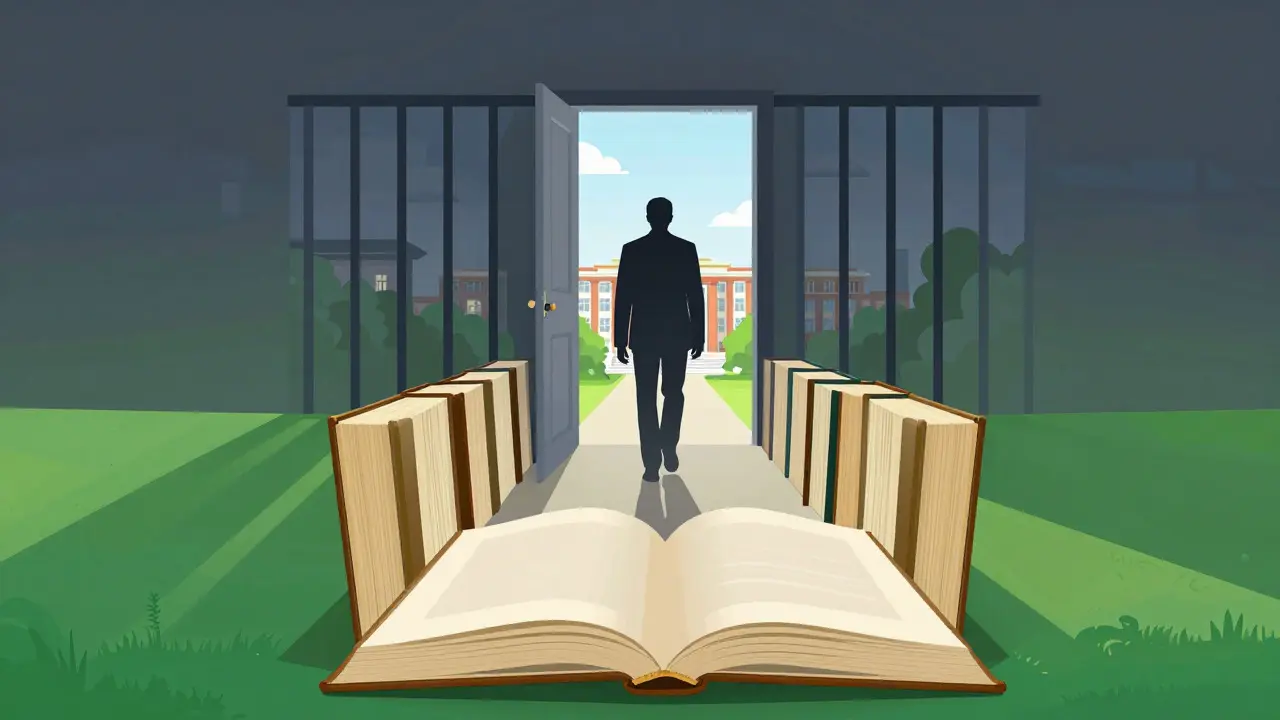
These habits build the foundation for success outside the walls. Employers and universities value self-starters who can manage their own learning.
The Future of Prison Libraries
As technology advances, so do prison libraries. We’re seeing a shift toward digital-first models. Tablets with offline-accessible courses allow inmates to study even when library hours are limited. AI-driven tutoring apps are beginning to appear in some facilities, offering instant feedback on grammar and math problems.
However, the human element remains crucial. A good librarian can spot a struggling learner and intervene before they give up. As we move forward, the best prison libraries will blend digital convenience with human guidance, creating a holistic support system for academic growth.
For policymakers, the message is clear: investing in prison libraries is not an expense; it’s an investment in public safety. Every dollar spent on education inside reduces the cost of re-incarceration outside. And for the inmates themselves, the library is a lifeline-a place where they can prove to themselves that they are capable of learning, growing, and succeeding.