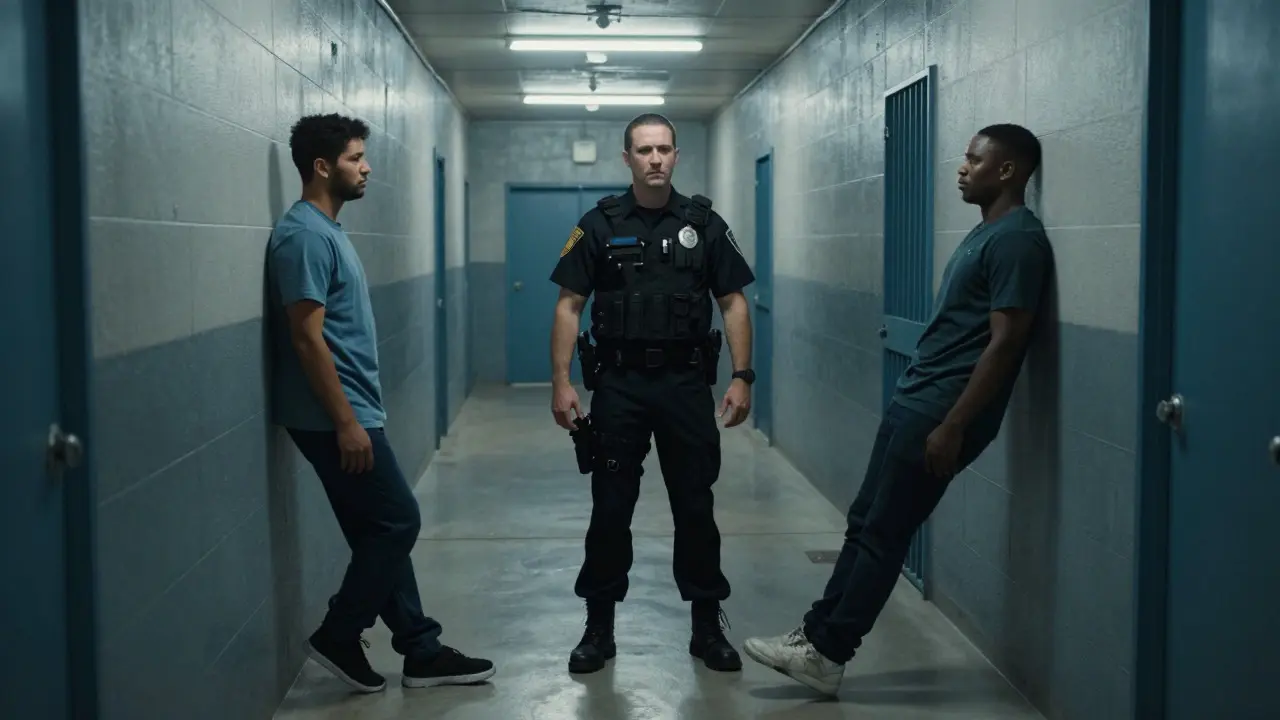
Imagine a cell block at 2 AM. An inmate is pacing, muttering to themselves, and refusing to eat. Is it just bad behavior, or is a severe psychotic break starting? For the officer on duty, that distinction isn't just academic-it's the difference between a manageable situation and a life-or-death emergency. In many facilities, the gap between recognizing a Mental Health Emergency is a sudden deterioration in an individual's psychological state requiring immediate professional intervention to prevent harm to self or others and acting effectively is filled by guesswork.
The reality of correctional healthcare is shifting. We are moving away from viewing behavioral issues solely as disciplinary problems toward recognizing them as medical events. This shift demands a new kind of training for the people who arrive first: correctional officers, unit managers, and even administrative staff. They are no longer just security personnel; they are the primary clinical eyes and ears of the facility.
Why Standard Security Training Falls Short
Traditional correctional academy training focuses heavily on physical control, legal rights, and use-of-force de-escalation. While essential, these skills often fail when faced with non-compliance driven by psychosis, severe depression, or mania. An officer trained to "command" a suspect may inadvertently escalate a panic attack into a violent confrontation because they misinterpret trembling hands as a weapon grip.
The core issue is a lack of specific Crisis Intervention Training (CIT) is a specialized curriculum designed to teach law enforcement and first responders how to identify and respond to individuals experiencing mental health crises adapted for the closed environment of a prison. Unlike street policing, where you can call for backup or wait out a scene, prison emergencies happen in confined spaces with limited resources. The stakes are higher, and the window for error is narrower.
Anatomy of a Prison Mental Health Crisis
To train effectively, we must understand what actually happens during these events. A mental health emergency in a prison context usually presents through three distinct pathways:
- Psychotic Episodes: Hallucinations or delusions that make the inmate perceive threats that don't exist. These require calm, low-stimulation responses rather than loud commands.
- Affective Disorders: Severe depression leading to catatonia (freezing up) or agitation leading to impulsive risk-taking. Suicide risk is highest here.
- Substance Withdrawal: Alcohol or benzodiazepine withdrawal can cause seizures and delirium tremens, which look like madness but are physiological emergencies requiring medication, not just restraint.
First responders need to distinguish between these quickly. Mistaking withdrawal for drug-seeking behavior delays critical medical treatment. Mistaking a psychotic break for defiance invites unnecessary force. This diagnostic triage is the heart of modern Correctional Healthcare is the provision of medical, dental, and psychiatric services to incarcerated individuals, governed by constitutional standards ensuring access to necessary care.
Building the Core Competency Framework
Effective training isn't about memorizing textbook definitions. It’s about building muscle memory for high-stress decision-making. Here is what the curriculum should actually cover:
- Verbal De-escalation Specifics: Moving beyond "Stop" and "Do this." Officers learn to use open-ended questions, validate feelings without agreeing to demands, and lower their own voice pitch to match the inmate's energy level.
- Physical Positioning: Learning how to approach an agitated inmate from the side, not head-on, to reduce perceived threat. Understanding when to maintain distance versus when to provide close proximity for safety.
- Medication Administration Protocols: Knowing exactly how to administer oral meds safely, how to handle liquid med cups, and recognizing signs of pill-popping or hiding meds.
- Suicide Watch Procedures: Mastering the setup of a suicide watch cell, including removing ligature points, constant visual monitoring techniques, and documentation requirements.
This framework bridges the gap between Behavioral Health is the integration of mental health and substance use disorder treatment within general healthcare systems, emphasizing prevention and holistic well-being and daily operations. It turns abstract concepts into actionable steps.
The Role of Simulation and Realistic Drills
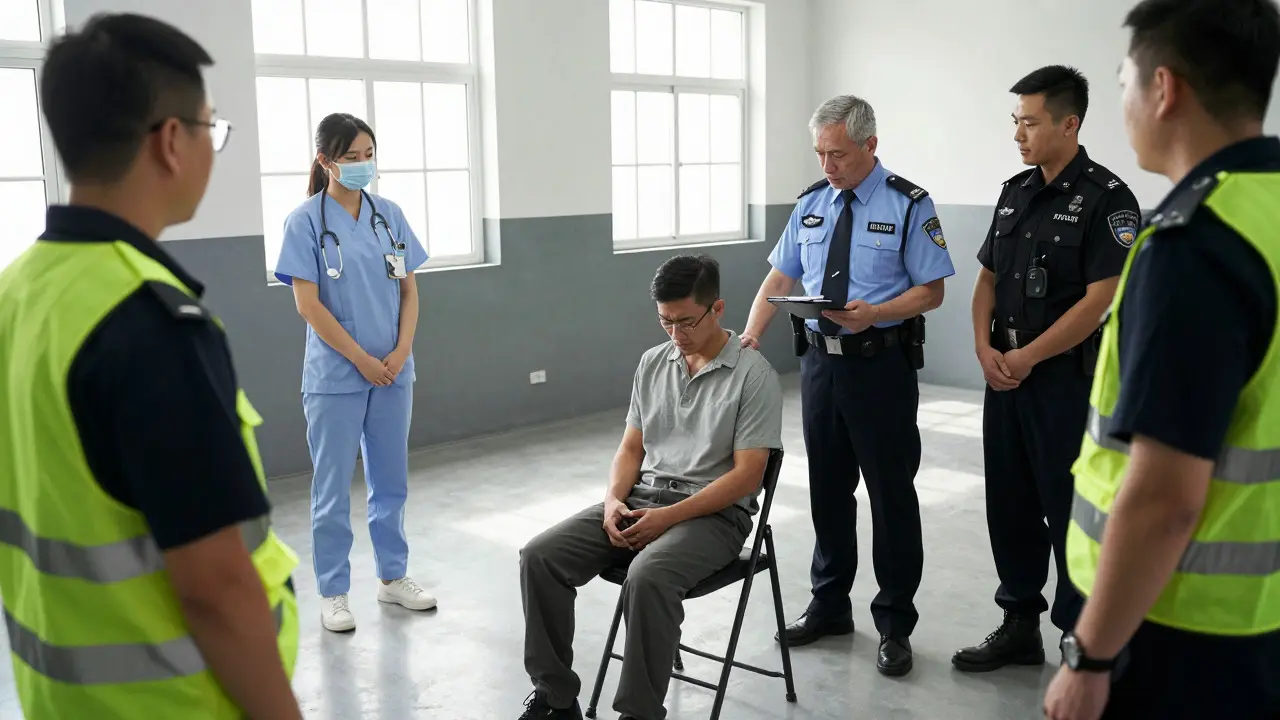
Lectures alone don’t stick. You can’t learn to stay calm while shouting if you’ve never practiced staying calm while someone screams at you. Modern training programs rely heavily on simulation.
We use actors-often hired from local theater groups-to play inmates in various states of distress. One actor plays a paranoid schizophrenic who believes the walls are listening. Another plays a depressed inmate who has stopped eating and is unresponsive. The officers practice responding in real-time. Afterwards, they review body-camera footage together. This debrief process is crucial. It allows officers to see their own micro-expressions, tone of voice, and body language from the outside perspective.
These drills also test the communication chain. When an officer identifies a crisis, who do they call? How fast does the medical team arrive? How clear is the handoff report? Friction in this chain is where lives are lost. Training must simulate the chaos of a full-blown emergency, including radio traffic and multiple units converging on one cell.
Integration with Medical Staff
First responders work best when they aren't working alone. A key component of this training is joint exercises with Psychiatric Nurses are registered nurses with specialized certification in mental health nursing, providing direct patient care and medication management in clinical settings and facility physicians.
Officers often feel disconnected from the medical side, viewing doctors as visitors rather than partners. Joint training breaks down these silos. When an officer understands *why* a nurse needs 15 minutes to assess an inmate before releasing them back to the population, compliance improves. When nurses understand the operational constraints officers face, they adjust their protocols to be more realistic.
This collaboration ensures that the Inmate Rights are legal protections guaranteed to prisoners, including the right to adequate medical care under the Eighth Amendment of the U.S. Constitution are upheld not just legally, but practically. If the first responder doesn't know the standard of care, they can't enforce it.
Measuring Success Beyond Incident Reports
How do we know if the training works? Looking only at the number of use-of-force incidents is a flawed metric. Sometimes, fewer fights mean better de-escalation; other times, it means officers are afraid to intervene. We need a multi-dimensional approach:
| Metric Category | Specific Indicator | Target Outcome |
|---|---|---|
| Clinical Response Time | Minutes from initial observation to medical assessment | Reduce average response time by 20% |
| Documentation Quality | Accuracy of behavioral notes in incident reports | 95% adherence to standardized reporting templates |
| Staff Confidence | Self-reported comfort level handling psychiatric emergencies | 80% of staff rate confidence as 'High' or 'Very High' |
| Repeat Incidents | Frequency of same-inmate crises within 30 days | Decrease in repeat acute episodes due to better early detection |
By tracking these data points, administrators can move from anecdotal evidence to measurable improvement. This data also helps in securing funding for ongoing Continuing Education is mandatory professional development activities required to maintain licensure and competency in healthcare and public safety fields credits for staff.
Overcoming Resistance and Cultural Shifts
Let’s be honest: some veteran officers resist this training. They view mental health focus as "soft" or a distraction from security. Changing this culture takes time and leadership buy-in.
The most effective strategy is to frame mental health competence as a safety tool. Show officers that proper de-escalation reduces their risk of injury. Show them that accurate documentation protects them from lawsuits. When the benefit is personal protection and career stability, resistance drops significantly.
Peer mentoring also plays a huge role. Pairing new officers with experienced ones who have successfully navigated complex psychiatric cases creates a knowledge transfer pipeline that formal classes can’t replicate. It normalizes asking for help and sharing best practices without fear of judgment.
The Future of Correctional Care
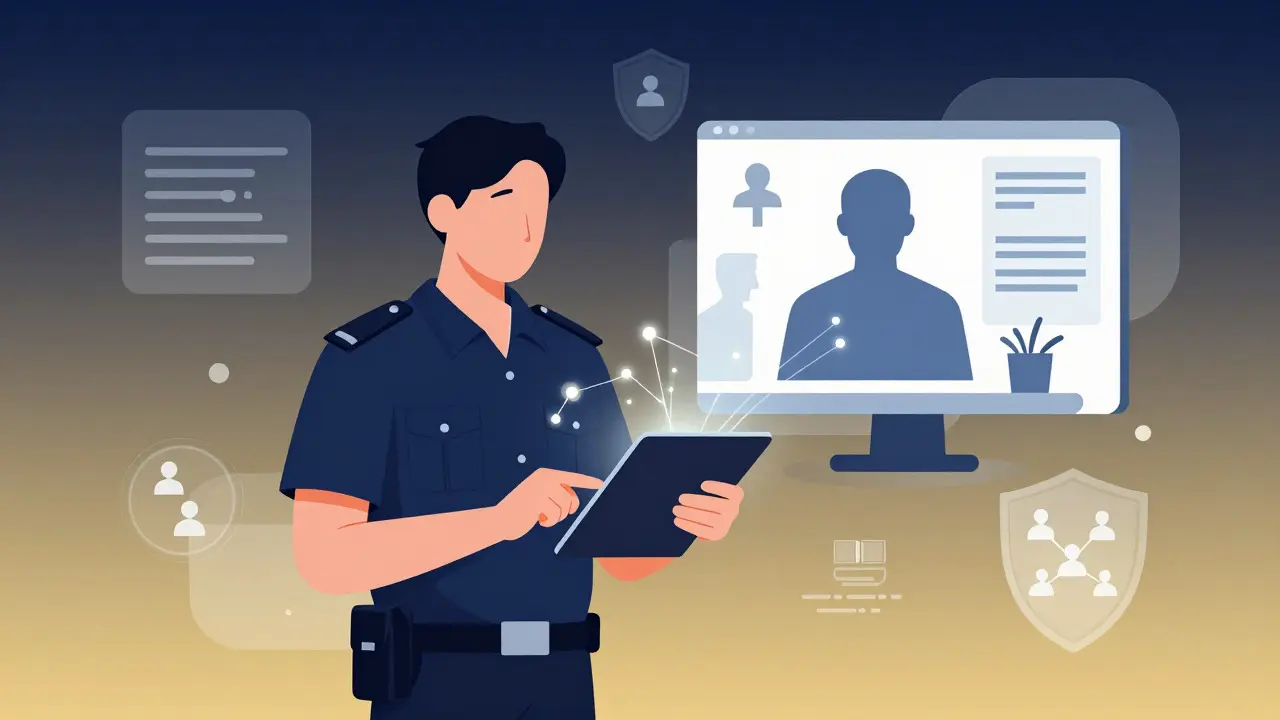
As the prison population ages and chronic conditions become more prevalent, the demand for skilled first responders will only grow. We are seeing the introduction of telepsychiatry tools, where officers can connect inmates directly with remote specialists. But technology fails if the human interface isn't ready. The officer holding the tablet, managing the room, and calming the patient is still the most important piece of the puzzle.
Investing in this training isn't just a humanitarian gesture; it's an operational necessity. It reduces liability, improves facility climate, and ultimately saves lives. Whether it’s preventing a suicide or avoiding a costly lawsuit over inadequate care, the return on investment is clear. The question isn't whether we should train our first responders for these emergencies. It’s how fast we can get there.
Who qualifies as a first responder in a prison setting?
In a correctional facility, first responders include all uniformed correctional officers, unit managers, and sometimes administrative staff who are present during an incident. They are the initial point of contact before specialized medical or psychiatric staff arrive.
How long should basic mental health training take?
A comprehensive baseline course typically requires 40 to 60 hours of instruction, including classroom time, simulations, and field exercises. Annual refresher courses of 8 to 12 hours are recommended to keep skills sharp.
What is the difference between a behavioral incident and a mental health emergency?
A behavioral incident is often rule-breaking or defiance rooted in choice or habit. A mental health emergency involves a loss of capacity to reason safely due to illness, such as psychosis or severe mood disturbance, requiring clinical intervention rather than just discipline.
Do correctional officers need medical licenses to treat mental health issues?
No. Officers act under the direction of licensed medical providers. Their role is stabilization, observation, and safe transport. They do not diagnose or prescribe, but they execute medical orders and monitor vital signs until professionals take over.
How does this training affect overtime costs?
Initially, training requires paid hours. However, improved efficiency often reduces overtime spent on prolonged containment situations. Faster de-escalation means cells are cleared quicker and staff can return to regular duties, potentially lowering long-term operational costs.