
Imagine driving two hours to see your loved one, only to be turned away at the gate because a relative wore a shirt with a logo or forgot to bring an ID. It happens more often than you think. Prison visitation is a structured process governed by strict facility-specific rules designed to maintain security and order. While the goal is safety, the rigid enforcement often leads to unexpected denials that disrupt family bonds. Understanding exactly why these visits fail is the first step to ensuring they succeed next time.
The Core Reasons for Denial
Most denials aren't about malice; they are about compliance. Correctional officers follow a checklist, and if one box isn't checked, the visit stops. The three biggest culprits are documentation errors, dress code violations, and behavioral issues during previous visits. If you have been denied before, it is likely due to one of these categories.
- Documentation Errors: Missing photo ID, expired visitor passes, or mismatched names on legal documents.
- Dress Code Violations: Wearing jeans, bright colors, logos, or clothing deemed "inappropriate" by staff interpretation.
- Behavioral Flags: A prior incident where a visitor talked over an officer or left trash behind can flag your name in the system.
Documentation: The Silent Killer of Visits
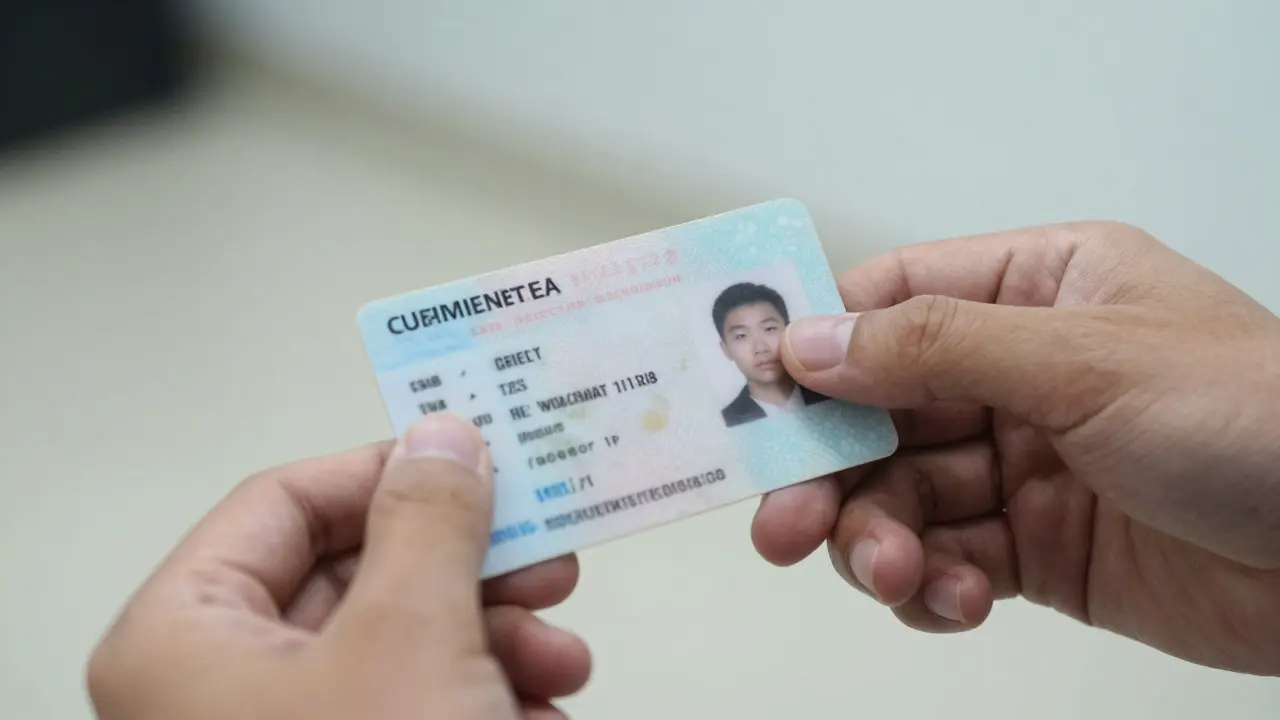
Before you even leave your house, half the battle is won or lost. Visitor Identification is the primary verification method used by correctional facilities to confirm visitor eligibility. Officers need to match your face to a government-issued photo ID. If your license is expired, or if your name has changed due to marriage without updating your records, you will be turned away.
It is not just about the ID itself. You must also have a valid Visitation Pass, which is an official document authorizing specific individuals to enter a secure facility for a set period. These passes often expire after 90 days or upon the inmate's transfer. If your pass is expired, no amount of pleading will get you through the door. Always check the expiration date on the pass against the current date before driving to the facility.
| Error Type | Specific Example | Immediate Fix |
|---|---|---|
| Expired ID | Driver's license expired 3 months ago | Renew ID or use Passport/State ID |
| Name Mismatch | Married name on ID vs. maiden name on Pass | Bring Marriage Certificate or Legal Name Change Doc |
| Missing Photo | Using a library card without photo | Only government-issued photo IDs are accepted |
Dress Code: More Than Just Jeans
Many families assume "no jeans" is the only rule. In reality, Facility Dress Codes are strict guidelines regulating attire to prevent contraband concealment and maintain institutional order. Officers look for anything that could hide small items or cause distraction. This means no ripped clothes, no visible undergarments, and no large jewelry. Logos on shirts can sometimes be flagged if they resemble gang symbols or political statements, even if unintended.
Colors matter too. Neon green or bright red might be seen as distracting. Stick to neutral tones like gray, beige, or navy blue. Women often get tripped up by high heels or open-toed shoes; closed-toe, low-heeled shoes are the safest bet. Men should avoid cargo pants because the pockets are considered potential hiding spots for contraband.
Behavioral Flags and the Blacklist System
If your paperwork and clothes are perfect, but you still get denied, look at your history. Facilities keep internal logs. If you were late once, or if you hugged the inmate too long at the end of the last visit, it might have been noted. Visitor Conduct Logs are internal records tracking visitor behavior to identify patterns of non-compliance or risk. A single minor infraction usually results in a warning, but repeated issues can lead to a temporary suspension of visitation rights.
To fix this, you don't always need to go to a hearing. Often, speaking politely with the shift supervisor at the gate can resolve misunderstandings. If the denial was based on a perceived threat, bringing a support letter from a social worker or attorney can help clear the record.
How to Fix a Denied Visit Step-by-Step
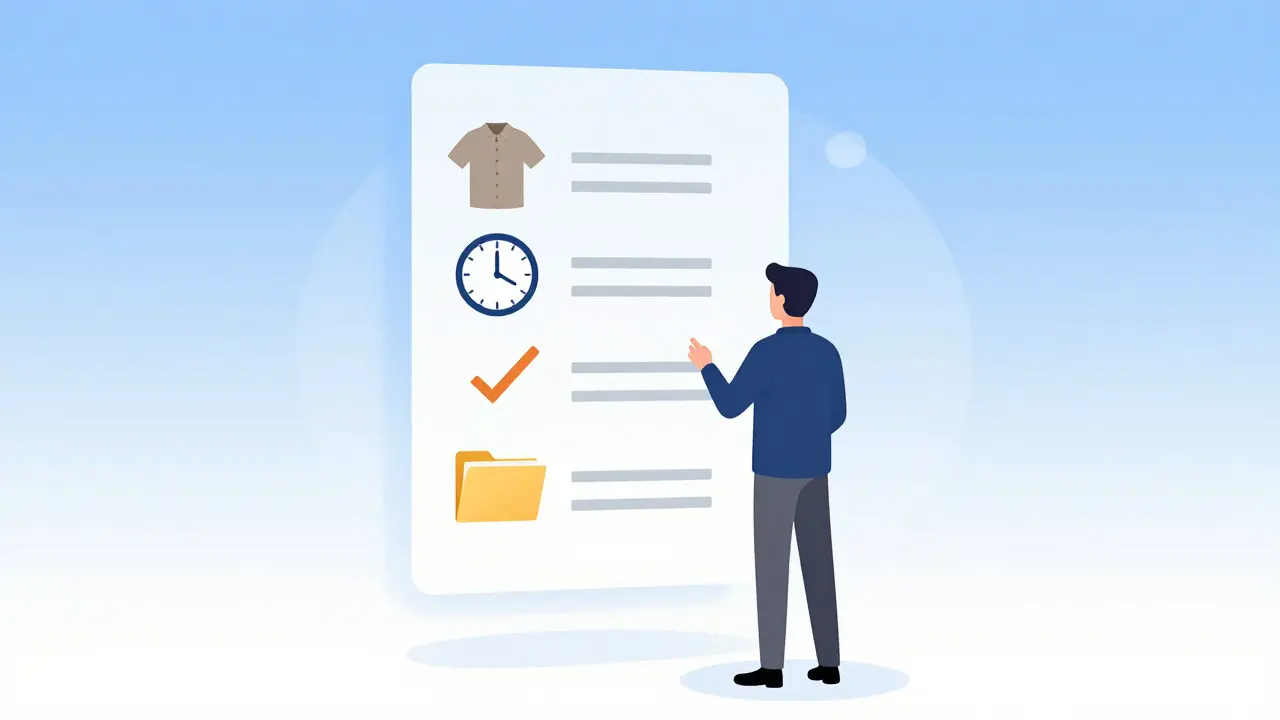
When you find out your visit is denied, panic is natural, but action is what matters. Follow this sequence to resolve the issue quickly.
- Ask for the Specific Reason: Don't argue. Ask the officer, "What specifically is missing?" Write it down.
- Check the Facility Website: Cross-reference the reason with the posted rules. Sometimes verbal instructions differ from written policies.
- Contact the Inmate's Case Manager: If it's a behavioral flag, the case manager can review the log and potentially lift the hold.
- Prepare for the Next Attempt: Bring all required documents, wear compliant clothes, and arrive 30 minutes early to buffer any processing delays.
Prevention Strategies for Future Visits
The best way to handle denials is to prevent them. Create a "Visitation Checklist" in your phone. Include photos of your ID, your visitation pass, and the facility's dress code summary. Set a calendar reminder 30 days before your pass expires to renew it. Communicate with the inmate beforehand so they know exactly who is coming and when. This preparation reduces stress for both you and the staff, making the experience smoother for everyone involved.
Can I appeal a visitation denial?
Yes, most facilities have a grievance procedure. You can file a formal complaint within 5-10 days of the denial. However, informal resolution with the shift supervisor is faster and often more effective for minor issues.
Do children need special permission to visit?
Usually, yes. Minors often require a signed consent form from the parent or guardian and may have age restrictions depending on the facility. Some prisons do not allow visitors under 18 at all, so check the specific state policy.
What happens if I forget my ID?
You will almost certainly be denied entry. Unlike airports, prison gates rarely accept secondary forms of ID like birth certificates alone. Always carry a government-issued photo ID.
Can a visitor be banned permanently?
Yes, for serious offenses like smuggling contraband, lying to officers, or aggressive behavior. Permanent bans are rare for minor infractions but possible if the pattern continues.
Does the inmate's behavior affect my visit rights?
Indirectly, yes. If the inmate is in solitary confinement or has disciplinary points, their visitation privileges may be suspended entirely, regardless of your compliance.