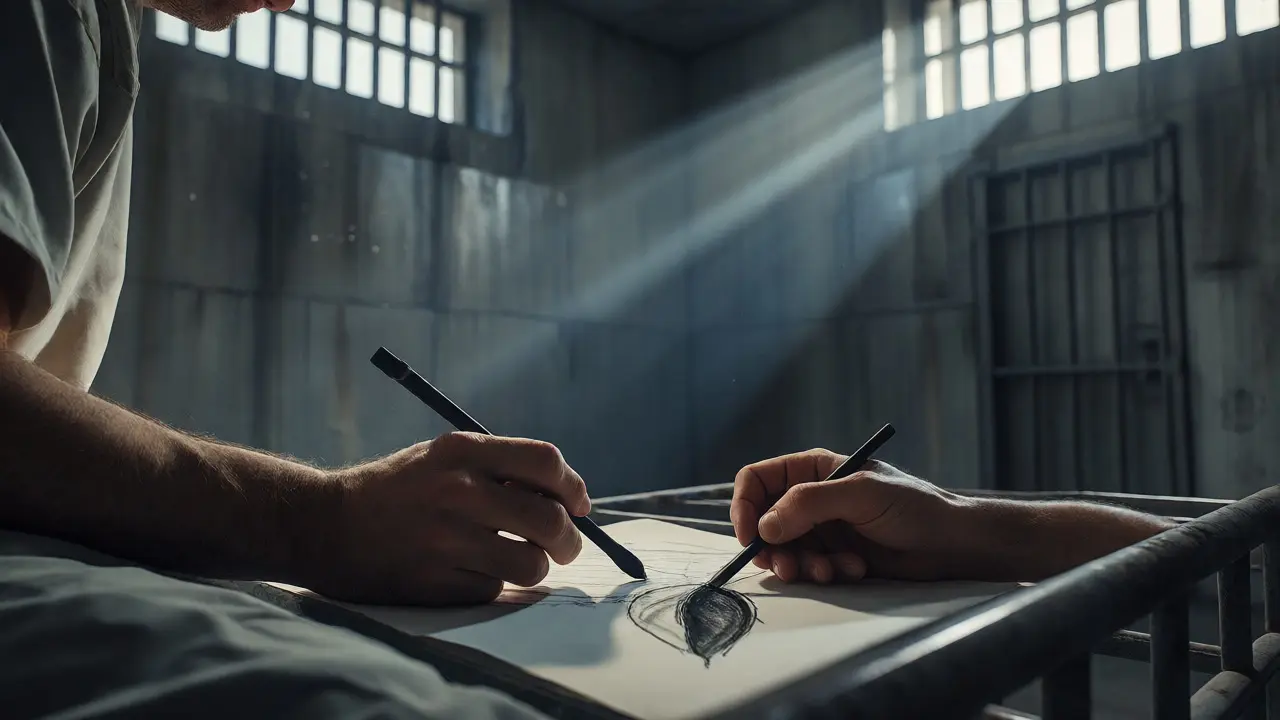
Imagine spending years in a concrete box where the loudest sound is a steel door slamming shut. Now imagine that same person holding a charcoal stick, drawing the curve of a leaf they haven't seen in three years, or typing a poem about the color of rain. Art and writing workshops in prisons are not just hobby clubs for bored inmates; they are critical infrastructure for humanizing individuals who have been stripped of their identity by the state. These programs turn cells into studios and solitary confinement into a space for creation.
You might wonder why this matters if you’ve never set foot inside a maximum-security facility. The answer lies in the data and the stories. When we look at recidivism rates, participants in creative arts programs often show significantly lower return-to-prison numbers compared to those who only attend standard vocational training. But beyond the statistics, there is the undeniable power of a published book or a gallery exhibit featuring work created behind bars. It forces society to see the creator, not just the crime.
The Core Value of Creative Expression Behind Bars
Why do these workshops exist? They aren't charity cases thrown together with leftover supplies. They serve specific psychological and social functions. For many incarcerated people, creative expression acts as a coping mechanism for trauma and isolation. The act of creating something tangible-whether it’s a sculpture from soap or a short story-provides a sense of agency in an environment designed to remove it.
Consider the mental health aspect. Prisons are high-stress environments. Anxiety and depression rates among the incarcerated population are staggering. Engaging in art lowers cortisol levels. It provides a flow state where time disappears, offering a break from the rigid routine of count times and lockdowns. This isn't just feel-good psychology; it’s practical risk management for prison administrators. A focused inmate is less likely to get into fights.
Moreover, these workshops build transferable skills. You don’t need to be Michelangelo to benefit. Learning to draft a narrative teaches structure and logic. Learning to mix paints teaches patience and precision. These are soft skills that employers desperately want but rarely find in traditional prison job assignments like laundry or food service.
Building Skills: From Pen to Paintbrush
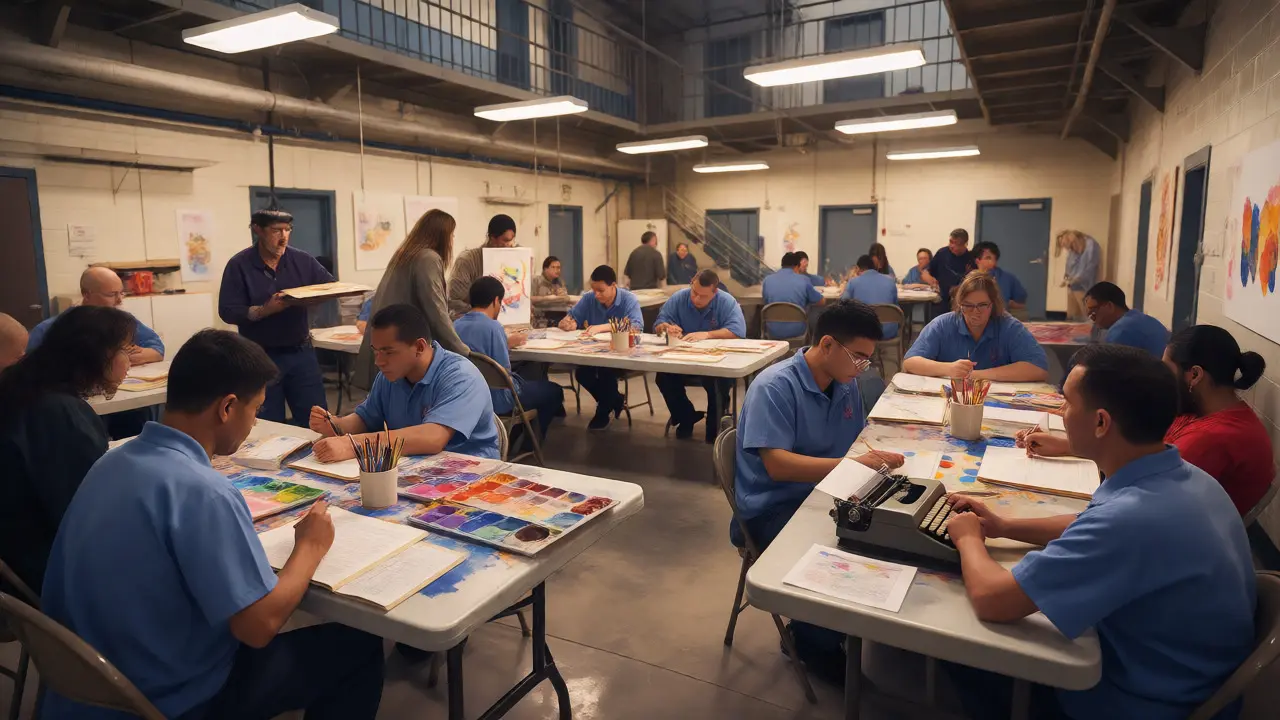
What actually happens in these rooms? It varies wildly depending on funding and volunteer availability, but most successful programs follow a similar trajectory. They start with basics and move toward mastery.
In writing workshops, the focus is often on voice. Many incarcerated writers have been silenced for so long that finding their words takes time. Programs like the Prison Arts Coalition highlight how writing groups help individuals process their past actions without excusing them, fostering genuine accountability. Participants learn editing, peer review, and submission processes. These are professional skills. If you can get a piece accepted into a literary journal while serving a ten-year sentence, you’ve proven you can handle rejection and revision-key traits for any career.
Art workshops differ slightly. They often rely on limited materials. Charcoal, pencil, ink, and watercolor are common because they are safe and inexpensive. Oil paints are rare due to fumes. Sculpture might use found objects or clay. The constraint breeds creativity. An artist working with a ballpoint pen has to think differently than one with a full studio setup. This resourcefulness translates well to life outside, where budgets are tight and resources are scarce.
- Critical Thinking: Analyzing composition or plot requires logical assessment.
- Communication: Articulating artistic intent helps bridge the gap between inner thoughts and outer reality.
- Discipline: Finishing a canvas or a manuscript requires sustained effort over weeks or months.
Exhibits: Breaking Down Walls with Visual Art
Creating art is half the battle. Showing it is the other half. Prison art exhibits have become powerful tools for community engagement. When a gallery in Portland or New York displays work by incarcerated artists, it disrupts the public’s preconceived notions. We stop seeing "inmates" and start seeing "artists." This shift in perception is crucial for reentry success.
How do these exhibits work? Usually, a non-profit partner manages the logistics. They collect approved pieces, frame them (often using donated frames), and organize the opening night. The artists themselves usually cannot attend the opening due to security restrictions, which adds a layer of poignancy. Their presence is felt through the work, not their bodies.
These events do more than raise money. They create dialogue. Visitors talk to curators. Curators talk to families. Families talk to the artists. It builds a support network before the individual even walks out the gate. Some exhibits sell artwork, providing income that goes into a trust fund for release expenses-bus tickets, rent deposits, clothes. This financial head start is often the difference between staying housed and ending up back in jail within six months.
| Metric | Standard Vocational Training | Arts & Writing Workshops |
|---|---|---|
| Recidivism Reduction (Est.) | 10-15% | 20-30%+ |
| Mental Health Improvement | Moderate | High |
| Community Connection | Low | High |
| Skill Transferability | Specific Trade | Soft Skills + Creative |
Publication: Giving Voice to the Silenced
If exhibits are visual bridges, publications are auditory ones. Getting work published validates the writer’s existence. It says, "Your words matter enough to print." Anthologies like The Angolite or Erie Literary Magazine have decades-long histories of showcasing incarcerated voices. These aren't just newsletters; they are respected literary journals.
For the writer, publication offers a legacy. Even if they pass away inside, their words remain. For the reader, it offers insight. Reading a memoir by someone serving life without parole changes your understanding of justice. It moves the conversation from abstract policy to human reality.
Publishing also creates economic opportunities. Royalties, though small, accumulate. More importantly, a published bibliography opens doors after release. Authors can apply for fellowships, teach workshops, or speak at universities. The label "published author" carries weight that "ex-inmate" does not.
However, publishing comes with censorship challenges. Prison mail rules are strict. Sometimes, editors must redact names of other inmates or specific details about crimes to comply with regulations. Navigating this bureaucracy is another skill learned in the workshop. It teaches writers to write around constraints, a valuable lesson in any regulated industry.
Challenges and Sustainability
It’s not all inspirational quotes and gallery openings. Funding is precarious. Most prison arts programs rely on grants and donations. When political winds shift, funding dries up. Volunteers face burnout. Security protocols change, banning certain materials overnight. A program that thrives today can vanish tomorrow because a new warden decided colored pencils were too risky.
Sustainability requires diversification. Successful programs partner with local universities, libraries, and businesses. They train incarcerated peers to lead workshops, reducing reliance on external volunteers. They build endowments rather than chasing annual grants. They document outcomes rigorously to prove value to skeptical policymakers.
There is also the challenge of equity. Not every prison has a workshop. Rural facilities often lack access to volunteers. Women’s prisons may have fewer resources than men’s. Addressing these disparities means targeting underserved populations specifically, ensuring that geography doesn't determine access to creative rehabilitation.
Reentry and Beyond: The Long-Term Impact
The ultimate goal of these workshops is reintegration. When an artist leaves prison, they carry their portfolio. They carry their published works. They carry the confidence that they can create value. This self-concept is vital. Without it, the stigma of incarceration crushes them.
Employers are beginning to notice. Some companies actively seek out formerly incarcerated individuals with creative portfolios for roles in design, marketing, and education. The proof of skill is visible. You can hold the book. You can stand in front of the painting. It’s harder to dismiss someone when you’re looking at their talent.
Furthermore, these skills foster civic engagement. Artists and writers often become advocates. They speak at city council meetings. They mentor youth. They transform their punishment into purpose. This ripple effect benefits the entire community, not just the individual.
So, what should you do with this information? If you live near a prison, ask about visiting hours for art shows. Buy a copy of a prison anthology. Support organizations that supply materials. Your small action helps keep a light on in a dark place, literally and metaphorically.
Do prisoners need prior experience to join art or writing workshops?
No, most programs are open to beginners. The focus is on participation and expression, not professional proficiency. Facilitators tailor lessons to accommodate varying skill levels, ensuring everyone can engage meaningfully.
Can incarcerated artists sell their work?
Yes, but policies vary by facility. Typically, sales go through authorized vendors or non-profits. Proceeds often go into a personal account accessible upon release, helping with reentry costs like housing and transportation.
Are there restrictions on what subjects can be written or drawn?
Yes, prison censorship rules apply. Content that reveals sensitive security details, names of staff/inmates in certain contexts, or promotes violence may be restricted. Writers and artists learn to navigate these boundaries creatively.
How do these programs affect recidivism rates?
Studies suggest participants have lower recidivism rates. By building self-esteem, discipline, and community connections, these programs address root causes of criminal behavior, making successful reentry more likely.
Who funds prison art and writing workshops?
Funding typically comes from a mix of government grants, private foundations, corporate sponsorships, and individual donations. Non-profit organizations often manage these funds and coordinate volunteers.