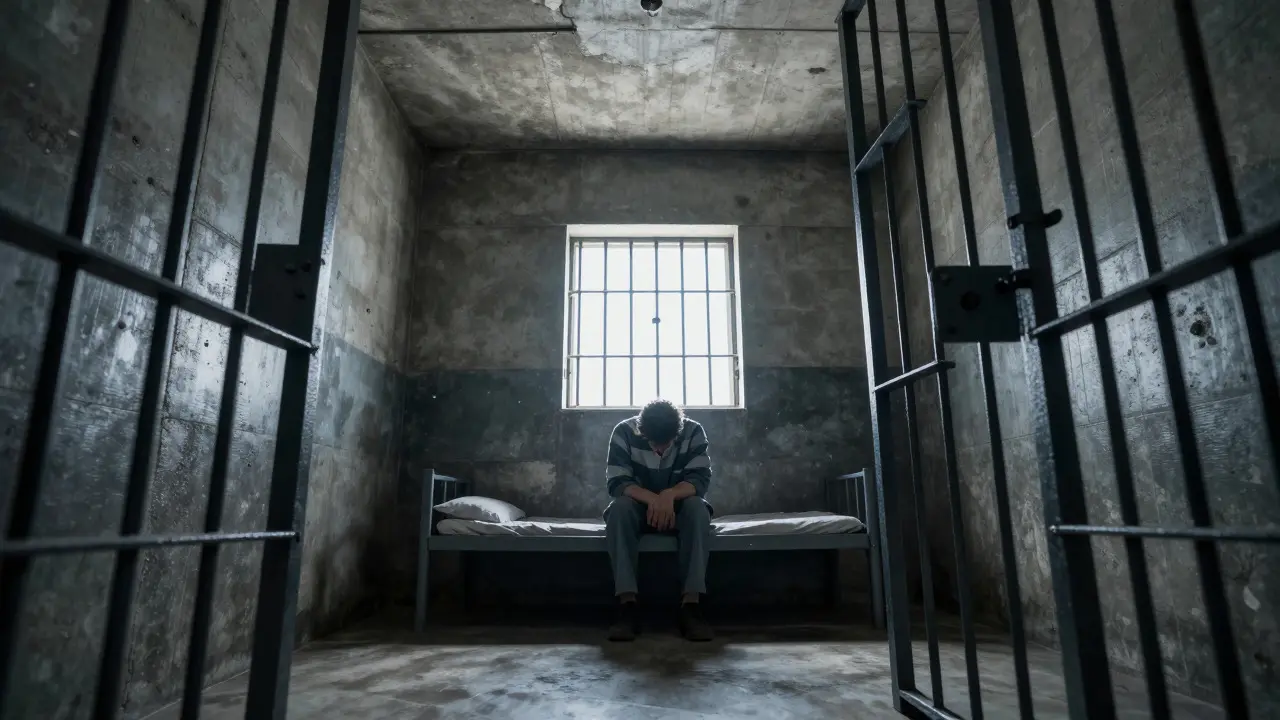
Imagine waking up in a cell that feels too small for your body type, or being placed with roommates who make every hour feel like a threat. For many incarcerated people, these aren't just inconveniences; they are the daily reality of misclassification. When the system puts you in the wrong place, the first step to fixing it is often overlooked: filing a proper grievance. Understanding how prison grievances work specifically for classification and housing issues can mean the difference between a safe, manageable environment and years of unnecessary hardship.
Classification isn't just about where you sleep. It determines your security level, access to programs, and even your safety. Yet, errors happen frequently due to outdated records, bias, or simple bureaucratic mistakes. If you find yourself in a situation where your current housing doesn't match your risk assessment or medical needs, you have a right to challenge it. This guide breaks down exactly how that process works, what evidence you need, and how to navigate the administrative maze without losing hope.
Understanding Classification and Housing Levels
Inmate Classification is the administrative process used by correctional facilities to assign inmates to specific security levels, housing units, and program tracks based on risk, behavior, and needs. This process usually happens shortly after intake but can change throughout a sentence. The goal is to match the inmate's risk profile with the appropriate supervision level. However, "appropriate" is subjective, and that subjectivity is where problems start.
Housing decisions fall into several categories:
- Security Level: Minimum, medium, maximum, or supermax. This dictates guard ratios, movement restrictions, and visitation rules.
- Program Placement: Access to vocational training, education, or therapeutic communities.
- Medical Accommodation: Special housing for those with chronic illnesses, disabilities, or mental health conditions.
- Safety Placement: Protective custody or segregated housing for vulnerable inmates.
A common pitfall is assuming that a lower security level automatically means better conditions. Sometimes, minimum security facilities lack the specialized staff needed for complex medical or mental health needs. Conversely, maximum security might offer more structured programming. The key is whether the placement aligns with your specific documented needs.
Why Misclassification Happens
Errors in classification rarely stem from malice. More often, they are the result of systemic friction. Records get lost during transfers between states or counties. A previous disciplinary infraction might be counted twice. Or, an officer might rely on stereotypes rather than data when recommending a higher security level. These human errors compound over time, leading to placements that no longer reflect an inmate's actual behavior or status.
Another frequent issue is the lag in updating records. If you complete a rehabilitation program or receive a medical diagnosis, the paperwork doesn't always travel with you quickly. You might be stuck in a high-security unit for months simply because the form confirming your low-risk status hasn't been processed yet. Identifying the root cause of the error is crucial before filing a grievance, as it dictates what evidence you will need to present.
The Grievance Process Step-by-Step
Filing a grievance is a formal way to ask the administration to fix a mistake. Most state and federal systems follow a tiered approach. Here is how it typically unfolds:
- Informal Resolution: Before going paper-heavy, try speaking directly with your case manager or unit supervisor. Often, a quick conversation can resolve minor scheduling or housing mix-ups. Document this meeting in your personal log.
- Level I Grievance: If the informal route fails, file a written grievance with the facility administrator or warden. This must be done within a strict timeframe, usually 10 to 30 days after the incident or decision. Check your local facility's handbook for the exact deadline.
- Level II Review: If the Level I decision doesn't satisfy you, appeal to the regional office or director of corrections. This stage involves a deeper review of the facts and may include a hearing.
- Level III/Final Appeal: The last internal step is often the secretary of corrections or a central appeals board. This is your final chance within the prison system.
- External Review: If all internal avenues fail, you can pursue civil litigation through the court system, though this is a long and expensive path.
Timing is everything. Missing a deadline by even one day can dismiss your case regardless of its merit. Keep a calendar of deadlines and submit copies of every document via certified mail or the facility's official drop box to get proof of submission.

Gathering Evidence for Your Case
Your grievance is only as strong as the evidence behind it. Vague complaints like "my cell is bad" rarely win. Specific, documented claims do. Here’s what to collect:
- Official Records: Copies of your classification sheet, disciplinary reports, and medical charts. Request these through the facility's records department if possible.
- Witness Statements: If other inmates or staff observed the issue (e.g., unsafe conditions), get their names and dates. Staff statements carry more weight, but inmate corroboration helps.
- Medical Documentation: For medical housing disputes, attach doctor's notes or treatment plans that explicitly recommend specific accommodations.
- Timeline Log: Write down every date, time, and person involved in interactions related to your housing. Consistency builds credibility.
Be objective. Avoid emotional language. Instead of saying "The guards hate me," say "On [Date], Officer [Name] denied my request for transfer despite my approved medical accommodation." Facts persuade administrators; emotions distract them.
Common Pitfalls to Avoid
Even well-intentioned grievances fail due to procedural errors. Watch out for these traps:
- Missing Deadlines: As mentioned, strict timelines apply. Mark your calendar immediately upon learning of a decision.
- Multiple Issues in One File: Stick to one main issue per grievance. If you have both a housing problem and a food quality complaint, file two separate grievances. Mixing them confuses the reviewer and weakens both cases.
- Lack of Specificity: Be precise. Reference specific policy numbers if you know them. If not, describe the exact rule that was violated.
- Retaliation Fears: While rare, some inmates hesitate to file due to fear of backlash. Remember, most systems prohibit retaliation against grievant inmates. If it happens, it becomes a separate, stronger grievance.

Comparison of Grievance Outcomes
To understand what to expect, here is a comparison of typical outcomes based on the strength of the evidence and the nature of the dispute:
| Scenario | Evidence Strength | Likely Outcome | Timeframe |
|---|---|---|---|
| Medical Housing Mismatch | High (Doctor's note) | Transfer ordered within 30 days | 2-4 weeks |
| Security Level Error | Medium (Disciplinary record discrepancy) | Re-review scheduled, potential downgrade | 6-8 weeks |
| General Discomfort | Low (Subjective complaints) | Dismissed or deferred | 1-2 weeks |
| Retaliation Claim | High (Documented pattern) | Investigation opened, possible reassignment | 4-6 weeks |
Note that "deferred" means the issue is noted but not acted upon immediately, often waiting for future budget or staffing changes. This is common for non-critical housing requests.
When to Seek External Help
If the internal process stalls or feels biased, external resources become vital. Legal aid organizations specializing in prisoner rights can review your case for free or at low cost. They can identify legal violations that internal boards might miss. Additionally, public defenders sometimes assist with pre-trial detention housing issues, while post-conviction attorneys handle sentenced inmates.
Non-profit groups also monitor prison conditions and can advocate on your behalf if your case highlights a broader systemic failure. However, external help should be a backup plan, not the first move. Exhausting internal options strengthens your position if you ever need to go to court.
Frequently Asked Questions
How long does a prison grievance take?
Most Level I grievances are resolved within 30 days. Full appeals through all three levels can take 3 to 6 months. Complex cases involving medical or legal issues may take longer.
Can I lose privileges for filing a grievance?
Technically, yes, if the grievance is deemed frivolous or filed outside the deadline. However, valid grievances should not lead to punishment. Retaliation is prohibited in most jurisdictions and can be challenged separately.
What if my medical needs aren't met in my current housing?
File a grievance citing the specific medical condition and the required accommodation. Attach doctor's notes. If the delay causes harm, this can escalate to a negligence claim later, but start with the administrative process.
Do I need a lawyer to file a grievance?
No, lawyers are not required for internal grievances. In fact, using a lawyer early on can sometimes slow down the process. Save legal counsel for appeals or if the case involves complex constitutional rights.
What documents should I keep?
Keep copies of every grievance form, receipt, and response. Maintain a personal log of dates and events. If possible, get witnesses to sign affidavits supporting your timeline.