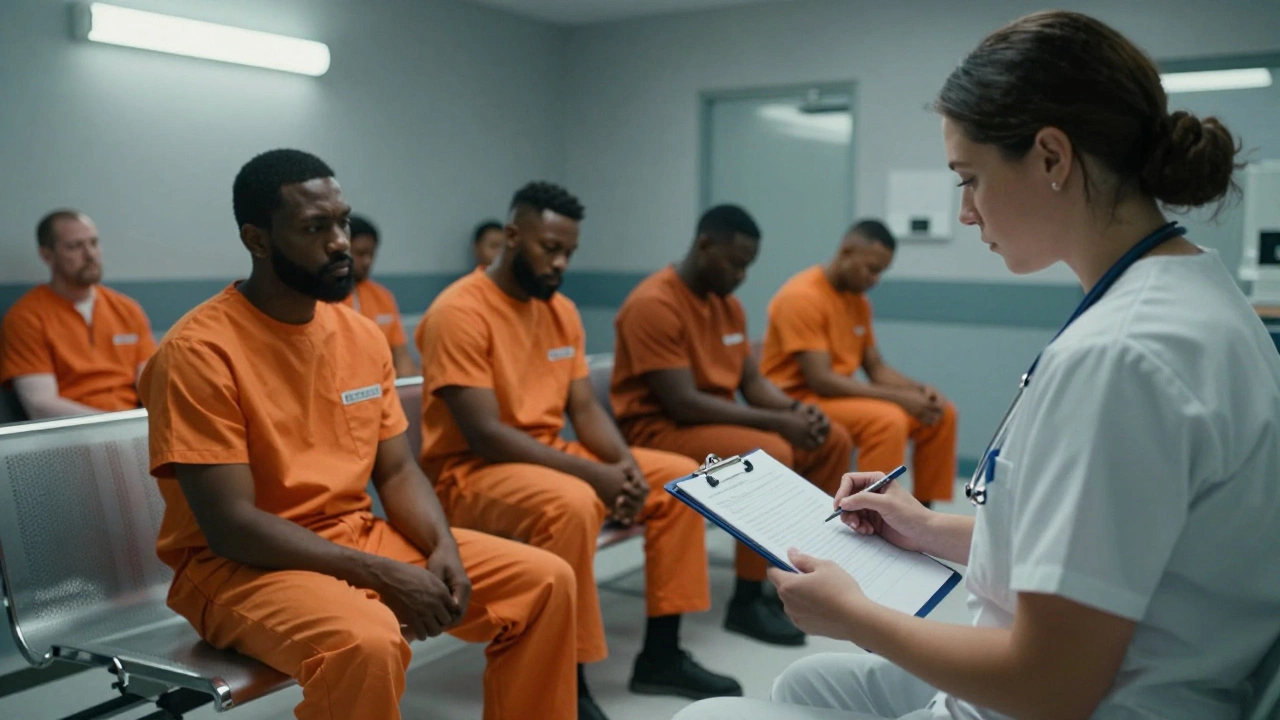
Imagine living with severe back pain while serving a sentence. You ask for help, but the system says no. Or worse, they give you medication that makes you sick or creates new problems. This isn’t just a bad day; it’s a systemic failure that happens too often in jails and prisons. Managing pain and controlled substances is a complex challenge in correctional settings where medical needs clash with security protocols requires balancing human rights, clinical evidence, and safety.
Incarcerated people suffer from pain at rates far higher than the general public. They have histories of trauma, violence, and hard labor. When this pain goes untreated, it doesn’t just hurt-it leads to behavioral issues, self-harm, and increased risk of substance abuse. The goal of modern correctional medicine is simple: provide effective pain relief without fueling addiction or creating black markets inside secure facilities.
The Legal and Ethical Baseline
You might think that once someone is locked up, their right to medical care disappears. That is false. Under the Eighth Amendment of the U.S. Constitution, deliberate indifference to serious medical needs-including severe pain-is considered cruel and unusual punishment. This legal standard forces correctional systems to treat pain seriously.
Furthermore, Title II of the Americans with Disabilities Act (ADA) applies to jails and prisons. Recent guidance from the Department of Justice clarifies that facilities cannot categorically deny medications for opioid use disorder (MOUD), such as buprenorphine or methadone, based on blanket policies. If a person enters custody on these life-saving medications, denying them can create legal liability for the facility. The ethical mandate is clear: incarcerated individuals are entitled to equivalent standards of pain assessment and treatment as those in the community, even if the delivery method changes due to security constraints.
Assessing Pain in a Secure Environment
Diagnosing pain in prison is harder than in a doctor’s office. Clinicians often lack prior medical records. Patients may report pain to obtain psychoactive medications for diversion or personal use. Conversely, some patients underreport pain due to fear of retaliation or distrust of staff.
To navigate this, guidelines from the British Pain Society and the Federal Bureau of Prisons (BOP) recommend a comprehensive biopsychosocial assessment. This means looking beyond a simple "1 to 10" pain score. Clinicians must evaluate:
- History of Trauma: Many incarcerated people have experienced physical violence or occupational injuries.
- Mental Health Status: Co-occurring depression or anxiety significantly alters pain perception.
- Functional Impact: Can the patient walk? Sleep? Work? Functional goals matter more than pain intensity alone.
- Substance Use History: A history of opioid use disorder changes the risk-benefit calculation for prescribing opioids.
This multidisciplinary approach involves primary care, psychiatry, physical therapy, and nursing. It prevents reliance on subjective complaints alone and builds a clearer picture of what the patient actually needs.
First-Line Treatments: Non-Opioid Strategies
Before considering any controlled substance, correctional medicine prioritizes non-opioid therapies. This aligns with CDC Clinical Practice Guidelines for Prescribing Opioids for Pain, which emphasize caution and preference for safer alternatives. In a prison setting, this is both a medical best practice and a security necessity.
Effective first-line options include:
- Acetaminophen and NSAIDs: For mild to moderate acute pain, these remain staples. However, dosing must be monitored to prevent liver or kidney damage, especially in patients with co-morbid conditions.
- Antidepressants: Tricyclic antidepressants or serotonin-norepinephrine reuptake inhibitors (SNRIs) are effective for neuropathic pain (nerve pain). They do not carry the same abuse potential as opioids.
- Anticonvulsants: Medications like gabapentin can help with nerve pain, though they require careful monitoring due to misuse potential in some settings.
- Physical Therapy and Exercise: Structured movement programs improve function and reduce reliance on medication. While resources vary by facility, even basic exercise regimens yield benefits.
- Cognitive-Behavioral Approaches: Teaching coping strategies helps patients manage the emotional component of chronic pain.
The National Commission on Correctional Health Care (NCCHC) stresses that over-reliance on medications alone is unlikely to produce durable improvements. Multimodal therapy-combining drugs, therapy, and lifestyle changes-is the gold standard.
When Controlled Substances Are Necessary
Sometimes, non-opioid treatments fail. Severe cancer pain, acute fractures, or end-of-life care may require opioids. In these cases, correctional guidelines call for stricter protocols than community outpatient care. The BOP outlines specific algorithms for initiating long-term opioid therapy:
- Thorough Evaluation: Document functional impairment and failed trials of non-opioid modalities.
- Informed Consent: Patients must understand risks, including side effects and diversion consequences.
- Risk Assessment: Screen for substance use disorder. If present, integrate MOUD rather than simply prescribing painkillers.
- Start Low, Go Slow: Initiate at the lowest effective dose. Avoid high-dose short-acting opioids for chronic non-cancer pain whenever possible.
- Frequent Re-evaluation: Regularly assess benefits vs. harms. Taper if risks outweigh benefits.
Security measures accompany these prescriptions. In-cell possession of opioids is often restricted. Instead, supervised administration ensures the patient takes the medication. Facilities also use formulations that are harder to crush or inject, reducing diversion risk. Inventory reconciliation is strict; every pill accounted for prevents leaks into the prison black market.
Addressing Opioid Use Disorder (OUD)
Pain and addiction often overlap. Many incarcerated people have OUD. Abruptly stopping opioids upon intake causes withdrawal, which increases agitation, health risks, and post-release overdose mortality. Modern correctional medicine treats OUD as a chronic condition, not a disciplinary issue.
Medications for Opioid Use Disorder (MOUD) include:
- Methadone: Requires daily supervised dosing. Facilities must coordinate with community providers to continue treatment.
- Buprenorphine: Can be prescribed in some jails and prisons. It has a ceiling effect on respiratory depression, making it safer in overdose scenarios.
- Naltrexone: An opioid blocker used after detoxification. Long-acting injectable forms reduce diversion risk.
Disability rights advocates note that some facilities still resist providing MOUD. However, DOJ guidance under the ADA mandates access. Integrating MOUD into pain management plans reduces illicit drug seeking and stabilizes patients for rehabilitation and re-entry.

Challenges with Benzodiazepines and Gabapentinoids
Opioids aren’t the only concern. Benzodiazepines (for anxiety) and gabapentinoids (for nerve pain) are frequently misused in corrections. Combining opioids with benzodiazepines drastically increases the risk of respiratory depression and death. BOP guidance advises avoiding these combinations unless absolutely necessary and closely monitored.
Gabapentin, while not always scheduled, has become a target for diversion due to its euphoric effects at high doses. Clinicians must weigh indications carefully. Alternative treatments should be explored before prescribing these agents. Monitoring for problematic use is essential, and tapering plans should be in place if misuse occurs.
Digital Innovations and Future Directions
Technology offers new tools for managing pain in secure settings. Electronic health records with integrated pain-management templates help standardize care. Telehealth consultations allow access to pain specialists who may not be physically present in the facility. Digital self-management education, delivered via tablets, can teach coping skills and medication adherence.
However, challenges remain. Connectivity issues, device security, and digital literacy barriers limit adoption. Rigorous evaluation of these tools’ impact on pain outcomes and diversion rates is still needed. Leadership support, sufficient staffing, and integration of mental-health services are critical for successful implementation.
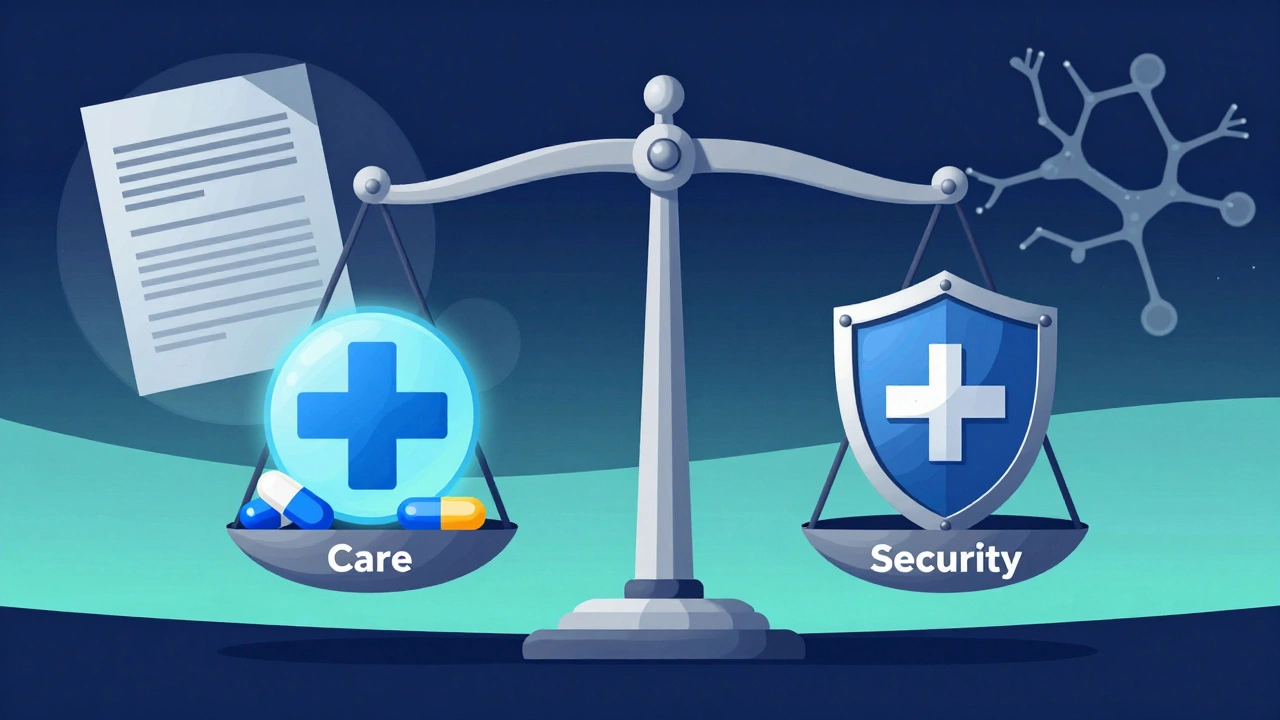
Conclusion: Balancing Care and Security
Managing pain and controlled substances in correctional medicine is not about choosing between compassion and security. It’s about achieving both through evidence-based practices. By adhering to constitutional standards, utilizing multimodal therapies, and integrating OUD treatment, facilities can reduce suffering, lower recidivism, and improve public health. The gap between policy and practice remains, but growing awareness and legal pressure are driving positive change. Every patient deserves dignified, effective care, regardless of their location.
Can prisoners receive pain medication?
Yes, incarcerated individuals have a constitutional right to adequate medical care, including pain management. Facilities must assess pain thoroughly and provide appropriate treatment, balancing clinical needs with security protocols. Denial of necessary pain relief can constitute cruel and unusual punishment under the Eighth Amendment.
How is opioid use disorder treated in jail?
Opioid use disorder (OUD) is treated with Medications for Opioid Use Disorder (MOUD), including methadone, buprenorphine, and naltrexone. Recent DOJ guidance under the ADA requires jails to provide these medications if clinically indicated. Treatment continues during incarceration and coordinates with community providers for re-entry, reducing overdose risk.
Why are opioids restricted in prisons?
Opioids are restricted due to high risks of misuse, diversion into black markets, and overdose. Incarcerated populations have higher rates of substance use disorders. Security measures like supervised dosing and limited in-cell possession prevent diversion while ensuring patients receive necessary pain relief under medical supervision.
What are non-opioid alternatives for chronic pain in correctional settings?
Non-opioid alternatives include acetaminophen, NSAIDs, antidepressants (like SNRIs), anticonvulsants (like gabapentin), physical therapy, exercise programs, and cognitive-behavioral therapy. These multimodal approaches address pain without the high abuse potential of opioids, aligning with CDC and NCCHC guidelines.
Is it illegal to deny pain medication to inmates?
Deliberate indifference to serious medical needs, including severe pain, violates the Eighth Amendment’s prohibition against cruel and unusual punishment. Additionally, denying prescribed MOUD for OUD may violate the Americans with Disabilities Act (ADA). Facilities face legal liability if they fail to provide constitutionally adequate medical care.