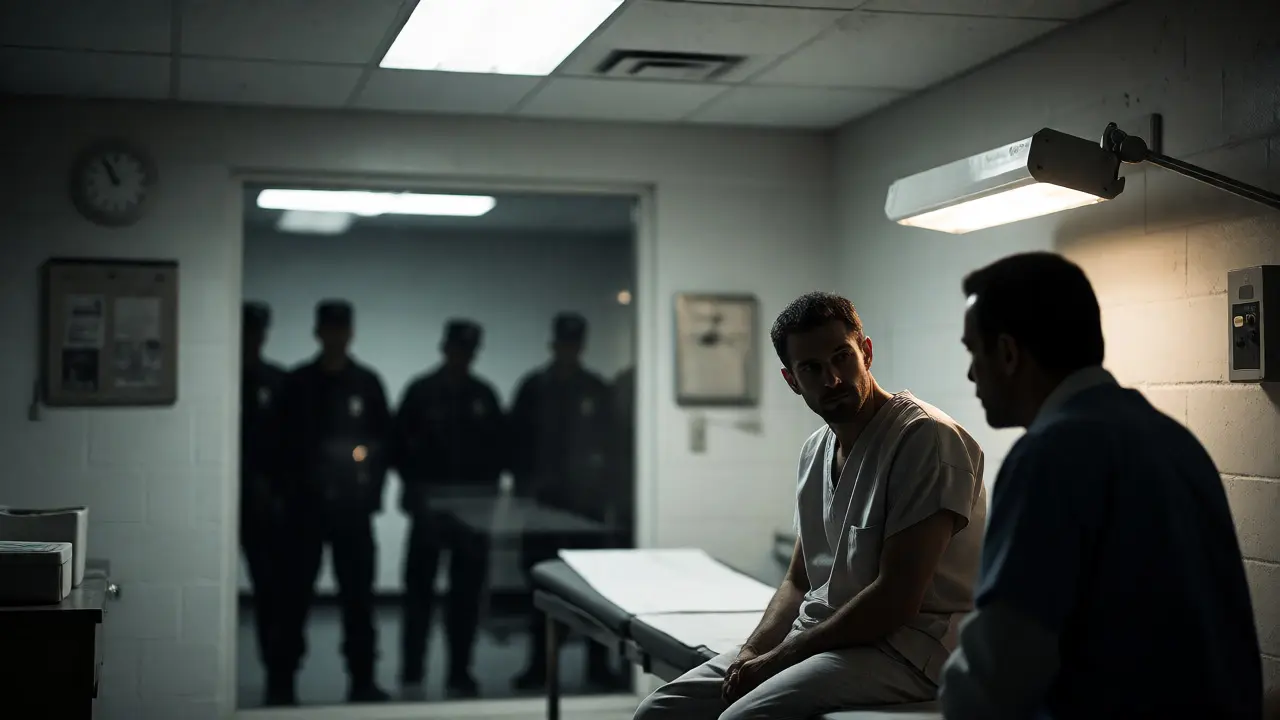
Imagine telling your doctor you have a sensitive condition, only to find out the next day that half the housing unit knows. In regular life, this is a nightmare. In prison or jail, it’s often just Tuesday. Correctional health care operates under a unique set of pressures where medical confidentiality clashes directly with security protocols and institutional order. The stakes are high because a breach here isn’t just an embarrassment; it can lead to violence, stigma, or even death for vulnerable inmates.
You might think privacy rules stop at the cell door. They don’t. While correctional facilities aren’t always exempt from federal laws like HIPAA (the Health Insurance Portability and Accountability Act), the application gets messy fast. This article breaks down how privacy works when freedom is restricted, what rights you actually have, and why the system often fails its most basic promises.
The Legal Tightrope: HIPAA vs. Security Needs
Here is the core conflict: Patient privacy is a fundamental right, but institutional security is a non-negotiable requirement. Under HIPAA, health information is protected. But in a jail, guards need to know if an inmate has a contagious disease, a mental health crisis risk, or needs specific medication handling. If a nurse refuses to tell a guard that an inmate is on suicide watch because of "privacy," people die.
So, how does the law balance this? It allows for exceptions. Correctional officials can access health records if they are needed for safety, security, or public safety. However, this doesn’t mean guards get to read every file for fun. The rule is "minimum necessary." If the info helps keep the facility safe, it can be shared. If it’s just gossip fuel, it shouldn’t leave the medical unit. Yet, in practice, the line blurs constantly.
| Scenario | Can Info Be Shared? | Reasoning |
|---|---|---|
| Inmate has active Tuberculosis | Yes | Public health threat requires isolation protocols known to staff. |
| Inmate requests psychiatric meds | Limited | Nurses and doctors know; general guards may only need to know about side effects affecting behavior. |
| Guard asks about HIV status | No | Unless there is a specific exposure incident protocol, status is private. |
| Mental health evaluation for parole | Yes | Relevant to legal proceedings and release decisions. |
The Physical Reality: Thin Walls and Open Doors
Laws are one thing; concrete walls are another. Many older prisons were built before we understood modern medical privacy standards. Imagine a clinic room where the exam bed faces a window looking into a busy corridor. Or a triage area where three patients sit in chairs spaced five feet apart, all within earshot of each other while discussing hemorrhoids or STDs.
This isn’t hypothetical. A significant portion of US jails lack soundproofed consultation rooms. When a doctor asks, "Are you sexually active?" and the answer echoes off tiled walls, confidentiality evaporates. Patients learn quickly to self-censor. They hide symptoms to avoid being labeled or teased by peers who overhear. This silence leads to worse health outcomes because issues go untreated until they become emergencies.
Practical Workarounds Used by Facilities
- Visual Barriers: Installing curtains or folding screens around exam tables to block sightlines from corridors.
- Scheduling Adjustments: Staggering appointments so fewer patients wait in the same open area simultaneously.
- Private Intake Rooms: Using small offices for initial history taking, reserving open areas only for physical exams where auditory privacy is less critical than visual screening.
Who Sees Your Chart? The Chain of Custody
In a civilian hospital, your chart is accessible to your treating team. In prison, the "team" includes correctional officers, sometimes even administrative staff processing grievances. The concept of the Medical Record becomes a hybrid document containing both clinical notes and security flags.
A major pain point is the intersection of medical and disciplinary files. If an inmate injures themselves during a fight, is that a medical issue or a disciplinary one? Often, it’s both. The resulting documentation might be reviewed by investigators, counselors, and judges. Once health data enters the disciplinary stream, HIPAA protections weaken significantly. The data becomes part of the legal record, potentially available to prosecutors or victims' advocates depending on state laws.
Electronic Health Records (EHR) systems in prisons add another layer. Ideally, role-based access controls limit who sees what. A janitor shouldn’t see your blood pressure. But in smaller facilities, IT infrastructure is weak. Sometimes, a single login credential is shared among shifts, or permissions are set too broadly for convenience. This creates digital footprints of privacy breaches that are hard to trace back to a specific person.
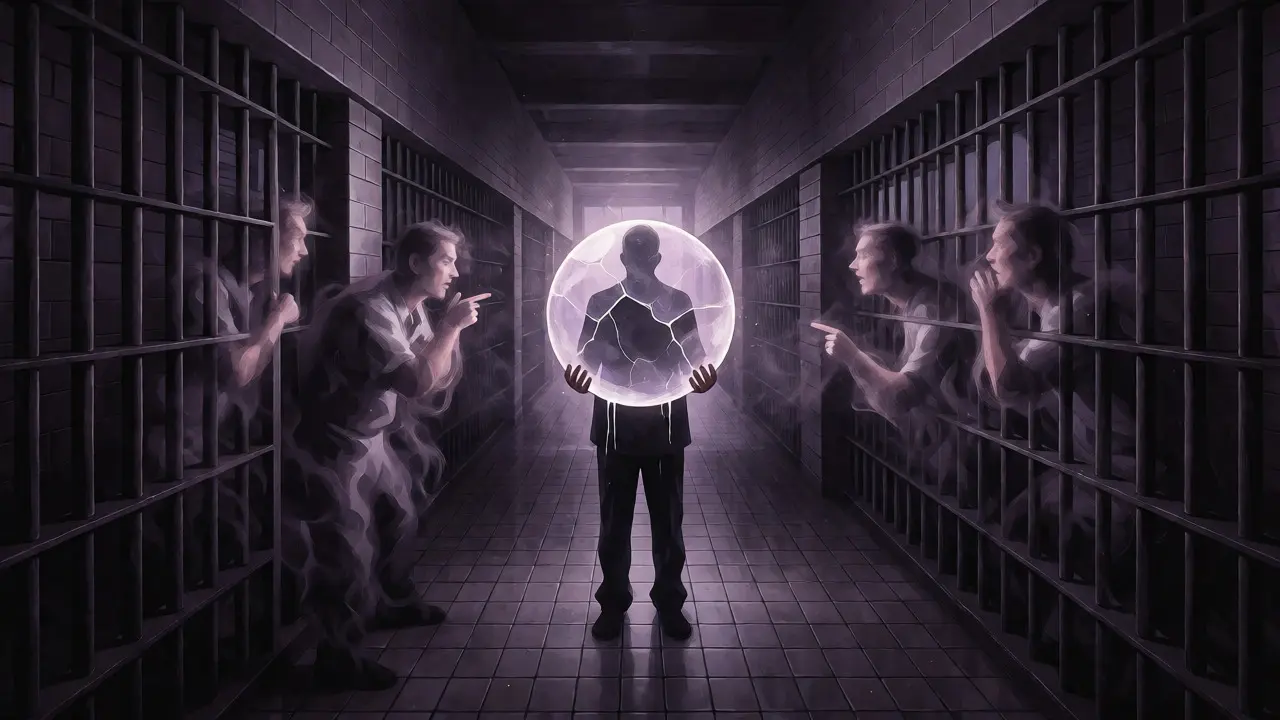
Mental Health: The Most Vulnerable Data
If physical health privacy is fragile, mental health privacy is shattered glass. Stigma inside prisons is severe. Being seen entering the psychiatric ward carries social weight. Unlike a city where you can walk into a therapist's office unnoticed, prison movement is tracked and visible.
Guards often rely on behavioral cues rather than formal diagnoses to manage inmates. They might not know an inmate has schizophrenia, but they know he talks to himself and needs extra time to process commands. Does the guard need the diagnosis to do his job? Probably not. He needs the management plan. Yet, labels stick. An inmate marked as "mentally ill" in a database might face different treatment regarding solitary confinement or work assignments, regardless of their actual stability on any given day.
Furthermore, substance abuse treatment records are particularly sensitive. Admitting to drug use can trigger disciplinary action or affect parole eligibility. Many inmates skip recovery programs entirely because they fear their participation will be used against them later. This is a direct failure of privacy assurance leading to reduced rehabilitation success.
Breaches: What Happens When Secrets Leak?
When confidentiality fails in prison, the consequences are immediate and visceral. There is no polite conversation to smooth things over. If an inmate’s HIV status leaks, they might face ostracization or physical assault. If a transgender inmate’s birth name or pre-transition history is revealed without consent, it can lead to harassment.
Legal recourse exists but is difficult. Filing a grievance is the first step, but these are internal processes often managed by the same administration responsible for the breach. Lawsuits require proving damages, which is hard when the harm is psychological or social. Additionally, qualified immunity protects many correctional officials from personal liability unless they acted with deliberate indifference.
For families and external providers, communication barriers exacerbate breaches. Phone calls are monitored. Mail is opened. If a family member calls the clinic asking for updates, the receptionist might inadvertently reveal details to verify identity, exposing the caller’s relationship to the inmate or the inmate’s presence in a specific unit.

Improving Privacy: Small Steps Matter
We can’t tear down every old prison tomorrow. But we can change culture and small habits. Training is key. Staff need to understand that respecting privacy isn’t just about following rules; it’s about maintaining trust. If inmates trust the medical unit, they report illnesses sooner. That saves money and lives.
Facilities should audit their workflows. Who walks past the nurse’s station? Can they hear conversations? Simple signage reminding staff to lower voices or using headsets for phone consultations can make a difference. Also, clear policies on who accesses records-and logging those accesses-create accountability. When staff know their searches are recorded, they are less likely to snoop.
Frequently Asked Questions
Does HIPAA apply to prisoners?
Yes, generally speaking, correctional facilities that provide healthcare are considered covered entities under HIPAA. However, the law includes specific exceptions allowing disclosure of protected health information to correctional officials for purposes related to safety, security, and custody. This means privacy is maintained but not absolute.
Can guards read my medical records?
Guards typically do not have full access to detailed medical charts. They usually receive limited information necessary for supervision, such as dietary restrictions, mobility aids, or behavioral alerts. Access to detailed diagnostic codes or treatment histories is usually restricted to medical staff, though policies vary by jurisdiction and facility type.
What happens if my privacy is violated?
You can file an internal grievance through the prison’s administrative process. You may also file a complaint with the Office for Civil Rights (OCR) if you believe HIPAA violations occurred. For serious cases involving constitutional rights violations, civil lawsuits are possible, though they face high legal hurdles due to qualified immunity doctrines.
Is mental health information more protected than physical health?
Legally, it receives similar protections under HIPAA. However, practically, it is often less protected due to the operational need for staff to manage behavior. Furthermore, the social stigma within correctional facilities makes mental health disclosures more risky for inmates, leading to higher rates of concealment compared to physical ailments.
Do outside doctors need permission to talk to my family?
Incarcerated individuals must sign a release form authorizing the sharing of health information with specific third parties, including family members. Without this written authorization, prison medical staff cannot legally disclose details to family, even if the family member is paying for the care or visiting regularly.