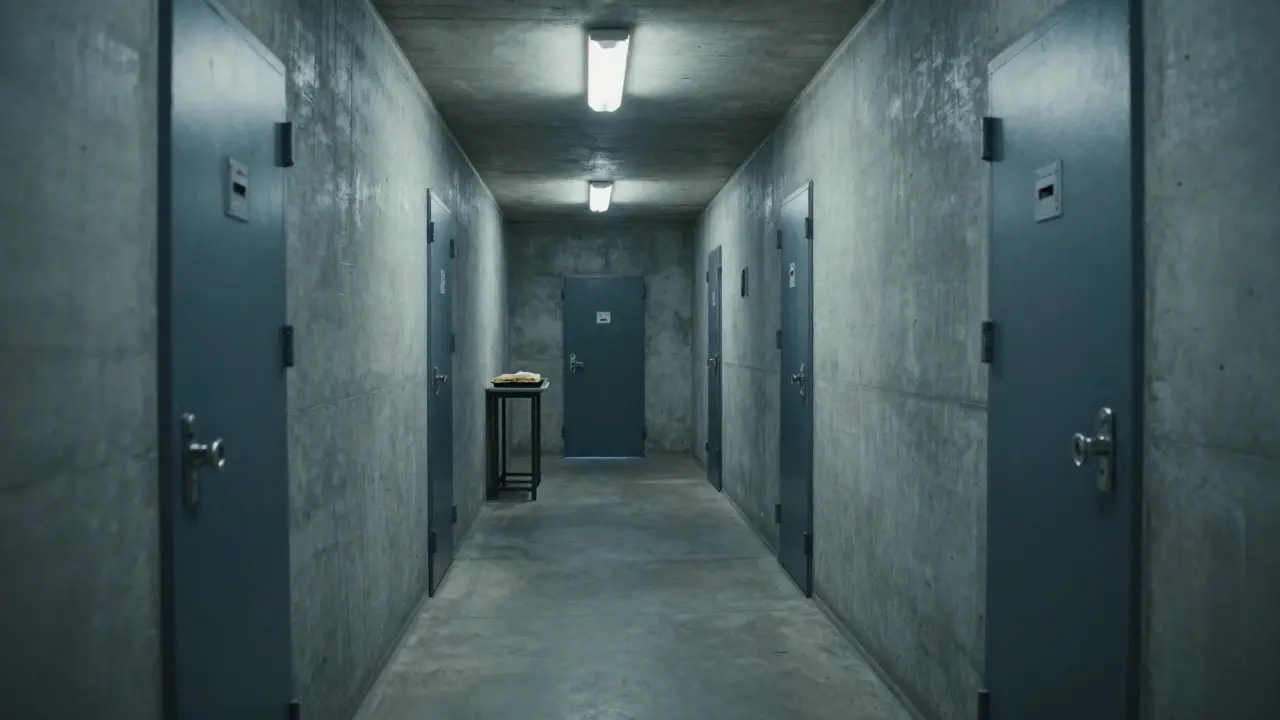
Imagine being locked in a cell for twenty-three hours a day. The walls are concrete, the air is stale, and your only interaction with another human being might be a meal tray sliding under a door. For inmates in solitary confinement, this isolation isn't just a punishment; it often creates a barrier to justice itself. How do you fight an unfair sentence if you can’t reach the law books? This is the core tension behind legal access in high-security units.
The right to access courts is not a luxury-it’s a constitutional requirement. Yet, in practice, getting that access while isolated from the general population is complicated. It involves specific procedures, limited time windows, and strict supervision. Understanding how this system works helps clarify why some cases drag on for months while others move quickly.
The Constitutional Foundation of Legal Access
At its heart, the issue rests on the Sixth Amendment right to counsel and the Fourteenth Amendment guarantee of due process. The U.S. Supreme Court established in Burford v. Holton (1974) that prisoners must have meaningful access to the courts. But what does "meaningful" look like when you’re in solitary? It doesn’t necessarily mean having a personal lawyer in every case, but it does mean having enough tools to file a pro se petition or understand your charges.
For decades, the standard was physical access to a law library. However, as digital technology evolved, the definition shifted. Today, "access" can include electronic databases, video calls with attorneys, or supervised visits with legal staff. The key metric isn't just availability, but usability. If a prisoner spends four hours waiting to use a computer for ten minutes of research, is that truly effective access? Courts are increasingly scrutinizing these logistical bottlenecks.
Physical vs. Digital Law Libraries
Most state prisons still maintain physical law libraries, but their role has changed. In solitary units, these libraries are often located in separate administrative wings, far from the housing cells. Inmates must request a pass, which is then reviewed by unit officers. This approval process can take days. Once approved, the inmate might be escorted to the library during a narrow window, often between 10 AM and 2 PM, depending on facility schedules.
Digital access offers a different dynamic. Many facilities now provide terminals in common areas or allow tablets in cells. These devices connect to specialized legal research platforms like Westlaw or LexisNexis. The advantage is speed: no waiting for a librarian, no travel time. The disadvantage is cost and control. Facilities may limit search terms or monitor activity closely to prevent contraband communication. For complex legal arguments, however, digital databases often provide more up-to-date case law than aging physical volumes.
| Feature | Physical Law Library | Digital/Electronic Access |
|---|---|---|
| Availability | Limited hours, requires escort | Near 24/7 via cell tablets or common area terminals |
| Content Currency | Depends on budget for new books | Real-time updates from legal databases |
| Supervision Level | High (librarian + officer present) | Moderate (software filters, remote monitoring) |
| Cost to Facility | High (staffing, space, printing) | Moderate (subscription fees, hardware maintenance) |
| User Experience | Slow, physically demanding | Faster, but potentially restrictive UI |
The Role of Paralegals and Prison Law Clerks
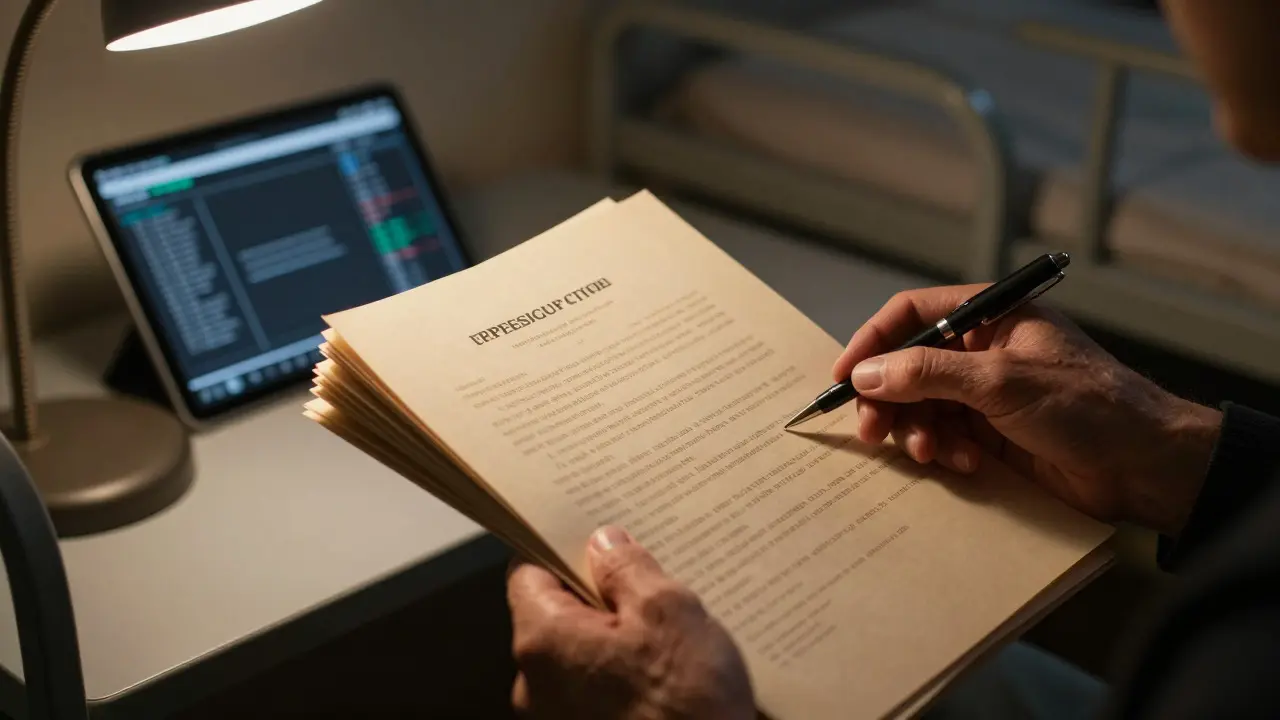
Not every inmate has a lawyer, especially in early stages of litigation or for minor disciplinary hearings. This is where prison law clerks and volunteer paralegals step in. These individuals, often housed within the facility or visiting weekly, help inmates draft motions, find relevant statutes, and organize evidence. They act as a bridge between the raw legal materials and the inmate's understanding.
In solitary, these meetings are strictly scheduled. An inmate might get one 30-minute session per week. During this time, the clerk reviews the inmate's notes, suggests specific cases to pull from the database, and ensures procedural deadlines aren't missed. Without this human element, many inmates struggle to navigate the technical language of federal rules of civil procedure. The clerk’s role is critical because they translate abstract legal concepts into actionable steps for someone isolated from the outside world.
Challenges Specific to Isolation Units
Solitary confinement introduces unique friction points that don't exist in general population. First, there is the issue of "dead time." If an inmate misses a court filing deadline because a law library was closed for cleaning or an officer was on break, the case could be dismissed. Courts recognize this risk, but proving it requires meticulous record-keeping by the inmate. Second, communication barriers affect legal strategy. Inmates in solitary rarely see other prisoners. This means they can't easily share resources or discuss potential co-defendants' strategies. All legal coordination must happen through formal channels: mail, phone calls, or scheduled visits. Each channel has delays. Mail can take weeks to arrive. Phone calls are monitored and expensive. Visits are infrequent. These delays compound, making timely legal preparation difficult.
Best Practices for Effective Legal Research
If you are supporting an inmate or working within the system, certain practices improve outcomes significantly. Start by documenting every attempt to access materials. Keep a log of dates, times, and reasons for any denied access. This paper trail is vital if you need to argue ineffective assistance of counsel or violation of due process later.
- Use Digital Databases First: When available, prioritize electronic searches. They are faster and create a searchable history of your research.
- Request Specific Citations: Instead of asking for "help," ask the law clerk for specific case names or statute sections. This saves time during limited sessions.
- Prepare Questions in Advance: Write down all questions before meeting with a paralegal. Do not rely on memory during a 30-minute window.
- Verify Deadlines Twice: Always confirm filing deadlines with both the clerk and the court clerk. Miscommunication is common in high-stress environments.
These steps turn a chaotic process into a manageable workflow. They also demonstrate to judges that the inmate made a good-faith effort to prepare, which can influence discretionary rulings.
Future Trends in Prison Legal Access
The landscape is shifting. More states are investing in tablet-based systems that offer secure, filtered internet access specifically for legal research. Some pilot programs are testing AI-assisted legal tools that can summarize long court opinions into plain English. While these technologies promise efficiency, they raise new questions about data privacy and algorithmic bias.
Additionally, there is growing pressure from advocacy groups to expand visitation rights for legal representatives. The argument is simple: face-to-face interaction builds trust and allows for nuanced discussion that emails and brief meetings cannot capture. As technology evolves, the balance between security and access will remain a central debate in criminal justice reform.
Do inmates in solitary confinement have the same legal rights as those in general population?
Yes, constitutionally, they hold the same rights. However, the practical mechanisms for exercising those rights differ due to security protocols. The challenge lies in ensuring that security measures do not effectively nullify the right to access courts.
What happens if an inmate cannot access a law library due to facility error?
If a facility error causes a missed deadline, the inmate can file a motion for relief from default. Success depends on proving the error was not caused by the inmate's negligence. Detailed logs of access attempts strengthen this claim.
Are digital legal databases reliable in prisons?
Generally, yes. Most facilities use reputable providers like Westlaw or LexisNexis. However, interface restrictions or outdated software versions can occasionally limit search capabilities. Users should verify the date of the case law they cite.
How often can an inmate meet with a legal aid attorney in solitary?
Frequency varies by state and facility policy. Typically, initial consultations are scheduled weekly or bi-weekly. Follow-up meetings depend on case complexity and attorney workload. There is no universal federal mandate for frequency, only for reasonable access.
Can inmates buy legal books from outside vendors?
Yes, but usually through a pre-approved vendor list. Books must be inspected upon arrival. Non-approved publishers or journals may be rejected. This process adds time to the acquisition of specific materials.