
Imagine waking up in a cell with no access to your insulin, or realizing your blood pressure medication was missed for three days because the medical log was incomplete. For millions of people behind bars, this isn't a hypothetical nightmare; it's a daily reality. Chronic disease management is the systematic process of monitoring, treating, and preventing complications from long-term health conditions such as diabetes and hypertension. In correctional facilities, this process often breaks down due to staffing shortages, fragmented records, and rigid institutional routines that prioritize security over patient autonomy. The stakes are high. The U.S. Department of Justice has noted that incarcerated individuals have higher rates of chronic conditions than the general population, yet they face significant barriers to consistent care. This article breaks down how diabetes, hypertension, and other long-term conditions are managed (or mismanaged) in prisons, what works, and where the system fails.
The Reality of Chronic Illness Behind Bars
Prison populations are aging. As life sentences become more common and parole boards tighten criteria, more inmates are serving decades rather than years. This demographic shift means that correctional healthcare is a specialized field focusing on the medical needs of detained individuals within secure facilities must handle complex, multi-morbidity cases. A single inmate might struggle with type 2 diabetes, high blood pressure, and arthritis simultaneously. Unlike community hospitals where specialists coordinate care, prison clinics often rely on a single nurse practitioner or physician to oversee all aspects of an inmate’s health.
The physical environment adds another layer of complexity. Diets in many facilities are high in sodium and processed carbohydrates, which directly worsen hypertension and diabetes. Exercise options are limited to short yard times, making weight management difficult. Furthermore, stress levels are consistently high, triggering cortisol spikes that interfere with glucose regulation and blood pressure control. These environmental factors mean that even if medication is administered correctly, the underlying condition may still progress without lifestyle interventions that are hard to implement in a secure setting.
Diabetes Care: The Insulin Gap
Type 2 diabetes affects roughly 30% of the incarcerated adult population, a rate significantly higher than the national average. Managing this condition requires regular blood glucose monitoring, dietary consistency, and timely medication adjustments. In practice, this is where systems often fail. Cold chain storage for insulin is a critical requirement; if refrigerators in remote units break down, doses can spoil, leading to dangerous fluctuations in blood sugar.
Nursing staff often manage hundreds of patients per shift. Checking blood glucose levels for every diabetic inmate twice a day requires significant time. When staffing is thin, these checks get skipped or batched, delaying detection of hypoglycemic episodes. Research from the Journal of Correctional Health Care highlights that missed insulin doses are among the most common medication errors in state prisons. The consequence isn't just discomfort; it's increased risk of kidney failure, neuropathy, and cardiovascular events during incarceration, which then becomes a public health burden upon release.
Hypertension and Cardiovascular Risks
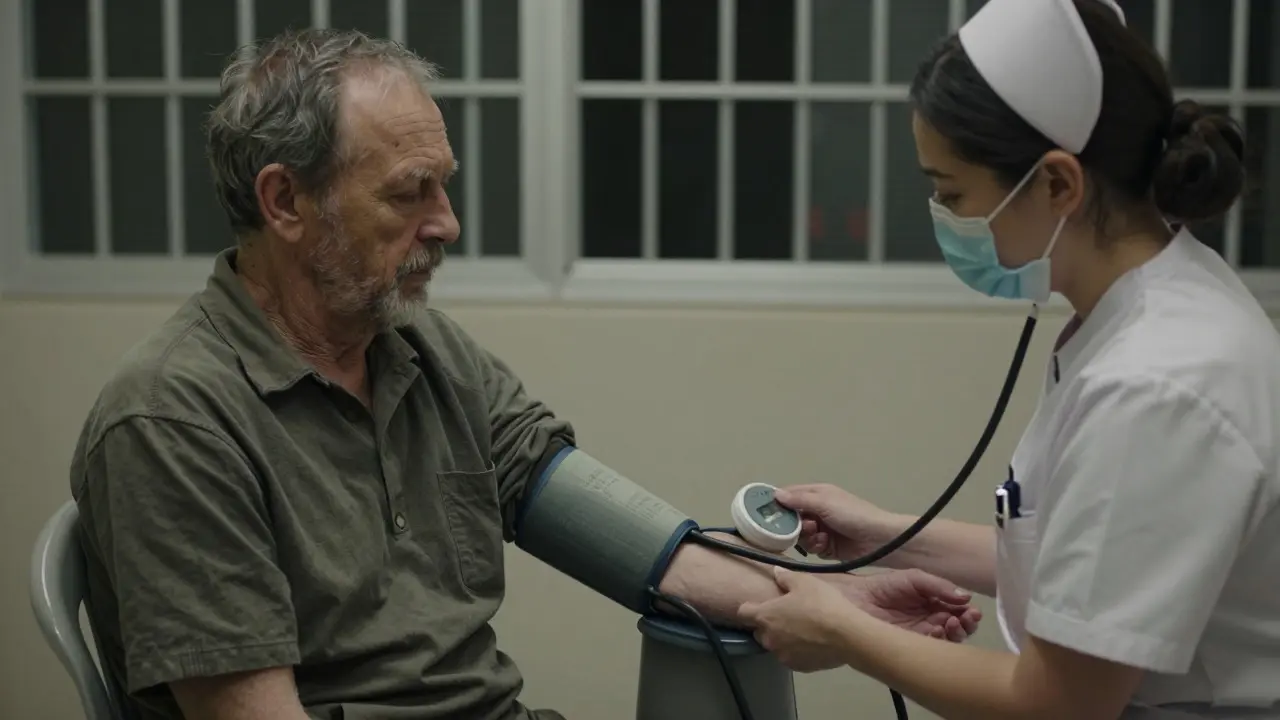
Hypertension is a chronic medical condition characterized by persistently elevated blood pressure in the arteries. It is the leading cause of heart attack and stroke. In prisons, screening is usually done at intake, but follow-up is inconsistent. Many facilities lack automated blood pressure cuffs in each housing unit, meaning nurses must carry devices between cells or wait for inmates to be escorted to the clinic. This logistical friction leads to delayed diagnoses.
Medication adherence is another hurdle. Some antihypertensive drugs require specific timing relative to meals. If meal schedules change or food service is delayed, drug efficacy drops. Additionally, some inmates self-medicate using over-the-counter supplements purchased from commissaries, which can interact negatively with prescribed medications. Without robust pharmacy oversight, these interactions go unnoticed until a crisis occurs.
Systemic Barriers to Effective Care
The root causes of poor chronic disease management in prisons are structural. First, there is the issue of record-keeping. When inmates transfer between facilities-whether within a state or across state lines-medical records often travel slowly or incompletely. A new facility may not know an inmate’s allergy history or current dosage adjustments, leading to trial-and-error prescribing. Second, provider turnover is high. Nurse practitioners and physicians who work in corrections often leave after a few years due to burnout and lower pay compared to hospital settings. This constant churn disrupts continuity of care, which is vital for chronic conditions.
Third, there is the legal and ethical tension between security and health. Inmates may hesitate to report symptoms like chest pain or dizziness if they fear being seen as "weak" or if previous reports were dismissed. This culture of silence prevents early intervention. Finally, funding models often treat prison healthcare as a cost center rather than a clinical one, limiting resources for advanced diagnostics or specialist consultations.
Best Practices and Emerging Solutions
Despite these challenges, some jurisdictions are making strides. Telehealth is becoming a game-changer. Secure video links allow prison nurses to consult with external specialists in endocrinology or cardiology without transporting inmates. This reduces security risks and speeds up decision-making. Electronic Health Records (EHRs) designed specifically for corrections are also improving data sharing. Systems like those used in Oregon and California now sync lab results and medication lists in real-time, reducing duplication and errors.
Patient education is another key area. Successful programs use simple, visual materials to teach inmates about their conditions. Understanding why salt intake matters or how to recognize low blood sugar symptoms empowers patients to advocate for themselves. Peer support groups, led by trained inmate volunteers, have shown promise in improving medication adherence and mental well-being.
| Factor | Community Setting | Correctional Facility |
|---|---|---|
| Medication Access | Pharmacy visits as needed | Centralized dispensing, potential delays |
| Dietary Control | Full choice available | Fixed menu, high sodium/sugar content |
| Specialist Access | Referral to outpatient clinics | Telehealth or rare transport |
| Record Continuity | Integrated EHRs | Fragile inter-facility transfers |
| Monitoring Frequency | Self-managed with home kits | Nurse-dependent, variable frequency |
The Impact on Reentry and Public Health
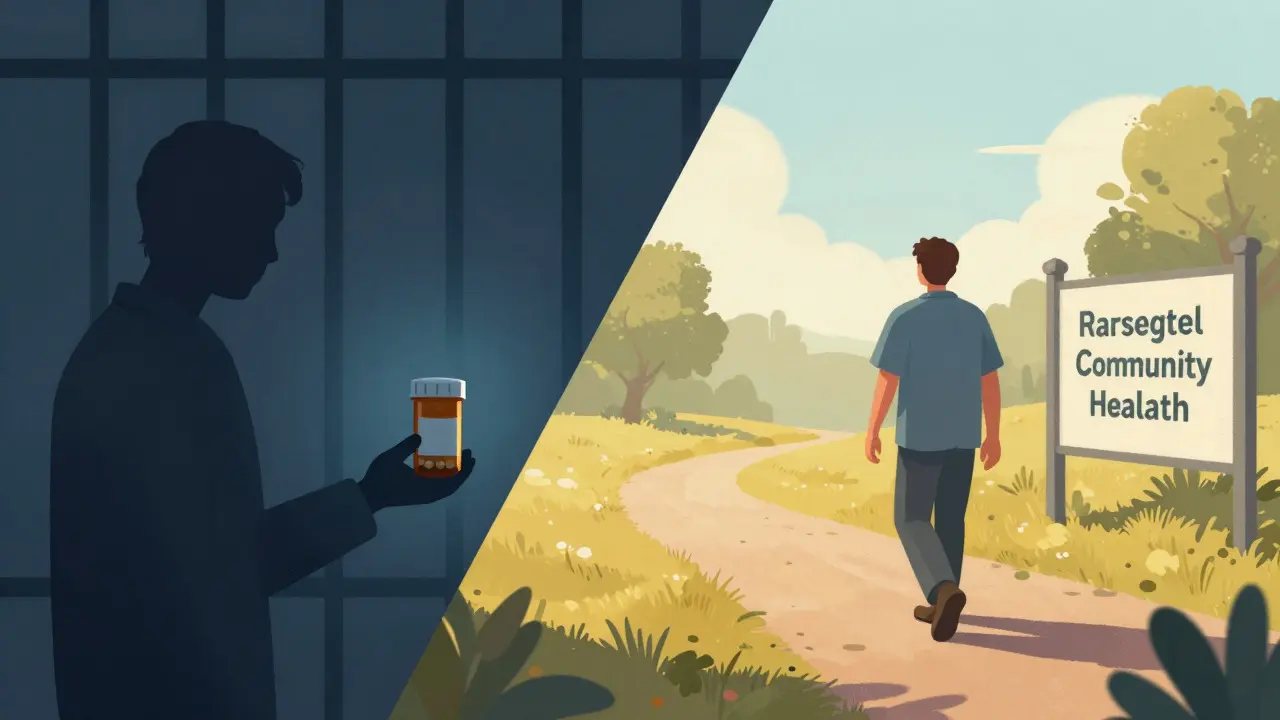
Chronic disease management doesn't stop at the prison gate. Inmates released with uncontrolled diabetes or hypertension are at higher risk of emergency room visits and readmissions within the first 90 days post-release. This creates a cycle of instability that hinders successful reentry into society. Employers may view frequent health issues as unreliability, and family structures can strain under the financial burden of ongoing care.
Public health experts argue that investing in quality prison healthcare is an investment in community health. By stabilizing chronic conditions before release, we reduce downstream costs for Medicaid and emergency services. Programs that bridge the gap-such as providing 30-day medication supplies and connecting releases to local primary care providers-have proven effective in reducing gaps in coverage.
What Can Be Done?
Improving chronic disease management in prisons requires a multi-pronged approach. Policymakers need to mandate minimum staffing ratios for nursing roles in facilities with high chronic disease prevalence. Technology investments in telehealth and digital records should be prioritized over capital projects for new cells. Training for correctional officers on basic health recognition-like identifying signs of stroke or diabetic coma-can save lives before medical staff arrive. Finally, involving patient advocates and community health workers in policy discussions ensures that the voices of those affected shape the solutions.
The goal isn't just to keep inmates alive until their sentence ends; it's to provide equitable, evidence-based care that respects their dignity and prepares them for a healthy return to the community. As the incarcerated population continues to age, the urgency for systemic reform in chronic disease management cannot be overstated.
Why is diabetes harder to manage in prison than in the community?
In prison, patients rely entirely on staff for monitoring and medication administration. There is less flexibility in diet and exercise, and cold chain storage for insulin can be compromised. In the community, patients have more autonomy and access to varied foods and pharmacies.
How do telehealth services help incarcerated patients?
Telehealth allows prison nurses to consult with external specialists via video. This reduces the need to transport inmates to outside clinics, saves time, and provides faster access to expert advice for complex cases like uncontrolled hypertension or diabetes.
What happens to chronic care when an inmate is transferred?
Medical records often travel slowly or incompletely between facilities. This can lead to duplicate testing, medication errors, or missed allergies. New staff may not understand the full history of the patient's condition, causing delays in proper treatment.
Are prison diets suitable for managing hypertension?
Often, no. Many standard prison menus are high in sodium and processed ingredients, which can raise blood pressure. While some facilities offer modified diets, implementation varies, and patient compliance is monitored strictly by staff rather than chosen freely.
How does poor chronic care in prison affect public health?
Inmates released with uncontrolled conditions are more likely to use emergency rooms and have higher rates of readmission. This increases costs for public health systems and destabilizes families and communities, creating a broader societal burden.