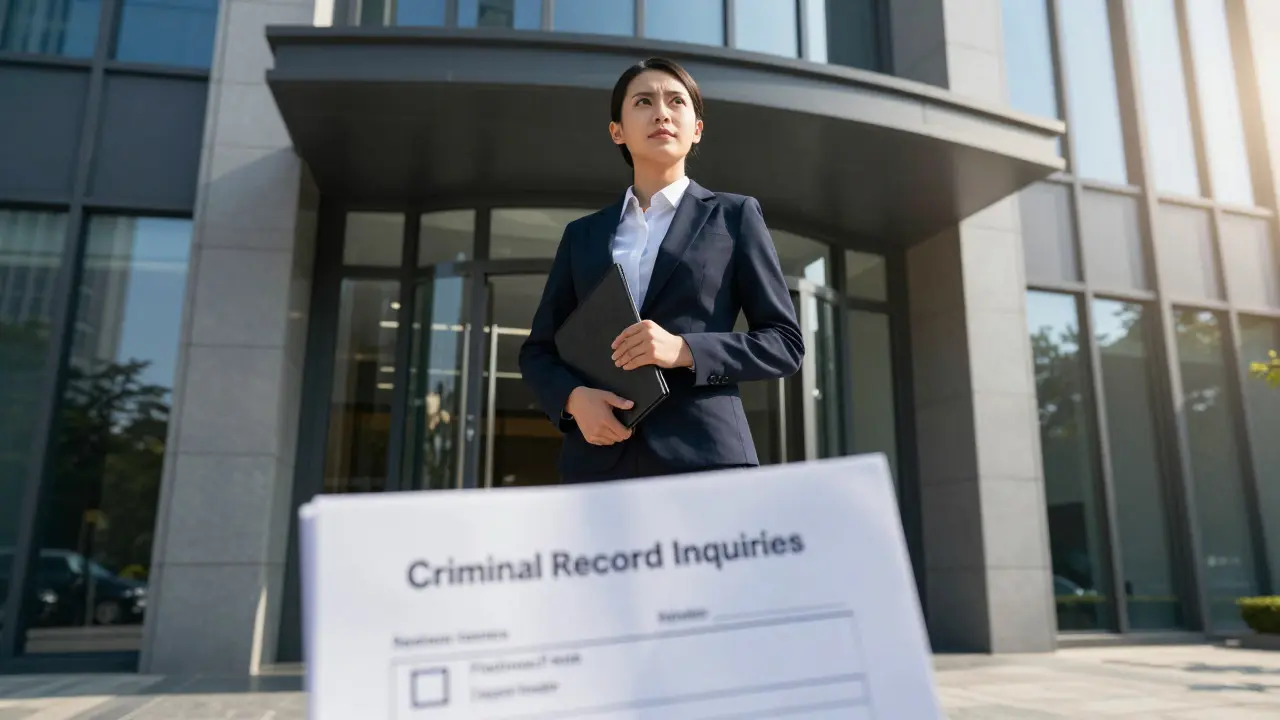
Imagine you have spent years in prison, completed your sentence, and finished a vocational training program that gave you real skills. You walk into an interview confident, only to be rejected because of a box on the application form. This is not just bad luck; it is a systemic barrier. For people with criminal records, finding stable work is one of the hardest hurdles to overcome after release. But you are not powerless. Understanding your legal rights and using smart strategies can change the odds in your favor.
Key Takeaways
- Employment discrimination based on criminal history is often illegal if the record is unrelated to the job duties.
- Federal laws like the Title VII of the Civil Rights Act protect against disparate impact, meaning blanket bans on hiring anyone with a record can be unlawful.
- State and local "Fair Chance" or "Ban the Box" laws vary significantly, so knowing your specific location's rules is critical.
- Vocational training increases employability but does not erase the stigma; pairing skills with strong references helps.
- Strategic communication about your past, focusing on rehabilitation and growth, improves interview success rates.
Understanding Your Legal Protections
Many people assume that once they have a criminal record, employers can reject them for any reason. That is not entirely true. While federal law does not explicitly ban all questions about criminal history, it does prevent practices that disproportionately affect protected groups. The Equal Employment Opportunity Commission (EEOC) issued guidance in 2012 stating that using arrest records (which are not convictions) as a basis for rejection is generally improper. If an employer applies a blanket policy excluding anyone with a felony conviction from every position, even those where the crime is irrelevant, they risk violating Title VII if that policy has a disparate impact on racial minorities.
However, the landscape changes when you look at state and local levels. Over 35 states and hundreds of cities have enacted "Ban the Box" or Fair Chance Hiring laws. These laws typically restrict when an employer can ask about criminal history during the hiring process. For example, in California, public agencies cannot ask about most criminal history until after a conditional offer of employment. In New York City, private employers must use a specific assessment worksheet before rejecting a candidate based on their record. Knowing which laws apply to you is the first step in protecting yourself.
| Protection Type | Scope | Key Requirement | Example Jurisdiction |
|---|---|---|---|
| Federal (Title VII) | All employers with 15+ employees | No disparate impact on protected classes | Nationwide |
| Ban the Box | Varies by state/city | Delay asking about records until later stages | California, Massachusetts |
| Fair Chance Assessment | Specific cities/states | Individualized assessment required before rejection | New York City, Chicago |
| Certificates of Relief | Specific states | Legal document limiting employer discretion | New York, Illinois |
The Role of Vocational Training in Breaking Cycles
Skills matter more than labels, but only if the market sees them. Vocational training provides practical, job-specific skills such as welding, coding, or medical assisting, which directly address employer concerns about competence. When you hold a certificate from a recognized program, you signal reliability and commitment. Employers who hire people with records often cite "trust" as their biggest hesitation. A completion certificate acts as a third-party validator of your character and capability.
However, training alone is not enough. You need to bridge the gap between your new skills and the employer's perception of your risk. This is where strategy comes in. Instead of hiding your past, frame it as a period of growth. If you were incarcerated for five years and then spent two years in a vocational program, that is seven years of structured discipline and learning. Highlight this timeline. It shows that the person who committed the offense is not the person sitting across from the interviewer today.

Practical Strategies for Job Seekers
How do you actually navigate the application process? First, research the company’s stance on second chances. Look for companies that are members of the National Employment Law Project initiatives or those that advertise as "Second Chance Employers." Many large corporations have internal programs specifically designed to hire individuals with records, often providing mentorship and support.
When filling out applications, read the fine print. If a form asks, "Have you ever been convicted of a felony?" and you have a sealed or expunged record, check your state’s laws. In many jurisdictions, you are legally allowed to answer "No" if the record is sealed. If unsure, consult a legal aid attorney specializing in reentry. Lying on an application is risky, but answering incorrectly based on outdated information can also lead to rejection.
In the interview, prepare a concise narrative. Keep it to three sentences. One for the fact, one for the lesson learned, and one for how it relates to the job. For example: "I was convicted of a non-violent offense ten years ago. Since then, I have maintained clean records, completed a welding certification, and worked consistently in construction. My experience has taught me discipline and precision, which are essential for this role." This approach turns a potential weakness into a demonstration of maturity.
Building a Support Network
You do not have to do this alone. Reentry organizations, such as the Center for Employment Opportunities, provide wraparound services including job placement, counseling, and benefits assistance. These organizations understand the nuances of local hiring biases and can advocate on your behalf. They also help you build a resume that highlights transferable skills gained during incarceration or transition periods, such as conflict resolution, teamwork, and time management.
Additionally, consider joining peer support groups. Talking to others who have successfully navigated the job market with a record can provide invaluable tips. They know which recruiters are open-minded and which companies have hidden biases. This network effect is powerful because referrals bypass the initial screening stage where many qualified candidates with records are filtered out.

Common Pitfalls to Avoid
One major mistake is applying to jobs where the record is clearly relevant without preparation. If you had a DUI and are applying for a delivery driver position, the employer has a legitimate safety concern. In these cases, focus on mitigating factors: how long it has been since the incident, whether you have completed defensive driving courses, or if you have a clean driving record for several years. Transparency is key here. Hiding a relevant detail can lead to termination later, which is worse than being rejected upfront.
Another pitfall is neglecting soft skills. Technical skills get you the interview, but soft skills get you the job. Practice active listening, punctuality, and professional communication. Employers often fear that people with records lack reliability. Prove them wrong by showing up early, dressing appropriately, and following up with a thank-you note within 24 hours. Small actions build trust faster than big promises.
Frequently Asked Questions
Can an employer fire me solely because of my criminal record?
Generally, yes, unless the record is related to the job duties or violates a specific state law. However, if the firing is part of a pattern that discriminates against a protected class, it could be challenged under Title VII. Always review your employee handbook and local labor laws.
Do I need to disclose a misdemeanor on a job application?
It depends on the question. If the form asks about "any convictions," you should disclose. If it asks only about felonies, you likely do not. If the record is expunged, you can usually say "no" in most states. Check your state’s specific disclosure laws to be safe.
What is a Certificate of Relief from Disabilities?
This is a legal document available in some states that limits an employer’s ability to discriminate based on a criminal record. Once granted, employers may only consider the record if it is directly related to the job. It serves as strong evidence of rehabilitation.
How long does a criminal record stay on my background check?
Federal law allows background checks to include convictions indefinitely. However, the Fair Credit Reporting Act (FCRA) limits how far back reports can go for certain purposes, and some states impose their own time limits (e.g., 7 years for misdemeanors). Felonies often remain visible permanently unless expunged.
Is it better to apply online or in person?
In-person applications allow you to make a human connection immediately, which can help overcome bias. Online applications are convenient but often filter out candidates with records automatically. Use both: apply online for volume, but target specific employers for in-person visits to showcase your personality and skills.