
Imagine walking into a facility where the air is thick with tension, not just because of the crime rates, but because people are sleeping three feet from someone they absolutely should not be near. That’s the reality when correctional housing placements ignore basic human factors like gender and age. It isn’t just about logistics; it’s about survival, dignity, and keeping staff safe.
You might think that once someone is booked in, they’re just an inmate number. But any corrections officer will tell you that treating everyone as identical numbers is a recipe for disaster. Correctional Housing is the physical environment where inmates reside, and its management relies heavily on accurate classification systems that account for individual risk profiles. When we fail to consider who is sleeping next to whom, we invite violence, exploitation, and chaos.
The Gender Divide: Why Segregation Isn't Just Policy
Let’s get the obvious out of the way: men and women have different needs in custody. This isn’t a political statement; it’s a biological and sociological fact. In male-dominated facilities, female inmates often face unique vulnerabilities. They are frequently placed in separate units or entire institutions dedicated to women. Why? Because mixing genders without strict protocols leads to higher rates of sexual victimization.
According to data from the Bureau of Justice Statistics, female prisoners report significantly higher rates of sexual contact with staff than their male counterparts. This makes the design of housing units critical. Women’s units often require more privacy-focused layouts, such as single-occupancy cells or pods with better sightlines for supervision, rather than the open-bay dormitories common in some male prisons. The goal here is reducing the power imbalance that can lead to abuse.
But what about transgender and non-binary individuals? This is where modern classification gets tricky. The traditional binary approach-men go left, women go right-is outdated and dangerous. Current best practices suggest placing these individuals based on self-identified gender, combined with a thorough assessment of safety risks. A transgender woman in a male general population unit faces extreme danger. Conversely, placing her in a female unit requires careful consideration of legal precedents and community standards within that specific facility.
Age Matters: From Young Offenders to Geriatric Care
If you’ve ever watched a 19-year-old interact with a 65-year-old in a high-stress environment, you know the dynamic shifts instantly. Age is a massive predictor of behavior and vulnerability in prison. Younger inmates, particularly those under 25, are statistically more likely to engage in violent incidents. Their brains are still developing, specifically the prefrontal cortex responsible for impulse control. Placing them alongside older, more settled populations can create friction.
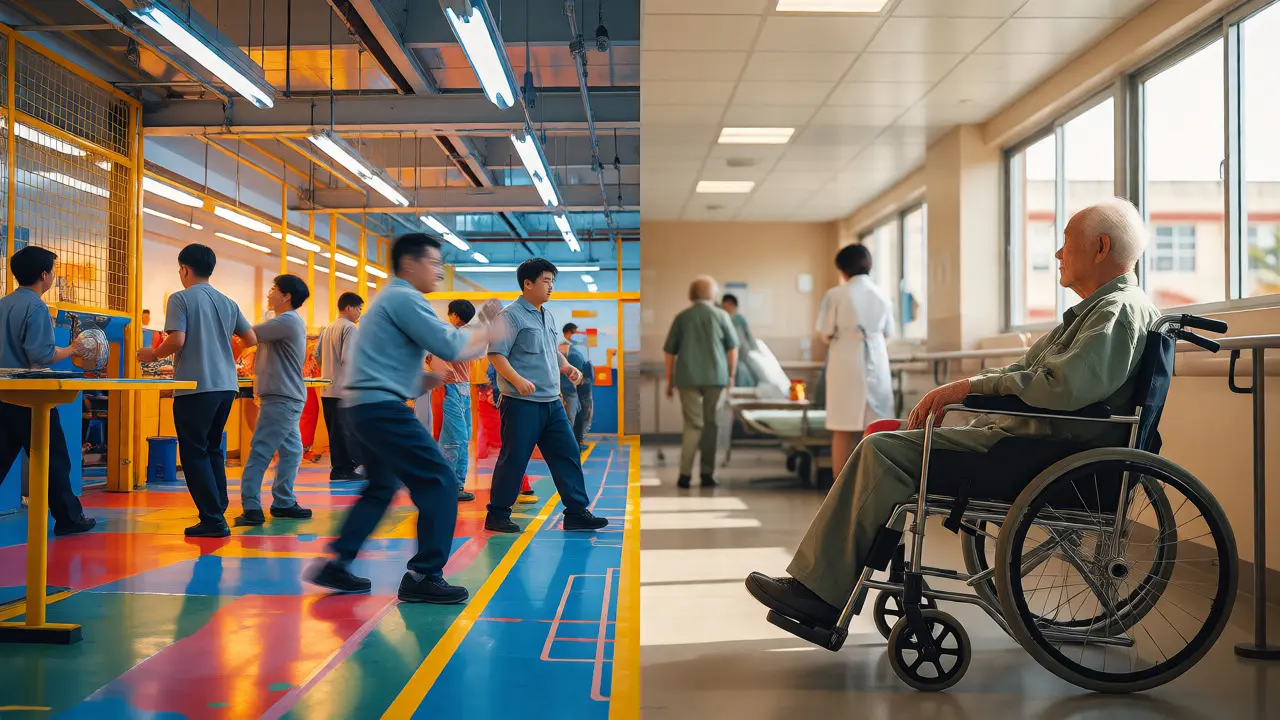
On the flip side, the aging prison population is exploding. By 2030, nearly one in five prisoners in the US will be over 55. These aren’t your typical young toughs. Many suffer from chronic health conditions like diabetes, heart disease, and mobility issues. Standard cell blocks, designed for able-bodied adults, become torture chambers for someone using a walker. We need specialized geriatric units that function more like assisted living facilities than maximum-security dungeons.
Consider the difference in daily routines. A young offender might need vocational training and high-energy programming. An elderly inmate needs medication management, accessible bathrooms, and social interaction that doesn’t involve standing in line for forty-five minutes. Ignoring these differences leads to medical neglect and increased healthcare costs for the state.
The Intersection: Where Gender and Age Collide
Here is where things get complex. What happens when you have an elderly transgender woman? Or a young male inmate with developmental disabilities? Classification systems must handle these intersections. A one-size-fits-all approach fails these individuals spectacularly.
Research indicates that older women in prison are among the most vulnerable groups. They often lack family support networks and face severe health challenges. If a facility places an 70-year-old woman in a unit dominated by younger, gang-affiliated females, she becomes a target for exploitation. She might be forced to pay for protection or perform chores beyond her physical capacity. Proper placement means identifying these vulnerabilities early during intake.
Staffing patterns also shift based on these demographics. Units with high concentrations of young males require more frequent rounds and stricter control measures. Units with elderly residents need more nursing staff and less punitive enforcement. Budgets must reflect this reality. You cannot save money by cutting staff in a geriatric ward and expect the same outcomes as in a young adult block.
Classification Tools and Risk Assessment
How do officials decide where to put someone? Most departments use actuarial tools-standardized questionnaires that score risk levels. These tools ask about prior offenses, conduct history, and escape risk. However, many legacy systems don’t adequately weigh gender-specific trauma histories or age-related health scores.
Newer models are trying to fix this. For instance, some states now include questions about childhood abuse in female intake assessments, recognizing that trauma responses vary by gender. Similarly, health screening at intake helps flag inmates who need medical-housing integration immediately. Without this data, officers rely on gut feeling, which is prone to bias.
| Demographic Group | Primary Safety Concern | Housing Feature Requirement | Staffing Focus |
|---|---|---|---|
| Young Adult Males (18-25) | Violence and Gang Activity | Secure Cells, Controlled Movement | Behavioral Management |
| Elderly Males (55+) | Medical Emergencies, Falls | Accessibility, Proximity to Infirmary | Health Monitoring |
| Female Adults | Sexual Victimization, Staff Abuse | Privacy, Single Occupancy Options | Supervision Quality |
| Transgender Individuals | Harassment, Identity Misalignment | Individualized Placement, Neutral Spaces | Cultural Competency |

Legal and Ethical Imperatives
You might wonder why facilities don’t just adapt faster. Money and litigation fear drive much of this change. The Prison Rape Elimination Act (PREA) sets strict standards for preventing sexual abuse. Facilities that fail to segregate genders appropriately or place transgender inmates incorrectly face federal lawsuits. These settlements cost millions, forcing even reluctant administrators to upgrade their housing strategies.
Ethically, we owe inmates a baseline of humanity. Housing placement is the first step in rehabilitation. If a person feels unsafe or physically unable to navigate their living space, they won’t participate in education or work programs. They’ll spend their time defending themselves or waiting for a nurse. That wastes taxpayer money and hinders reentry success.
Practical Steps for Better Placement
If you work in corrections or policy, where do you start? First, audit your current demographic mix. Are you putting too many elderly inmates in standard cells? Are transgender individuals being housed based on birth certificate only? Second, train staff on implicit bias. Officers often assume all young men are dangerous or all women are passive. Reality is messier.
Third, involve the inmates in the process. Ask them what they need. Surveys show that perceived safety correlates strongly with actual safety. If an inmate feels vulnerable in their assigned unit, move them before an incident occurs. Flexibility saves lives.
Why is gender separation important in prisons?
Gender separation reduces the risk of sexual victimization and exploitation. It allows facilities to tailor security measures and privacy standards to the specific physiological and social needs of male and female populations, complying with laws like PREA.
How does age affect prison housing assignments?
Age influences housing due to varying risks of violence and health needs. Younger inmates often require secure, controlled environments to manage behavioral issues, while older inmates need accessible facilities with proximity to medical care to handle chronic conditions and mobility limitations.
What are the challenges of housing transgender inmates?
Challenges include balancing self-identified gender with safety concerns, legal liabilities regarding sexual assault, and finding appropriate physical spaces. Facilities must avoid placing transgender women in male general populations where harassment is high, while ensuring they are not isolated unnecessarily.
Do older prisoners have different housing requirements?
Yes, geriatric prisoners often need wheelchair-accessible cells, grab bars, lower bunks, and closer access to infirmaries. Standard prison designs often lack these features, leading to increased fall risks and medical complications.
How do classification systems account for gender and age?
Modern systems use actuarial tools that include variables for trauma history, health status, and age-related risk factors. However, many systems are still updating to fully integrate these nuanced data points, often relying on manual review for complex cases.