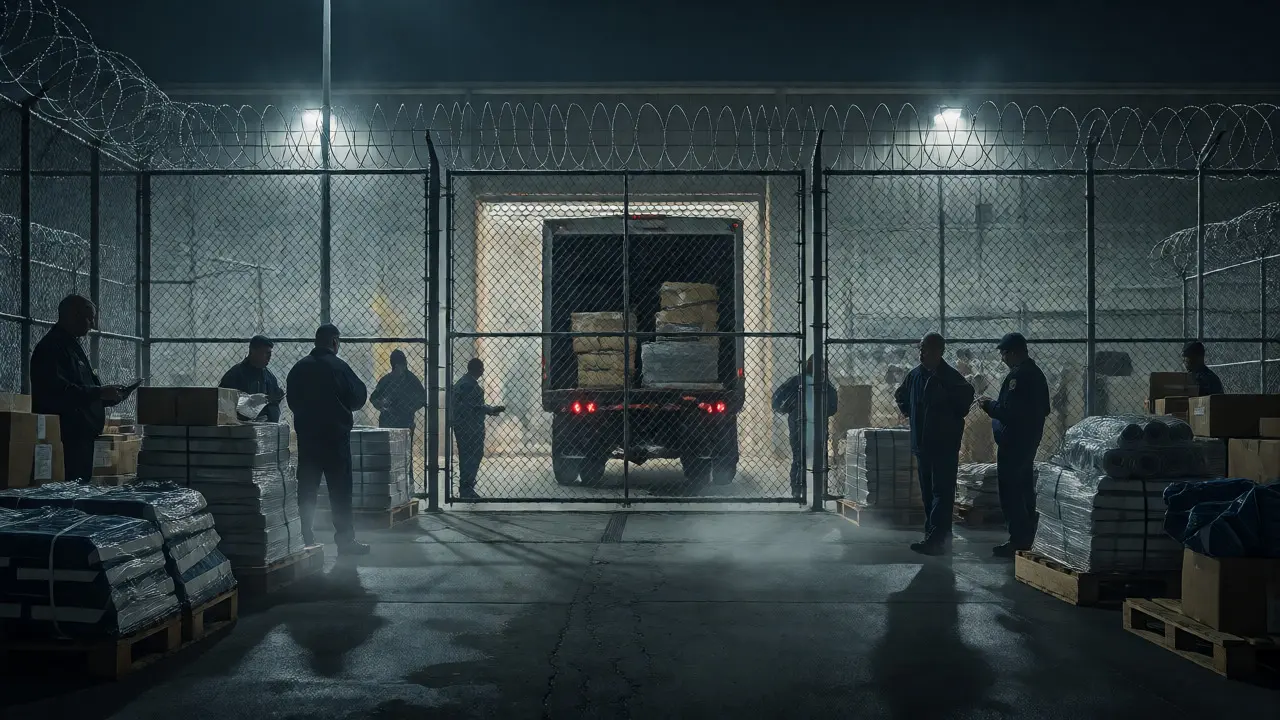
Imagine trying to run a manufacturing plant where your workforce changes every few months, security protocols dictate when trucks can enter the gate, and your customers are government agencies with strict paperwork requirements. That is the reality of Correctional Industries. It’s not just about making license plates or sewing uniforms; it’s about managing a complex web of supply chains and procurement processes that keep these programs alive and profitable. If you’re running a facility in Portland or anywhere else in the US, you know that getting raw materials in and finished goods out isn’t as simple as clicking "buy" on Amazon. There are layers of compliance, safety checks, and budget cycles that can make even routine purchases feel like navigating a maze.
The Unique Challenges of Prison Supply Chains
Most businesses worry about cost and speed. In the correctional world, we worry about those things plus security and political viability. The Supply Chain here has to account for contraband risks. Every box of thread, every roll of steel, and every electronic component must be inspected. This slows things down. You might wait two weeks longer than a civilian factory for the same shipment because the receiving team needs to verify contents against a manifest while ensuring no hidden tools or drugs slipped through.
Then there is the issue of volatility. Populations shift. A new warden comes in and wants to change the focus from furniture assembly to laundry services. Suddenly, your inventory of wood glue is useless, but you need industrial detergent. Managing this transition without wasting state funds requires agile procurement strategies that most private companies don’t have to deal with. You aren’t just buying supplies; you’re betting on the future stability of your program.
Navigating Compliance and Legal Frameworks
You cannot ignore the legal landscape. Most states operate under specific statutes that govern how Inmate Labor interacts with commerce. For example, many jurisdictions restrict selling products outside the state system unless certain conditions are met, often related to wage parity or competition laws. Your procurement team needs to understand these rules before signing a contract for bulk fabric. If you buy too much material for a product line that gets banned by a legislative change next year, you’re stuck holding the bag.
Procurement officers often work closely with legal counsel to draft contracts that protect the institution. We’ve seen cases where vendors didn’t realize they couldn’t ship directly to the housing unit. Everything had to go to a central warehouse first. Misunderstanding these logistical boundaries leads to delays and extra costs for storage. Always clarify the delivery points and inspection protocols in the initial agreement.
Sourcing Materials: Local vs. National Vendors
Should you buy from a local hardware store in Oregon or a national distributor? The answer depends on volume and urgency. Local vendors offer speed and easier communication. If a machine breaks and you need a specific bolt, a local supplier can drive it over within hours. But for bulk orders of cotton or lumber, national distributors usually win on price.
Here is a quick breakdown of how different sourcing strategies impact operations:
| Strategy | Cost Efficiency | Speed of Delivery | Risk Level |
|---|---|---|---|
| Local Small Business | Lower (higher unit cost) | High (same-day/next-day) | Low (easy relationship management) |
| National Distributor | High (volume discounts) | Medium (3-7 days typical) | Medium (contractual complexity) |
| Direct Manufacturer | Very High (lowest unit cost) | Low (lead times vary) | High (minimum order quantities) |
We recommend a hybrid approach. Use national distributors for your core production materials where you have predictable usage. Keep local accounts open for emergency repairs and small-batch specialty items. This balances cash flow with operational resilience.
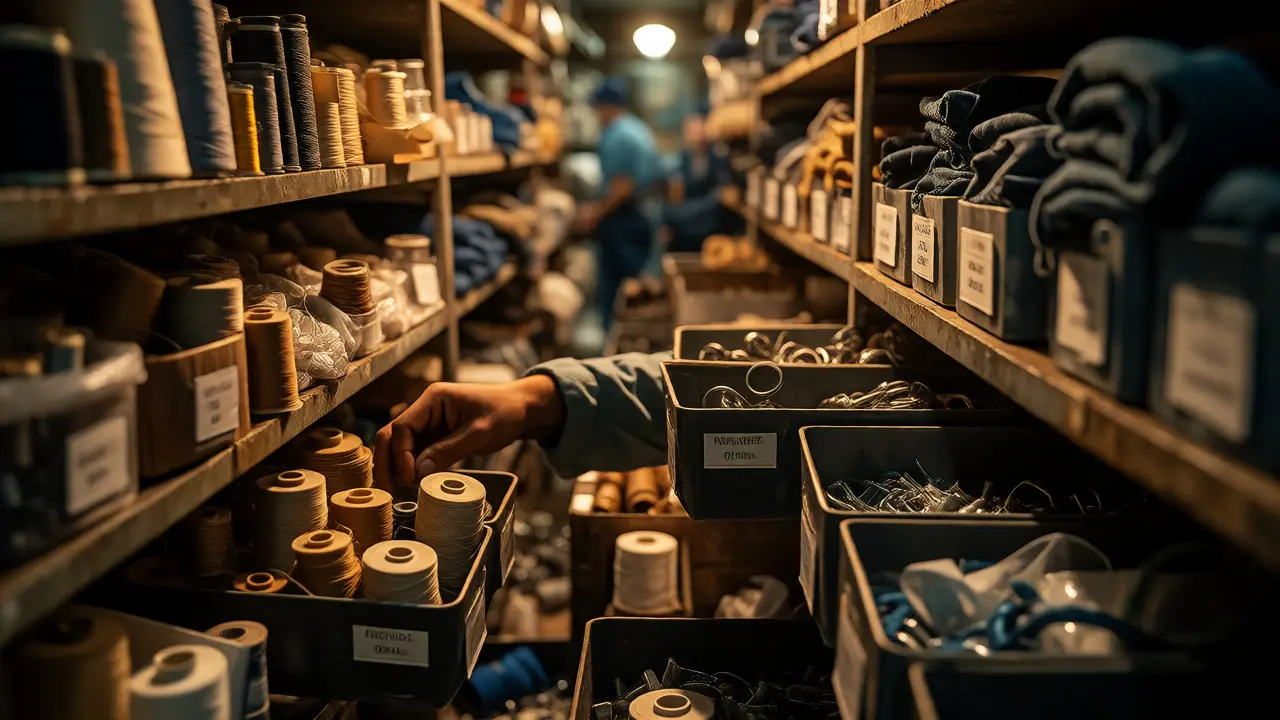
Managing Inventory with Limited Space
Prison facilities rarely have expansive warehouses. Space is premium real estate, often shared with other departments. Effective Inventory Management means keeping stock levels lean. You can’t afford to let pallets of unsold chairs sit in a corner for six months. Just-in-time (JIT) principles work well here, but they require accurate demand forecasting.
How do you forecast demand when your primary customer is the state government? Look at historical data from previous fiscal years. Did the Department of Transportation order 10,000 signs last year? They will likely order a similar amount this year. Adjust for known changes, like new highway projects or budget cuts. Communicate regularly with your internal customers-the other prison departments-to get early warnings about their needs.
The Role of Technology in Modern Procurement
Gone are the days of paper requisition forms buried in a filing cabinet. Many correctional systems now use enterprise resource planning (ERP) software tailored for public sector constraints. These systems track every dollar spent and every item received. When an inmate worker logs time on a task, it ties back to the material consumption in the system.
This transparency helps justify the value of the program to legislators. If you can show that for every $1 spent on raw materials, $5 worth of goods were produced and sold, you build a strong case for funding. Technology also helps manage vendor performance. You can track which suppliers consistently deliver late or provide defective goods, giving you leverage during contract renewals.

Building Resilient Vendor Relationships
Vendors are partners, not just sellers. In the correctional industry, turnover among staff can disrupt relationships. One day you’re talking to a friendly purchasing agent; the next, they’re gone, and you’re starting over with someone who doesn’t know your history. To mitigate this, maintain clear documentation of all agreements. Create standard operating procedures (SOPs) for ordering so that any staff member can execute a purchase correctly.
Also, consider diversifying your vendor base. Relying on a single source for critical materials creates a bottleneck. If that one supplier goes out of business or faces a strike, your entire production line halts. Having backup vendors, even if they are slightly more expensive, provides insurance against disruption.
Financial Sustainability and Reinvestment
The goal of any correctional industry program is self-sufficiency. Profits should ideally reinvest into better equipment, training, and wages for inmates. Efficient procurement directly impacts this bottom line. Saving 5% on raw materials might seem small, but across millions of dollars in annual spend, it translates to significant funds available for upgrades.
Regularly audit your procurement processes. Are you paying retail prices for bulk items? Are you using approved vendors? Sometimes, old habits stick around long after they stop being efficient. A quarterly review of top-spending categories can reveal easy wins.
What are the main barriers to effective procurement in prisons?
The biggest barriers include strict security protocols that delay deliveries, limited storage space forcing lean inventory models, and bureaucratic approval processes that slow down purchasing decisions. Additionally, fluctuating inmate populations can make demand forecasting difficult.
How does inmate labor affect supply chain management?
Inmate labor introduces variability in workforce availability and skill levels. Supply chains must account for training periods and potential disruptions due to disciplinary actions or transfers. Managers need flexible scheduling and robust quality control checks since the workforce is not permanent.
Can correctional industries sell products outside the state system?
It depends on state law. Some states allow sales to federal agencies or other states, while others restrict sales strictly to in-state government entities. Federal regulations also limit interstate commerce for goods made with convict labor under the Ashurst-Sumners Act, requiring proper labeling and reporting.
What role does technology play in correctional procurement?
Technology, such as ERP systems, automates purchase orders, tracks inventory levels in real-time, and generates financial reports. This reduces manual errors, improves visibility into spending patterns, and helps demonstrate the economic value of the program to stakeholders and legislators.
How do I choose between local and national vendors?
Use national vendors for high-volume, predictable items to maximize cost savings. Use local vendors for urgent needs, custom parts, or low-volume specialty items where speed and flexibility outweigh higher unit costs. A mixed strategy often yields the best balance of efficiency and reliability.