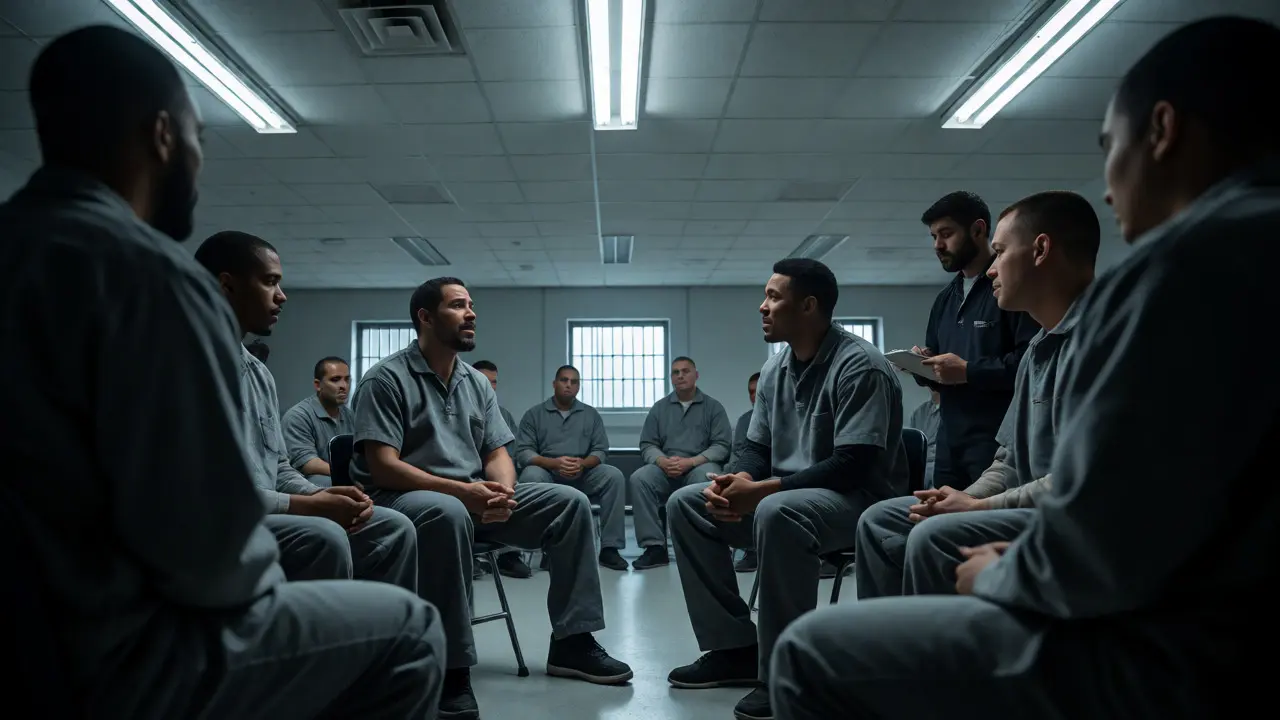
You walk out of a state prison after five years. You have a GED, maybe some vocational certification, and a release date. But within eighteen months, you're back inside. Why? It wasn't because you lacked education. It was because the programming you received didn't touch the actual drivers that put you there. This is where Rehabilitative Programming in state prisons faces its biggest challenge: moving beyond generic activities to target specific Criminogenic Needs.
The concept isn't new, but its application has evolved dramatically. We aren't just talking about keeping inmates busy anymore. We are talking about evidence-based interventions designed to reduce reoffending by addressing dynamic risk factors. If you want to understand why some programs work and others fail, you need to look at the mechanics of how these systems identify, measure, and treat the root causes of criminal behavior.
Defining Criminogenic Needs vs. Non-Criminogenic Needs
Not every problem an inmate faces is a criminogenic need. This distinction is critical. A non-criminogenic need might be low self-esteem or poor reading skills. While improving these things feels good, research shows they don't directly correlate with reduced recidivism rates if left isolated. In contrast, Criminogenic Needs are dynamic risk factors that, when changed, lead to changes in criminal behavior. They are changeable, unlike static factors like your age at first arrest or criminal history.
The eight central eight criminogenic needs identified by Andrews and Bonta form the backbone of modern correctional psychology. These include antisocial attitudes, antisocial peers, antisocial personality pattern, history of antisocial involvement, family/marital circumstances, school/work performance, leisure/recreation, and substance abuse. Effective rehabilitative programming targets these specifically. If a prison offers yoga classes, that’s great for stress, but unless it addresses impulsivity or peer association, it misses the mark on reducing crime.
The Risk-Need-Responsivity Model
Most effective state prison systems now operate under the Risk-Need-Responsivity (RNR) model. Think of this as the operating system for rehabilitation. It has three core principles that dictate how resources are allocated.
First, the Risk Principle. High-risk offenders need intensive intervention. Low-risk offenders actually do worse when subjected to intense programming because it disrupts their natural social supports. Second, the Need Principle. Programs must target those dynamic criminogenic needs we discussed. Third, the Responsivity Principle. This is often overlooked. It means matching the style of intervention to the learner's abilities and barriers. If someone has a learning disability, a lecture-heavy cognitive program will fail. They need interactive, hands-on approaches.
When state prisons ignore RNR, they waste money. Putting a low-risk person into a high-intensity drug treatment program doesn't help them; it might even increase their risk by mixing them with higher-risk peers. Conversely, giving a high-risk offender only a pamphlet on anger management does nothing. The intensity must match the risk level.
Cognitive Behavioral Therapy as the Gold Standard
If there is one tool that dominates successful rehabilitative programming, it is Cognitive Behavioral Therapy (CBT). CBT operates on the premise that thoughts drive feelings, which drive behaviors. Criminal behavior often stems from distorted thinking patterns-hostile attribution bias, entitlement, or short-sightedness. CBT helps inmates recognize these distortions and replace them with prosocial alternatives.
Programs like Thinking for a Change or Moral Reconation Therapy are widely used in state facilities. These aren't just talk therapy sessions. They are structured curricula that teach problem-solving, perspective-taking, and emotional regulation. For example, a participant might learn to pause before reacting aggressively, recognizing that their initial thought ('He disrespected me') led to the feeling ('I'm angry'), which led to the action ('I punched him'). By interrupting the thought, you stop the punch.
However, CBT fails if it's delivered poorly. Fidelity matters. If staff members view the program as 'baby sitting' rather than clinical intervention, the results vanish. Successful implementation requires trained facilitators who can hold inmates accountable without being punitive.

Addressing Substance Abuse and Mental Health Comorbidities
A huge portion of the prison population struggles with addiction. Substance Use Disorders are a primary criminogenic need. Ignoring them guarantees recidivism. But here is the catch: treating addiction in prison is different than treating it on the street. The environment is controlled, but the triggers upon release are massive.
Effective programming uses a continuum of care. This starts with screening upon intake using validated tools like the Level of Service Inventory-Revised (LSI-R). Based on the score, inmates are placed in appropriate tracks. Some get abstinence-based models like Alcoholics Anonymous adaptations. Others benefit more from Medication-Assisted Treatment (MAT), especially for opioid use disorders. MAT reduces overdose deaths post-release significantly, which keeps people alive long enough to engage in other rehab services.
Mental health issues often co-occur with addiction. Depression, anxiety, and PTSD are common among incarcerated individuals. Integrated dual-diagnosis programs address both simultaneously. Treating the depression alone won't stop the drinking if the drinking is a coping mechanism for trauma. Rehabilitative programming must untangle these threads carefully.
The Role of Employment and Education
While education itself isn't always a direct criminogenic need, Employment Skills are. Unemployment post-release is a major predictor of return to prison. However, not all job training is created equal. Generic data entry training might not prepare someone for the reality of the current labor market.
State prisons are increasingly partnering with community colleges and trade unions. Vocational programs in welding, HVAC, and healthcare offer tangible pathways to living wages. But technical skills aren't enough. Employers complain about soft skills: punctuality, conflict resolution, and communication. Modern rehabilitative programming integrates these 'employability skills' into vocational training. An inmate learns to weld, yes, but also learns how to handle a disagreement with a supervisor without escalating to violence.
Education programs also serve a secondary purpose: they improve self-efficacy. When an inmate earns a degree, they begin to see themselves as capable. This shift in identity-from 'criminal' to 'student' or 'professional'-supports desistance from crime.
| Program Type | Primary Target Need | Evidence Strength | Best For |
|---|---|---|---|
| Cognitive Behavioral Therapy | Antisocial Attitudes, Impulsivity | High | All risk levels, especially medium-high |
| Vocational Training | Employment Barriers | Moderate-High | Individuals with clear career goals |
| Substance Abuse Treatment | Addiction, Peer Associations | High | Offenders with diagnosed SUD |
| Restorative Justice | Empathy, Victim Awareness | Moderate | Property crimes, lower-violence offenses |
| General Education (GED) | School Performance | Moderate | Younger offenders, literacy gaps |

Implementation Challenges in State Systems
Knowing what works is half the battle. Doing it inside a maximum-security facility is another. Budget constraints often force prisons to cut staff-to-inmate ratios. When one counselor is responsible for fifty inmates, individualized attention disappears. Programs become group lectures rather than therapeutic interactions.
Staff turnover is another killer. Corrections officers are not therapists. Without specialized training, they may undermine therapeutic gains. Imagine an inmate learning empathy in a CBT class, then walking down the hallway and being treated with dehumanizing hostility by guards. That contradiction erodes trust. Successful states invest in 'corrections culture' shifts, training security staff to support rehabilitative goals rather than just maintaining order.
Data tracking is also weak in many systems. Prisons collect tons of data, but rarely analyze whether specific programs actually lowered recidivism for specific cohorts. Without feedback loops, bad programs persist simply because they've always existed. Evidence-based practice requires constant evaluation and adjustment.
Beyond the Walls: Reentry Continuity
Rehabilitation doesn't end at the gate. In fact, the first 72 hours post-release are the most dangerous. Most failures happen here. Effective rehabilitative programming includes robust reentry planning that begins months before release. This involves connecting inmates with community providers before they leave.
Continuity of care is vital. If an inmate receives MAT in prison, they need immediate access to it on the outside. If they were in a CBT group, they should join a similar support group in their neighborhood. Fragmented services lead to dropout. State departments of corrections are trying to bridge this gap through case management teams that follow individuals from intake to discharge and into supervision.
Family involvement plays a huge role here too. Strengthening family bonds during incarceration can provide a stable support network post-release. Programs that facilitate family visits and counseling help maintain these ties, which are crucial for long-term stability.
Key Takeaways
- Target Dynamic Factors: Focus on criminogenic needs (attitudes, peers, substance use) rather than static history or non-criminogenic desires.
- Apply RNR Principles: Match intervention intensity to risk level and delivery style to learner capabilities.
- Prioritize CBT: Cognitive restructuring is the most proven method for changing criminal thinking patterns.
- Integrate Services: Address substance abuse, mental health, and employment simultaneously for best outcomes.
- Ensure Continuity: Bridge the gap between prison and community to prevent early relapse.
What are the 'Central Eight' criminogenic needs?
The Central Eight, identified by psychologists Andrews and Bonta, are the eight strongest predictors of recidivism. They include: antisocial attitudes, antisocial peers, antisocial personality pattern, history of antisocial involvement, family/marital circumstances, school/work performance, leisure/recreation, and substance abuse. Effective programming targets these dynamic factors.
Why is the Responsivity Principle important in prison programs?
The Responsivity Principle ensures that interventions match the individual's learning style, abilities, and barriers. For example, an inmate with a learning disability may struggle with text-heavy materials but thrive in role-playing exercises. Ignoring responsivity leads to poor engagement and ineffective treatment, regardless of how good the program content is.
Do educational degrees in prison actually reduce recidivism?
Yes, but indirectly. Earning a college degree in prison is associated with a 43% reduction in recidivism according to RAND Corporation studies. However, this effect is mediated by improved employment prospects and increased self-efficacy. The degree itself isn't magic; it opens doors to jobs that provide stability and prosocial identities.
What happens if low-risk offenders receive high-intensity programming?
Paradoxically, their recidivism rates may increase. High-intensity programs often involve mixing offenders together, exposing low-risk individuals to high-risk peers and antisocial norms. Additionally, intensive programming can disrupt existing prosocial supports like family and jobs. The Risk Principle suggests low-risk offenders need minimal intervention.
How does Cognitive Behavioral Therapy differ from traditional counseling in prisons?
Traditional counseling often focuses on past trauma or general emotional support. CBT is structured, present-focused, and skill-based. It teaches specific techniques to identify distorted thoughts, challenge them, and develop alternative responses. It is goal-oriented and measurable, making it more effective for changing specific criminal behaviors than open-ended talk therapy.