
Walking out of prison is a huge milestone, but the legal battles don't always stop at the gate. For many people on parole is a period of supervised release where individuals must adhere to specific rules set by the court or parole board, the right to privacy feels different than it does for the rest of the population. One of the most confusing and stressful aspects of this supervision is the potential for a warrantless search is a search conducted by law enforcement without a judicial warrant, typically based on probable cause or consent. If you are currently on parole or have a family member who is, understanding when these searches are legal can mean the difference between a routine check-up and a criminal case.
The Legal Foundation: Why Parole Changes the Rules
To understand why officers can knock on your door without a piece of paper from a judge, you have to look at how the U.S. Supreme Court has interpreted the Fourth Amendment is the constitutional provision that protects citizens from unreasonable searches and seizures. In the landmark 1985 case Samson v. California, the Court ruled that parolees have a diminished expectation of privacy compared to the general public. The logic is simple: because you are still serving a sentence, albeit outside of prison walls, the state has a heightened interest in ensuring you aren't reoffending.
This doesn't mean officers can do whatever they want, but it does shift the burden. Usually, police need probable cause-a solid reason to believe a crime occurred-to search your home without a warrant. On parole, however, the standard is often lower. They just need reasonable grounds to believe evidence of a violation might be there. This creates a unique legal landscape where your freedom is conditional on your cooperation with supervising authorities.
Consent vs. Mandatory Searches: Knowing the Difference
There are two main ways a probation officer is a law enforcement agent responsible for monitoring offenders on probation or parole will enter your home. The first is through a mandatory condition written into your release papers. Most parole contracts explicitly state that you agree to be searched at any time, with or without a warrant. By signing those papers, you have technically given prior consent. This is known as a "search incident to parole" clause.
The second method is ad-hoc consent. An officer might show up unannounced and ask to look around. If you say yes, you are giving fresh consent. Here is the critical trap: once you let them in, it’s hard to take it back. If you hesitate, they may argue you implicitly consented by not objecting. It is crucial to know that while you can refuse a search if it isn't part of your specific terms, doing so can sometimes be viewed negatively by your officer, potentially leading to stricter monitoring or even a hearing for technical violations, depending on your jurisdiction's strictness.
What Can They Actually Look For?
While the scope of a search is broad, it isn't infinite. Officers are generally looking for things that indicate a violation of your parole terms. This includes:
- Contraband: Illegal drugs, weapons not permitted by your order, or stolen property.
- Evidence of Violations: Proof that you missed an appointment, failed a drug test, or associated with prohibited persons.
- Personal Belongings: Your phone, computer, and papers are fair game if they relate to your supervision status.
However, if they find something completely unrelated to your parole-like a minor traffic ticket from three years ago-it might not trigger a parole violation unless it suggests a pattern of non-compliance. But if they find a bag of meth in your kitchen drawer? That is immediate evidence of a new crime and a parole violation simultaneously.
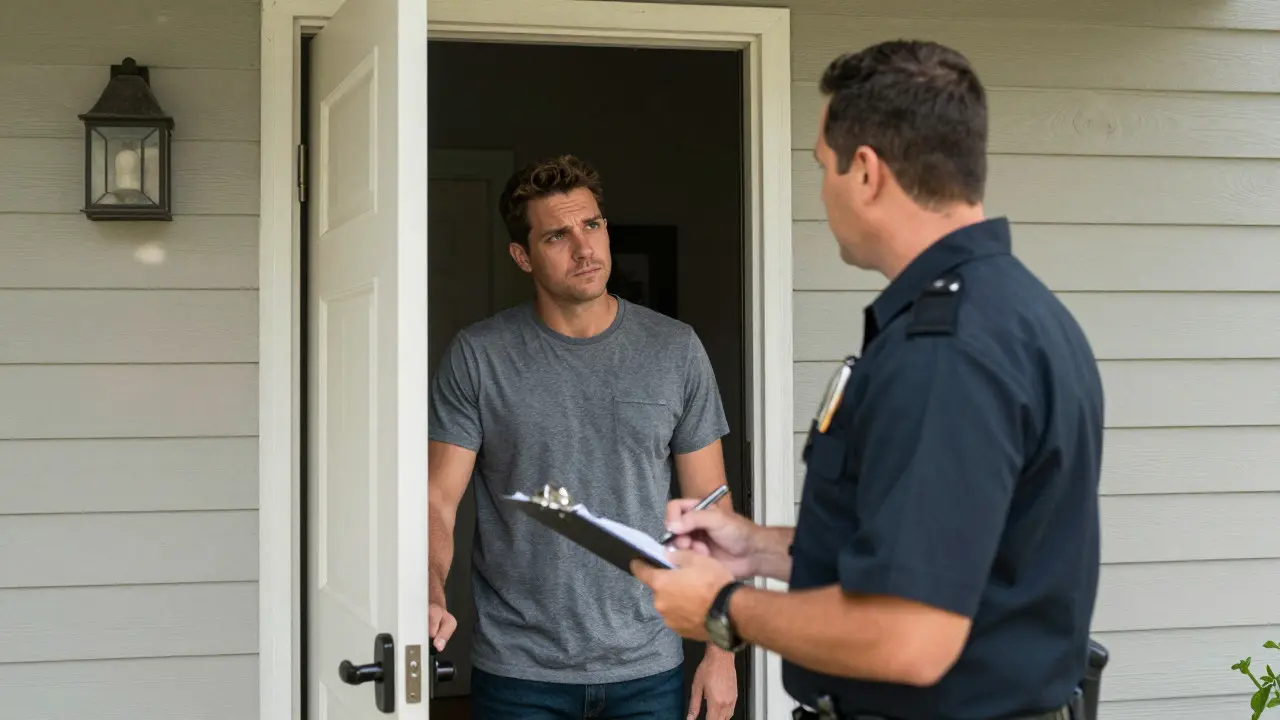
The Role of Probation Officers in Enforcement
Your parole officer is a professional tasked with guiding offenders toward successful reintegration while maintaining public safety is your primary point of contact, but they rarely act alone during high-stakes searches. Often, they coordinate with local police or federal agents. When a search happens, it is usually documented meticulously. Every room entered, every item moved, and every statement made is recorded in a report that can later be used in a revocation hearing.
It is helpful to view your officer not just as a supervisor, but as a witness. Their notes carry significant weight. If you feel a search was invasive or unfair, having a clear record of what happened is vital. Many people make the mistake of arguing with the officer during the search. Instead, stay calm, cooperative, and ask politely for the officer's name and badge number. This shows compliance while creating a paper trail.
| Factor | General Citizen | Parolee |
|---|---|---|
| Legal Standard Required | Probable Cause or Warrant | Reasonable Grounds or Prior Consent |
| Scope of Search | Limited to areas related to probable cause | Broad; can include entire residence if contract allows |
| Right to Refuse | Yes, unless exception applies | Limited; refusal may violate terms |
| Evidence Admissibility | Subject to exclusionary rule | Generally admissible under special needs doctrine |
Common Mistakes People Make During a Search
Stress makes us react, and reactions can hurt your case. The biggest mistake is assuming that because you are innocent, the search won't matter. If an officer finds anything ambiguous-like a prescription pill bottle with a different name on it-they may interpret it as hiding contraband. Another common error is failing to check your parole contract before the search happens. If your contract specifically limits searches to "reasonable hours," and they come at 2 AM, you might have a stronger argument against the validity of the search. But if your contract says "any time," you have less leverage.
Also, avoid volunteering information. If they ask, "Do you have any guns in the house?" and you say, "No, but my brother keeps one in his truck," you've just given them a lead. Answer questions directly and briefly. "Yes," "No," or "I'll get it." Silence is also an option, though it should be used carefully to avoid appearing evasive.

What Happens If They Find Something?
If a warrantless search is a lawful procedure under parole supervision that allows evidence collection without judicial approval turns up evidence, the next step is usually a preliminary hearing. You will be notified of the charges, which could be a new criminal offense or a technical violation of parole. At this stage, your defense strategy matters immensely. Did the officer follow proper protocol? Was the search within the scope of your consent? These procedural details can sometimes suppress evidence, even in the parole context.
Working with a lawyer who specializes in post-conviction relief is legal proceedings available to inmates or parolees to challenge their conviction or sentence is highly recommended. They know the specific nuances of your state's laws regarding parole searches. In some states, like Oregon, the courts have been particularly protective of due process rights, meaning that if the search was arbitrary, the evidence might be thrown out. In other states, the bar is much higher for you to win.
Protecting Your Rights Without Causing Trouble
You don't have to fight the system to protect yourself. You just have to navigate it smartly. Keep a log of all interactions with your officer. Note dates, times, and what was asked. If a search occurs, write down everything immediately after it happens while your memory is fresh. If you have a trusted friend or family member present, ask them to witness the process. Their testimony can be invaluable if you later claim the search was excessive or conducted improperly.
Remember, the goal of parole supervision is rehabilitation and public safety. Showing that you are compliant and transparent helps build a positive relationship with your officer. A good relationship can mean more flexibility in the future, such as easier travel permissions or fewer random checks. But compliance doesn't mean surrendering all your rights. It means knowing exactly where the line is drawn and staying on your side of it.
Frequently Asked Questions
Can a parole officer search my car without a warrant?
Yes, if your parole conditions require you to submit to vehicle inspections. Since cars have a lower expectation of privacy than homes, and you likely signed a consent form, this is generally legal without a warrant or specific probable cause.
Do I have to let a police officer in if they don't have a warrant?
If you are on parole and your contract requires it, yes. However, if it is a plain-clothes officer claiming to be a utility worker, you have the right to verify their identity. Always check ID and call your officer to confirm before opening the door if possible.
Is a search valid if the officer exceeds the scope of the search?
Sometimes. If an officer is searching for drugs and sees a weapon in plain view, that weapon is usually admissible. But if they open a locked diary that had nothing to do with the search purpose, that evidence might be challenged as exceeding the scope of consent.
How long does a parole search last?
There is no fixed time limit. The search lasts until the officer believes they have completed their inspection. However, it should be reasonable in duration. If they drag it out unnecessarily, note the time in your log.
What is the difference between probation and parole searches?
Legally, they are very similar. Both involve diminished privacy expectations. However, probationers are often considered to have slightly more rights because they haven't served time yet, but the practical difference in search standards is minimal in most jurisdictions.