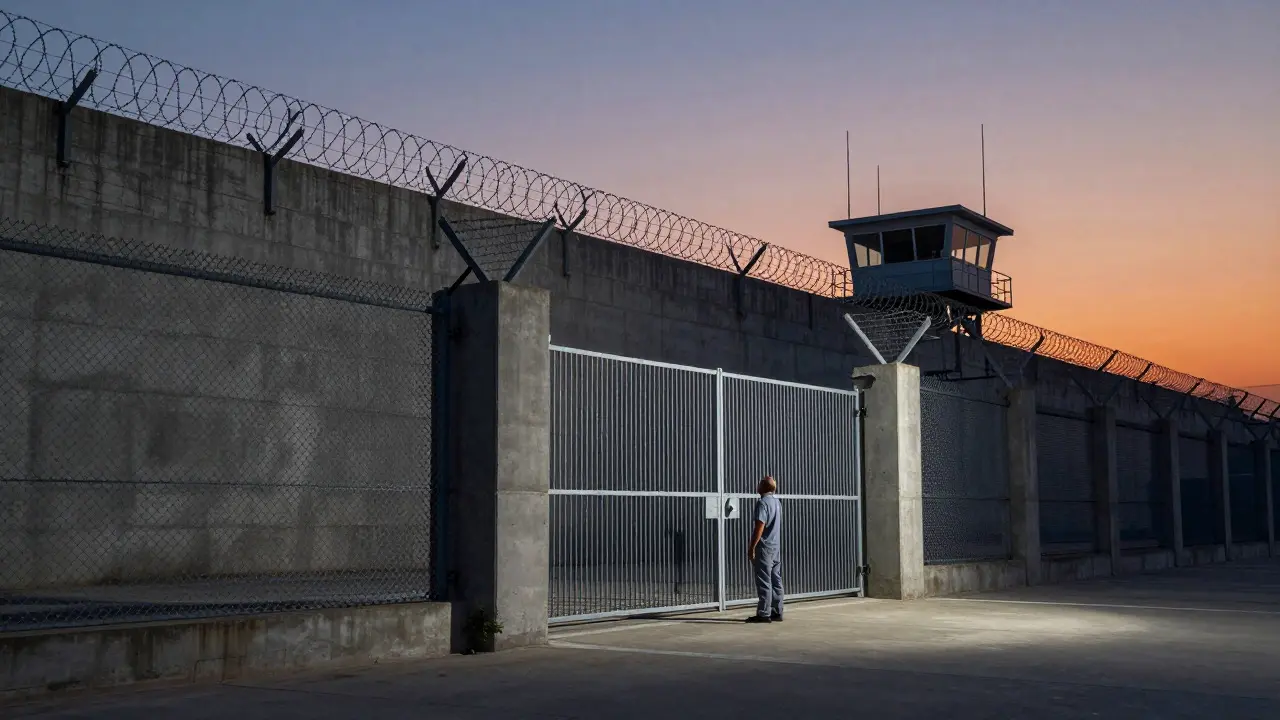
Imagine waking up in a cell with a view of the sky, only to find out three months later that you're moving to a concrete box where sunlight is a luxury. That's the reality for many inmates navigating the complex world of classification housing. It’s not just about where you sleep; it’s about your daily routine, your rights, and sometimes, your safety. Understanding how these moves happen can be the difference between a manageable sentence and a nightmare.
The system isn't random. It’s a rigid machine designed to match risk to resources. But does it always work? Let’s break down exactly what triggers a move, how long you have to wait, and what factors actually matter when the board meets.
What Defines Prison Security Levels?
Before we talk about moving, we need to define where you’re going. In the U.S. federal system and most state systems, facilities are categorized into five distinct tiers. Each level has specific infrastructure requirements and staffing ratios.
- Minimum Security (Camp): Often called "camps," these look more like college dorms than prisons. Fences are low, guards are few, and inmates often live in bunks rather than cells. Think of places like Federal Correctional Institution (FCI) Bryan in Texas or various state camps. The goal here is reintegration through low-cost supervision.
- Low Security: This is the step up. You might still have outdoor time, but the perimeter is higher, and surveillance is tighter. Inmates usually live in small pods or single cells. These facilities handle non-violent offenders who pose a moderate escape risk.
- Medium Security: The bulk of the population lives here. High fences, watchtowers, and strict schedules. Inmates are generally violent offenders or those with longer sentences who haven’t earned lower-level status yet.
- High Security: For dangerous individuals. Cells are locked down for most of the day. Movement is strictly controlled. Examples include ADX Florence in Colorado or Pelican Bay in California. Access to programs is limited.
- Administrative Maximum: A special subset of high security for isolation. Solitary confinement is the norm. Used for gang leaders, witnesses in danger, or those with extreme behavioral issues.
The key takeaway? Moving from Medium to Minimum isn't just a perk; it’s a fundamental shift in your quality of life. It means more freedom, better food options, and access to job training that can actually help you after release.
The Criteria: What Actually Gets You Moved?
You might think good behavior is enough. It helps, but it’s rarely the whole story. Classification committees look at a mix of static and dynamic factors. Here’s what they weigh:
- Crime Severity Score: When you were sentenced, you got a score based on the crime. A drug trafficking charge carries different weight than a minor theft. This baseline sets your starting point.
- Institutional Behavior: Have you gotten any disciplinary tickets? If you’ve had zero infractions for two years, that’s a strong signal. One fight in the cafeteria? That resets the clock.
- Time Served vs. Sentence Length: Usually, you need to serve a certain percentage of your sentence before being eligible for downgrade. For example, you might need to serve 50% of a 10-year sentence before applying for Low Security.
- Escape Risk Assessment: Do you have a history of trying to run? If yes, staying in Medium or High is likely. If no, and you’ve been compliant, the risk drops.
- Program Participation: Did you finish anger management? Did you complete a GED? Showing you’re using your time productively makes the case for lower security much stronger.
It’s a points system in disguise. Every positive action adds to your file. Every negative one subtracts. The committee doesn’t just guess; they calculate.
Timelines: How Long Does It Take?
This is where people get frustrated. There is no universal timer. However, there are standard review cycles.
In the Federal Bureau of Prisons (BOP), inmates are typically reviewed every six months. State systems vary, but annual reviews are common. So, if you qualify today, you might not be moved until the next scheduled review date. That could mean waiting 3 to 6 months just for the paperwork to process.
Once approved, the physical transfer takes another 1-4 weeks. Why so long? Logistics. They need to coordinate transport, secure a bed in the receiving facility, and update your medical and legal files. During this window, you stay in your current unit, but your status is officially changed. This period is critical-any new ticket during this time can delay or cancel the move.
| Security Level | Standard Review Frequency | Avg. Wait Time After Approval |
|---|---|---|
| Minimum | Annually | 2-4 Weeks |
| Low | Every 6 Months | 2-4 Weeks |
| Medium | Every 6 Months | 3-6 Weeks |
| High/Admin | Annually or Case-by-Case | 4-8 Weeks |

The Role of Classification Committees
Who makes the call? It’s never one person. A classification committee usually includes a warden or designee, a psychologist, a case manager, and sometimes a representative from the receiving facility. They meet in closed sessions to discuss your file.
Their job is to balance public safety with cost-effectiveness. Keeping an inmate in High Security costs significantly more per day than keeping them in a Camp. So, there is a financial incentive to move people down when it’s safe to do so. But the primary driver is risk. If the committee feels you’re a flight risk or a violence risk, money doesn’t matter. You stay put.
Pro tip: Your case manager is your best friend here. Keep them updated on your progress. If you finish a program, tell them immediately. Don’t wait for the next review to mention it. Documentation is everything.
Common Pitfalls That Delay Transfers
Even if you meet all criteria, things go wrong. Here are the most common reasons transfers stall:
- Medical Issues: If you need specialized care that the lower-security facility doesn’t have, you’ll stay in the higher-security hospital or unit until you’re stable enough to move.
- Bed Space Shortages: Believe it or not, some lower-security facilities are full. If there’s no room, you wait. This is more common in state systems than federal ones.
- Legal Holds: If you have pending litigation or appeals, the warden might hold your transfer to avoid complicating legal proceedings.
- Behavioral Slips: One minor infraction, like having an unauthorized item in your cell, can reset your eligibility timeline. It’s harsh, but it’s the rule.
Stay proactive. Check your file regularly. Know your rights under the Prison Litigation Reform Act if you feel the process is being dragged out unfairly.

State vs. Federal Differences
If you’re in federal custody, the rules are standardized across the country. The BOP uses a uniform classification manual. If you’re in state custody, it depends entirely on which state you’re in. California’s system is different from Texas’s, which is different from New York’s.
In states with overcrowding, transfers can take longer because of logistical nightmares. In states with newer facilities, the process might be faster. Always check your specific state’s Department of Corrections website for their classification guidelines. They are public documents, even if they’re buried in PDFs.
How to Advocate for Yourself
You don’t have to just wait. Here’s how to make your case stronger:
- Keep a Clean Record: No tickets. Not even minor ones. Train yourself on facility rules.
- Complete Programs: Finish every course offered. Get certificates. Put them in your file.
- Request Reviews Early: Ask your case manager for a pre-review meeting. Explain why you should be moved. Bring evidence of your good behavior.
- Get Letters of Support: If family or community members can write letters supporting your readiness for lower security, include them. Humanize your file.
- Know the Rules: Read the classification manual. Cite specific sections when talking to staff. It shows you’re serious and informed.
Transfers aren’t guaranteed, but they are predictable if you play the game right. The system rewards consistency. Show up every day, follow the rules, and keep pushing for that next step down.
How often are inmates reviewed for security level changes?
In the federal system, reviews typically happen every six months. In state systems, it varies, but annual reviews are common. Some facilities may conduct ad-hoc reviews if significant behavioral changes occur.
Can I appeal a decision to keep me in a higher security level?
Yes. Most jurisdictions allow an internal administrative appeal first. If denied, you can file a writ of habeas corpus or a civil rights lawsuit, though these processes are slow and require legal expertise.
Does my original crime type affect my ability to move to minimum security?
Yes. Violent offenses, sex offenses, and major drug trafficking charges often have stricter thresholds for downgrade. Non-violent property crimes generally have easier paths to lower security levels.
What happens if I get a ticket right before my transfer is approved?
The transfer is usually paused. The committee will re-evaluate your behavior. Depending on the severity of the ticket, you might lose eligibility for several months or permanently, depending on the facility’s policies.
Are there specific programs that guarantee a security level reduction?
No program guarantees a move, but completing residential treatment programs (like drug rehab) or educational degrees significantly boosts your chances. These programs demonstrate rehabilitation to the classification committee.