You just got the call. Your friend or family member is in custody, and they need basics like soap, stamps, and phone time. But sending cash to a correctional facility isn't as simple as Venmo-ing a buddy. One wrong move, and your money sits in limbo for weeks while the person inside goes without essentials.
Here’s the reality: most people lose hundreds of dollars a year on hidden fees because they pick the wrong funding method. The system is designed to make deposits easy but withdrawals expensive. If you know how the commissary account works, you can save that cash for actual needs instead of handing it over to third-party processors.
The Quick Summary: What You Need to Know
- Speed vs. Cost: Online transfers are fast but have high fees; mail-in money orders are slow but cheaper.
- Information is Key: You always need the full name, booking number, and facility address. Missing one digit delays funds.
- Fee Structures Vary: Fees range from $1.50 to $6.95 per transaction depending on the platform (e.g., JPay, Securus, GTL).
- Spending Limits Exist: Most facilities cap monthly spending at $300-$400. Don’t overfund if they can’t spend it.
- Verification Takes Time: First-time deposits often require identity verification, adding 3-5 business days.
Why Commissary Accounts Matter More Than You Think
A commissary account is essentially a debit card without plastic. It holds funds for purchasing hygiene products, snacks, clothing, and communication credits. Without money in this account, an inmate cannot buy toilet paper, shower shoes, or even a pen. In many state prisons, basic hygiene kits aren't provided free, making these accounts vital for dignity and health.
Think of it as the lifeline between the outside world and the cell block. When someone has access to their commissary funds, they can maintain relationships through phone calls and video visits. They can also afford better food options than the standard cafeteria meal, which matters when morale is low. Understanding how to manage this account efficiently helps you support them without wasting resources on administrative overhead.
Top Methods for Sending Money: A Comparison
There are three main ways to get money into a prison account. Each has trade-offs regarding speed, cost, and convenience. Here is how they stack up against each other.
| Method | Speed | Typical Fee | Best For |
|---|---|---|---|
| Online Transfer | 1-3 Business Days | $1.50 - $6.95 | Urgent needs; tech-savvy users |
| Phone Deposit | 1-3 Business Days | $3.95 - $7.95 | Those who prefer voice interaction |
| Money Order/Mail | 7-14 Days | $0.50 - $1.00 | Budget-conscious senders; large amounts |
| In-Person Kiosk | Instant - 24 Hours | $1.00 - $3.00 | Local families; cash-only households |

Step-by-Step: How to Use Online Platforms
Most corrections systems outsource payment processing to private companies. In the US, names like JPay, Securus Technologies, and GTL (Global Tel Link) dominate the market. To use them, you first need to identify which vendor services your specific facility.
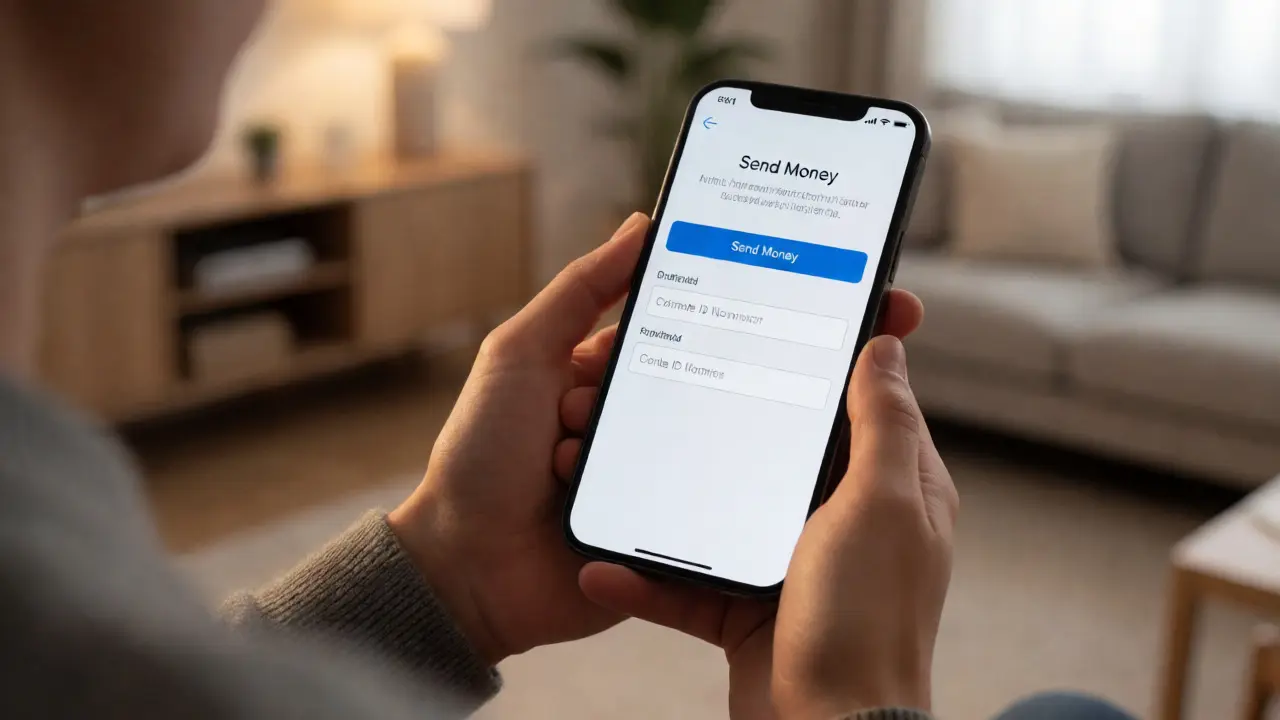
Start by visiting the vendor’s website. You will need to create an account using your email and phone number. Once logged in, select "Send Money." You must enter the inmate's full legal name exactly as it appears on their record, plus their unique ID number (often called a DOC number or Booking Number). Double-check these details. A typo here means your money gets rejected or sent to the wrong person.
Select the amount you want to send. Note that there is usually a minimum ($5) and maximum ($100-$300) per transaction. Choose your payment method-debit card, credit card, or bank transfer. Credit cards often incur higher processing fees, so debit is preferred. After confirming, the money enters a pending status. It typically posts to the inmate's account within 24 to 72 hours. You’ll receive an email confirmation once it clears.
The Hidden Costs: Breaking Down the Fees
Fees are where budgets bleed out. Unlike sending cash to a friend, every dollar transferred to prison comes with a tax. These aren't government taxes; they are service charges collected by the vendors and sometimes shared with the facility.
For example, sending $20 via JPay might cost you $1.50. That’s a 7.5% fee. If you send $100, the fee might be $6.95, which is nearly 7%. This structure punishes small, frequent transfers. If you plan to send $10 every week, you’re paying more in fees than you would sending $40 once a month. Always aim to consolidate transfers to minimize percentage-based costs.
Watch out for "expedited" fees too. Some platforms charge extra to process payments same-day. Unless it’s an emergency (like a sudden need for medication co-pays), skip this option. Regular processing is usually fast enough. Also, check if the facility charges a "deposit fee" separate from the vendor fee. While rare now, some local jails still take a cut directly from the principal amount.
Mail-In Money Orders: The Slow but Steady Option
If you hate digital fees, mailing a money order is your best bet. You can buy a USPS Money Order at any post office for about $0.50 to $1.00. This is significantly cheaper than online platforms for larger sums.
To do this correctly, write the inmate’s name and ID number clearly on the memo line. Include a cover letter with your contact info. Mail it to the facility’s designated commissary address-not the general prison address. Check the facility’s website for the exact mailing instructions. Some places reject personal checks or cash mailed in envelopes due to theft risks.
The downside? Speed. Postal mail takes time. During holidays or staffing shortages, it could take two weeks to arrive. Plan ahead. If your loved one runs out of funds, don’t rely on mail alone. Use a hybrid approach: send a small online deposit for immediate needs and follow up with a mailed money order for the bulk of the funds.

Common Pitfalls That Delay Deposits
Nothing frustrates an inmate more than waiting for money that never arrives. Here are the top reasons deposits get stuck:
- Name Mismatches: If the inmate goes by "Mike" but his record says "Michael," use Michael. Nicknames cause rejections.
- Wrong Facility: Inmates get transferred frequently. Verify their current location before sending.
- Expired Cards: Using an old debit card leads to failed transactions that still show as "pending" for days.
- Security Holds: New accounts undergo fraud checks. This is normal but adds delay.
Always keep receipts. Screenshot confirmation emails and save tracking numbers for mailed items. If money doesn’t appear after five business days, contact the vendor’s customer support immediately. Have your transaction ID ready.
Pro Tips for Managing Funds Efficiently
Treat the commissary account like a budget. Ask your loved one what they actually need. Do they need phone minutes? Hygiene items? Snacks? Prioritize spending accordingly.
Set reminders to check balances. Many inmates can access their balance via automated phone systems. Encourage them to tell you when funds are low rather than running out completely. Running out mid-month means no phone calls until the next deposit clears.
Consider setting up recurring transfers if your financial situation allows. Some platforms offer discounts for auto-payments. Just ensure you monitor the account to avoid overdrawing your own bank account.
How long does it take for money to reach an inmate?
It depends on the method. Online transfers usually take 1-3 business days. Phone deposits are similar. Mail-in money orders can take 7-14 days. In-person kiosks may be instant or take up to 24 hours. First-time deposits often face additional security reviews, adding 3-5 days.
Can I send cash directly to a prison?
Generally, no. Most facilities prohibit mailing cash due to loss and theft risks. Cash is only accepted at in-person kiosks or during visitation at certain locations. Always check the specific facility's policy before attempting to mail currency.
What happens if I send money to the wrong inmate?
If the name and ID match another inmate, the money goes to them. Recovering funds can be difficult and requires contacting both the vendor and the facility administration. Always double-check the ID number before submitting.
Are there limits on how much I can send?
Yes. There are usually per-transaction limits (e.g., $100-$300) and monthly holding limits (e.g., $300-$400). If an inmate exceeds the holding limit, further deposits may be rejected or held until the balance drops below the cap.
Do fees vary by state or facility?
Absolutely. State contracts with vendors differ. Some states negotiate lower rates, while others allow higher fees. Additionally, individual jails may add surcharges. Always check the fee schedule on the specific vendor’s site for your facility.
Next Steps: Taking Control of the Process
Sending money to an inmate is a routine part of supporting someone in custody, but it shouldn't feel like gambling. By choosing the right method and verifying details, you ensure your help lands where it’s needed. Start by identifying the correct vendor for your facility today. Create your account, test a small deposit, and establish a rhythm that works for your budget. Your consistency makes a bigger difference than the amount itself.