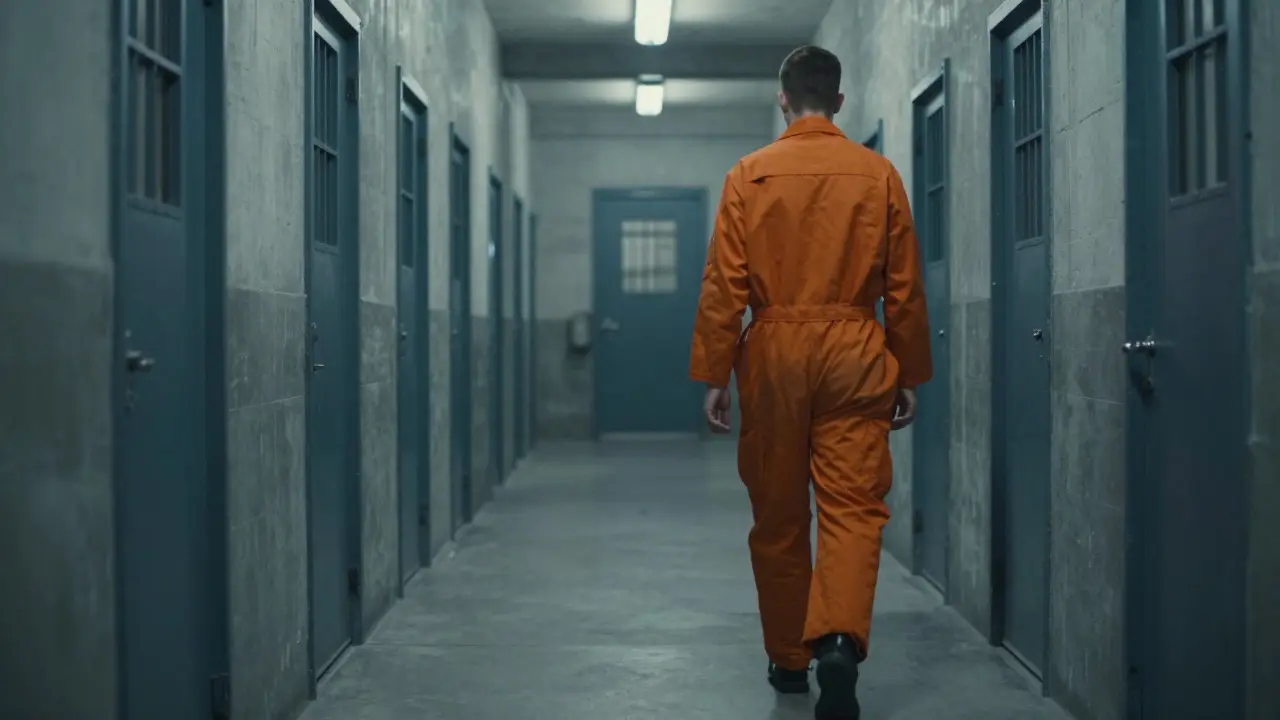
Imagine you are serving time in a medium-security facility. You have been doing well, following the rules, and working toward a lower security level to get closer to home or better job opportunities. Then, one slip-up-a fight in the yard or a violation of quiet hours-triggers a disciplinary hearing. Suddenly, your future looks different. The question on every inmate’s mind is simple but critical: how does a disciplinary infraction affect my path back to minimum security?
This process is known as a reclassification review. It is not just a formality; it is the mechanism that determines whether you stay in your current housing unit or move up or down the security ladder. Understanding this system can mean the difference between years of isolation and a faster transition to general population. Here is what actually happens behind the closed doors of classification committees.
What Triggers a Reclassification Review?
Not every minor scuffle leads to an immediate change in your security status. Prisons use a tiered approach to discipline. Most facilities distinguish between minor infractions (like being out of place) and major infractions (like assault or possession of contraband).
- Minor Infractions: These usually result in points added to your record but rarely trigger an automatic reclassification unless you accumulate too many within a set period, often 12 months.
- Major Infractions: Offenses such as violent behavior, escape attempts, or drug possession typically force a mandatory review. In many states, these automatically elevate your security level for at least 6 to 12 months.
- Pattern of Behavior: Even if individual incidents are minor, a consistent pattern of non-compliance can prompt a committee to look at your overall stability. This is where subjective judgment plays a larger role.
The key here is that "automatic" doesn't always mean permanent. It means the clock resets. You are no longer eligible for a downgrade until a specific waiting period has passed without further violations.
The Role of the Classification Committee
Decisions about your housing level are rarely made by a single guard. They are handled by a multidisciplinary team, often called the Classification Committee or Security Council. This group typically includes:
- A warden or deputy warden who holds final authority.
- Case managers who track your daily behavior and progress.
- Psychologists or social workers who assess mental health and risk factors.
- Disciplinary officers who provide factual accounts of the infraction.
These meetings are usually held monthly or quarterly. Your case manager prepares a report summarizing your conduct since the last review. If you were recently disciplined, this report will highlight the incident, the punishment served, and any mitigating factors. For example, did you apologize? Did you attend anger management classes? These details matter more than most inmates realize.
The committee looks at three main pillars: risk, needs, and resources. Risk refers to the likelihood of future violence. Needs refer to your programming requirements, like education or vocational training. Resources refer to available bed space in lower-security units. Sometimes, even if you are ready for a downgrade, there are simply no beds in the minimum-security wing. This administrative reality can delay your move regardless of your behavior.

How Long Do You Have to Wait?
Waiting periods vary significantly by state and facility type. However, common benchmarks include:
| Infraction Severity | Minimum Waiting Period | Eligibility for Downgrade |
|---|---|---|
| Minor Infraction | 30-90 days | Yes, if no other issues |
| Moderate Infraction | 6 months | After clean record for 6 months |
| Major Infraction (Violent) | 12-24 months | Requires full committee review |
| Escape Attempt | Until release or max sec transfer | Rarely eligible for downgrade |
These numbers are guidelines, not guarantees. A strong recommendation letter from a teacher or chaplain can sometimes shorten the wait, while a new complaint from another inmate can extend it indefinitely. The best strategy is consistency. One clean month after a bad one does not erase the past; it builds a new narrative.
Strategies to Improve Your Chances
You cannot control the committee, but you can control your presentation. Inmates who successfully navigate reclassification reviews after a setback usually follow a few practical steps:
- Document Everything: Keep a personal log of completed programs, work assignments, and positive interactions with staff. Bring this to your pre-hearing meeting with your case manager.
- Seek Restorative Justice: If the infraction involved another person, ask if a mediated conversation is possible. Showing remorse and making amends is viewed very favorably by psychologists on the panel.
- Stay Out of Trouble: Obvious, but critical. Any new ticket, no matter how small, signals instability. Aim for a perfect record during the waiting period.
- Communicate Early: Don’t wait for the formal review date. Request a meeting with your case manager 30 days before to discuss your progress. This allows them to prepare a stronger argument for your downgrade.
Many inmates make the mistake of staying silent, assuming their good behavior speaks for itself. In a bureaucratic system, silence is often interpreted as lack of initiative. Proactive communication shows maturity.
Common Pitfalls That Delay Progress
Even with good intentions, several traps can stall your reclassification:
- Ignoring Mental Health Checks: If the committee flags a need for counseling, skipping sessions can be seen as non-compliance. Attend every appointment.
- Complaining About Housing: While valid, constant complaints about your cell or food can paint you as difficult. Save grievances for official channels and keep day-to-day interactions neutral.
- Losing Work Assignments: Employment in prison is a key indicator of stability. If you lose a job due to a disciplinary issue, getting back into the workforce quickly is essential for your file.
Remember, the goal of reclassification is not just to punish or reward; it is to manage institutional safety. The committee wants to know that moving you to a lower-security area won’t increase risk for others. Prove that you are low-risk through action, not just words.
Frequently Asked Questions
Can I appeal a reclassification decision?
Yes, most prisons have an internal appeals process. You typically have 7 to 14 days to file an appeal after receiving notice. The appeal goes to a higher administrator, often the regional director. Success rates vary, but appeals are more likely to succeed if the original decision ignored documented evidence or procedural rules.
Does a disciplinary infraction affect my parole eligibility?
Indirectly, yes. Parole boards look at institutional conduct. A history of major infractions can raise concerns about your readiness for community reentry. While it may not legally bar you from parole, it can influence the board's discretionary vote. Maintaining a clean record after the infraction is crucial to mitigating this impact.
How often are reclassification reviews held?
Frequency depends on the state and facility. Some hold monthly reviews for all inmates, while others only review those who are due for a change or have recent disciplinary actions. Check your facility's operations manual or ask your case manager for the specific schedule.
What documents should I bring to my review meeting?
Bring any certificates of completion for programs, letters of support from staff or family, and a personal summary of your goals. While the committee has access to your file, presenting organized, positive documentation makes your case clearer and easier to defend.
Is it possible to go straight from maximum to minimum security?
It is rare but possible. Usually, inmates must step down through intermediate levels. However, if you have a very short sentence remaining and excellent behavior, some facilities allow direct transfers to minimum security or halfway houses. This requires strong advocacy from your case manager and psychologist.