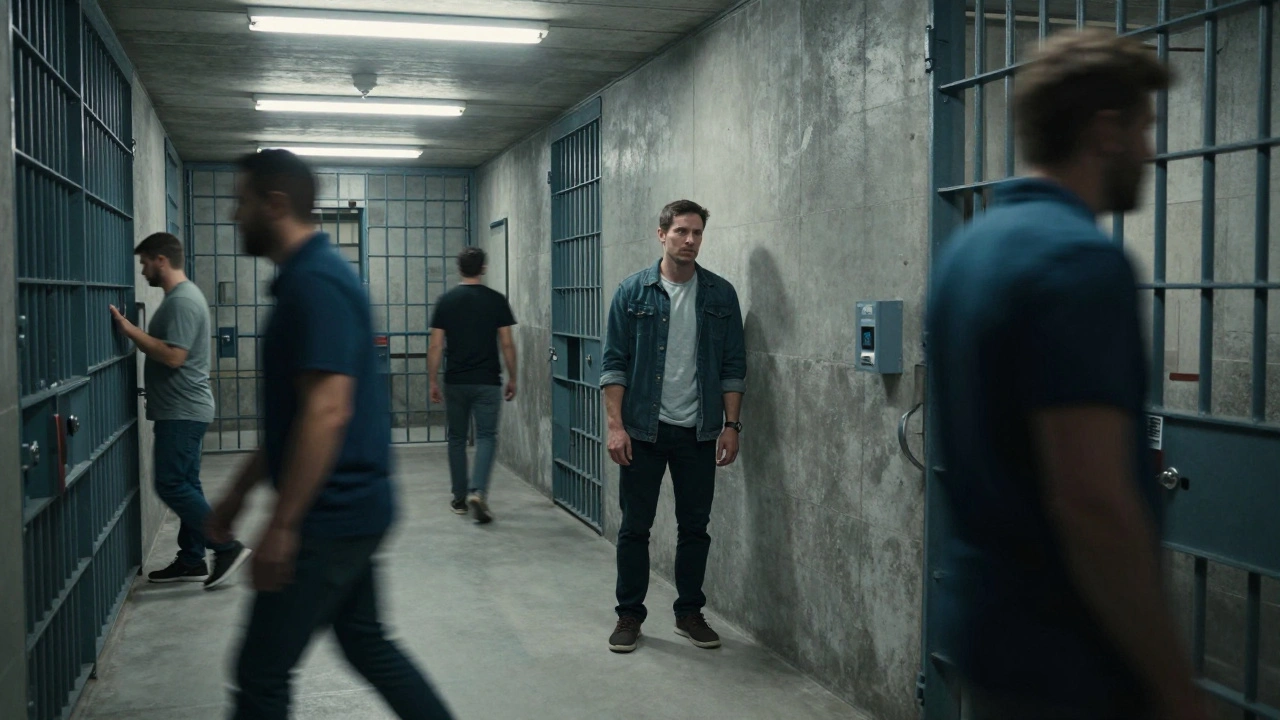
Imagine a chaotic jail intake center: loud noises, flashing lights, and a line of stressed individuals waiting to be processed. In the middle of this, a person is mumbling to themselves or staring blankly at a wall. To an untrained eye, they might just seem "difficult" or intoxicated. In reality, they could be experiencing a first-episode psychotic break or a severe manic episode. If this isn't caught in the first few minutes of processing, the result isn't just a missed diagnosis-it's a recipe for violence, self-harm, or a medical emergency in a cell.
The stakes are incredibly high because the prevalence of mental health crises in jails far exceeds what we see in the general public. Research from New South Wales showed that nearly 40% of people entering prison reception centers met criteria for some stage of the psychosis spectrum. When you're dealing with that kind of volume, you can't rely on "gut feelings." You need a systematic way to separate those who are simply stressed from those who are in a psychiatric emergency.
The Reality of the Psychosis Spectrum in Custody
When we talk about psychosis is a mental health condition where a person loses some contact with reality, often involving hallucinations or delusions, it's not a one-size-fits-all diagnosis. In a jail setting, clinicians and officers encounter a wide spectrum. Some individuals are in an Ultra High Risk (UHR) state, where they are just starting to show "prodromal" symptoms. Others are experiencing First-Episode Psychosis (FEP), which is a critical window where early intervention can literally change the trajectory of their life.
Then there are the established psychotic disorders, like Schizophrenia, which often come with a long history of hospitalizations. Beside these are Severe Mood Disorders, such as Bipolar Disorder with psychotic features or Major Depressive Disorder with psychotic elements. For the U.S. Federal Bureau of Prisons, these are classified as serious mental illnesses that require specialized housing and treatment because the risk of functional impairment is too high for general population settings.
Quick Wins: The Most Effective Screening Indicators
Intake officers don't have an hour to conduct a full psychiatric interview. They have minutes. The goal isn't to provide a definitive diagnosis on the spot-that's what a full evaluation is for. The goal is triage. You want to know: "Does this person need an immediate psychiatric referral?"
If you have to boil everything down to the absolute essentials, two symptoms stand out as the strongest red flags: perceptual disturbances (hallucinations) and paranoid beliefs. If an individual reports hearing voices that others don't or believes there is a coordinated conspiracy against them, the likelihood of an underlying psychosis spectrum illness spikes. Incorporating these two specific questions into the intake process is the fastest way to identify high-risk individuals without slowing down the processing line.
| Tool Name | Focus Area | Time to Administer | Primary Goal |
|---|---|---|---|
| BJMHS | General Mental Health & Suicide Risk | 2-3 Minutes | Rapid identification for triage |
| CAARMS | At-Risk Mental States | Extended | Determining clinical stage of psychosis |
| Two-Item Symptom Screen | Hallucinations & Paranoia | Seconds | High-specificity psychosis trigger |
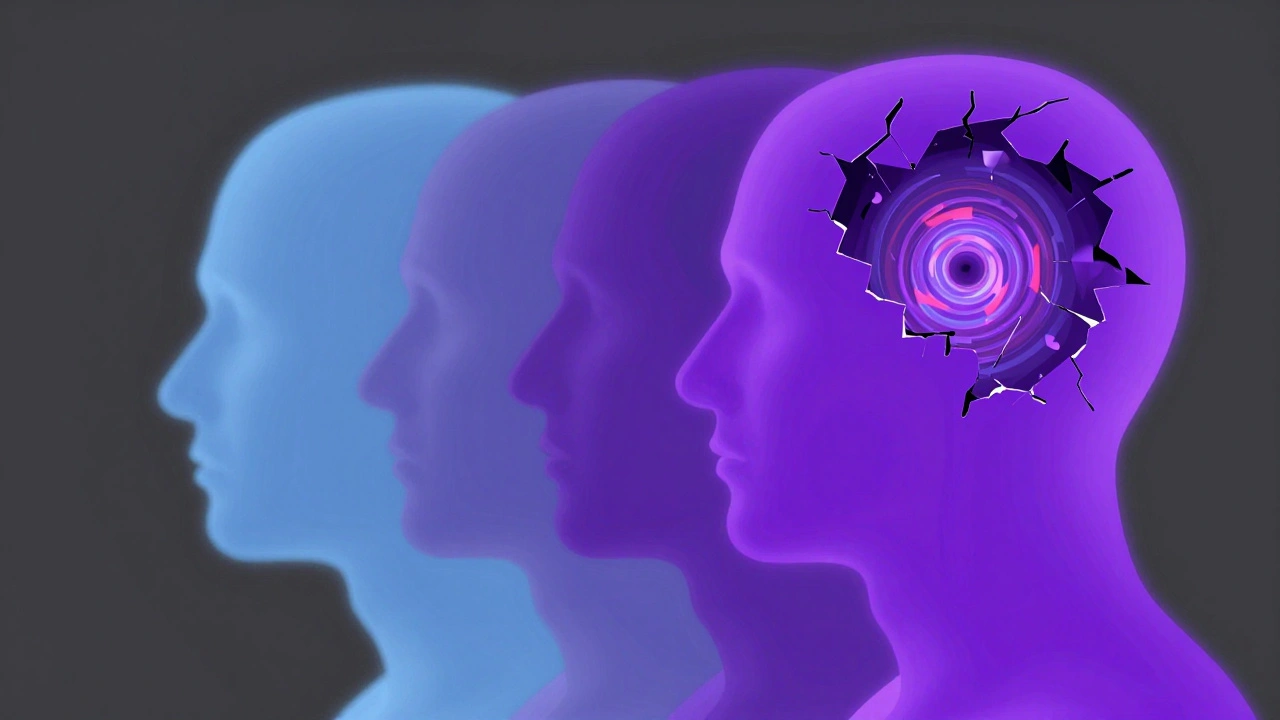
Implementing a Multi-Stage Triage System
A single checklist isn't a strategy; it's a filter. To actually manage a population with high mental health needs, jails should use a tiered approach. This is where the STAIR Model (Screening, Triage, Assessment, Intervention, and Re-integration) becomes valuable. It prevents the mental health staff from being overwhelmed by only sending the highest-risk cases to the specialists.
- Initial Screening: Use a tool like the Brief Jail and Mental Health Screen (BJMHS). This 8-item tool quickly flags psychiatric history and current crises.
- Triage: A mental health nurse or specialist reviews the flags. They look for the "red flags" mentioned earlier-hallucinations or severe mood swings-to determine the urgency of the case.
- Comprehensive Evaluation: This is the deep dive. It includes a full Mental Status Examination (MSE) and potentially psychological testing using instruments like the Personality Assessment Inventory (PAI) or intelligence tests like the WAIS-IV to establish a baseline of cognitive functioning.
- Placement and Intervention: Based on the findings, the individual is assigned to specialized housing or started on medication to prevent decompensation.
Overcoming Barriers to Recognition
Why is this so hard to get right? For one, people in the justice system often have a fragmented medical history. They might not remember the name of their medication or the clinic where they were treated. Moreover, symptoms of psychosis can look like substance withdrawal. A person shaking and seeing things might be coming off opioids or stimulants, or they might be having a schizophrenic break. This is why screening must include checks for substance use and withdrawal alongside mental health markers.
Another hurdle is the environment itself. The stress of being arrested can induce "situational psychosis" or extreme anxiety that mimics a mood disorder. The key is to look for functional impairment. Is the person able to follow simple instructions? Can they maintain a coherent conversation? When a person cannot function at a basic level during intake, the clinical need for intervention outweighs the need for bureaucratic processing.

The Safety Implications of Early Detection
Getting the intake assessment right isn't just about clinical care; it's about jail safety. An undetected individual in a manic state can be unpredictable and disruptive to both staff and other inmates. Someone experiencing severe depression and psychosis is at a significantly higher risk for suicide in the first 24-72 hours of incarceration.
By identifying these needs early, facility leaders can make informed decisions about housing. Placing a person with severe psychosis in a general population pod is a disaster waiting to happen. Instead, specialized housing allows for closer monitoring and a more controlled environment, which reduces the likelihood of violent incidents and ensures that medication is administered correctly from day one.
What is the difference between UHR and established psychosis in a jail setting?
Ultra High Risk (UHR) refers to individuals showing early warning signs or "prodromal" symptoms-like social withdrawal or odd thoughts-but haven't had a full psychotic break. Established psychosis involves clear, ongoing symptoms like hallucinations or delusions. Identifying UHR individuals is critical because early intervention can prevent a full relapse or a more severe disorder.
Can substance withdrawal be mistaken for a mood disorder?
Yes, absolutely. Withdrawal from alcohol, stimulants, or opioids can cause agitation, confusion, and even hallucinations that look like psychosis. This is why intake assessments must screen for both substance use and mental health symptoms simultaneously to determine if the issue is primary psychiatric or substance-induced.
Why is the BJMHS preferred over more detailed psychological tests during intake?
The Brief Jail and Mental Health Screen (BJMHS) is designed for speed and efficiency. In a high-volume intake environment, you cannot spend an hour per person. The BJMHS takes about 2-3 minutes and is validated to catch the majority of people who need a higher level of care, leaving the detailed testing for a secondary evaluation phase.
What are the "two best" symptoms to screen for when time is limited?
Research suggests that screening for perceptual disturbances (hallucinations) and paranoid beliefs is the most efficient way to identify individuals on the psychosis spectrum. If a person answers "yes" to either, they should be prioritized for a more comprehensive mental health evaluation.
Does a positive screen always mean the person has a mental illness?
No. A screening tool is designed to be sensitive, meaning it catches as many potential cases as possible, even if some are "false positives." A positive screen is simply a trigger for a clinician to perform a more detailed assessment to confirm a diagnosis.
Next Steps for Facility Staff
If you're managing an intake center, start by reviewing your current screening forms. If you aren't explicitly asking about hallucinations and paranoid beliefs, add them. Train your intake officers not just to check a box, but to observe behavioral cues-like a person talking to someone who isn't there. Ensure there is a clear, written pipeline from a "positive screen" to a mental health professional. If that pipeline is broken, the screen is useless. Finally, coordinate with medical staff to ensure that those identified as having severe mood disorders are immediately checked for medication compliance to prevent acute withdrawal or relapse.