
Walking into a correctional facility can feel like entering a different world. The air is thick with tension, the lighting is harsh, and every move you make is being watched. For families trying to maintain a connection with an incarcerated loved one, understanding the unwritten and written rules of engagement is not just helpful-it’s essential. A single misplaced item in your bag or a slightly too-loud laugh can end a visit before it even begins. This guide breaks down the specific dress codes and behavior policies that govern these interactions, helping you prepare so the focus stays on the person you’re visiting, not on compliance.
The Dress Code: What You Can and Cannot Wear
Prison dress codes are strict regulations designed to prevent contraband entry and ensure security identification. While specific rules vary by state and facility, the core principles remain consistent across most U.S. institutions. The goal is to eliminate anything that could hide a weapon, drug, or communication device. If you are unsure, err on the side of caution and choose plain, simple clothing.
- Colors: Avoid bright colors, patterns, and logos. Solid black, gray, navy blue, or beige are usually safe bets. White shirts are often acceptable but check local rules, as some facilities ban them to reduce glare or confusion with staff uniforms.
- Footwear: Closed-toe shoes are mandatory in almost all facilities. Sandals, flip-flops, and open-toed clogs are rarely permitted. Make sure your shoes are clean; scuffed or dirty footwear can sometimes be grounds for denial at the gate.
- Jewelry: Keep it minimal. A simple watch (usually analog, no smartwatches) and small stud earrings are typically allowed. Large necklaces, bracelets, or rings with gemstones can be flagged as potential hiding spots for tiny items like needles or micro-SD cards.
- Accessories: No hats, scarves, or bandanas unless specifically permitted for religious reasons. Sunglasses are usually banned during visits because they hide eye contact, which guards use to assess demeanor.
A common mistake is wearing athletic gear. While comfortable, hoodies with drawstrings, shorts with deep pockets, and athletic socks with logos can trigger a secondary search. Stick to long pants without excessive pockets and a plain t-shirt or button-down shirt.
Behavior Policies: How to Act During the Visit
Once you pass through security, the behavioral expectations shift from physical appearance to social conduct. Guards monitor body language, volume, and proximity between visitors and inmates. The general rule is to stay calm, respectful, and predictable.
- Volume Control: Speak clearly but quietly. Shouting is prohibited, but whispering might be interpreted as secretive behavior. Aim for a normal conversational tone that carries in a quiet room but doesn't echo.
- Physical Contact: Depending on the type of visit (contact vs. non-contact), rules vary strictly. In contact visits, holding hands is usually allowed, but hugging may require prior approval or be limited to brief moments. Kissing is often restricted to a quick peck on the cheek or lips, depending on the facility's tier of security. Always wait for the guard’s signal if required.
- Eye Contact: Maintain steady, friendly eye contact with your loved one. Looking around nervously or avoiding gaze can signal anxiety or dishonesty to officers.
- Time Management: Visits are timed precisely. Arrive early to clear security, but don’t linger in the waiting area after your time expires. Rushing to leave can cause stress, while overstaying risks having your session cut short abruptly.
It is also crucial to avoid discussing sensitive topics loudly, such as escape plans, outside threats, or detailed legal strategies, unless you are speaking directly to your attorney in a designated area. Guards listen for keywords that suggest instability or risk.
Security Screening: The First Hurdle
Before you even see your loved one, you must pass through a rigorous screening process. This is where many visits fail. Bring only what is explicitly allowed. Typically, this means no bags, no phones, no cameras, and no cash beyond a small amount for vending machines (if available).
| Item Category | Usually Allowed | Usually Prohibited |
|---|---|---|
| Electronics | Analog wristwatch | Smartphones, tablets, smartwatches, headphones |
| Clothing | Solid color pants, closed-toe shoes | Hats, camouflage patterns, ripped jeans, sandals |
| Personal Items | Small ID card, bus ticket | Purses, backpacks, loose change, gum |
| Documents | Photo ID, court papers (if applicable) | Notebooks, pens (unless provided), maps |
Many facilities provide lockers for personal items. Use them. Carrying a wallet with coins can set off metal detectors repeatedly, delaying your entry and frustrating both you and the staff. If you have a medical condition requiring medication, bring proof and keep it in its original container, but check if liquid meds are permitted.
Special Considerations for Different Visit Types
Not all visits are created equal. Understanding the specific format of your visit changes how you should prepare.
- Contact Visits: These occur in shared rooms or private booths. They allow physical touch. Prepare for longer waits and stricter hygiene checks. Hand sanitizer is often provided, but carrying your own small bottle (if liquids are allowed) can be a comfort.
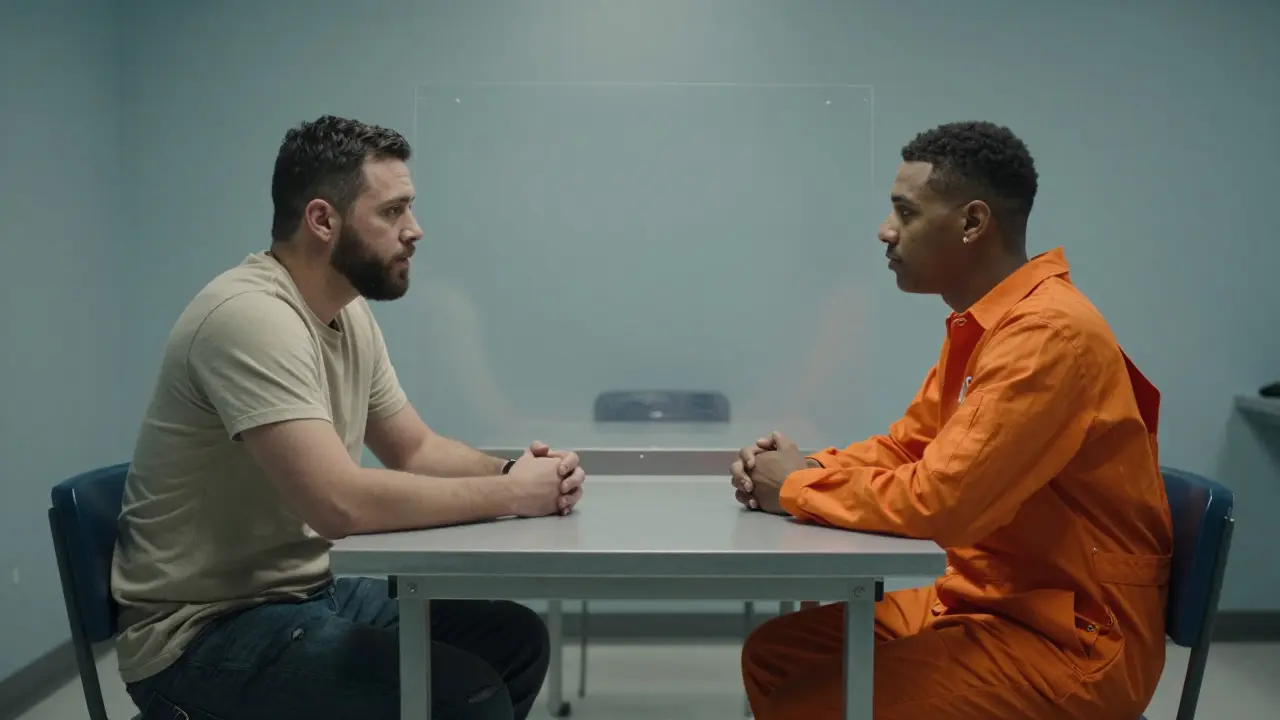
- Non-Contact Visits: Usually conducted behind glass or via video call. Here, dress code matters less for safety but more for presentation. Since you can’t hold hands, your facial expressions and posture carry more weight. Sit upright and lean forward slightly to show engagement.
- Recreational Visits: Held outdoors in fenced areas. Weather-appropriate clothing is key here. Rain gear might be allowed if waterproof and non-metallic. Sunscreen is often permitted if spray-free and in a small tube.
Always confirm the specific type of visit scheduled for your date. Scheduling a contact visit when only non-contact is approved will result in immediate dismissal.

Troubleshooting Common Issues
Even with preparation, things go wrong. Here is how to handle frequent setbacks without losing your cool.
- Failed Metal Detector Scan: Stay calm. It is usually due to belt buckles, zippers, or underwire bras. Remove the item and rescan. Do not argue with the guard; they follow protocol.
- Denied Entry Due to Clothing: If told your clothes are unacceptable, ask politely if you can change. Some facilities have changing rooms; others do not. Having a backup outfit in your car is a wise strategy.
- Visit Cut Short: If a guard interrupts your conversation, stop talking immediately. Look at the guard, nod, and wait for instructions. Arguing wastes valuable minutes and can lead to future suspensions.
Keep a copy of the facility’s visitor handbook in your phone (viewable offline) or printed out. Referencing specific rule numbers can help resolve disputes calmly.
Preparing for the Emotional Side
Visiting a prison is emotionally taxing. The environment is designed to control behavior, which can feel dehumanizing. To cope, focus on the purpose of the visit: connection. Bring mental notes of positive topics-family updates, hobbies, future plans. Avoid bringing up recent conflicts or heavy legal discussions unless necessary. Your energy sets the tone for the interaction. If you arrive stressed about traffic or work, take five deep breaths in the waiting area before proceeding.
Remember, consistency is key. Regular, well-prepared visits build trust with both your loved one and the facility staff. Over time, guards recognize regular visitors and may become slightly more lenient with minor procedural hiccups, provided you always respect their authority.
Can I wear jeans to a prison visit?
Yes, but they must be solid-colored and free of rips, holes, or large logos. Dark wash denim is generally safer than light wash or distressed styles. Ensure the waistband does not have excessive metal hardware that might trigger metal detectors.
What happens if I forget my ID?
You will likely be denied entry. Photo identification is non-negotiable for security verification. If you realize you forgot it at the gate, you must return home or find a trusted companion with ID who can drive you back, though some facilities may allow a one-time exception with a secondary form of ID like a passport, depending on policy.
Are children allowed to visit prisoners?
Most facilities allow minors, but there are age restrictions and supervision requirements. Children under a certain age (often 10 or 12) may need to be accompanied by an adult. Dress codes apply to children as well, so avoid costumes, bright patterns, or unsafe footwear. Check the specific facility’s minor visitation policy in advance.
How early should I arrive for a prison visit?
Arrive at least 30 to 45 minutes before your scheduled slot. Security screening can take time, especially on weekends or holidays. Being late may result in a shortened visit or denial of entry if the facility has a strict cutoff time.
Can I bring food or drinks to the visit?
Rarely. Most facilities prohibit outside food and drink to prevent contraband introduction. Vending machines inside the visitation area are the standard source for snacks and beverages. If you have dietary restrictions, ask the facility if pre-approved exceptions exist, but do not assume you can bring your own items.