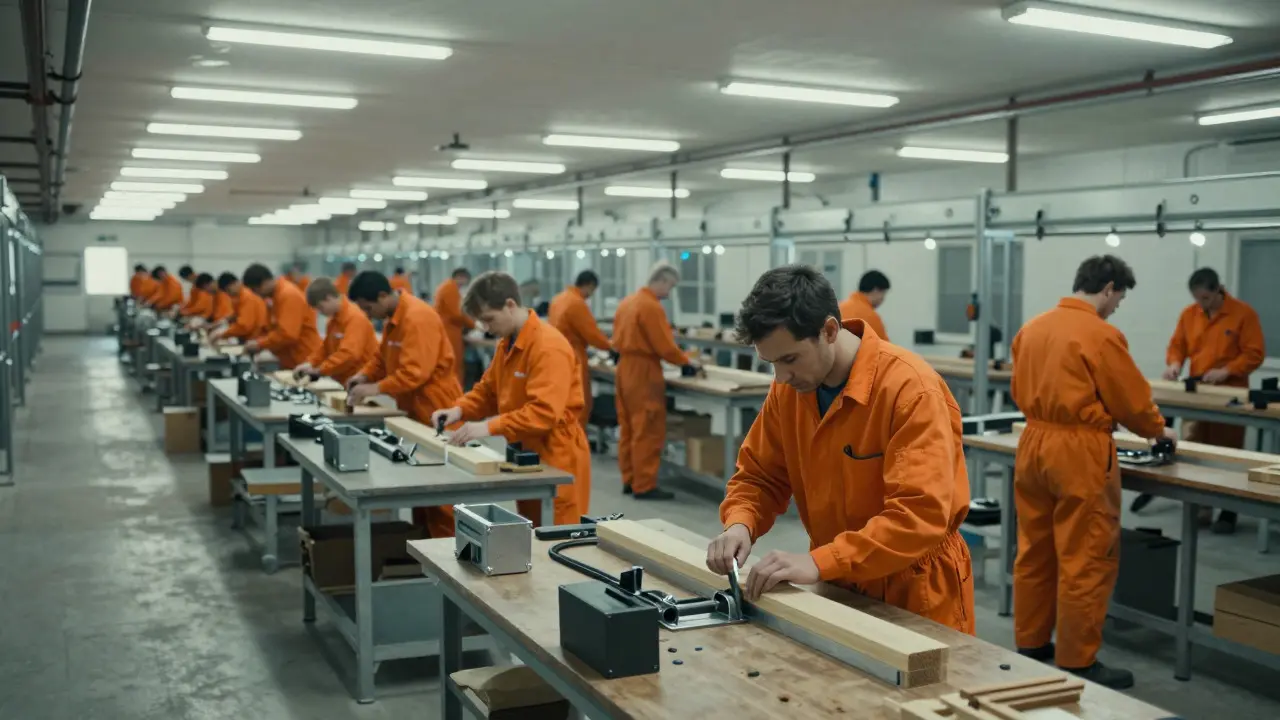
Walking into a correctional facility, you might expect chaos. But in the workshop or the kitchen line, there is a rigid order that feels different from the outside world. For many inmates, prison work is not just about earning a few cents an hour; it is a structured environment where they learn to control their own schedule and answer for their actions without constant supervision from family or friends.
The transition from freedom to confinement strips away external distractions. When your day is dictated by bells and shift changes, you either adapt or fall behind. This article explores how these specific labor environments act as training grounds for life skills that are often overlooked during incarceration but are critical for success after release.
The Structure of the Daily Shift
In most U.S. prisons, work shifts last eight hours, similar to standard corporate jobs. However, the break times are strictly enforced. If you miss a five-minute window for coffee, you wait until the next scheduled break. This rigidity forces inmates to manage their personal tasks within narrow gaps.
For example, writing a letter to a loved one, doing laundry, or reading requires planning around production quotas. Inmates learn to use "dead time" effectively. This habit of micro-planning translates directly to managing busy schedules on the outside. You stop waiting for free time to appear and start creating it.
- Shift Start: Roll call and safety briefing (15 minutes).
- Production Block: Main task execution with minimal interruption.
- Break Windows: Fixed times for meals and rest; no flexibility.
- End of Day: Cleanup and inventory check before returning to housing.
Accountability in a Controlled Environment
Responsibility in prison work is binary. Either you meet the quota, or you face consequences. There is no option to call in sick if you feel under the weather unless it is severe. This creates a high-stakes environment for learning accountability.
Many inmates have never held down a job due to past instability or lack of opportunity. In the prison workshop, they must show up on time every single day. Missing a shift can result in losing work privileges, which means losing access to commissary items or better housing. This immediate feedback loop teaches the value of reliability.
Furthermore, teamwork is non-negotiable. If one person slows down on an assembly line, the whole line stops. This interdependence builds a sense of collective responsibility. You realize that your effort impacts others, a concept that strengthens professional maturity.
Developing Soft Skills Through Labor
While hard skills like welding or data entry are valuable, soft skills are often more transferable. Prison work environments require communication under pressure. Inmates must follow instructions precisely to avoid accidents or quality control failures.
Conflict resolution is another key area. Working closely with people who may have different backgrounds or temperaments requires patience and diplomacy. Learning to navigate these interpersonal dynamics prepares individuals for diverse workplace cultures outside the walls.
| Skill Category | Prison Context | Outside Workplace Context |
|---|---|---|
| Time Management | Strictly enforced by institutional schedule | Self-directed with flexible deadlines |
| Accountability | Immediate consequences for errors | Performance reviews and long-term impact |
| Teamwork | Mandatory collaboration in small units | Optional or project-based collaboration |
| Adaptability | Rapid adjustment to new roles/quotas | Gradual adaptation to company culture |

From Quotas to Career Pathways
As inmates master basic responsibilities, they often seek advancement. Many facilities offer tiered work programs. Starting in general maintenance, an inmate might move to skilled trades like carpentry or electrical work. Each step up requires proving consistency and skill.
This progression mirrors career ladders in the private sector. It teaches that promotion is earned through sustained performance, not just seniority. By the time of release, these individuals have a track record of dependability that they can present to employers.
Some states partner with local businesses to hire formerly incarcerated workers based on their prison work history. These partnerships rely on the assumption that the discipline learned inside will continue outside. The data supports this: inmates who hold jobs in prison are significantly less likely to recidivate than those who do not.
Challenges and Limitations
It is important to acknowledge that not all prison work experiences are positive. Wages are often below minimum wage standards, which can lead to feelings of exploitation. Additionally, some assignments are menial and offer little skill growth.
However, even in these situations, the core lessons of time management and responsibility remain. The structure exists regardless of the pay rate. The key is for the individual to recognize the underlying lesson: showing up and doing the job well is a form of self-respect and preparation for the future.
Facilities that invest in better vocational training amplify these benefits. Programs that combine labor with classroom instruction provide the strongest foundation for post-release success. Without education, work alone may only teach compliance, not competence.
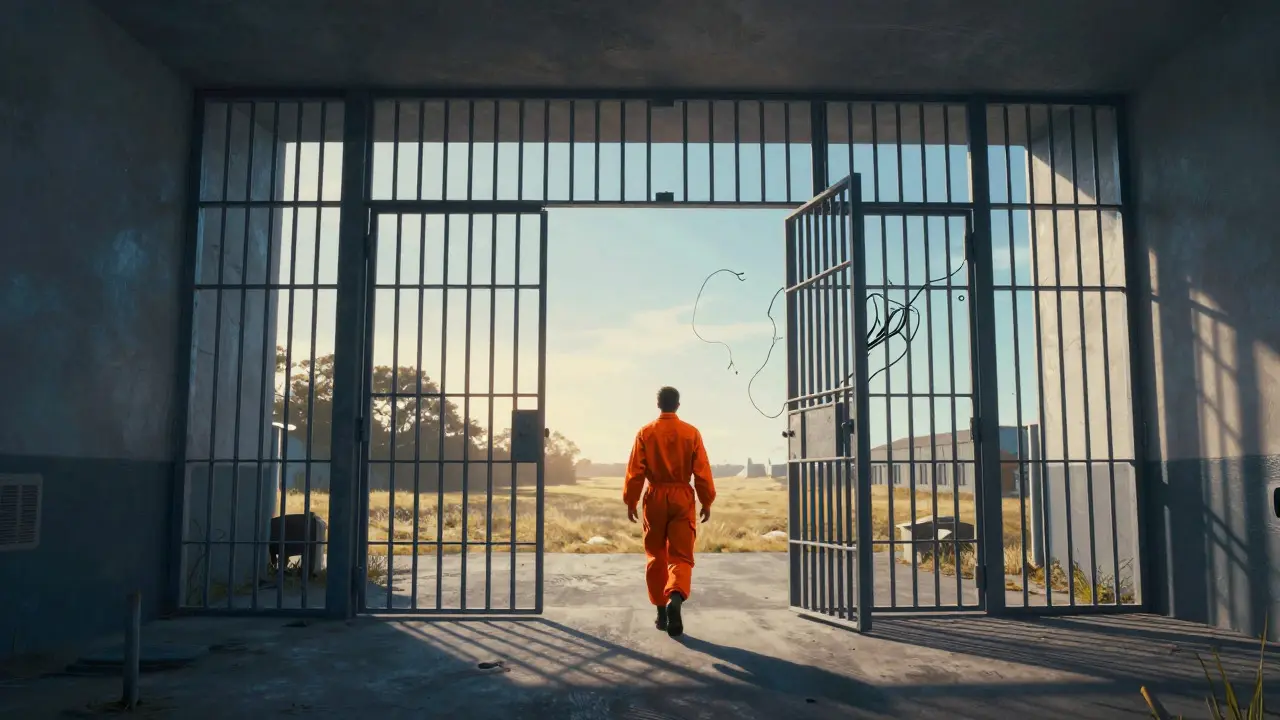
Preparing for Life After Release
Before leaving prison, inmates should document their work experience. Keeping a log of tasks completed, hours worked, and skills acquired helps build a resume. Employers are more likely to hire someone who can demonstrate consistent work ethic over months or years.
Networking also begins inside. Connecting with other inmates who have successfully reintegrated provides mentorship. These peer connections can offer practical advice on finding housing, transportation, and jobs.
The goal is to translate the internal discipline of prison work into external autonomy. When you leave the gates, the bells stop ringing. You become your own manager. The habits formed inside ensure you don’t freeze when faced with the open-endedness of freedom.
Frequently Asked Questions
Do prison work hours count toward retirement?
Generally, no. Most prison work is not covered by Social Security because wages are low and taxes are not withheld in the same way as private employment. However, some state-specific programs may offer limited credit. It is best to check with the specific facility's legal aid office for current rules.
How much do inmates earn per hour in prison work?
Wages vary widely by state and industry. In many U.S. facilities, hourly rates range from $0.13 to $2.00. Skilled trades may pay slightly more, but overall compensation is significantly lower than the federal minimum wage.
Can prison work experience be listed on a resume?
Yes. It is recommended to list it as "Industrial Training" or "Vocational Program Participant." Highlight specific skills, such as machine operation, safety protocols, or team leadership, rather than just listing the facility name.
Does working in prison reduce sentence length?
In some jurisdictions, good behavior and participation in work programs can contribute to early release eligibility. However, work itself does not automatically shorten the sentence. It is usually part of a broader behavioral scoring system.
What are the best industries for prison work training?
Construction, manufacturing, food service, and data entry are common. Construction and skilled trades tend to offer the highest post-release employability due to demand for physical labor and specialized certifications.