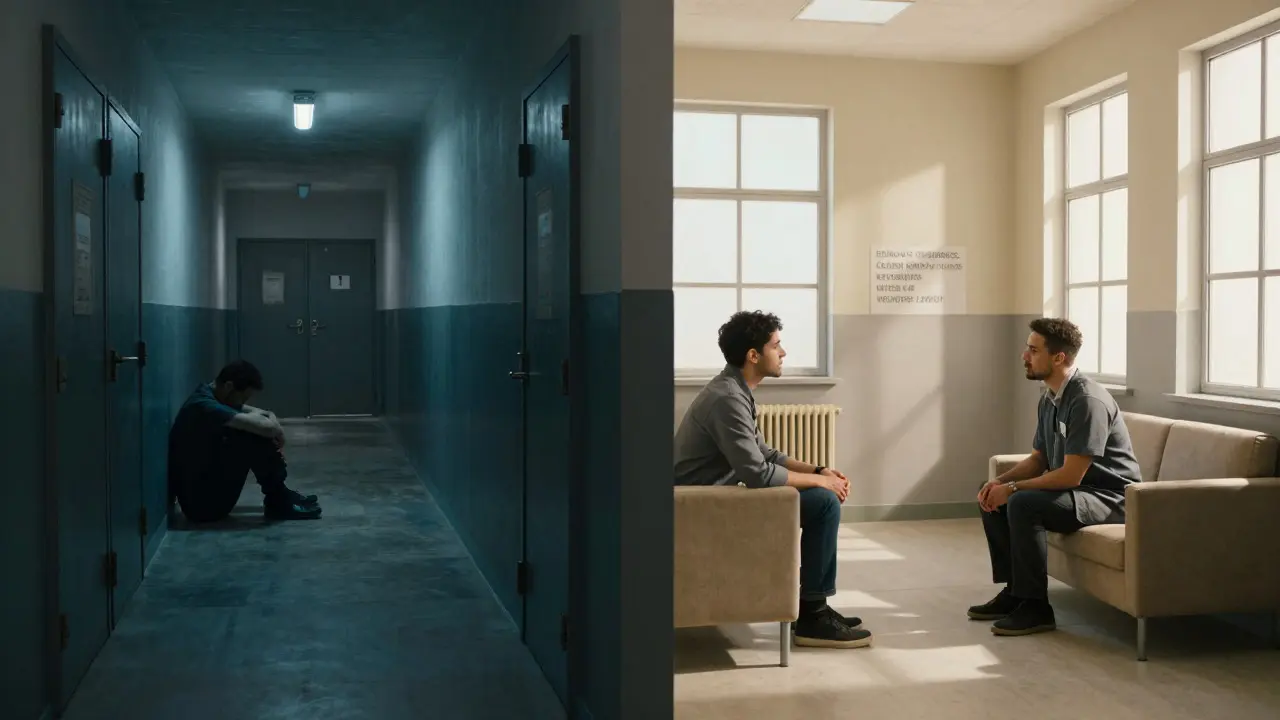
For decades, the standard response to a behavioral outburst in a prison was simple and brutal: lock the person up alone. But this approach has failed. Segregation is a form of housing where inmates are isolated from the general population, often for extended periods. While intended as a disciplinary tool or safety measure, it frequently becomes the default treatment for people experiencing severe mental health crises. The result? Worsened symptoms, increased suicide risk, and a system that punishes illness rather than treating it. This article breaks down how modern correctional facilities are moving away from long-term isolation toward more humane, effective alternatives.
The Problem with Traditional Solitary Confinement
Let’s be clear: Solitary Confinement is the practice of keeping an inmate in a cell for 22 hours or more a day with minimal human contact. For individuals with Mental Illness, which includes conditions like schizophrenia, bipolar disorder, and PTSD, this environment is toxic. Research consistently shows that sensory deprivation and lack of social interaction can trigger psychotic episodes and deepen depression. In many U.S. state prisons, up to 40% of those in administrative segregation have a diagnosed mental health condition. That’s not a small minority; it’s the majority of the segregated population.
The issue isn’t just ethical; it’s operational. When staff rely on isolation to manage difficult behavior, they burn through resources. Medical costs rise because untreated symptoms escalate into emergencies. Staff morale drops because dealing with unstable individuals without proper training leads to trauma and turnover. So, why do we still do it? Often, it’s inertia. It’s easier to move a person to a secure wing than to retrain guards or build new programs. But the tide is turning.
Shifting the Paradigm: From Punishment to Care
The core shift involves redefining what “management” looks like. Instead of asking, “How do we contain this person?” the question becomes, “What does this person need to stabilize?” This requires a multi-layered approach involving clinical assessment, environmental design, and staff training. It means recognizing that a scream might be a symptom of psychosis, not defiance, and a withdrawal might be trauma response, not laziness.
Key components of this new paradigm include:
- Comprehensive Screening: Identifying mental health needs upon intake, not after a crisis occurs.
- Crisis Response Units (CRUs): Short-term, non-punitive spaces for de-escalation.
- Staff Training: Teaching corrections officers basic psychology and de-escalation techniques.
- Peer Support Models: Utilizing trained peers to provide empathy and connection.
Effective Alternatives to Long-Term Isolation
So, what replaces the dark corner cell? Several evidence-based models are gaining traction across the United States.
Crisis Response Units (CRUs)
A Crisis Response Unit is a specialized short-term housing area designed to de-escalate acute behavioral crises within 72 hours. Unlike traditional segregation, CRUs are brighter, quieter, and staffed by teams that include mental health professionals. The goal is stabilization, not punishment. If a person is having a panic attack or a manic episode, they go to the CRU. Once stable, they return to the general population or a therapeutic unit. Data from facilities like those in Connecticut and Massachusetts show that CRUs reduce the average length of stay in restrictive housing by up to 50% while lowering incident reports.
Therapeutic Housing Units
For individuals who need ongoing support but don’t require constant monitoring, Therapeutic Housing Units are residential settings that integrate daily life with structured mental health programming. These units look less like prison blocks and more like group homes. They offer routine, socialization, and access to therapy. Residents participate in job skills training, education, and recreational activities. This model addresses the root cause of instability: boredom and lack of purpose. By giving inmates agency over their daily schedule, you reduce the triggers for conflict.
Restorative Justice Circles
When conflicts do arise, restorative justice offers a path forward that doesn’t involve locking someone up. In these circles, the involved parties-often including the offender, victims (if applicable), and community members-discuss the harm done and agree on reparations. For incarcerated individuals with mental illness, this process helps them understand the impact of their actions without feeling shamed. It builds accountability through dialogue rather than force.

Implementing Change: A Step-by-Step Approach
Moving from old habits to new systems takes time and money. Here is a practical roadmap for administrators looking to reduce segregation use.
- Assess Current Practices: Audit your facility. How many people are in segregation? What are their diagnoses? How long are they staying? Identify the bottlenecks.
- Train the Frontline: Corrections officers are the first line of defense. Provide them with trauma-informed care training. Teach them to recognize signs of anxiety, psychosis, and depression. Equip them with de-escalation scripts.
- Expand Clinical Capacity: Hire more psychologists, social workers, and psychiatric nurses. Ensure they have direct access to inmates, not just office consultations. Telehealth can bridge gaps in rural facilities.
- Redesign Spaces: Convert unused wings into CRUs or therapeutic units. Add natural light, soundproofing, and comfortable furniture. Small environmental changes can significantly reduce stress levels.
- Create Peer Programs: Recruit and train inmates with lived experience in mental health to serve as peer specialists. Their presence provides hope and relatability that professional staff sometimes lack.
- Monitor and Adjust: Track metrics monthly. Look at segregation days, incident rates, and staff satisfaction. Be willing to tweak the program based on data.
Comparing Approaches: Traditional vs. Modern Models
To visualize the difference, let’s compare the old way with the emerging best practices.
| Feature | Traditional Administrative Segregation | Crisis Response Unit (CRU) | Therapeutic Housing Unit |
|---|---|---|---|
| Primary Goal | Punishment and Control | Short-term Stabilization | Ongoing Treatment and Rehabilitation |
| Duration | Indefinite (often months/years) | Less than 72 hours | Long-term (months to years) |
| Human Contact | Minimal (guards only) | Moderate (clinical team + guards) | High (peers, therapists, staff) |
| Environment | Barred, dim, silent | Open, bright, quiet | Home-like, communal |
| Outcome for Mental Health | Negative (worsens symptoms) | Neutral to Positive (stabilizes) | Positive (improves function) |
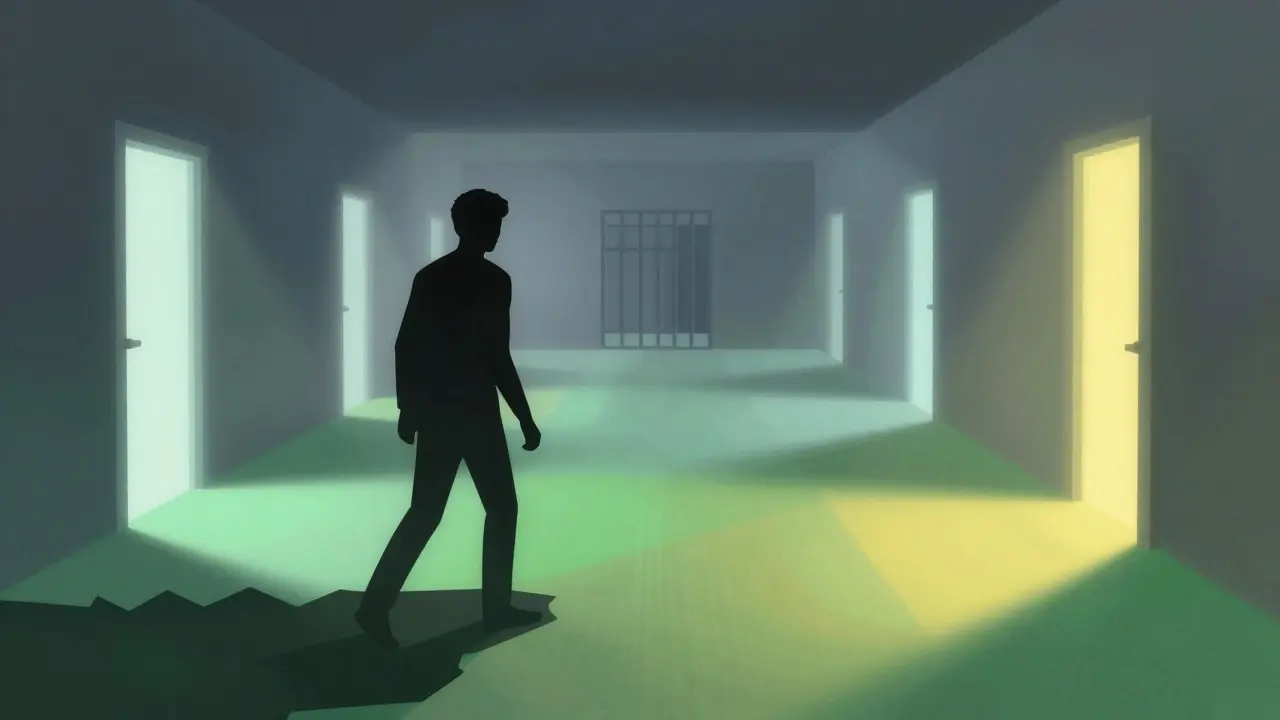
Common Pitfalls and How to Avoid Them
Even well-intentioned reforms can fail if executed poorly. Watch out for these common traps:
- Tokenism: Creating a CRU but underfunding it so it’s just another locked room. Ensure adequate staffing ratios (e.g., 1 clinician per 10 residents).
- Staff Resistance: Guards may view mental health training as extra work. Integrate it into performance reviews and highlight success stories to build buy-in.
- Lack of Continuity: Treating the crisis but ignoring the discharge plan. When someone leaves the CRU, they need a clear path back to stability, or they’ll cycle back.
- Ignoring Trauma History: Many incarcerated individuals have experienced childhood trauma. Standard discipline tactics can re-traumatize them. Always ask about history before reacting.
The Human Impact: Why It Matters
Behind every statistic is a person. Consider the case of Marcus (name changed), a 34-year-old man with bipolar disorder who spent three years in solitary after a minor altercation. Upon release, he struggled to hold a job due to social anxiety exacerbated by his isolation. Now, imagine if he had been placed in a therapeutic unit for six months. He would have received medication management, learned coping skills, and maintained social connections. His reentry odds would be vastly higher. Reducing segregation isn’t just about kindness; it’s about public safety. People who receive proper care are less likely to reoffend.
Frequently Asked Questions
Is solitary confinement illegal for people with mental illness?
Not universally, but it is increasingly challenged in court. The U.S. Supreme Court has ruled that prolonged isolation can constitute cruel and unusual punishment under certain circumstances. Many states have passed laws limiting its use for vulnerable populations, including those with severe mental illness.
How long should a Crisis Response Unit stay last?
The ideal duration is less than 72 hours. Studies suggest that most acute crises can be managed within this window. If a person remains unstable after three days, they should be transferred to a higher level of care, such as a psychiatric hospital or a long-term therapeutic unit.
Do corrections officers need a psychology degree to work in therapeutic units?
No, but they need specialized training. Officers in therapeutic settings act as consistent, reliable figures. They learn de-escalation, observation of symptoms, and how to collaborate with clinical staff. Their role is supportive, not diagnostic.
What is the cost difference between segregation and therapeutic housing?
While upfront construction costs for therapeutic units are higher, long-term savings are significant. Reduced medical emergencies, lower litigation risks, and improved recidivism rates offset the initial investment. Some studies indicate a 15-20% reduction in total care costs when using integrated mental health models.
Can peer support really make a difference in prison?
Yes. Peer specialists, who are themselves recovering from mental illness, provide unique credibility. Inmates often trust peers more than professionals. Peer groups reduce feelings of isolation and encourage participation in treatment plans. Facilities with robust peer programs report higher engagement rates in therapy sessions.