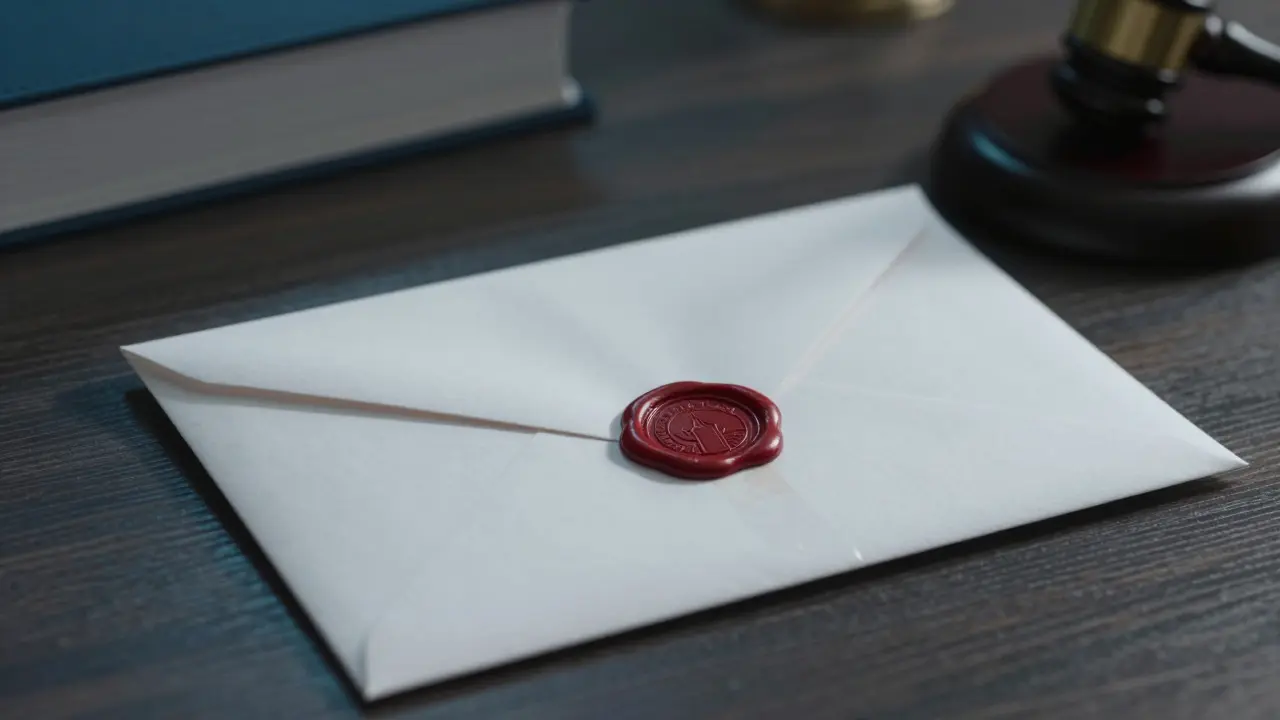
Imagine sending a letter to your lawyer that gets opened, read, and potentially altered before it reaches the desk. For decades, this was a reality for many people in U.S. prisons. But the landscape of special legal mail has shifted significantly, balancing state security needs with constitutional rights. Understanding how these letters are handled is crucial for anyone navigating the criminal justice system, whether you are an inmate, a family member, or a legal professional.
The core issue isn't just about sending paper; it's about preserving the right to counsel. When a prisoner communicates with their attorney, the content often holds evidentiary weight or strategic importance. If prison staff can freely inspect these documents, the integrity of the defense may be compromised. This article breaks down the specific privileges, the procedural steps required to ensure protection, and the current legal protections in place as of 2026.
What Defines Special Legal Mail?
Special Legal Mail is correspondence between an inmate and their retained or appointed attorney that is protected from routine inspection by prison officials. Unlike general inmate mail, which is subject to censorship for contraband or disciplinary issues, special legal mail carries a shield of confidentiality derived from the Sixth Amendment right to counsel.
This category typically includes:
- Letters addressed directly to a licensed attorney on official law firm letterhead.
- Documents marked "Attorney-Client Privileged" or "Confidential."
- Court filings sent directly from the inmate to the court clerk (though this often follows different protocols).
It is important to distinguish this from "legal reading material" or books sent to inmates. While those are also part of the legal process, they do not carry the same strict prohibition against opening unless there is clear evidence of abuse, such as smuggling contraband inside the pages.
The Legal Basis: Why Protection Exists
The protection of attorney-client communications in prison stems from several landmark Supreme Court decisions. The most critical case is Turner v. Royal (1987), which established that while prisoners do not lose all constitutional rights upon incarceration, any restriction must be reasonably related to legitimate penological interests.
However, later rulings refined this. In Sanders v. United States, the Court emphasized that the attorney-client privilege is fundamental to the fair administration of justice. If prison warden could open every letter, they would effectively become co-counsel, creating a conflict of interest. Therefore, the standard shifted: prison officials cannot open special legal mail solely based on suspicion. They need probable cause to believe the mail contains contraband or poses a direct threat to security.
As of 2026, most state correctional departments adhere to a "no-opening" policy for properly formatted legal mail, barring extreme circumstances. This creates a predictable environment for legal teams representing incarcerated clients.
Procedures for Sending Protected Correspondence
To ensure your letter qualifies for protection, you must follow specific formatting and addressing rules. Failure to do so can result in the mail being treated as general correspondence, subject to full inspection.
- Use Official Letterhead: The letter should be printed on stationery that clearly displays the law firm’s name, address, and bar number. Handwritten notes on plain paper are less likely to receive immediate protection.
- Clear Addressing: The recipient line must include the attorney’s full name and the title "Attorney at Law" or similar designation. Avoid using nicknames or informal titles.
- Marking the Envelope: While not always legally required, marking the outside of the envelope with "ATTORNEY-CLIENT PRIVILEGED" helps signal to mailroom staff that special handling is needed.
- Avoid Contraband: Do not hide anything inside the letter. If prison staff find a drug packet or a shiv wrapped in a legal letter, the privilege is voided for that specific item, and the entire communication may be scrutinized.
For inmates initiating contact, the reverse applies. Letters from an inmate to an attorney should ideally be sent via the prison’s internal mail system if possible, but external mail from outside counsel remains the primary channel for substantive legal discussions.
Prison Censorship vs. Legal Privilege
A common point of confusion is the difference between censorship and inspection. General inmate mail is often censored to remove references to escape plans, gang signals, or contraband lists. However, special legal mail is generally exempt from this content-based censorship.
| Feature | General Inmate Mail | Special Legal Mail |
|---|---|---|
| Inspection Rights | Full visual and physical inspection allowed | No inspection without probable cause |
| Censorship | Content can be redacted for security reasons | Protected from content-based censorship |
| Delivery Speed | Standard processing time (3-7 days) | Often prioritized for faster delivery |
| Risk of Delay | High due to sorting errors | Lower, but still subject to administrative backlog |
| Applicable Law | State Department of Corrections Rules | Federal Constitutional Standards & State Regulations |
Despite these protections, delays remain a significant frustration. Administrative backlogs in large facilities like those in California or Texas can mean a legal letter takes two weeks to arrive instead of three days. This delay doesn’t violate the privilege, but it can impact deadlines for filing motions or appeals.
Common Pitfalls and How to Avoid Them
Even when following the rules, mistakes happen. Here are the most frequent errors that strip away legal mail protections:
- Mixing Personal and Legal Content: If an attorney sends a letter that discusses both a pending appeal and personal family matters, the entire document may be subject to inspection. Keep legal advice strictly within the privileged scope.
- Using Non-Lawyer Staff: Communications with paralegals or investigators are not automatically privileged unless they are acting under the direction of the lead attorney. Ensure the recipient is clearly identified as the supervising counsel.
- Ignoring State-Specific Variations: While federal standards set the floor, some states have stricter rules. For example, some jurisdictions require a specific stamp on the envelope. Always check the specific facility’s inmate handbook.
Another subtle pitfall is the use of third-party services. If you send legal mail through a private courier rather than the U.S. Postal Service, some prisons treat it differently. While rare, verify that the receiving facility accepts private courier packages for legal purposes without additional screening fees.
Protections in the Digital Age
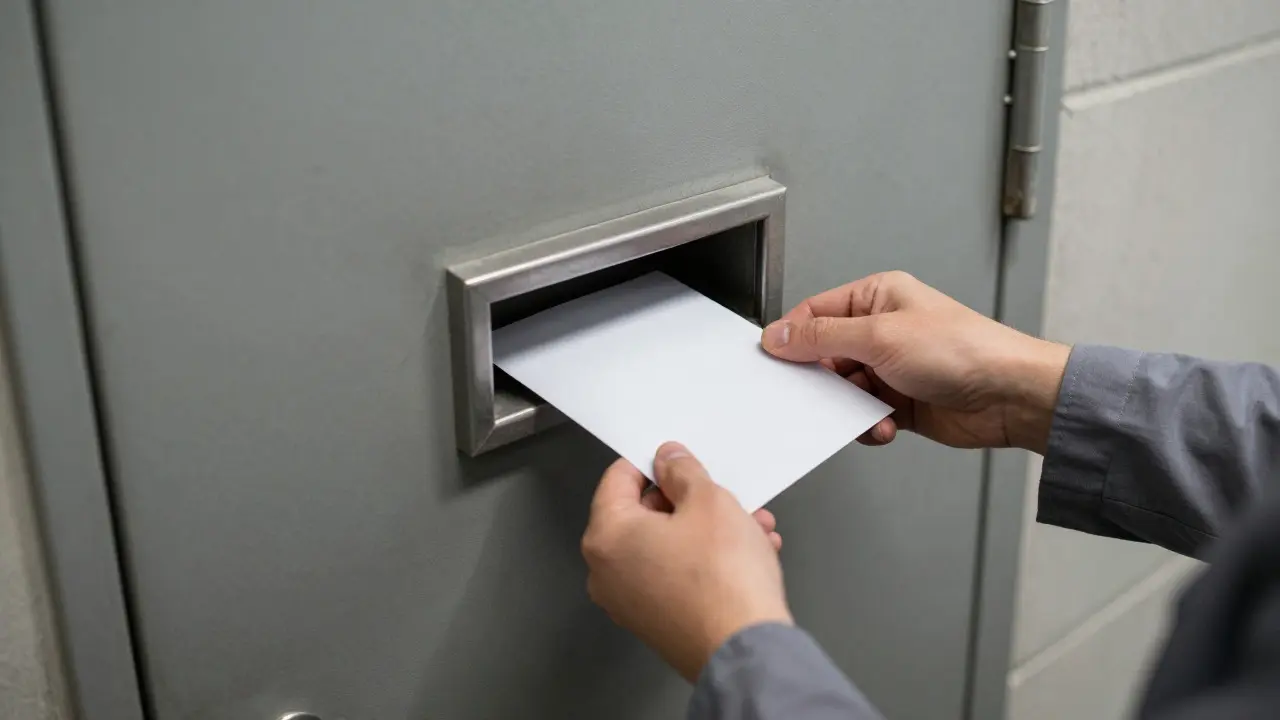
With the rise of telephonic visits and digital case management systems, the definition of "mail" is expanding. As of 2026, many prisons allow secure electronic messaging between attorneys and inmates. These platforms, such as JPay or Securus, offer encrypted channels that mimic the protection of physical special legal mail.
However, digital records create a new challenge: data retention. Physical letters can be destroyed after review (if permitted), but digital messages are stored on servers. Attorneys should advise clients on the permanence of digital communications. A casual remark made in a secure text message might resurface years later in a discovery request. Therefore, the discipline applied to physical legal mail should extend to digital correspondence.
What to Do If Your Legal Mail Is Opened
If you suspect your special legal mail has been improperly opened, you have recourse. First, document the incident. Look for signs like tape residue, bent corners, or missing stamps. Next, file a grievance with the facility’s administrative officer. Most correctional departments have a formal grievance procedure that must be exhausted before filing a federal civil rights lawsuit under 42 U.S.C. § 1983.
In a successful claim, the plaintiff must show that the opening was unreasonable and not justified by a legitimate penological interest. Courts are generally sympathetic to violations of attorney-client privilege because it undermines the fairness of the judicial process itself.
Next Steps for Stakeholders
For **attorneys**, audit your mailing practices. Ensure all outgoing letters to clients use standardized, privileged templates. For **inmates and families**, understand that speed is not guaranteed, but privacy is protected if formats are correct. For **prison administrators**, training mailroom staff on the distinction between general and legal mail reduces liability and improves operational efficiency.
By respecting these procedures, all parties contribute to a more transparent and fair legal system. The goal is simple: ensure that the path to justice remains unobstructed by unnecessary bureaucratic hurdles.
Can prison guards read my letters to my lawyer?
Generally, no. Special legal mail is protected from routine inspection. Guards can only open it if they have probable cause to believe it contains contraband or a security threat, such as drugs or weapons hidden inside.
How long does special legal mail take to arrive?
While often prioritized, delivery times vary by facility. In small jails, it may take 2-3 days. In large state prisons with high volume, it can take up to 10-14 days. There is no fixed federal deadline for delivery.
Do I need to mark the envelope "Privileged"?
It is highly recommended. While not always a strict legal requirement, marking the envelope helps mailroom staff identify the item quickly and reduces the risk of it being processed as general mail.
Is email considered special legal mail?
Emails sent through approved prison platforms (like JPay) are treated similarly to physical legal mail regarding privacy. However, they are subject to server logs and retention policies, so discretion is advised.
What happens if I hide something in a legal letter?
If contraband is found, the privilege for that specific item is voided. The inmate may face disciplinary action, and the entire correspondence may be reviewed by prison officials to determine if other items were smuggled.