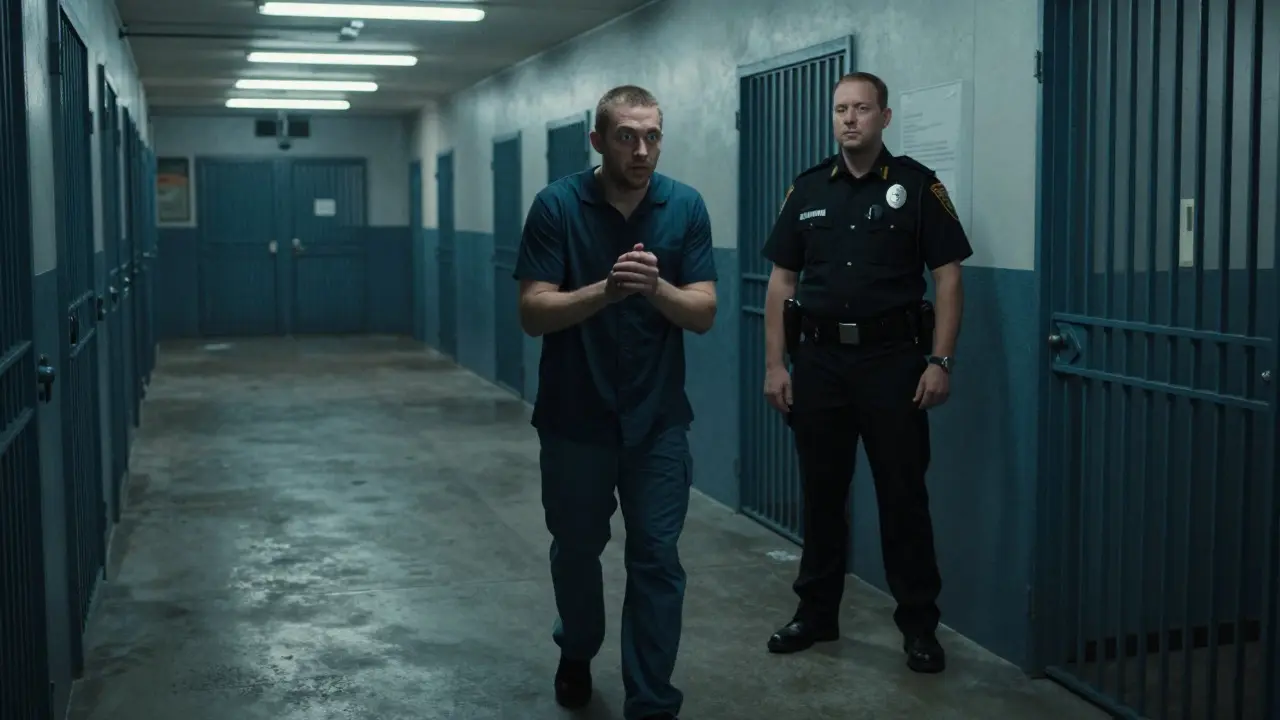
Imagine the scene: a cell block goes silent. The hum of conversation stops. A guard spots an inmate pacing rapidly, eyes wide, muttering to themselves. In seconds, what looks like agitation becomes a full-blown acute psychiatric emergency. In correctional facilities, these moments are not rare-they are part of daily reality. Yet, for years, the response has often been reactive rather than proactive, leading to preventable deaths and long-term trauma for both staff and inmates.
Crisis intervention in this context is more than just locking down a wing. It is a structured, clinical approach to stabilizing individuals experiencing severe psychological distress within the high-stakes environment of a prison or jail. When done correctly, it saves lives. When done poorly, it turns a medical issue into a disciplinary one. Understanding the mechanics of this process is critical for anyone involved in the criminal justice system, from line officers to policy makers.
The Unique Challenge of the Correctional Environment
Treating mental health issues in a hospital is hard; treating them in a prison is exponentially harder. The environment itself acts as a stressor. Noise levels, lack of privacy, rigid schedules, and the constant threat of violence create a backdrop that can exacerbate existing conditions like schizophrenia, bipolar disorder, or severe depression.
In a standard hospital, a patient who becomes agitated might be moved to a quiet room. In a correctional facility, that same action requires security protocols, risk assessments, and potential use of restraints. This friction creates a gap between clinical best practices and operational realities. For instance, Seclusion is a practice where an individual is placed alone in a locked room without meaningful human contact. While sometimes necessary for safety, prolonged seclusion can worsen psychosis and increase the risk of suicide if not monitored closely by trained mental health professionals.
The key difference here is intent. In a clinic, isolation is therapeutic. In a cell, it is often punitive. Recognizing this distinction is the first step toward effective crisis management.
Identifying the Signs Before It’s Too Late
Most acute emergencies don’t happen out of nowhere. They build up. Staff who know what to look for can intervene early, often before medication or physical restraint is needed.
Here are the common precursors to an acute psychiatric break in a correctional setting:
- Sleep disruption: An inmate who hasn’t slept in 48 hours is at high risk for hallucinations and paranoia.
- Withdrawal: Suddenly stopping participation in meals, recreation, or visits can signal deepening depression.
- Psychomotor agitation: Pacing, hand-wringing, or inability to sit still indicates rising anxiety or mania.
- Verbal changes: Rapid speech, slurred words, or talking to invisible people are red flags for psychosis.
When these signs appear, the goal shifts from observation to active engagement. This is where De-escalation comes in. De-escalation is a set of verbal and non-verbal techniques used to reduce tension and lower the likelihood of physical confrontation. It relies on calm body language, low volume, and giving the person space. It is not about winning an argument; it is about lowering the temperature so that clinical help can arrive safely.
The Step-by-Step Response Protocol
When an acute emergency occurs, chaos is the enemy. A clear protocol keeps everyone safe. Here is how a standard crisis intervention flow works in modern facilities:
- Assess Safety: Ensure the immediate area is secure. Remove other inmates if possible to reduce stimulation. Check for weapons or self-harm risks.
- Establish Contact: Approach slowly. Use a neutral tone. Ask simple, open-ended questions. “What do you need right now?” works better than “Why are you acting crazy?”
- Medical Triage: If available, have a nurse or doctor evaluate the individual. Rule out medical causes like head injuries, drug overdose, or infection, which can mimic psychiatric symptoms.
- Pharmacological Intervention: If the person is a danger to themselves or others, medication may be administered. Oral meds are preferred over injections when possible to reduce fear and resistance.
- Monitoring and Documentation: Once stabilized, the individual needs continuous monitoring. Every interaction must be documented accurately to protect both the inmate’s rights and the staff’s liability.
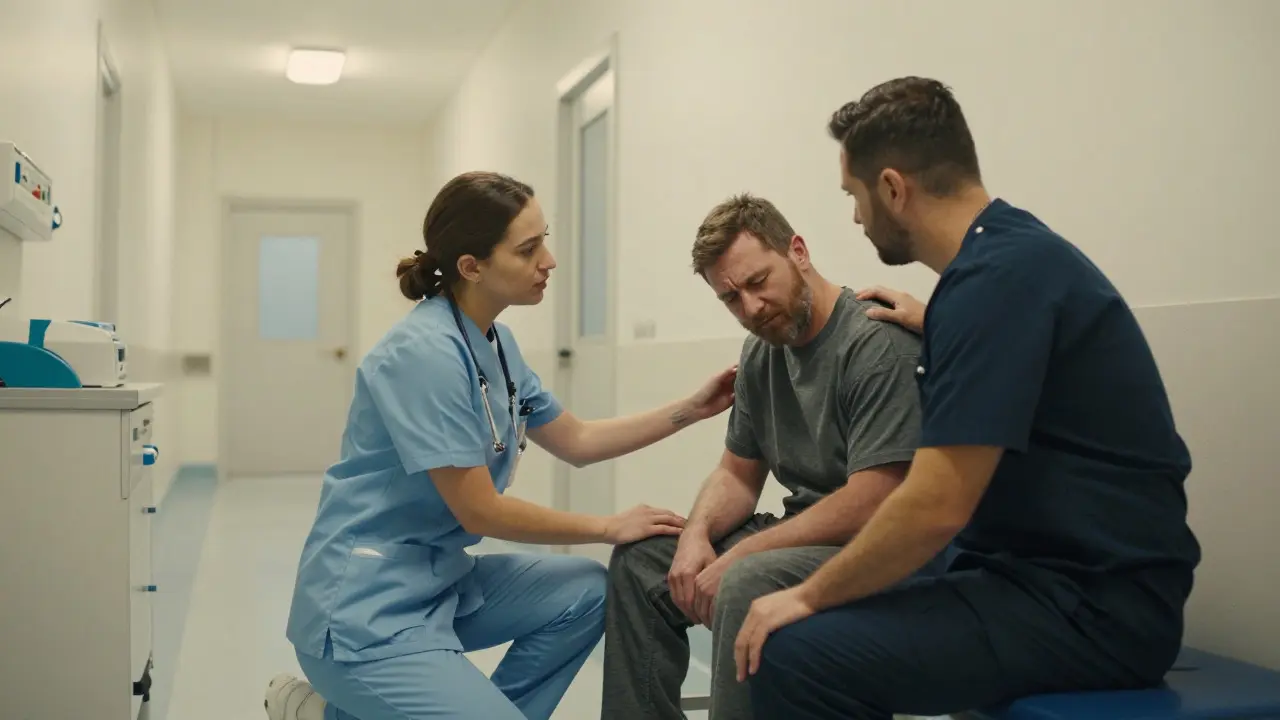
This process requires coordination. Security officers handle the perimeter; medical staff handle the treatment; mental health specialists handle the assessment. If these roles blur, mistakes happen.
Training and Competency Gaps
You can have the best protocol in the world, but it fails if the staff aren’t trained to use it. Many correctional officers receive only a few hours of mental health training during their initial academy. That is rarely enough.
Effective training programs, such as those based on the Mental Health First Aid model, focus on recognition and response rather than diagnosis. Officers don’t need to be psychiatrists, but they need to know the difference between behavioral misconduct and a mental health crisis.
Consider the case of a facility in Oregon that implemented a specialized Crisis Intervention Team (CIT) program. CIT training teaches officers to view mentally ill individuals through a lens of compassion rather than suspicion. After implementation, that facility saw a 30% reduction in involuntary psych holds and a significant drop in officer injury rates related to mental health incidents. This data proves that training isn’t just a nice-to-have; it’s a cost-saving measure.
Comparing Traditional vs. Clinical Approaches
To understand why change is necessary, we need to compare the old ways with the new standards.
| Feature | Traditional Custodial Response | Clinical Crisis Intervention |
|---|---|---|
| Primary Goal | Compliance and Control | Stabilization and Treatment |
| First Action | Physical Restraint / Seclusion | Verbal De-escalation / Medical Triage |
| Staff Role | Security Enforcer | Care Coordinator |
| Risk Profile | High risk of injury/suicide | Lower risk, higher recovery rate |
| Documentation Focus | Behavioral Infraction | Clinical Symptoms & Interventions |
The shift from the left column to the right column represents a fundamental change in philosophy. It moves the focus from punishment to care. This doesn’t mean discipline disappears, but it ensures that mental illness isn’t punished as if it were a choice.
Common Pitfalls to Avoid
Even with good intentions, things go wrong. Here are the most common errors in correctional crisis management:
- Labeling Behavior as Misconduct: If an inmate is screaming due to auditory hallucinations, calling it “disorderly conduct” ignores the root cause.
- Lack of Continuity of Care: Moving an inmate from intake to housing unit without transferring their psychiatric history leads to repeated crises.
- Over-reliance on Chemical Restraint: Using sedatives to keep someone quiet instead of addressing the underlying panic or psychosis is a band-aid solution that often backfires.
- Ignoring Environmental Triggers: Placing a person with sensory processing disorders in a noisy, bright holding cell guarantees escalation.
Avoiding these pitfalls requires a culture of accountability. When a crisis happens, the post-incident review should ask, “How could we have prevented this?” rather than just “Who messed up?”
The Future of Correctional Mental Health
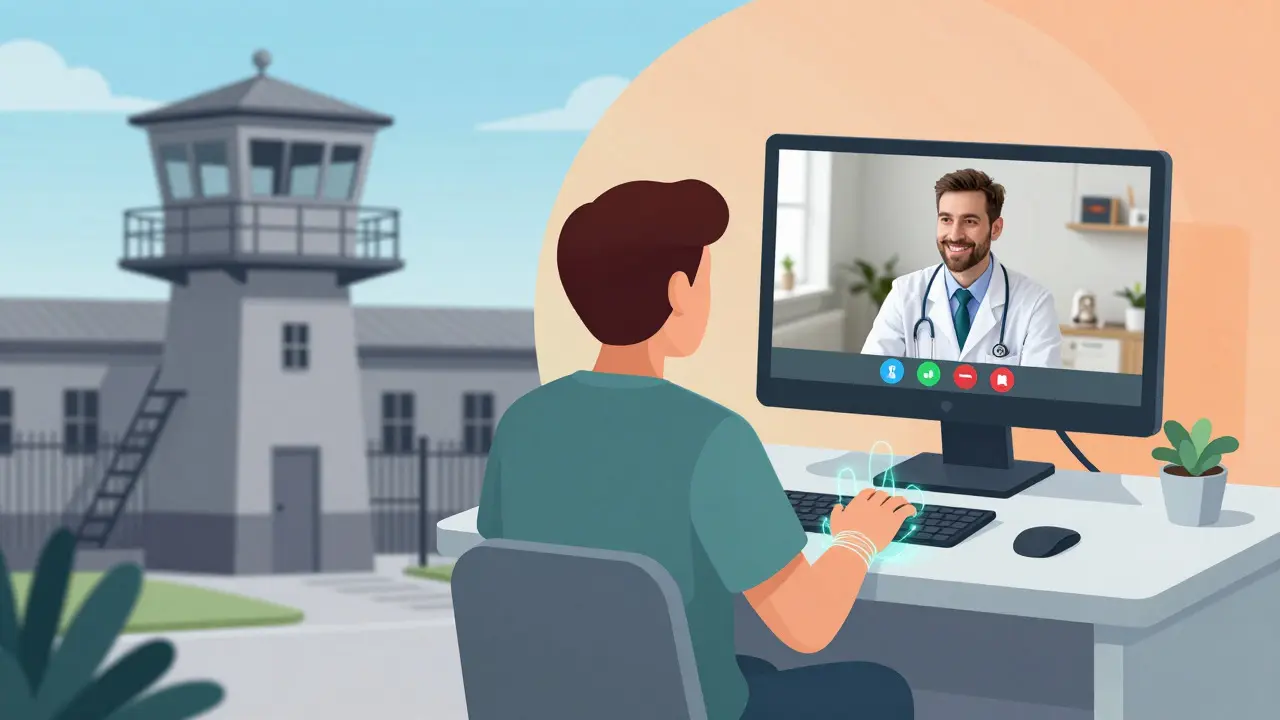
The landscape is changing. Telepsychiatry is becoming more common, allowing specialists in urban centers to consult with rural jails in real-time. Wearable technology is being tested to monitor vital signs in seclusion rooms, providing objective data on whether an inmate is in physiological distress.
Furthermore, peer support models are gaining traction. Having former inmates or community members with lived experience of mental illness serve as liaisons can bridge the trust gap between staff and detainees. These innovations suggest a future where crisis intervention is less about containment and more about genuine healthcare delivery.
For now, the foundation remains the same: train your staff, respect the clinical nature of the event, and prioritize human dignity. In a place designed to restrict freedom, preserving mental stability is one of the most complex forms of care imaginable.
What is the most common cause of death in correctional facilities?
Suicide is frequently cited as the leading cause of death in jails and prisons, often linked to undiagnosed or untreated acute psychiatric emergencies. Effective crisis intervention is the primary defense against this outcome.
How does de-escalation differ from standard security protocol?
Standard security protocols focus on compliance and control, often using authority and force if necessary. De-escalation focuses on reducing emotional intensity through empathy, communication, and patience, aiming to resolve the situation without physical intervention.
Do correctional officers need to be licensed therapists?
No, correctional officers do not need to be licensed therapists. However, they require specific training in Mental Health First Aid and de-escalation techniques to recognize symptoms and manage immediate safety until clinical staff arrive.
What role does documentation play in crisis intervention?
Documentation serves two purposes: it ensures continuity of care by passing clinical notes between shifts and units, and it provides legal protection by proving that appropriate medical and security steps were taken during the emergency.
Can environmental factors trigger a psychiatric crisis?
Yes. Factors like loud noise, poor lighting, lack of sleep, and overcrowding can significantly exacerbate symptoms of anxiety, psychosis, and depression, making the correctional environment a unique challenge for mental health stability.