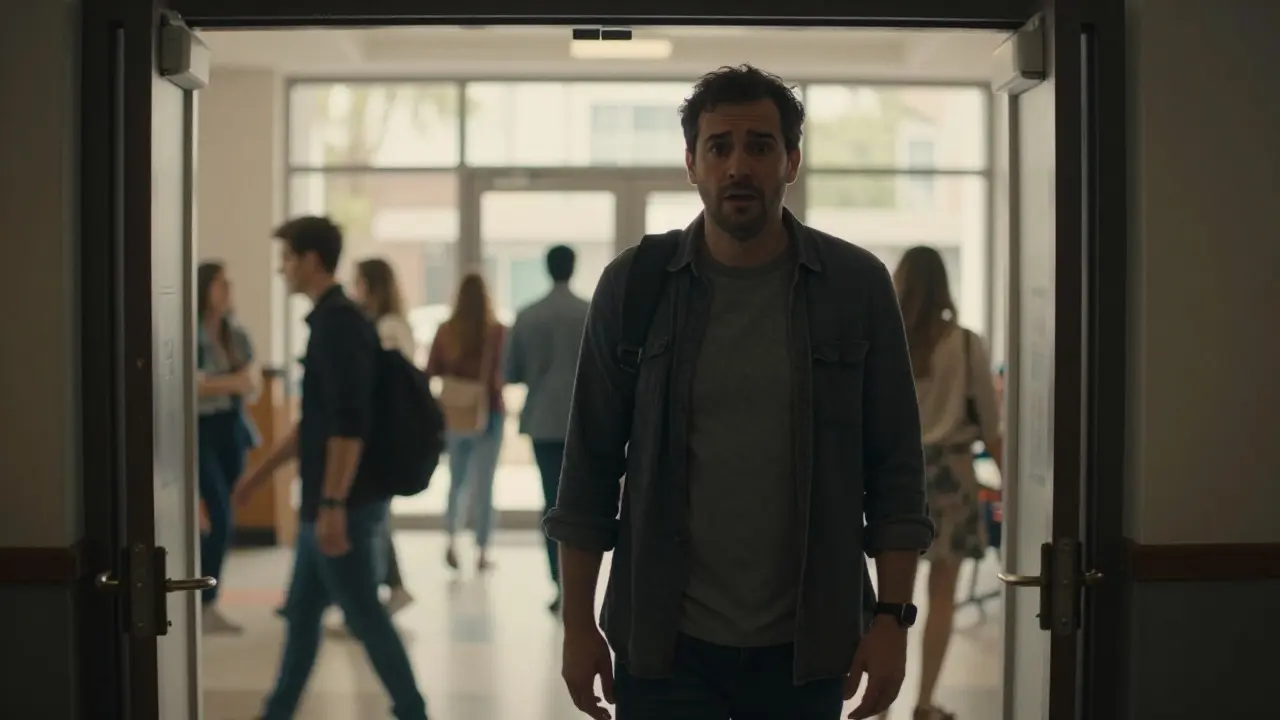
Imagine walking into a crowded room after two years of silence. The noise hits you first, then the eyes. You want to say hello, but your mouth feels dry. Your hands don't know where to go. This isn't just awkwardness; it's a skill gap created by isolation. For many people in Incarceration is a state of confinement that often leads to social atrophy and reduced interpersonal competence., social interaction becomes a foreign language. But what if you could practice speaking it before you walk out those doors? That’s exactly what Social Skills Training is a structured educational program designed to teach interpersonal behaviors through modeling, rehearsal, and feedback. offers.
It’s not about learning to be fake or overly polite. It’s about regaining the tools to navigate relationships, hold down a job, and avoid the situations that led you back inside. Think of it as physical therapy for your personality. You’re rebuilding muscles you’ve been forced to let atrophy. And the best part? It works. When done right, these programs don’t just change behavior; they change how you think about other people.
Why Social Skills Fade Behind Bars
You might wonder why anyone needs a class on talking to humans. After all, we learned this as kids. But prison life operates on different rules. In many facilities, eye contact can be seen as a challenge. Touching someone requires permission. Conversations are short, guarded, and often transactional. Over time, the natural flow of daily life-making small talk, reading non-verbal cues, negotiating differences-disappears.
This phenomenon is closely linked to Cognitive Distortion is a pattern of thinking that involves irrational beliefs about oneself and others, often leading to negative emotions and behaviors.. If you believe everyone is out to get you, you won’t trust them. If you assume you’ll fail any attempt at connection, you won’t try. These mental loops keep social muscles weak. Without active intervention, re-entering society feels like jumping off a cliff without knowing how to swim. The water is full of currents you haven’t felt in years.
The Core Components: Role Plays, Feedback, and Practice
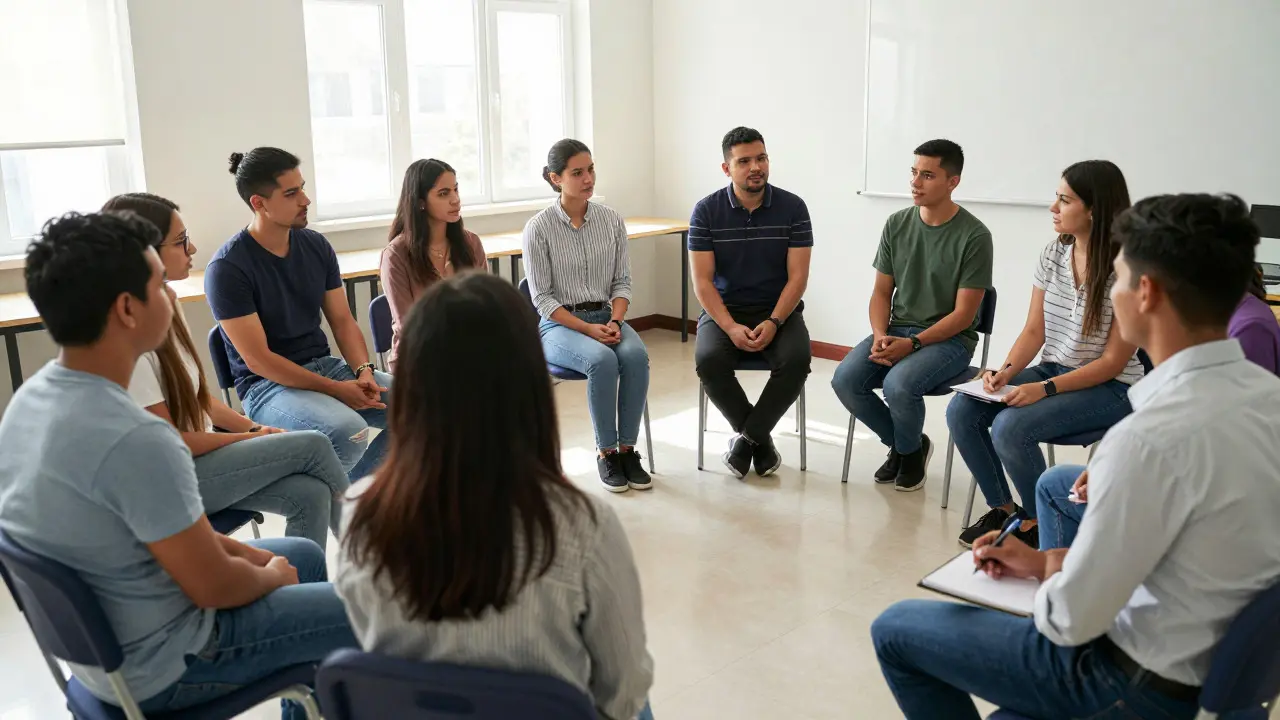
Effective training doesn’t rely on lectures. Sitting in a circle listening to a facilitator explain empathy is nice, but it doesn’t build the reflexes you need. Real change happens when you do. The three pillars of successful programs are role-playing, immediate feedback, and repeated practice.
- Role-Playing: This is the gym session. You act out scenarios like asking a boss for a schedule change, handling a rude customer, or apologizing to a friend. It feels silly at first. You might cringe at your own voice. But that discomfort is where growth lives. By acting out the situation, you move the skill from your head to your body.
- Feedback: After the role-play, the group or facilitator gives specific notes. Not "good job," but "you crossed your arms when he got angry, which made him more defensive." Specificity matters. Vague praise keeps you stuck; precise correction moves you forward.
- Practice: One session isn’t enough. You have to repeat the scenario until it feels less like an act and more like a habit. Repetition builds neural pathways. It turns conscious effort into automatic response.
How Cognitive Therapy Supports Social Learning
Social skills don’t exist in a vacuum. They’re driven by thoughts. This is where Cognitive Behavioral Therapy is a form of psychotherapy that helps people identify and change dysfunctional thought patterns and behaviors. (CBT) comes in. CBT teaches you to catch the thought before it drives the action. If you think, "He’s judging me," you might withdraw. But if you pause and ask, "Is there evidence for that?", you might realize he’s just tired. That shift changes your behavior from withdrawal to engagement.
In a prison setting, CBT provides the mental framework for social skills training. It gives you the vocabulary to understand why you reacted the way you did. It turns a failed interaction into data rather than defeat. When you combine CBT insights with role-play practice, you create a powerful loop: think clearly, act effectively, learn from the result.
| Feature | Traditional Lecture | Active Social Skills Training |
|---|---|---|
| Engagement Level | Passive listening | Active participation and doing |
| Feedback Type | General or none | Specific, immediate, and behavioral |
| Skill Retention | Low (forgetting curve) | High (muscle memory and repetition) |
| Application to Real Life | Abstract concepts | Concrete scenarios mirroring real-world challenges |
Building Confidence Through Safe Failure
One of the biggest barriers to social confidence is fear of rejection. In prison, mistakes can have serious consequences-a fight, a lost privilege, a bad reputation. So people play it safe. They stay quiet. They avoid risk. But social life outside requires risk. You have to speak up. You have to disagree. You have to ask for help.
Role-plays create a safe space to fail. If you mess up a conversation in the classroom, no one gets hurt. No one loses their job. You can reset, try again, and see what works. This safety net allows you to experiment. Maybe you tried being too formal and it felt stiff. Next time, you try being casual. You learn what tone fits the context. This iterative process builds resilience. You start to believe that a bad sentence doesn’t mean a bad outcome. It just means you need to adjust.
Real-World Scenarios That Matter Most
Not all social interactions are equal. Some are low-stakes, like chatting with a neighbor. Others are high-stakes, like a job interview or a conflict with a partner. Effective training focuses on the high-stakes scenarios that impact long-term stability. Here are three common areas where practice makes a difference:
- Job Interviews: Practicing answering questions about gaps in employment, maintaining eye contact, and showing enthusiasm without overdoing it. Many people freeze here because they feel shame. Role-plays help normalize the conversation.
- Conflict Resolution: Learning to de-escalate tension without aggression or passivity. This involves using "I" statements instead of "You" accusations. For example, saying "I feel stressed when plans change last minute" instead of "You always change things."
- Maintaining Relationships: Keeping in touch with family or friends who may have drifted away. This requires initiating contact, managing expectations, and accepting that relationships may look different now.

The Role of Group Dynamics in Learning
Social skills training rarely happens in isolation. It’s usually done in groups. And that’s intentional. The group itself becomes a laboratory. You observe how others handle the same scenario. You see that someone else is also nervous. You realize you’re not alone in your struggles. This peer support reduces stigma and builds camaraderie.
However, group dynamics can be tricky. Some members dominate. Others shut down. A good facilitator manages this balance, ensuring everyone gets a turn and that feedback remains constructive. The goal isn’t to perform for applause; it’s to learn from each other. When you see a fellow inmate successfully navigate a tough conversation, it proves to you that it’s possible. That visual proof is more powerful than any textbook.
Challenges and How to Overcome Them
Let’s be honest: this work is hard. It’s uncomfortable. You have to confront parts of yourself you’d rather ignore. You might feel judged. You might resist the exercises because they feel childish. These reactions are normal. The key is persistence.
If you find yourself resisting, ask why. Are you afraid of looking foolish? Are you skeptical that it will work? Acknowledge the feeling, but don’t let it stop you. Show up anyway. Do the exercise even if it feels wrong. Often, the resistance breaks once you start moving. Also, remember that progress isn’t linear. Some days you’ll feel confident. Other days you’ll doubt everything. Both are part of the process. Keep practicing. Keep seeking feedback. Keep applying CBT principles to your thoughts.
Preparing for Life Outside
Ultimately, the goal is transfer. Can you take what you practiced in the classroom and use it on the street? Can you apply it at work? At home? With friends? To bridge this gap, many programs include community-based assignments. You might be asked to have a five-minute conversation with a staff member outside the program. Or to write a letter to a family member using new communication techniques. These small steps build the bridge between the controlled environment of prison and the chaotic reality of freedom.
When you leave, you won’t have perfect social skills. Nobody does. But you’ll have a toolkit. You’ll know how to read a room. You’ll know how to repair a rift. You’ll know how to manage your thoughts when stress hits. And most importantly, you’ll know that you can learn new skills at any age. That knowledge is liberating. It means your past doesn’t define your future. Your actions today shape who you become tomorrow.
Is social skills training only for people with severe behavioral issues?
No. While it’s often mandated for certain offenders, it benefits almost everyone. Even those with mild social anxiety or poor conflict resolution skills can improve significantly. It’s a universal tool for personal growth, not just a corrective measure.
How long does it take to see results from social skills training?
Small improvements can happen within weeks, especially in confidence levels. However, deep behavioral change usually takes several months of consistent practice. Think of it like learning a sport; you might throw a ball well after a few lessons, but mastering the game takes years of play.
What if I don’t like role-plays? They feel embarrassing.
That’s a very common reaction. Embarrassment is a sign that you’re pushing past your comfort zone, which is where learning happens. Try to view it as a rehearsal for real life. The more you practice, the less embarrassing it feels. Eventually, the focus shifts from how you look to how effective you are.
Does cognitive therapy really help with social interactions?
Yes. Thoughts drive feelings, and feelings drive behaviors. If you change the underlying belief (e.g., "people are hostile"), you change the emotional response (fear), which changes the behavior (withdrawal). CBT gives you the mental tools to interrupt this chain before it controls your actions.
Can I practice social skills on my own without a class?
You can practice some aspects, like journaling or self-reflection, on your own. However, feedback is crucial for social skills. Without an external perspective, you might reinforce bad habits. Classes provide the mirror you need to see yourself clearly. If classes aren’t available, seek mentorship or peer support groups.