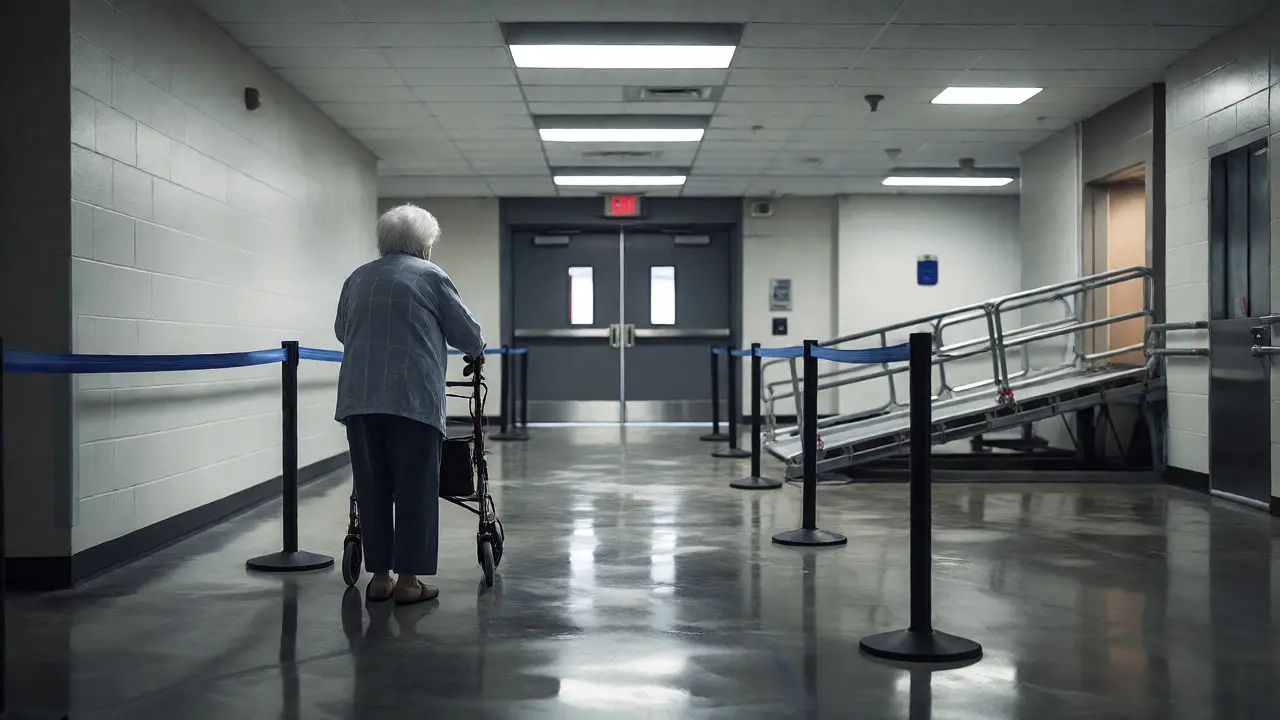
Imagine driving three hours to a state penitentiary, only to find out that the wheelchair ramp is broken, or that your grandmother cannot stand in line for forty-five minutes because there are no chairs. For families of incarcerated loved ones, these aren't hypothetical nightmares-they are Tuesday afternoons. If you are planning a visit for an elderly parent or a family member with disabilities, you need more than just a visitor ID. You need a strategy.
Prison visitation is governed by strict security protocols, but it is also bound by federal laws like the Americans with Disabilities Act (ADA). This article breaks down exactly what rights you have, how to request them before you pack your bags, and what to do if the facility fails to accommodate your needs. We will look at physical barriers, sensory issues, and the paperwork maze that often stands between a hug and a glass partition.
Understanding Your Legal Rights Under the ADA
The first thing most people miss is that prisons are not lawless zones. They are public entities subject to civil rights laws. The Americans with Disabilities Act requires state and local governments, including correctional facilities, to provide reasonable modifications to policies, practices, and procedures when necessary to avoid discrimination on the basis of disability.
This means a prison cannot simply say, "No one can sit during processing." If sitting is necessary for a visitor with a heart condition or severe arthritis, they must allow it unless doing so fundamentally alters the nature of the service. However, "reasonable" does not mean "anything goes." Security remains paramount. A guard can deny an accommodation if it poses a direct threat to safety or causes significant difficulty. But they cannot deny it just because it’s inconvenient for staff.
You might wonder, "Does this apply to private prisons?" Yes, under Title III of the ADA, private entities that operate places of public accommodation must also comply. Since prison visits are open to the public, the same standards generally apply. Always check your specific state’s corrections department handbook, as some states have stricter internal guidelines than federal minimums.
Physical Accessibility: Ramps, Restrooms, and Waiting Areas
Physical barriers are the most common complaint. Many older facilities were built decades ago, long before modern accessibility codes existed. Retrofitting stone and concrete structures is expensive, which leads to creative-but sometimes inadequate-solutions.
Before you go, call the facility’s administrative office. Ask specifically about:
- Entrance Access: Is there a step-free entry point? If the main gate has stairs, where is the accessible entrance?
- Restroom Facilities: Are there ADA-compliant restrooms in the visiting room? Can a companion enter to assist?
- Seating Arrangements: Are there designated seating areas for those who cannot stand for long periods? Are tables at varying heights for wheelchair users?
In my experience helping friends navigate Oregon’s system, I’ve seen facilities use portable ramps that are too steep for manual wheelchairs. Don’t assume a ramp equals accessibility. Test the slope mentally. If your loved one uses a walker, ask if the floor surfaces are smooth enough to prevent tripping. Carpeted waiting rooms might seem comfortable, but thick pile carpet can be a nightmare for rollators.
| Barrier Type | Typical Facility Limitation | Requested Accommodation |
|---|---|---|
| Entrance | Stair-only access at main gate | Use of side door with bell assistance; temporary ramp installation |
| Waiting Line | No seating; standing required for ID check | Priority lane; permission to bring folding chair; seated ID verification |
| Visiting Room | Fixed high tables; narrow aisles | Reserved low table; aisle seat; removal of decorative plants blocking path |
| Restrooms | Lack of grab bars; small turning radius | Access to staff restroom with escort; portable commode provision |
Sensory Issues and Neurodivergent Visitors
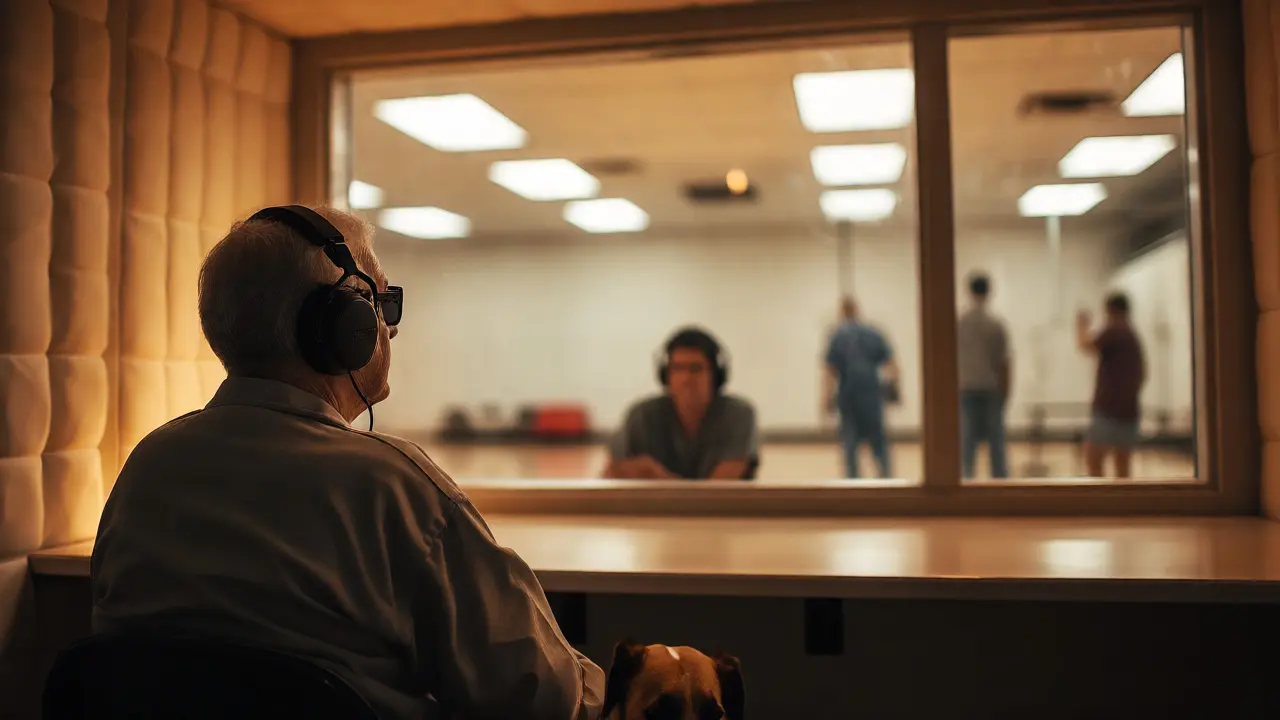
Not all disabilities are visible. For individuals with autism spectrum disorder (ASD), PTSD, or sensory processing disorders, a prison environment is a sensory minefield. Fluorescent lights buzz, alarms blare, and voices echo off concrete walls. For someone with PTSD, the sound of a heavy door slamming shut can trigger a panic attack, making a successful visit impossible.
Facilities are increasingly recognizing this. You can request a "quiet zone" or a shorter visit duration. Some prisons now offer "sensory-friendly" visiting hours, which limit the number of visitors and reduce background noise. When requesting this, be specific. Don’t just say, "My son gets overwhelmed." Say, "He requires a low-stimulus environment due to auditory sensitivity. We request a visit in a smaller, enclosed booth rather than the open gymnasium, and we need five minutes of decompression time upon arrival."
Service animals are another critical factor. Under the ADA, trained service dogs must be allowed in public areas of the prison, including visiting rooms. Emotional support animals (ESAs), however, do not have the same legal protection. If you are bringing a service dog, ensure it is fully trained to ignore food drops and loud noises. Prisons are chaotic; a dog that barks at every alarm will likely be denied entry for security reasons.
The Paperwork Maze: How to Request Accommodations
Here is the hard truth: accommodations rarely happen automatically. You must ask for them, and you must ask early. Most correctional facilities require a formal written request submitted 30 to 60 days before the planned visit date.
Do not rely on verbal promises made over the phone. Get everything in writing. Send a certified letter or use the facility’s online portal if available. Your request should include:
- Identification: Full name, inmate number, and relationship to the inmate.
- Specific Need: Clearly state the disability and the barrier encountered (e.g., "Cannot stand for more than 10 minutes due to spinal stenosis").
- Proposed Solution: Suggest a practical fix (e.g., "Please assign us to the priority check-in lane and allow a folding chair in the holding area").
- Documentation: While you don’t always need medical records, having a doctor’s note confirming the limitation helps expedite approval.
If the facility denies your request, ask for the denial in writing, citing the specific policy or security reason. This creates a paper trail. If you believe the denial violates the ADA, you can file a complaint with the Department of Justice Civil Rights Division or your state’s ombudsman for corrections.
Communication Barriers: Hearing and Vision Impairments
Visiting rooms are notoriously noisy. For visitors who are deaf or hard of hearing, standard plexiglass partitions make lip-reading nearly impossible due to glare and reflection. Similarly, visually impaired visitors may struggle to read posted rules or locate their inmate without assistance.
For hearing impairments, request a location with good lighting facing the window, not against it. Bring a whiteboard and markers if the facility allows it-this is often faster and less frustrating than shouting through intercoms. Some modern facilities have installed video relay services or assistive listening devices, but do not count on this unless confirmed in advance.
For vision impairments, ask if staff can provide a guided tour of the visiting room layout upon arrival. Ensure your identification documents are easily readable via braille or large print if needed. It is also wise to designate a sighted companion who can act as a guide within the secure perimeter, provided they are also cleared for visitation.
What To Do If Things Go Wrong On Visit Day
Even with approved accommodations, things fall apart. Staff turnover is high, and new guards may not know the special status of certain visitors. If you arrive and the accessible bathroom is locked, or the priority lane is ignored, stay calm. Anger triggers defensive responses in correctional officers.
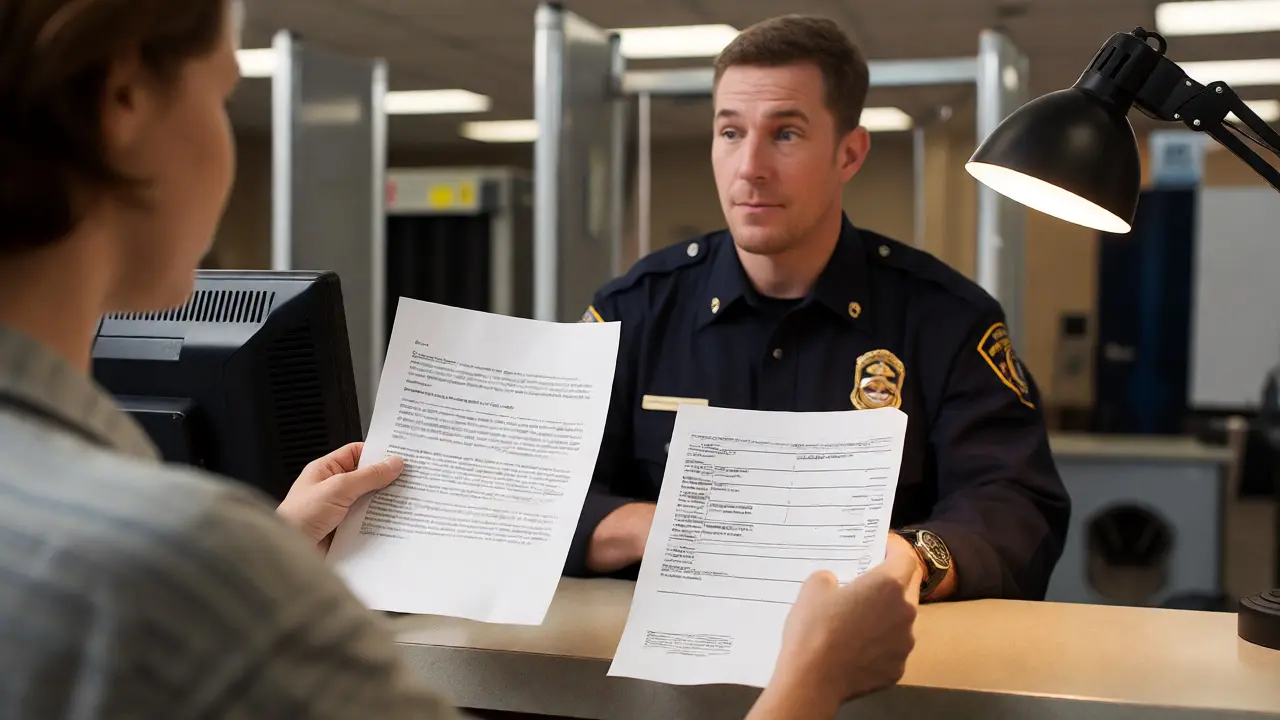
First, speak to the shift supervisor, not the line guard. Politely reference your pre-approved accommodation form. Show them the email confirmation or printed letter. If they still refuse, ask to speak to the Visitation Coordinator or the Warden’s designee. Document the incident: take photos of the blocked ramp, note the names of the officers involved, and record the time. After the visit, send a follow-up email summarizing the failure to accommodate. Consistent documentation forces administration to pay attention.
Remember, your goal is connection, not confrontation. Sometimes, accepting a suboptimal solution (like using a staff restroom instead of the public one) preserves the emotional energy needed for the actual visit with your loved one. Save the fight for later; save the hug for now.
Can I bring a walker or wheelchair into the prison visiting room?
Yes, in almost all cases. Wheelchairs and walkers are considered essential mobility aids. However, they must pass a security inspection. Expect metal detectors or hand-wands. You may need to remove cushions or pouches from the device for X-ray screening. Check with the specific facility beforehand to see if they have restrictions on the type of frame (e.g., no aluminum frames that set off detectors repeatedly).
Do prisons provide oxygen tanks for elderly visitors?
Generally, no. Visitors are responsible for their own medical equipment. You can usually bring a portable oxygen concentrator, but it must be battery-operated. Tanks are often prohibited due to explosion risks and security concerns regarding pressurized containers. Always declare the device at the entrance and have a copy of your prescription ready.
Is there a fee for ADA accommodations?
No. Charging extra fees for necessary accommodations violates the Americans with Disabilities Act. Whether it’s reserving a specific table or allowing a longer processing time, these adjustments should be free of charge. If a facility tries to charge for "special handling," politely cite the ADA and request a refund.
Can I bring medication for myself into the prison?
Usually, yes, but in original packaging only. You cannot carry loose pills. Keep them in the bottle with your name on it. Liquid medications may be subject to additional screening. Declare them clearly at the metal detector station to avoid delays or accusations of smuggling.
What if my elderly parent has dementia and doesn’t understand the rules?
This is a common challenge. Request a "buddy system" where a staff member explains the basic rules (no touching, no passing items) in simple terms. Some facilities allow a caregiver to remain nearby during the initial briefing. Be prepared for the possibility that if the visitor becomes disruptive due to confusion, the visit may be terminated early. Patience and clear, short instructions from the accompanying family member are key.