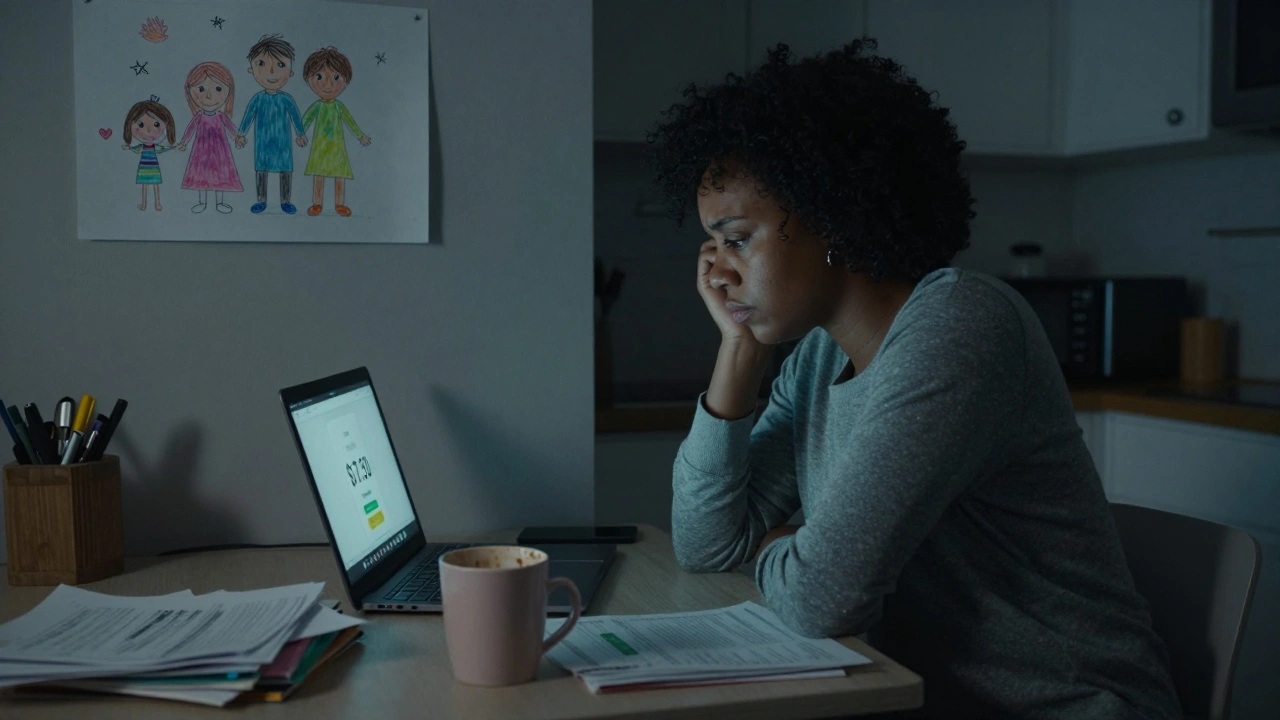
For many families, staying in touch with a loved one behind bars isn’t just about love-it’s a financial burden that can push them deeper into debt. A 15-minute phone call can cost $0.48 in Maryland. A 20-minute video call? That could run $3 to $20 depending on the jail. And if you want to leave a voicemail? You might pay $1.50 to $3.95 just to hear their voice later. These aren’t rare outliers. These are the norm across most U.S. jails and prisons.
Why Communication Costs Are So High
The system isn’t broken-it was built this way. Correctional facilities contract with private companies to handle phone, video, and email services. Those companies charge families high rates, then pay a cut-sometimes over 30%-back to the jail or prison as a commission. That means every time you pay for a call, part of your money isn’t going to the phone company. It’s going straight into the jail’s budget.
In Michigan, video calls cost families an average of 54 cents per minute. But when you remove the jail’s 32% commission, the real cost drops to 36 cents. In Minnesota, jails get nearly 39% of video call revenue. That’s not profit for the telecom provider-that’s a tax on family connection. These commissions are built into every rate, every fee, every subscription. And they add up fast.
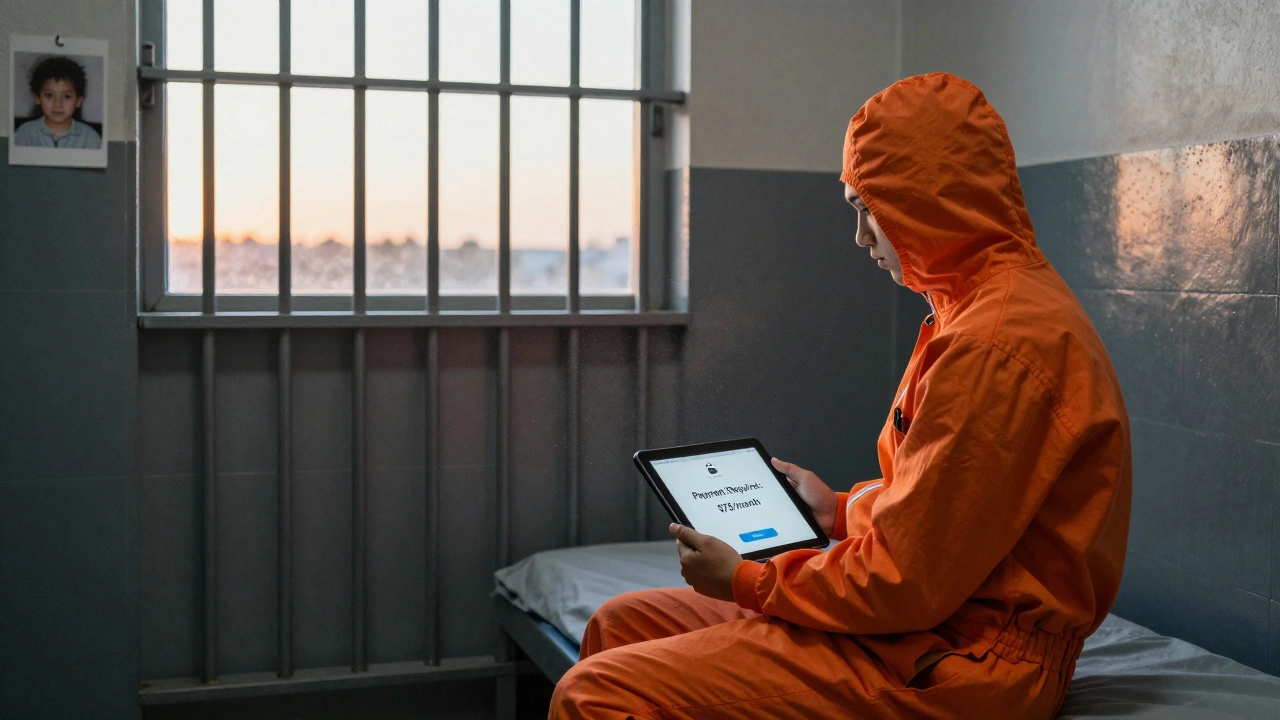
Some jails even charge weekly rental fees for tablets that let inmates access email or video calls. That’s right-you’re paying to rent the device your loved one uses just to talk to you. One family in Minnesota reported spending $75 a month just to keep their tablet active. Multiply that over months or years, and you’re talking about hundreds-sometimes over $500-per month.
Who Pays the Price?
The people who pay these fees aren’t wealthy. Two out of three people in jail had annual incomes under $12,000 before they were arrested. Many families are already struggling to afford rent, food, or medicine. Yet they’re expected to pay hundreds each month just to hear their child’s voice, talk to their partner, or stay connected to a parent.
The burden falls hardest on Black and Latina women. More than one-third of families with incarcerated loved ones go into debt or skip meals, medical care, or utilities to afford calls. And 87% of those carrying communication-related debt are Black and Latina women. Why? Because they’re often the ones stepping in to be the main point of contact. They’re the ones calling the jail, paying for tablets, setting up accounts, and managing the emotional toll.
Children are hit hardest. Black children are 7.5 times more likely than white children to have a parent behind bars. Latino children are 2.5 times more likely. For many of them, phone calls are the only way to keep a relationship alive. When those calls become too expensive, the connection fades. And when it fades, so does the chance for healing.
What Happens When Families Can’t Afford Calls
It’s not just about money. It’s about mental health-for both the incarcerated and their families. Studies show that regular phone contact reduces anxiety and depression in people behind bars. It helps them feel less alone. It gives them a reason to behave better. It helps them hold onto their identity as a parent, a sibling, a partner.
When calls stop, things fall apart. Inmates report feeling abandoned. Families feel powerless. Children lose focus in school. One study found that 83% of children who stayed in touch with an incarcerated parent had better grades and fewer behavioral issues. Without that connection, they’re more likely to struggle, drop out, or end up in the system themselves.
And it’s not just phone calls. Many jails cut off email access, video visits, or even voicemail if someone falls behind on payments. Some facilities use communication as punishment-taking away calls for weeks or months over minor rule violations. There’s no clear process. No appeal. Just silence.
State and Federal Efforts to Fix This
Some places are trying to change the system. Minnesota passed a law to make prison phone calls free. They didn’t eliminate video calls or email-but they stopped charging families for basic calls. Their state Ombuds for Corrections published detailed data from 26 county jails, showing exactly how much each facility charged and how much they made from commissions. That transparency helped pressure other states to act.
Michigan researchers dug into contracts from 40 counties and found the same pattern: high rates, high commissions, hidden fees. Their data became a blueprint for reform.
At the federal level, Congress passed the Martha Wright-Reed Just and Reasonable Communications Act in 2022. It told the FCC to cap prices so they’re fair. But instead of lowering rates, the FCC voted 2-1 to raise them. The new rules could cost families an extra $215 million a year. Advocates say the change will hurt 1.4 million incarcerated people-and their families. Even the FCC’s own estimates say families could save $500 million annually if rates were lowered further.
Meanwhile, Maryland is considering House Bill 401, which would cap communication costs and redirect profits toward rehabilitation programs. The state spent $9.3 million on prison phone calls in 2024 alone. Imagine if even half of that went to parenting classes, counseling, or job training instead.

How Families Can Reduce Costs Right Now
While policy changes move slowly, families can still take steps to lower their burden:
- Check the jail’s website-some facilities offer discounted rates for bulk minutes or prepaid accounts.
- Use email instead of calls-in many places, email costs less than $0.35 per message. It’s not the same as hearing a voice, but it’s cheaper and leaves a record.
- Ask about fee waivers-some jails offer free or reduced-cost services for families on public assistance. You have to ask.
- Track spending-keep a log of every call, video, and payment. You might find patterns or errors you can challenge.
- Connect with advocacy groups-organizations like the Prison Policy Initiative and Worth Rises offer guides, templates, and legal help for families fighting high rates.
The Bigger Picture
This isn’t just about phone bills. It’s about whether we believe families should be punished for having someone they love behind bars. It’s about whether we think connection helps people change-or whether we want them to stay broken.
Studies show that inmates who stay connected to family are 25% more likely to stay out of prison after release. That’s not just good for them. It’s good for everyone. Fewer people in jail means less strain on the system. Lower recidivism means safer communities. Stronger families mean fewer kids growing up without support.
Yet we let companies profit off silence. We let jails treat communication like a luxury instead of a lifeline. And we let families pay the price.
Changing this won’t happen overnight. But every call that’s paid for, every letter that’s sent, every voice that’s heard-it all matters. The system is designed to make you feel powerless. But you’re not alone. And you’re not broken. You’re just trying to hold on.