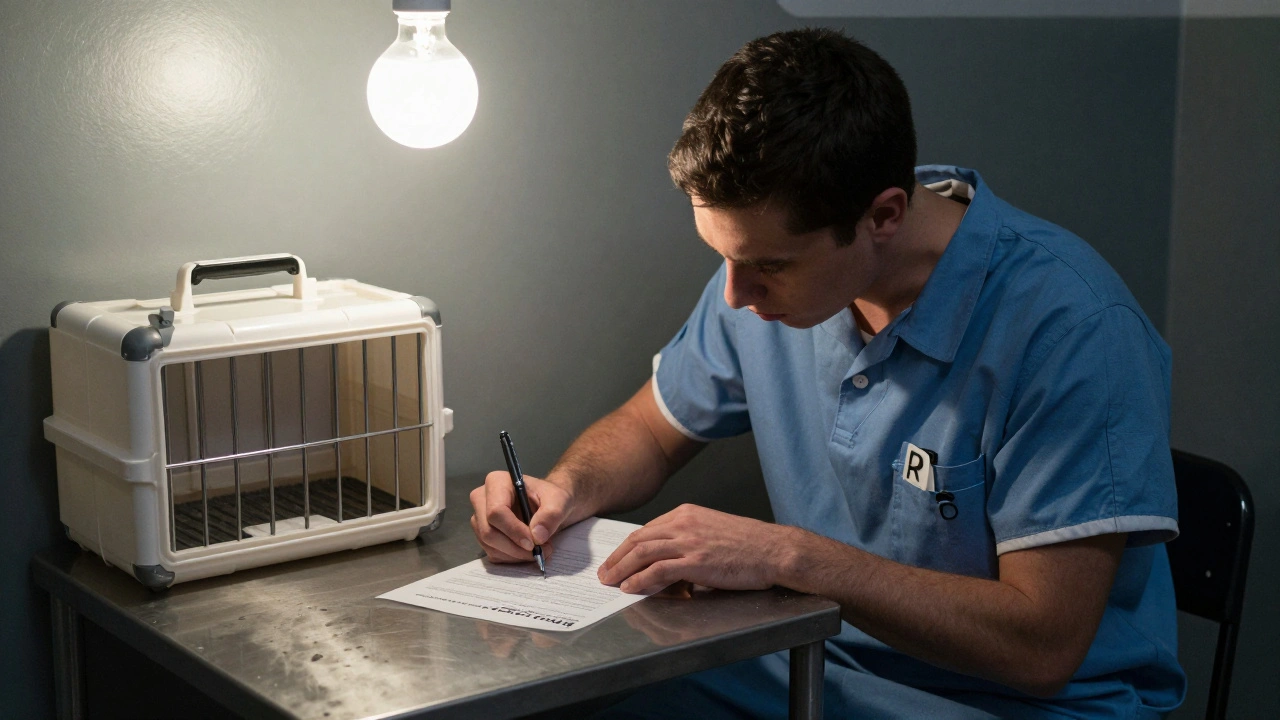
When someone is locked up, they don’t lose their right to medical care. But getting that care isn’t always easy. Inmates in jails and prisons often face delays, denied treatments, or poor conditions - and when that happens, they have a formal way to speak up: the medical grievance. This isn’t just a complaint box. It’s a legal safeguard built into correctional systems across the U.S., designed to hold facilities accountable and ensure people behind bars get the care they’re entitled to.
What Exactly Is a Medical Grievance?
A medical grievance is a written, formal complaint filed by an incarcerated person about their healthcare. It’s not the same as a general grievance about food, visitation, or cell conditions. Medical grievances are specifically for issues tied to health: missed medications, ignored pain, unclean medical areas, or being denied treatment for chronic conditions like diabetes or hypertension. These complaints are handled separately from other inmate grievances because they require medical expertise. A guard can’t decide if a diabetic inmate got their insulin on time - a nurse or health administrator must. That’s why most correctional systems have dedicated medical grievance procedures, often run by health services staff, not correctional officers.How the Process Works - Step by Step
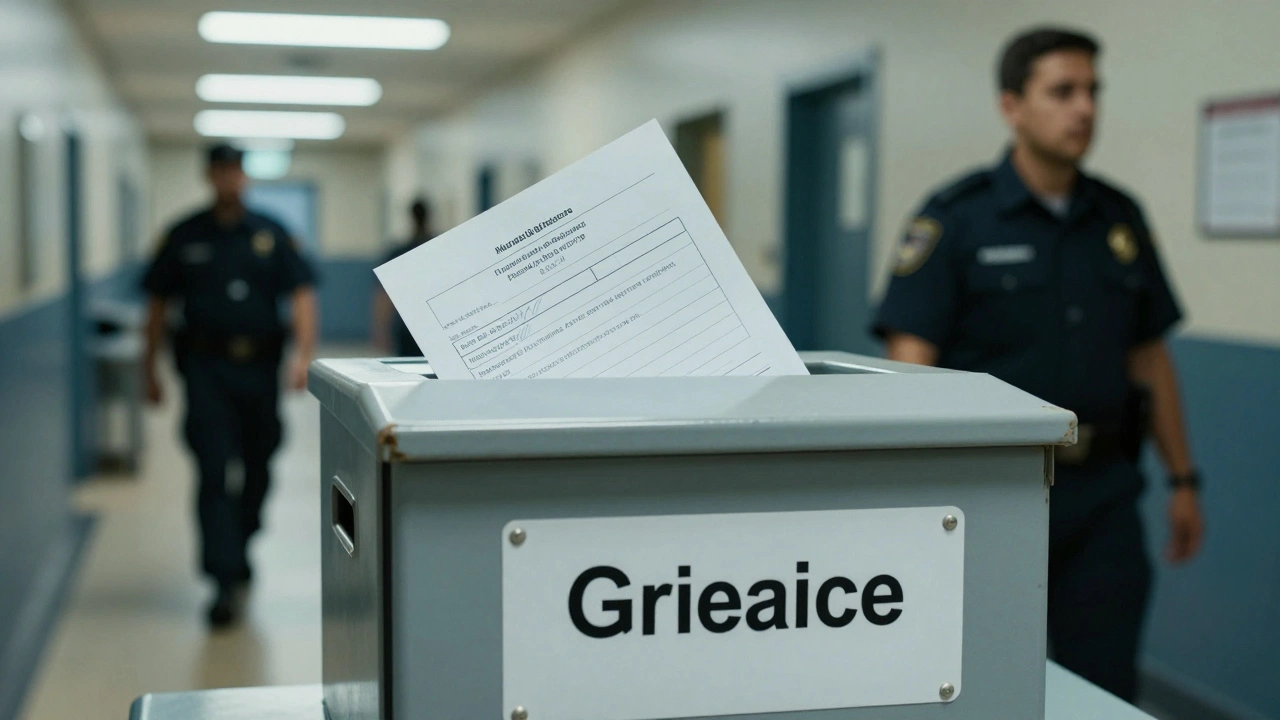
The exact steps vary by state, but the core structure is similar everywhere:- Get the form. Facilities must provide medical grievance forms. Some are available at nurse stations, others in locked boxes in housing units. In Washington state, inmates at King County Correctional Facility can hand them directly to nurses during triage. At Regional Justice Center, forms go into a dedicated medical kite box.
- Fill it out clearly. You need to include: the date and time of the issue, names of staff involved, what happened, what care you requested, and what you want done. Vague complaints like "I’m in pain" won’t cut it. You need specifics: "I asked for my blood pressure meds on January 5, 10, and 15. I was never given them. I’m now dizzy and nauseous. I need my prescription refilled immediately."
- Submit it. Submission methods vary. Some places allow direct handoff to medical staff. Others require placing forms in secure boxes. No matter the method, the system must ensure inmates can file without fear of interference or loss.
- Wait for a response. Most jurisdictions require a written reply within 10 to 30 days. In Washington, it’s 10 days. In Montana, the Facility Health Administrator has 30 days. If they need more time, they must notify you in writing - and explain why.
- Appeal if needed. If you’re not satisfied, you can appeal. In Washington, appeals go to a Nursing Supervisor or Health Information Management staff. In Montana, the Warden or designee reviews the appeal. Georgia uses a separate "Health Concerns" appeal process handled by the Responsible Health Authority.
One key difference: medical grievances usually have no strict deadline to file. Unlike general grievances, which often must be submitted within 14 days, medical complaints can be filed weeks or even months later - recognizing that health problems don’t always show up immediately.
What Kinds of Issues Are Covered?
Medical grievances aren’t for minor complaints. They’re meant for serious, ongoing problems that affect health or safety. Common examples include:- Medications not delivered or delivered late - especially critical ones like insulin, seizure meds, or psychiatric drugs
- Repeated sick call requests ignored for days or weeks
- Refusal to provide diagnostic tests (X-rays, blood work, EKGs)
- Unsanitary conditions in medical areas - dirty exam rooms, broken sinks, lack of soap
- Denial of treatment for chronic illnesses or injuries
- Failure to follow up on previous medical orders
- Unprofessional or abusive behavior from medical staff
These aren’t hypotheticals. Inmates report these issues constantly. A 2023 review of Georgia Department of Corrections data showed over 1,200 medical grievances filed in a single year - and nearly 40% involved medication delays or non-delivery.
Your Rights During the Process
You don’t have to guess what you’re entitled to. The law requires facilities to protect your rights during this process:- Access to forms. The facility must provide grievance forms in a way you can actually get them - no excuses.
- Time to complete. You can’t be rushed. If you need help writing it, staff must assist.
- Secure submission. Forms must be placed in locked boxes or delivered directly to medical staff - not handed to correctional officers who might ignore or destroy them.
- Written response. You get a typed or printed reply that explains the decision. No "we looked into it" - they must say what they did and why.
- Right to appeal. If the answer is unsatisfactory, you can appeal. The system must tell you how.
- Notification of delays. If they need more time, they must tell you in writing - not just ignore you.
- Return of incomplete forms. If your form is missing info, they must give it back to you to fix - not throw it out.
These aren’t perks. They’re legal requirements under the Eighth Amendment, which prohibits cruel and unusual punishment - including deliberate indifference to serious medical needs.
Why This System Exists - Beyond Individual Complaints
This isn’t just about one person getting their meds. Medical grievance data is used to fix broken systems. Correctional health administrators track patterns. If 20 people in one unit complain about missed asthma inhalers, that’s not bad luck - it’s a supply chain failure. If 15 appeals say nurses ignored chest pain, that’s a training gap. Grievance logs become quality control reports. In Washington, monthly reviews of medical grievances led to changes in how medications are dispensed. In Georgia, data from health concerns helped redesign the orientation process for new inmates. These systems aren’t just reactive - they’re tools for improvement.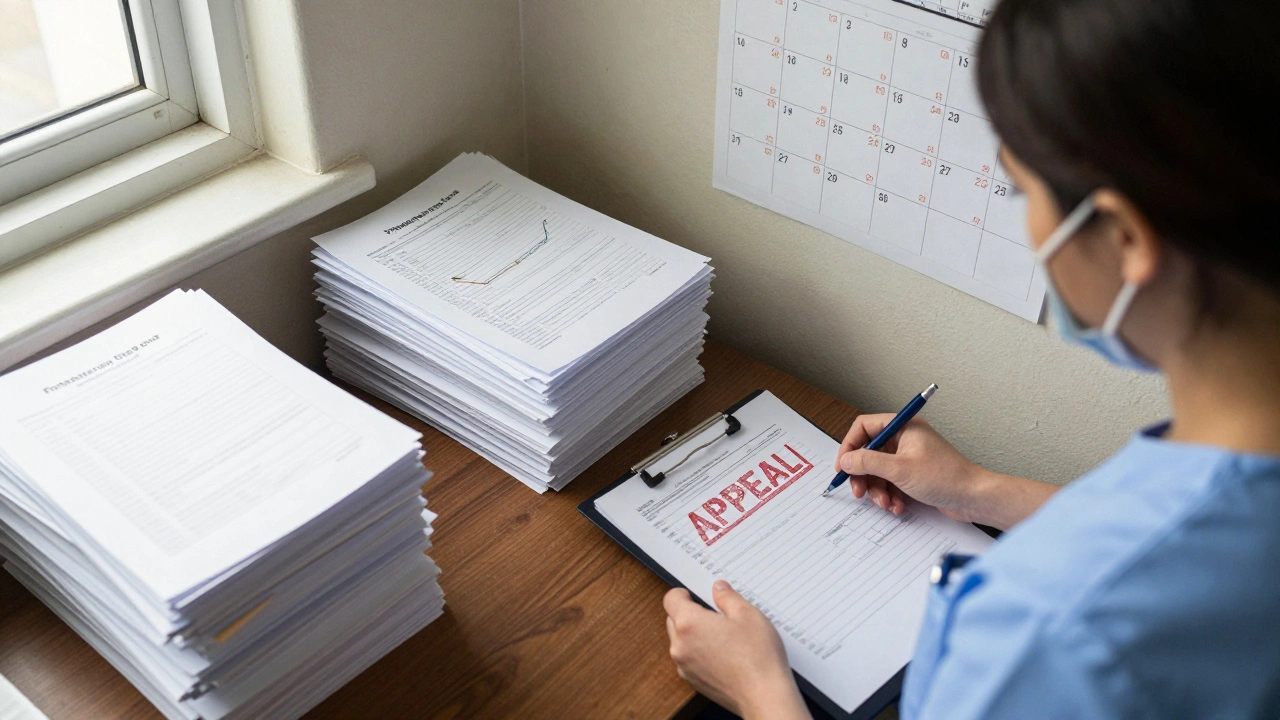
What Goes Wrong - And How to Fight Back
The system works - when it’s followed. Too often, it doesn’t. Common problems include:- Lost forms. Inmates report forms disappearing after submission. Always keep a copy.
- Staff interference. Some correctional officers discourage filing or take forms away. This is illegal.
- No response. Silence is a form of denial. If you don’t get a reply within the legal timeframe, you can escalate.
- Retaliation. Fear of punishment for complaining is real. But retaliation is a federal civil rights violation.
That’s where outside help comes in. Groups like Georgia Prisoners’ Speak (GPS) and legal aid organizations help inmates navigate these systems. They know which forms to use, where to file, and how to document everything.
Pro tip: Always write in ink. Keep a copy. Date everything. If you’re told your grievance was "lost," send another one - and note on the new form: "This is a duplicate of grievance submitted on [date], which was not responded to."
Federal, State, and Local - All Have Rules
It’s not just state systems. The Federal Bureau of Prisons has its own grievance process for federal inmates. County jails, private prisons, and state facilities all must follow similar rules - because they’re all subject to the same constitutional standard: you can’t ignore someone’s serious medical needs. Even if a facility is run by a private company, if it’s housing inmates under government contract, it must provide access to medical grievance procedures. No exceptions.Final Thoughts - It’s Not Just About Complaints
Medical grievances are one of the few tools incarcerated people have to protect their health. They’re not glamorous. They’re paperwork. But they’re powerful. When used correctly, they force systems to answer. They expose failures. They save lives. If you’re in a facility and you’re not getting care - don’t wait. Don’t hope. File the grievance. Keep a copy. Know your rights. The system isn’t perfect - but it’s there for a reason.Can I file a medical grievance if I’m in a county jail, not a state prison?
Yes. Whether you’re in a county jail, state prison, or federal facility, you have the right to file a medical grievance. All correctional facilities that house inmates are legally required to provide a formal process for healthcare complaints. The exact form or submission method may differ, but the right to file does not.
What if my grievance is ignored or denied without explanation?
If you don’t get a written response within the required timeframe - usually 10 to 30 days depending on the state - you should immediately file an appeal. Document everything: the date you filed, the date you expected a reply, and any attempts to follow up. If no action is taken, you can contact legal aid organizations or file a federal civil rights complaint under 42 U.S.C. § 1983.
Do I need a lawyer to file a medical grievance?
No. You don’t need a lawyer to file a medical grievance. The process is designed to be self-directed. However, if your grievance is denied and you believe your rights were violated, a lawyer can help you take further legal action. Legal aid groups often provide free help with appeals and civil rights claims.
Can I be punished for filing a medical grievance?
No. Retaliation for filing a medical grievance is illegal. This includes being moved to a worse cell, losing privileges, or being disciplined. If you experience retaliation, document it immediately and include it in your appeal. Retaliation is a separate civil rights violation and can lead to legal consequences for staff.
How long does the entire grievance process take?
It varies. The initial response must come within 10 to 30 days. Appeals are usually reviewed within another 10 to 30 days. In Montana, the full process can take up to 180 days. But if you’re not getting responses or your condition is worsening, you don’t have to wait - you can escalate to legal aid or file a federal complaint.
What if I can’t read or write?
Facilities are required to help you complete your grievance if you can’t read or write. You can ask a nurse, counselor, or other staff member to assist you. They must do so without penalty. Always ask for a witness when someone helps you fill out the form, and make sure you get a copy of what was submitted.