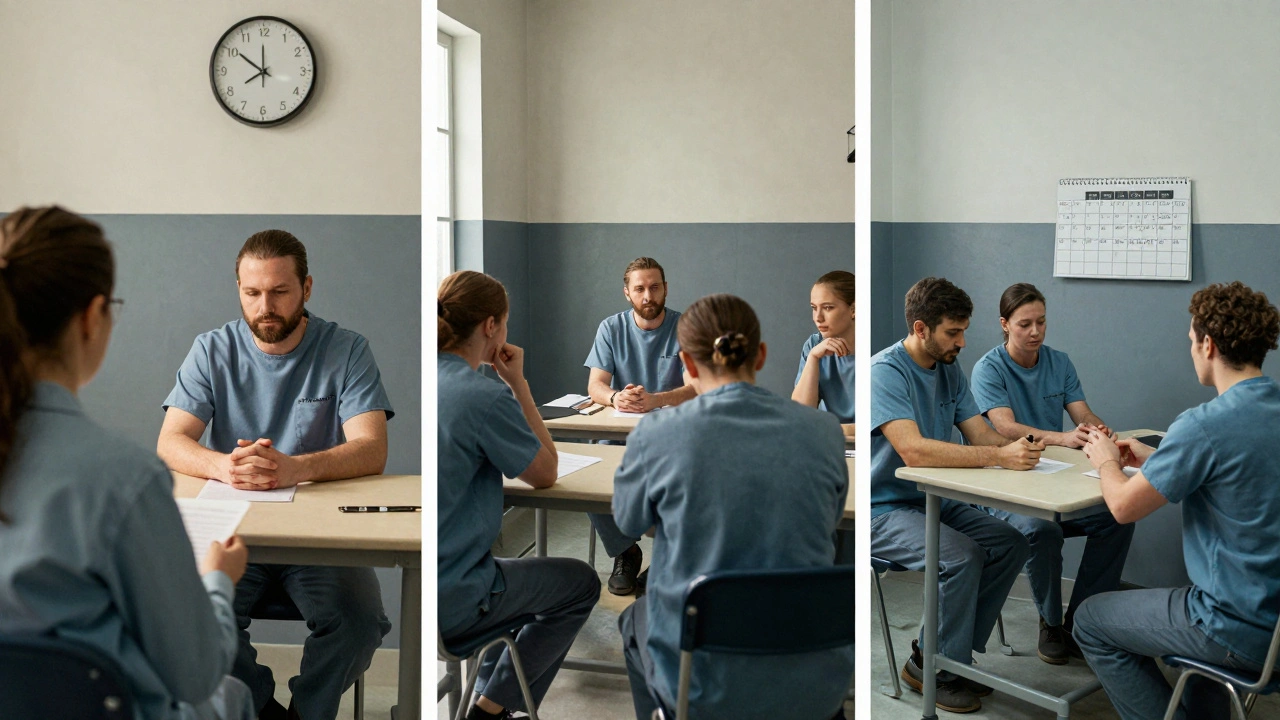
Too many prisons hand out the same rehabilitation programs to everyone-no matter if someone is a first-time offender or a repeat violent offender. That’s like giving the same medicine to someone with a cold and someone with pneumonia. It doesn’t work. The truth is, program dosage-how much time, how often, and for how long someone gets treatment-makes a huge difference in whether they reoffend after release. And it all depends on one thing: their risk level.
What Is Program Dosage, Really?
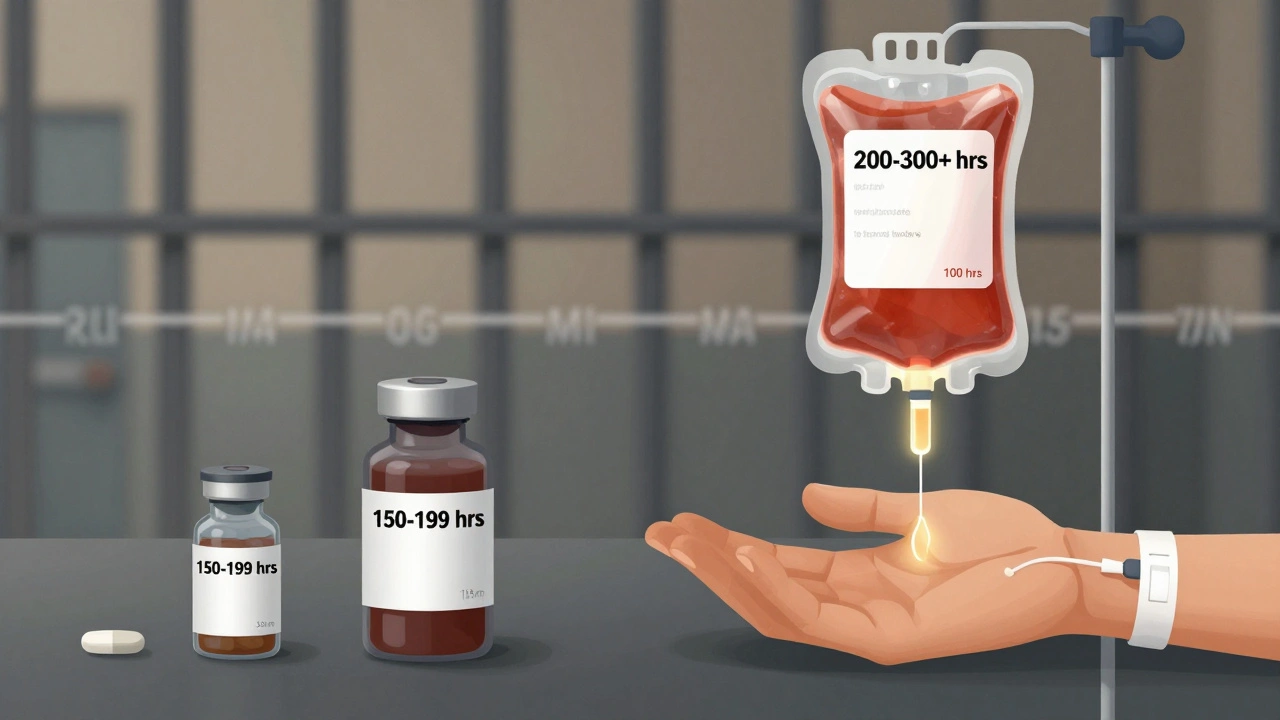
Dosage isn’t just about how many hours someone spends in a class. It’s the total amount of structured, risk-reducing intervention they receive. Think of it like a prescription: 100 hours of therapy for one person, 300 for another. It’s not random. It’s based on decades of research showing that higher-risk offenders need more time, more frequent sessions, and longer programs to change their behavior.
Low-risk offenders? They don’t need much. Studies show that giving them more than 150 hours of treatment doesn’t help much-sometimes it even backfires. Why? Because too much structure can feel like punishment, not help. For these individuals, even 100 hours of focused intervention cuts recidivism by 13 percentage points. That’s huge. But go past 150? The gains vanish.
Now take high-risk offenders-the ones with long criminal histories, violent offenses, substance abuse, and poor impulse control. For them, 100 hours is barely a start. The data is clear: they need 200 to 300+ hours. One study tracked over 900 men in community corrections. Those who got 200-249 hours had a 42% lower chance of reoffending than those who got 150-199 hours. At 300+ hours? Recidivism dropped by as much as 74% compared to the lower dose.
Intensity: It’s Not Just Hours, It’s Frequency
Dosage isn’t just about total time. It’s also about how often the treatment happens. A person who gets two sessions a week for 12 weeks (totaling 48 hours) is getting a different experience than someone who gets five sessions a week for 12 weeks (240 hours). The latter has more momentum. More practice. More reinforcement.
Research from Sperber and Lowenkamp (2017) found that treatment frequency mattered more than people thought. Offenders who got two or more sessions per week had significantly lower recidivism than those who got one-or none. But here’s the twist: intensity has to match risk. A low-risk offender getting five sessions a week might feel overwhelmed, isolated, or stigmatized. That can push them away from change. Meanwhile, a high-risk offender getting just one session a week isn’t getting enough to disrupt their patterns. They need daily contact, role-playing, skill drills, and consistent accountability.
One study found that role-playing-practicing how to handle triggers, de-escalate conflict, or say no to drugs-was one of the most effective tools. But it only worked when done often enough. If you only role-play once a week, it’s a drill. If you do it three times a week, it becomes muscle memory.
Duration: Long-Term Change Takes Time
Short programs don’t work. Not for anyone. Even if someone gets 100 hours of treatment, if it’s crammed into six weeks, it’s not enough to stick. The magic number? Six months. Programs that last at least 26 weeks show bigger, longer-lasting drops in reoffending.
Why? Because change doesn’t happen in a sprint. It happens in small steps, repeated over time. Someone learning to manage anger needs weeks to practice, fail, try again, and get feedback. Someone recovering from addiction needs months to rebuild routines, relationships, and self-worth. A 10-week program? It’s a Band-Aid. A 6-month program? It’s a rebuild.
A meta-analysis of 83 juvenile correction programs found that treatment lasting more than 25 weeks had the biggest impact. That’s not a coincidence. That’s the pattern across every major study: longer duration = better outcomes.
The RNR Model: The Only Framework That Works
There’s one model that ties all this together: the Risk-Need-Responsivity (RNR) model. It’s not theory. It’s evidence. Developed over 40 years of research, it says three things:
- Risk: Match treatment intensity to how likely someone is to reoffend.
- Need: Focus on the specific factors driving crime-like substance abuse, antisocial thinking, or lack of job skills.
- Responsivity: Use methods the person can actually respond to-like cognitive behavioral therapy, role-playing, or mentoring-not just lectures.
Here’s the kicker: if you ignore risk, you make things worse. A 2005 study by Bourgon and Armstrong found that when low-risk offenders got the same treatment as high-risk ones, their recidivism went up. Why? Because they were exposed to hardened criminals, got labeled as “criminals,” and lost motivation. The system wasn’t helping-it was training them to be worse.
On the flip side, high-risk offenders who got tailored, high-intensity programs saw recidivism drop by over 20 percentage points. That’s thousands of crimes prevented. That’s families kept safe. That’s money saved-every $1 spent on the right program saves $5 to $10 in future incarceration costs.
The Danger of One-Size-Fits-All
Most prisons still treat everyone the same. Why? Because it’s easier. It’s cheaper. It looks fair on paper. But fairness isn’t about equal treatment. It’s about equal outcomes. If you give the same program to a first-time shoplifter and a serial burglar, you’re not being fair-you’re being negligent.
One Ohio study of 689 offenders found that medium-risk individuals hit a ceiling. After 200 hours, more treatment didn’t help-and sometimes made things worse. Why? Because too much structure can create dependency. Or resentment. Or burnout. But for high-risk offenders? The more they got, the better they did. Up to 300 hours, and beyond.
This isn’t about punishment. It’s about precision. Like surgery, not sledgehammers.
Implementation: Why Most Programs Fail
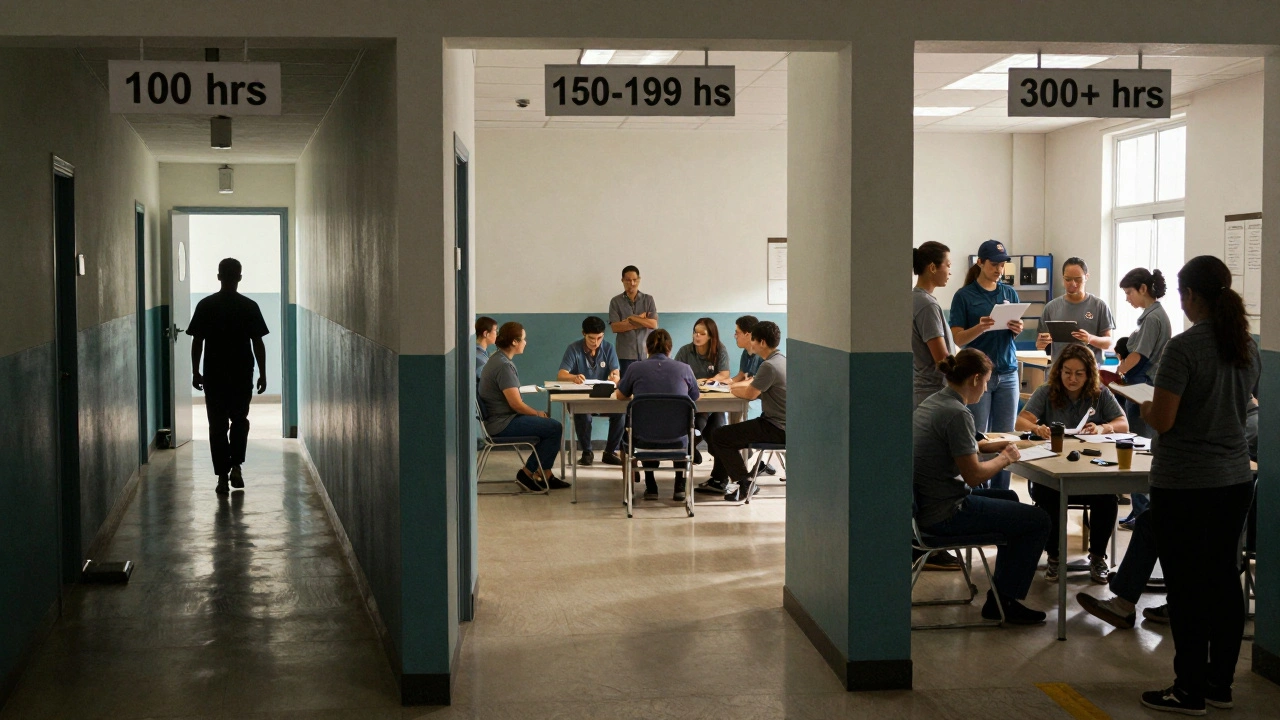
Even the best-designed programs fail if staff are overloaded. If a counselor has 80 cases and only 10 hours a week to spend on interventions, they can’t do deep, personalized work. They’re just checking boxes.
Right-sizing caseloads isn’t a luxury-it’s a requirement. You can have the most evidence-based curriculum in the world, but if staff don’t have time to build trust, track progress, and adjust treatment, it won’t work. That’s why some programs fail-not because the science is wrong, but because the system won’t fund the staffing to make it real.
Prisons need more than new programs. They need more counselors. More time. More training. More accountability.
What Works? The Numbers Don’t Lie
Let’s break it down by risk level:
| Risk Level | Recommended Dosage (Hours) | Recidivism Reduction | Key Insight |
|---|---|---|---|
| Low | 100-149 | 13% reduction | More than 150 hours shows diminishing returns |
| Moderate | 150-199 | 9% reduction | 200+ hours can increase recidivism in some cases |
| High | 200-300+ | 24-74% reduction | Each 50-hour increase yields major gains |
And intensity? Two or more sessions per week is the minimum for high-risk offenders. One session? Not enough. Three or more? Even better. Duration? Six months minimum. Anything shorter? Don’t bother.
What’s Next?
The science is clear. We know how to reduce recidivism. We know who needs what. The gap isn’t in knowledge-it’s in implementation. Prisons need to stop treating everyone the same. They need risk assessments done right, caseloads reduced, staff trained, and programs tailored.
It’s not about being harsh. It’s about being smart. It’s not about cost-it’s about consequences. Every time we get this wrong, someone else gets hurt. Every time we get it right, a family stays whole.
What is the minimum dosage needed to reduce recidivism?
There’s no one-size-fits-all answer. Low-risk offenders see benefits with 100-149 hours. Moderate-risk offenders need 150-199 hours. High-risk offenders require 200-300+ hours to see major reductions. Below 100 hours, most programs show little to no effect.
Does more treatment always mean less recidivism?
No. For low- and moderate-risk offenders, going beyond 150-200 hours can actually increase recidivism. Too much structure can lead to dependency, resentment, or social isolation. Only high-risk offenders benefit from longer, more frequent treatment-up to 300+ hours.
Why does intensity matter more than just total hours?
Intensity-how often sessions happen-builds momentum. Someone getting two sessions a week for 20 weeks (40 hours) isn’t getting the same impact as someone getting five sessions a week for 20 weeks (100 hours). Frequent, consistent practice rewires behavior. One session a week isn’t enough to break deep-rooted patterns.
Can short-term programs (under 6 months) work?
Rarely. Studies show that programs lasting less than 25 weeks (about 6 months) have significantly smaller effects. Change takes time. Skills like emotional regulation, job readiness, and conflict resolution need repeated practice over months-not weeks-to stick.
What’s the biggest mistake prisons make with rehabilitation programs?
Giving the same program to everyone. Treating low-risk and high-risk offenders the same doesn’t help-it harms. Low-risk offenders get over-treated and disengaged. High-risk offenders get under-treated and fail to change. The RNR model says: match the dose to the risk. Anything else is wasted effort.
Prison rehabilitation isn’t about being nice. It’s about being effective. And the data shows: when we match the dose to the risk, we don’t just reduce crime-we restore lives.