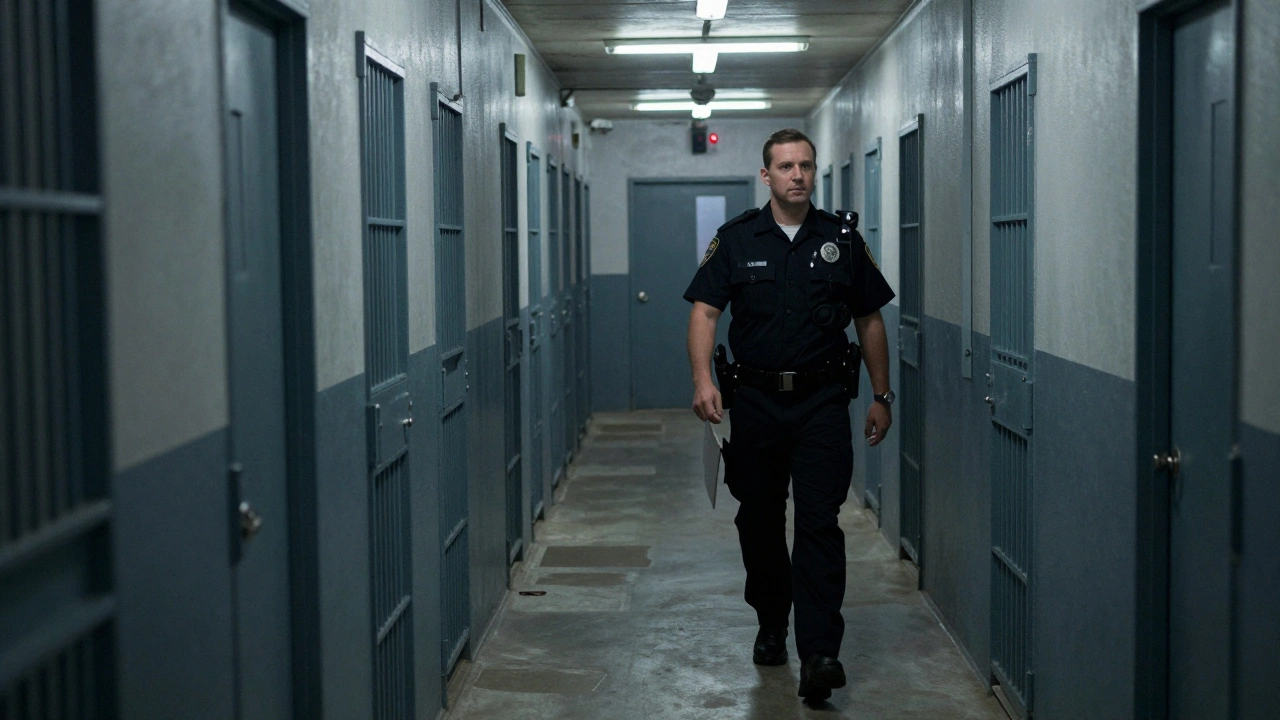
Working nights and weekends in a prison isn’t a special assignment-it’s the rule. If you’re a correctional officer, you’ll work those hours. No matter how much you want to avoid them, the system doesn’t let you opt out. Prisons never close. Inmates don’t take holidays. And someone has to be there-24 hours a day, 7 days a week-to watch, respond, and control what happens inside those walls.
Why Night and Weekend Shifts Are Non-Negotiable
Correctional facilities operate like hospitals or fire stations: they can’t shut down. You can’t say, “We’ll close at 10 p.m.,” because someone might need medical help, get into a fight, or try to escape. That’s why every prison, from minimum-security work camps to maximum-security lockups, runs on shift work. There’s no such thing as “off hours.” The federal Bureau of Justice Statistics shows that nearly all state and federal prisons maintain full staffing through the night. Even in facilities with fewer inmates, you still need at least one officer per housing unit during nighttime hours. In places like maximum-security prisons, where tensions run higher and surveillance is constant, staffing levels don’t drop-sometimes they increase. Officers might be assigned to double patrols, lockdown checks, or cell counts every 15 to 30 minutes. That means more time on your feet, more stress, and less sleep.How Shifts Are Structured
Most correctional officers work one of three shifts: day (6 a.m. to 2 p.m.), evening (2 p.m. to 10 p.m.), or night (10 p.m. to 6 a.m.). But the length of those shifts isn’t always eight hours. In fact, 12-hour shifts are now the norm in over 40% of U.S. correctional facilities that use modern scheduling systems like PowerTime. Why? Because fewer shift changes mean fewer handovers, less paperwork, and more continuity. But it also means longer stretches without rest. Common rotation patterns include:- 2 on, 3 off - Work two 12-hour shifts, then get three days off. Repeat.
- 2 on, 2 off, 3 on, 2 off - A 10-day cycle where you work two days, rest two, then work three, rest two. This pattern gives you every other weekend off.
- 4 on, 2 off, 2 on, 4 off - A four-week cycle where you work four straight days, then get two days off, then work two more, then get four days off. This one gives you two full weekends off each month.
What a Typical Day Looks Like
Inmates follow a strict routine-and so do the officers who watch them. In North Carolina prisons, for example, the day starts at 6 a.m. with a headcount. Every inmate must be accounted for. Then breakfast is served, work assignments are handed out, and the day begins. Officers are spread across the yard, the kitchen, the classrooms, and the housing units. By 7:30 a.m., inmates are working in prison jobs-laundry, food prep, maintenance. Officers supervise them. No breaks. No exceptions. By 6 p.m., the evening programming kicks in: AA meetings, religious services, anger management. Officers escort inmates to these events, monitor them, and make sure no contraband gets passed. At 8 p.m., everyone returns to their cells. At 11 p.m., lights out. But officers aren’t done. They do hourly rounds. They check for injuries, signs of distress, or signs of trouble. One officer in a Texas prison told me: “The quietest hours are the ones you watch the hardest.” And if you’re on night shift? You’re the only ones there. No supervisors. No backup. Just you, the cameras, and the silence.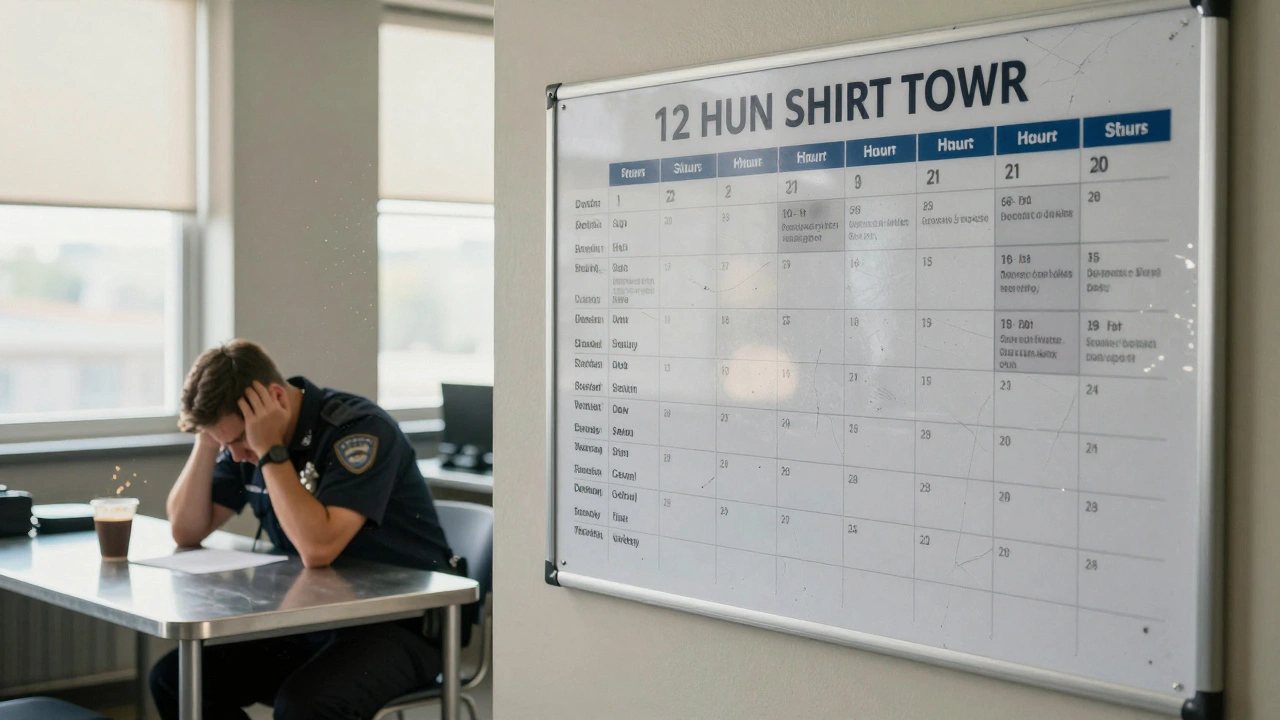
The Human Cost
Let’s be real: night and weekend shifts wreck your life. Sleep gets messed up. Your body clock doesn’t reset easily. Studies from the National Institute for Occupational Safety and Health show that correctional officers working nights have a 30% higher risk of cardiovascular disease, digestive issues, and depression than those on day shifts. Many report chronic fatigue, irritability, and trouble connecting with family. One officer in Oregon said, “I miss my kid’s soccer games. I miss birthdays. I miss holidays. I see my daughter on weekends-but I’m always too tired to play with her.” But it’s not all bad. Some officers actually prefer night shifts. Why? Because they can run errands during the day. They can take classes. They can be home when their kids are awake. One veteran officer in Pennsylvania said, “I work nights, but I’ve got every weekend free. I coach my son’s baseball team. I go fishing. I sleep in. I like it.” The truth? It depends on your life. If you’re single, no kids, and you like quiet, night shifts can be a gift. If you’re a parent, a partner, or someone who needs routine, it’s a nightmare.Weekends Aren’t Just About Time Off
Weekend shifts aren’t just about working Saturday and Sunday-they’re about missing everything that happens on those days. Family dinners. Church. Football games. Holidays. Birthdays. Funerals. You can’t call in sick because someone else has to cover you. And if you’re in a small facility? You’re the one who gets stuck. Some departments try to rotate weekends fairly. Others? They assign them based on seniority. New officers? You’re on duty every weekend for the first year. That’s standard. And it’s brutal. One officer in Georgia said, “I worked every weekend for 14 months straight. I didn’t see my mom’s funeral because I was on duty. That’s not a policy. That’s a sacrifice.”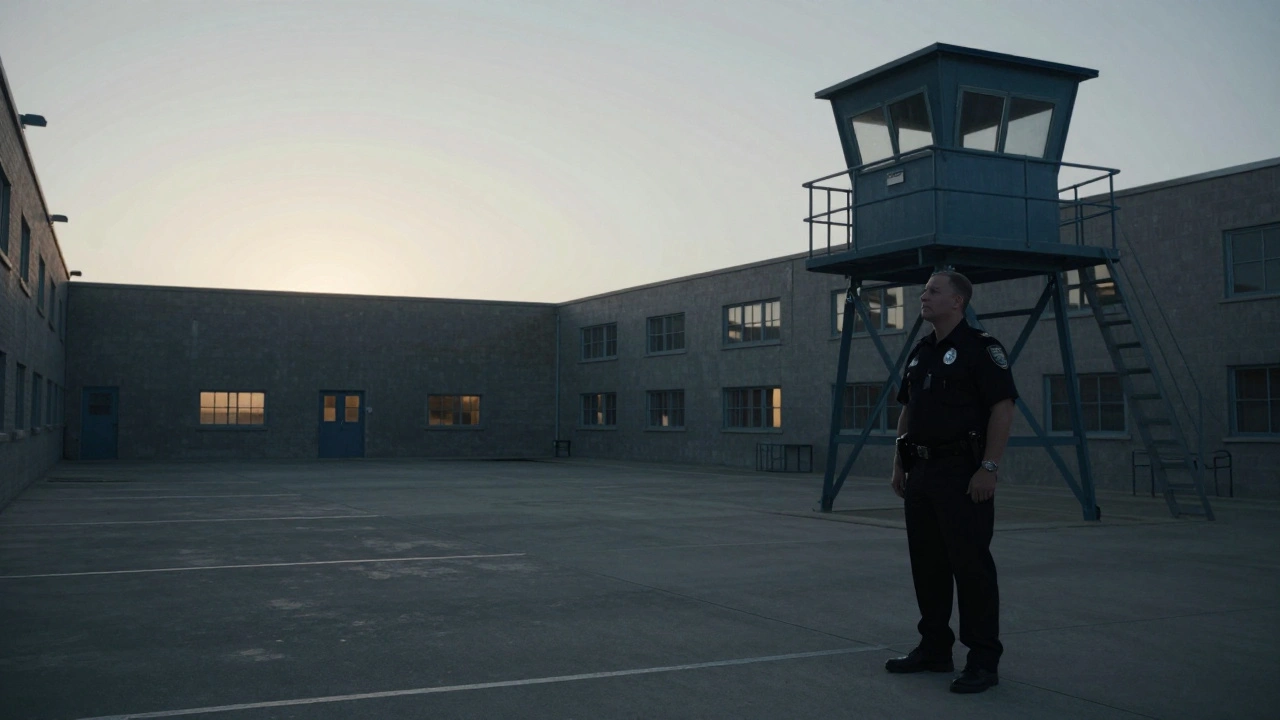
Maximum-Security Prisons: The Toughest Shifts
If you’re assigned to a maximum-security prison, you’re not just working nights-you’re working under pressure. These facilities have higher inmate-to-officer ratios, more violent incidents, and stricter protocols. Patrols are more frequent. Searches are more invasive. And if there’s a staffing shortage? You’re not getting off early. In many of these prisons, officers are required to be certified in multiple roles: crisis intervention, medical response, riot control. That means more training. More responsibility. More hours. One officer in California told me, “I work 12 hours, then I’m expected to run a class on de-escalation after my shift. I’m not getting paid for it. But I do it because I’m the only one who knows how.”The Trade-Offs
The system is built on a simple idea: someone has to be here. So, we rotate. We stretch. We sacrifice. The trade-offs are clear:- Pros: Premium pay (time-and-a-half or double-time on weekends), fewer coworkers on shift (more autonomy), quieter environment, more personal time during the day.
- Cons: Disrupted sleep, strained relationships, higher health risks, burnout, isolation, lack of family time.
What’s Next?
As staffing shortages continue, more facilities are turning to 12-hour shifts just to stay open. But that’s not a solution-it’s a band-aid. Officers are leaving in droves. The turnover rate in corrections is over 20% annually, the highest of any public safety field. Some departments are trying new ideas: flexible scheduling, mental health days, on-site sleep pods, and shift-swapping apps. But most are still stuck in the same old rotation: work nights, work weekends, repeat. The truth? Correctional work isn’t like other jobs. You don’t clock out and leave the stress behind. The prison doesn’t go away. And if you’re on nights or weekends? You’re carrying it all.Do correctional officers always work nights?
Not always, but nearly all correctional officers will work nights at some point. Most start on night shift after training, especially if staffing is low. Some facilities rotate officers through all shifts weekly, while others assign officers to a single shift for months. But no matter the system, night shifts are a standard part of the job.
Why do correctional facilities use 12-hour shifts?
Twelve-hour shifts reduce the number of shift changes, which improves continuity and cuts down on administrative overhead. They also help facilities cover 24/7 needs with fewer personnel. However, these longer shifts increase fatigue and reduce recovery time, leading to higher stress and burnout rates among officers.
Are weekend shifts mandatory for new officers?
Yes, in most facilities, new officers are required to work weekends as part of their initial assignment. Seniority often determines who gets preferred shifts, meaning newer staff are stuck with the least desirable schedules. This can last for a year or more.
Can correctional officers choose their shifts?
Sometimes, but rarely at the start. Most facilities assign shifts based on operational needs, not personal preference. After a few years, some officers may bid for preferred shifts through seniority systems, but even then, there’s no guarantee. Night and weekend shifts are still the backbone of staffing.
How do night shifts affect officer health?
Night shifts disrupt circadian rhythms, leading to higher risks of heart disease, obesity, diabetes, and depression. Studies show correctional officers working nights have a 30% higher rate of chronic health conditions compared to day-shift workers. Sleep deprivation also increases mistakes on the job, which can be dangerous in a prison setting.