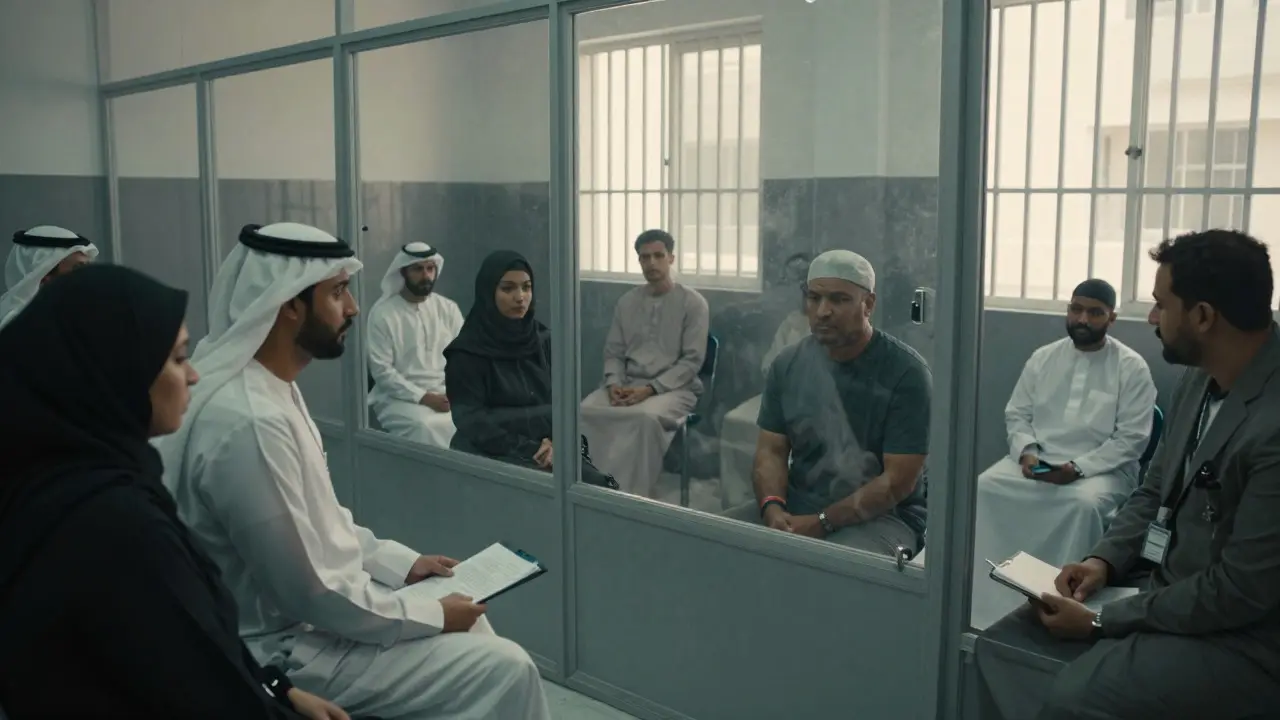
Walking into a prison visiting room often feels like stepping into a different world. The air is thick with tension, the rules are rigid, and the people inside have limited power to speak up. Yet, behind the bars, there is a complex web of responsibilities designed to ensure that Civil Rights Compliance is not just a buzzword but a lived reality. While state inspectors and federal courts play huge roles, the most consistent eyes on the ground often come from outside: community stakeholders. These are the lawyers, family members, local journalists, and advocacy groups who bridge the gap between isolated correctional facilities and the public they serve.
Understanding how these external actors function is crucial. They don't just observe; they document, advocate, and sometimes force systemic change. From tracking use-of-force incidents to auditing food quality, their work shapes the daily lives of incarcerated people. This article breaks down who these stakeholders are, what specific roles they play, and how you can effectively engage with them if you are involved in criminal justice reform or simply care about fairness in our system.
Who Counts as a Community Stakeholder?
The term "stakeholder" is broad, but in the context of prison monitoring, it refers to any group or individual with a vested interest in ensuring fair treatment within correctional facilities. It is not just about having a legal right to enter; it is about having the capacity to influence outcomes.
- Legal Advocates: Public defenders, pro bono attorneys, and legal aid societies who handle litigation regarding conditions of confinement.
- Family Members: Often the first line of communication for incarcerated individuals, documenting changes in behavior or health that signal neglect.
- Local Journalists: Investigative reporters who uncover patterns of abuse through records requests and interviews.
- Non-Governmental Organizations (NGOs): Groups like the ACLU or local human rights coalitions that conduct independent audits.
- Formerly Incarcerated Individuals: People with lived experience who provide unique insights into institutional culture.
Each of these groups brings a different lens to the table. A lawyer looks for constitutional violations. A family member looks for signs of distress. A journalist looks for a story that holds power accountable. Together, they form a safety net that state agencies alone cannot provide.
The Core Functions of External Oversight
Why do we need outsiders when prisons have internal review boards? Because internal reviews suffer from a conflict of interest. Guards report on guards, and warden’s offices report on themselves. Community stakeholders provide an independent check. Their core functions generally fall into three categories: documentation, advocacy, and education.
- Documentation and Data Collection: Stakeholders collect data that might otherwise go unrecorded. For example, while a facility might log a "use of force" incident as minor, a family member might describe it as a brutal beating. NGOs often create shadow databases to track trends over time, such as the frequency of solitary confinement or medical delays.
- Advocacy and Litigation Support: When patterns emerge, stakeholders step in to push for change. This can range from writing letters to the Department of Corrections to filing class-action lawsuits. They also support individual cases by providing expert witnesses or funding appeals.
- Public Education: Prisons operate in the shadows. Stakeholders bring transparency to light. By publishing reports, holding press conferences, and speaking at city council meetings, they educate the public about what happens inside, which in turn creates political pressure for reform.
This triad of functions ensures that compliance is not static. It is a dynamic process that requires constant vigilance. Without these external checks, standards tend to erode over time as budgets tighten and staffing shortages worsen.

Practical Ways Stakeholders Monitor Compliance
Monitoring isn't abstract. It involves specific, actionable steps. If you are looking to understand how this works in practice, here are the common methods used by effective stakeholder groups.
| Method | Description | Example Outcome |
|---|---|---|
| Freedom of Information Act (FOIA) Requests | Requesting internal memos, incident reports, and budget allocations. | Uncovering hidden costs for excessive force settlements. |
| Visit Logs and Interviews | Recording details of visits, including staff interactions and facility conditions. | Documenting inconsistent visitation policies across wings. |
| Medical Record Audits | Reviewing patient files (with consent) to check for delayed treatments. | Identifying a pattern of ignored chronic pain complaints. |
| Public Comment Sessions | Speaking at legislative hearings about budget cuts or policy changes. | Preventing the elimination of mental health counselors. |
One powerful technique is the "shadow audit." In this approach, a team of volunteers systematically collects data on specific metrics, such as the average wait time for a doctor's appointment or the number of disciplinary hearings held per month. They then compare this data against state standards or national benchmarks. When discrepancies appear, they present the findings to officials, demanding explanations or corrective action.
Challenges and Pitfalls in Stakeholder Engagement
It is not all smooth sailing. Engaging with the prison system comes with significant hurdles. Understanding these pitfalls helps stakeholders stay effective and resilient.
- Bureaucratic Red Tape: Accessing records or scheduling meetings can take months. Officials may delay responses or provide incomplete documents. Patience and persistence are key.
- Retaliation Risks: While rare, some facilities may make life difficult for families or advocates who speak out. Keeping detailed records protects against false accusations.
- Data Fragmentation: Different facilities often use different reporting systems. Consolidating data from multiple sources requires significant organizational effort.
- Funding Constraints: Many small local groups rely on grants and donations. When funding dries up, monitoring efforts can stall, creating gaps in oversight.
To mitigate these risks, successful stakeholder groups often build coalitions. By pooling resources with other organizations, they can share the burden of data collection and legal fees. They also establish clear protocols for evidence preservation to withstand potential challenges from the state.

Building Effective Partnerships
The most impactful monitoring happens when stakeholders work together rather than in silos. Imagine a scenario where a local law firm partners with a journalism outlet and a family advocacy group. The law firm identifies a potential legal violation. The journalists investigate the history of similar cases. The family group provides firsthand accounts and emotional testimony. Together, they create a compelling case for change that no single entity could achieve alone.
Effective partnerships require regular communication and shared goals. Monthly sync-ups, shared digital dashboards, and joint press releases help keep everyone aligned. It is also important to define roles clearly to avoid duplication of effort. For instance, one group might focus solely on medical issues, while another handles educational rights.
Next Steps for New Advocates
If you are new to this space and want to get involved, start small. You don't need a law degree to make a difference. Here is a practical roadmap to begin your journey in prison oversight:
- Pick a Focus Area: Choose one aspect of prison life to monitor, such as healthcare, education, or food services. Specialization allows you to become an expert quickly.
- Connect with Existing Groups: Reach out to local ACLU chapters or criminal justice nonprofits. Offer your skills, whether that's data analysis, writing, or social media management.
- Learn the Rules: Understand the specific visitation policies and record-keeping laws in your state. Knowing the legal landscape helps you navigate bureaucratic obstacles.
- Start Documenting: Keep a simple log of every interaction, meeting, and observation. Consistency builds credibility.
- Share Your Findings: Publish your observations in accessible formats. Blog posts, newsletters, or community presentations can raise awareness and attract allies.
Remember, the goal is not just to criticize but to improve. Constructive engagement often yields better results than adversarial confrontation. By approaching the system with curiosity and a commitment to facts, you can help ensure that civil rights are respected for everyone, regardless of where they live.
What is the primary role of community stakeholders in prison monitoring?
Their primary role is to provide independent oversight by documenting conditions, advocating for policy changes, and educating the public about issues within correctional facilities.
How can ordinary citizens get involved in prison civil rights monitoring?
Citizens can join existing advocacy groups, volunteer for data collection efforts, submit Freedom of Information Act requests, or attend public comment sessions at local government meetings.
Why is external oversight necessary if prisons have internal review boards?
Internal boards often suffer from conflicts of interest since staff are reviewing their own peers' actions. External stakeholders offer an unbiased perspective and can hold institutions accountable to broader societal standards.
What are some common challenges faced by prison monitoring groups?
Common challenges include bureaucratic delays in accessing records, limited funding, fragmented data systems across different facilities, and potential retaliation from facility administration.
How do stakeholders use data to drive change?
Stakeholders collect and analyze data to identify patterns of non-compliance, such as high rates of solitary confinement or delayed medical care. They then use these findings to support litigation, public campaigns, and legislative proposals.