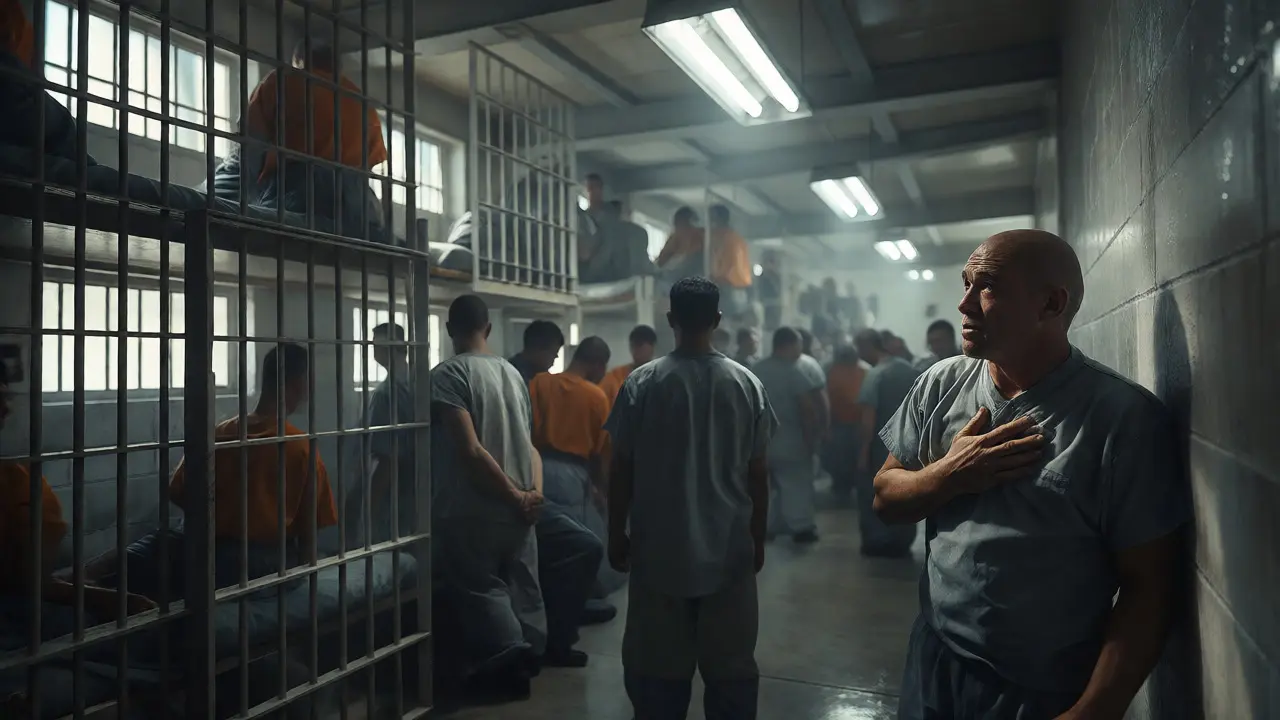
You walk into a cell block at 2:00 PM. The air is thick, the noise level is rising, and you can feel the tension radiating off three hundred bodies confined in a space meant for half that number. In this environment, correctional recreation isn't just about burning calories; it's a critical pressure valve. When that gate opens, the shift is palpable. Why? Because structured movement directly counters the psychological stagnation that fuels aggression.
Most people outside the system think of "rec" as a luxury-a break from the grind. But inside, it’s survival infrastructure. Research consistently shows that when inmates lack outlets for physical energy and social interaction, stress hormones like cortisol spike. This biological reality translates directly into behavioral outcomes. If you’re looking to understand why facilities invest heavily in these programs despite budget cuts, you have to look past the gym equipment and into the neurochemistry of confinement.
The Biological Link Between Movement and Mood
Let’s get specific. Human beings are not designed for static existence. When you sit in a cage-whether metaphorical or literal-for sixteen hours a day, your body enters a state of chronic arousal. Your sympathetic nervous system stays switched on. You’re ready to fight or flee, but there’s nowhere to go. This is where physical activity acts as a regulatory mechanism for the autonomic nervous system.
Studies published in journals like *The Lancet Psychiatry* indicate that even moderate aerobic exercise reduces symptoms of anxiety and depression by up to 30% in general populations. In correctional settings, the effect is often more pronounced because the baseline stress levels are so high. When an inmate engages in weightlifting, basketball, or even walking laps, they trigger the release of endorphins and dopamine. These neurotransmitters do two things: they improve mood and they lower impulse control issues.
Think about the last time you had a bad day at work. Did you want to yell at someone, or did you want to go for a run? For many, the urge to lash out is actually misdirected energy. Recreation provides a socially acceptable channel for that energy. It transforms potential violence into visible exertion. A tired inmate is generally a calmer inmate. It’s that simple.
Structuring Rec to Lower Misconduct Rates
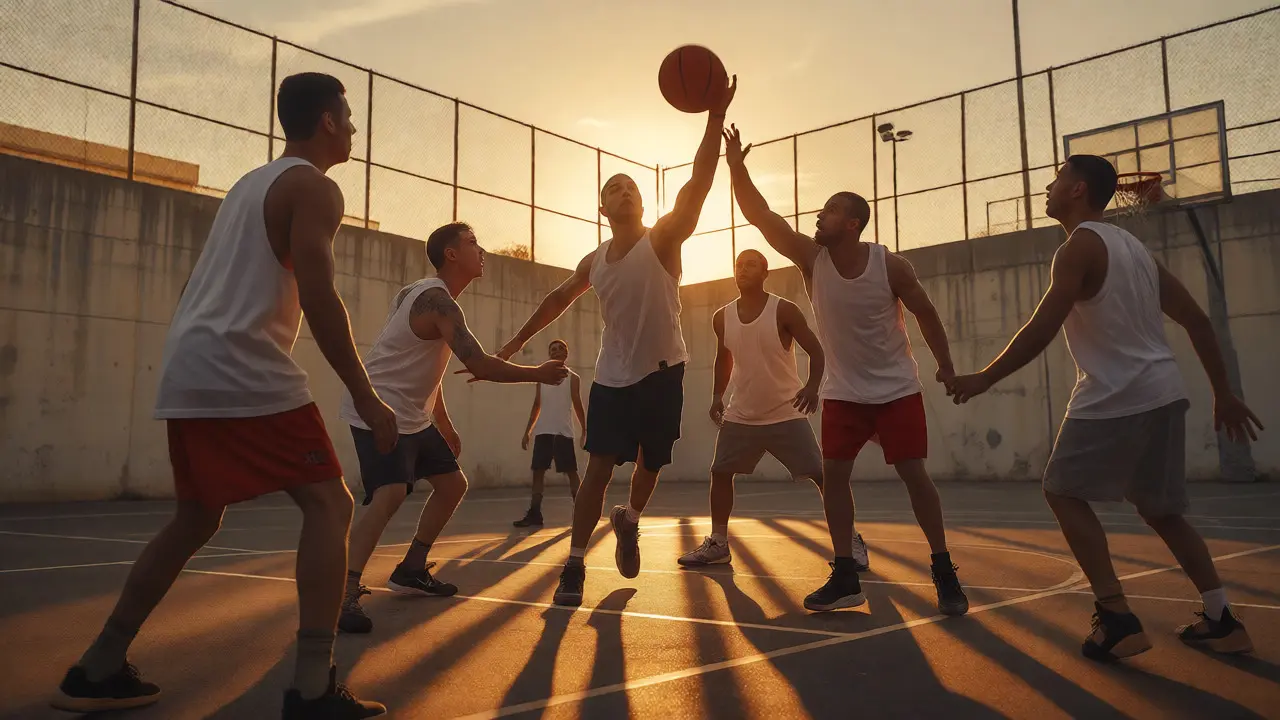
Not all recreation is created equal. If you throw fifty guys onto a concrete yard with one basketball and no rules, you don’t reduce stress-you create a turf war. Effective structured recreation relies on clear boundaries, consistent schedules, and varied activities. This structure mimics the predictability that is largely absent in daily prison life, offering a sense of normalcy and agency.
Facilities that implement tiered recreation systems see measurable drops in disciplinary reports. Here is how the logic flows:
- Predictability: Knowing exactly when rec starts and ends reduces anxiety about the unknown.
- Social Cohesion: Team sports require cooperation. Learning to pass the ball or spot a lifter builds non-verbal trust.
- Exhaustion: Physical fatigue reduces the capacity for hyper-vigilance, allowing for better sleep quality.
A study conducted by the National Institute of Justice found that facilities with mandatory daily recreation hours reported 15-20% fewer violent incidents compared to those with sporadic access. The key variable wasn't just the exercise itself, but the consistency. Random access creates scarcity mindset; scheduled access creates routine.
Beyond Gym Time: Mental Health and Social Skills
While lifting weights burns off adrenaline, it doesn’t necessarily fix the underlying cognitive distortions that lead to reoffending. This is where therapeutic recreation differs from standard gym time. Programs that integrate group dynamics, such as yoga, martial arts with philosophical components, or organized leagues, address the social isolation inherent in incarceration.
Incarceration strips away social roles. You aren’t a father, a worker, or a neighbor; you are an inmate ID number. Recreation restores a fragment of identity. When someone is known as "the point guard" or "the guy who teaches stretching," they regain a sense of self-worth. This restoration is crucial for mental health. Depression in prisons is often driven by learned helplessness-the belief that nothing you do matters. Choosing to participate in a team sport is an act of agency. It says, "I matter to this group."
Furthermore, these interactions provide low-stakes practice for conflict resolution. Disputes over foul calls or turn-taking happen constantly. Under supervision, staff can mediate these small conflicts, teaching inmates de-escalation techniques in real-time. It’s role-playing for life outside, without the high stakes of parole violations.
Staff Benefits and Institutional Safety
We often focus on the inmates, but what about the guards? Correctional officers face some of the highest rates of PTSD and burnout in any profession. High-tension environments drain emotional resources. When rec programs are successful, the ambient noise level drops. Aggressive posturing decreases. Officers spend less time breaking up fights and more time maintaining order through presence rather than force.
This reduction in use-of-force incidents saves money and reduces liability. More importantly, it changes the culture. When officers view themselves as facilitators of positive activity rather than just enforcers of punishment, job satisfaction rises. There is a direct correlation between well-funded recreation departments and lower staff turnover rates. Happy staff means stable management, which further stabilizes the inmate population.
Implementation Challenges and Realistic Expectations
If recreation is so effective, why isn’t every facility running Olympic-level programs? Budget constraints are the obvious answer, but logistics are the hidden killer. Space is limited. Staffing for supervision is expensive. Security protocols often clash with the freedom required for genuine play.
To make it work, administrators need to be creative. It doesn’t always require new buildings. Utilizing existing spaces during off-hours, partnering with community organizations for volunteer coaches, or implementing low-equipment activities like calisthenics circles can yield high returns. The goal isn’t to build athletes; it’s to manage behavior.
Here is a quick comparison of common recreation models:
| Model Type | Primary Benefit | Cost Factor | Misconduct Impact |
|---|---|---|---|
| Free Play (Unstructured) | Low cost, immediate access | Low | Mixed (can increase friction) |
| Structured Leagues | Social cohesion, discipline | Medium (staff time) | High Reduction |
| Therapeutic Groups | Mental health, skill building | High (specialized staff) | Long-term Behavioral Change |
The data suggests that while free play is necessary for basic physiological needs, structured models deliver the best results for reducing long-term misconduct. It’s worth the investment if you’re measuring success by safety and recidivism, not just immediate operational costs.
The Ripple Effect on Reentry
Finally, consider the exit strategy. Most inmates will eventually return to their communities. Those who participated in regular recreation are statistically more likely to maintain employment and avoid re-arrest. Why? Because they’ve maintained a habit of physical regulation. They know how to manage stress through movement rather than substance abuse or aggression.
Recreation prepares the body and mind for the chaos of freedom. It bridges the gap between total control and total autonomy. Without that bridge, the shock of release can be overwhelming, leading to rapid recidivism. By treating recreation as a core component of rehabilitation rather than a peripheral perk, we set the stage for safer streets and healthier individuals.
Does recreation really reduce violence in prisons?
Yes, multiple studies confirm that consistent access to structured recreation lowers violent incident rates. Physical activity reduces cortisol levels and provides a constructive outlet for aggression, leading to calmer cell blocks and fewer disciplinary write-ups.
What types of recreation are most effective for stress relief?
Aerobic exercises like running, cycling, and team sports are highly effective due to endorphin release. However, structured activities that involve social interaction, such as league games or group fitness classes, offer additional benefits by combating isolation and building social skills.
How does recreation affect correctional staff?
Effective recreation programs reduce the workload for correctional officers by decreasing the frequency of conflicts and use-of-force incidents. This leads to lower stress levels for staff, reduced burnout, and improved overall institutional safety.
Is unstructured free play enough to manage stress?
While unstructured play helps with basic physical needs, it can sometimes lead to increased tension due to lack of rules and potential territorial disputes. Structured recreation with clear guidelines and goals is generally more effective for long-term stress management and behavioral improvement.
Can recreation programs help with reentry into society?
Absolutely. Regular participation helps inmates develop healthy coping mechanisms for stress and maintains physical health, both of which are crucial for adapting to life outside. It fosters habits of discipline and routine that support successful reintegration and reduce recidivism.